Biophilia: Why Flowers Boost Your Mental Health
Scientifically Reviewed · Dr. Marwa Abd-Alazim · September 13, 2026
Review Criteria & Clinical Standards
This content undergoes rigorous scientific peer-review and medical editorial standards at Arab Psychology Network to ensure clinical accuracy, validity, and compliance with evidence-based guidelines from leading psychological and healthcare authorities (APA / WHO).
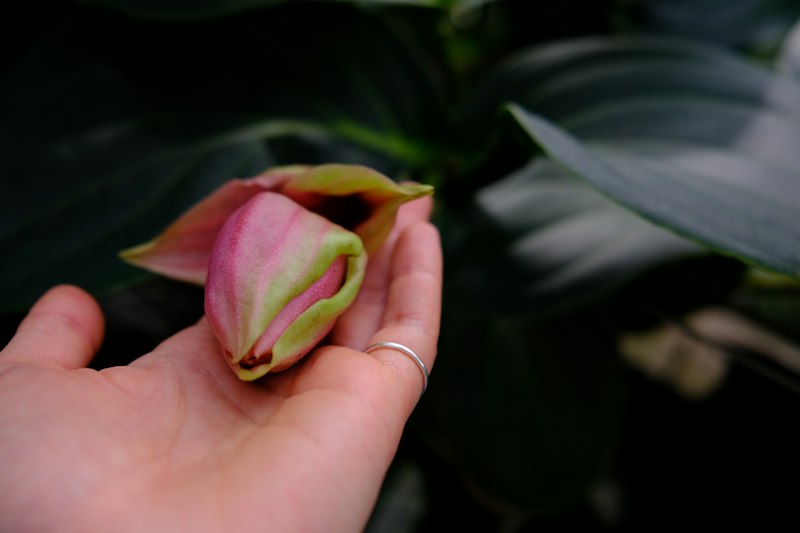
Introduction to the Concept of “Floral”
The term floral serves as the fundamental descriptor for all features, structures, and processes related to the flower, which is the specialized reproductive shoot characteristic of the Angiosperms, or flowering plants. Functionally, the flower is the primary site of sexual reproduction in these dominant terrestrial plant groups. Morphologically, it is defined by the arrangement of highly modified leaves that are typically organized into concentric rings, or whorls, situated upon a central axis known as the receptacle. These specialized organs collectively facilitate the complex biological imperative of attracting appropriate vectors for pollination, enabling fertilization, and ensuring the successful development of seeds and fruits. A comprehensive understanding of the floral apparatus is indispensable for disciplines ranging from plant taxonomy and ecology to evolutionary biology and genetics.
The concept of “floral” extends far beyond mere anatomical description; it encapsulates the entire reproductive strategy of an angiosperm species. This includes the intricate details of phenology (the timing of flowering), the specific chemistry of floral scents and pigments, the geometric organization of parts (symmetry and merosity), and the highly specialized mutualistic relationships established with biotic agents, predominantly insects, birds, and bats. Therefore, the scientific study of floral traits requires a holistic biological perspective, viewing the flower not just as a structure, but as a finely tuned biological system optimized over geological timescales through intense selective pressures to maximize reproductive output and outcrossing potential in highly varied ecological settings.
Despite the astonishing morphological diversity found across the estimated 300,000 species of Angiosperms—ranging from minute, inconspicuous blooms to vast, complex inflorescences—the underlying architectural blueprint of the flower remains remarkably consistent. This universal plan involves four primary categories of modified leaves: the protective sepals, the attractive petals, the male reproductive stamens, and the female reproductive carpels. The systematic arrangement and modification of these four components on the receptacle provide the foundational framework for analyzing floral structure, classifying plant species, and inferring the evolutionary history of the world’s most successful plant lineage.
Etymology and Derivation of the Term “Floral”
The linguistic origin of the adjective floral is rooted firmly in classical terminology, deriving directly from the Latin noun flos, meaning “flower.” This etymological connection immediately establishes the term’s strict biological reference to the reproductive unit of plants. Historically, the recognition of the flower’s central importance in plant life was acknowledged long before detailed microscopic or genetic analysis was possible. The adoption of this Latin base into modern scientific nomenclature, particularly following the standardization efforts of Carolus Linnaeus, cemented its role as a precise, universal descriptive term essential for global botanical communication.
In the realm of systematic botany, which necessitates high precision in description, the term “floral” is consistently applied to differentiate structures and characteristics belonging to the reproductive whorls from those associated with the plant’s vegetative body, such as the stem, root, or foliage. Standardized scientific terms such as the floral formula, which uses alphanumeric codes to summarize the structure of a flower, and floral symmetry are linguistic tools that allow botanists worldwide to communicate complex morphological data efficiently. This adherence to precise terminology is vital because minute variations in floral traits frequently serve as the definitive criteria for establishing species boundaries and identifying complex phylogenetic relationships.
While the term itself shares a common heritage with the cultural and mythological references to Flora, the Roman goddess of flowers, spring, and fertility, its modern biological usage is entirely functional and anatomical. The scientific application focuses rigorously on the morphological outcomes of evolutionary adaptation—examining how specialized modifications of ancestral leaf structures have resulted in the intricate, specialized machinery required for sexual reproduction in the dominant plant group on Earth. This focus emphasizes the functional significance of the structure, rather than its aesthetic or symbolic value.
The Four Whorls: Primary Floral Organs
The typical angiosperm flower is structurally defined by four discrete sets of organs, arranged in concentric whorls upon the receptacle. These organs—sepals, petals, stamens, and carpels—are fundamentally modified leaves, a critical insight that links the flower back to the vegetative shoot from an evolutionary perspective. The outer two whorls are generally considered accessory or protective, forming the perianth, while the inner two are the essential reproductive components. The number, arrangement, and degree of fusion among the parts within these whorls are the key elements defining the overall architecture of a species’ reproductive structure.
The outermost whorl is the calyx, composed of individual units called sepals. Typically green and leaf-like, the sepals’ primary function is to provide mechanical and physiological protection to the delicate inner reproductive structures when the flower is in its bud stage, guarding against physical trauma, desiccation, and early herbivory. In certain plant families, the sepals may be highly modified; for instance, they can be brightly colored (petaloid) and assume the attractive role of the petals, demonstrating functional plasticity within the floral architecture. The degree to which sepals are separate (polysepalous) or fused (synsepalous) is a critical diagnostic feature utilized in taxonomic classification.
Internal to the calyx is the second whorl, the corolla, consisting of the petals. Petals are generally the most visually prominent and conspicuous part of the flower, serving the crucial ecological function of attracting specific biotic pollinators through vivid coloration, intricate patterns—including those visible in the ultraviolet spectrum—and the emission of volatile organic compounds that constitute the flower’s scent. The shape and arrangement of the corolla significantly influence the flower’s symmetry and dictate which types of pollinators can access the reproductive organs and the associated rewards, reflecting a tight co-evolutionary bond.
The third whorl is the androecium, comprising the male reproductive organs known as stamens. Each stamen typically consists of two main parts: the slender stalk called the filament, which positions the reproductive structure optimally for pollen transfer, and the anther, the distal sac-like structure containing the microsporangia where pollen grains—carrying the male gametes—are produced, stored, and eventually released. The number of stamens, their relative length (often adapted to specific pollinator body sizes), and the mechanism of their attachment to the flower are all vital morphological traits influencing the success and specificity of pollination.
The innermost and architecturally central whorl is the gynoecium or pistil, composed of one or more carpels, which enclose the female reproductive structures. The carpel is differentiated into three critical zones: the stigma, the specialized receptive surface designed to capture and recognize compatible pollen; the style, a connecting stalk that pollen tubes navigate to reach the ovary; and the ovary, the swollen basal chamber containing the ovules, which harbor the female gametes. Following successful fertilization, the ovary matures into the fruit, and the ovules develop into seeds. The precise arrangement—whether the carpels are distinct or fused, and the number of locules within the ovary—provides fundamental criteria for distinguishing major plant families.
Accessory and Specialized Floral Structures
Beyond the four core whorls, several accessory and specialized structures contribute significantly to the overall function and diversity of the flower, often mediating interactions with the environment and pollinators. The receptacle, which is the slightly modified and expanded terminus of the flower stalk (pedicel or peduncle) upon which all floral organs are attached, plays a vital structural role. Variation in receptacle shape—which can be flat, convex, or concave—influences the relative spatial arrangement of the whorls, particularly determining the position of the ovary relative to the attachment points of the sepals, petals, and stamens.
A particularly crucial specialization involves the nectaries, specialized glandular tissues responsible for the production of nectar, a highly energetic sugar solution. Nectar serves as the primary reward for most biotic pollinators, reinforcing the animal’s behavior and ensuring repeated visits. Nectaries can be highly diverse in their location, often found at the base of the petals, stamens, or carpels, or sometimes even outside the flower (extranuptial nectaries). The volume, sugar concentration, and specific chemical composition of nectar are highly tailored to the metabolic needs and sensory capabilities of the co-evolved pollinator, making nectary biology a key area of study in reproductive ecology.
Other important accessory structures include bracts and bracteoles, which are modified leaves subtending the flower or an entire inflorescence. While structurally vegetative, these tissues frequently take on floral functions. In many species, such as dogwoods or various aroids, the true flowers are small and inconspicuous, but the surrounding bracts become dramatically enlarged and brightly colored, serving as the primary advertisement mechanism to attract pollinators. This morphological adaptation demonstrates a flexible evolutionary pathway where roles typically assigned to the corolla are delegated to supporting vegetative structures.
Furthermore, fusion among floral parts often results in complex, specialized structures critical for pollination mechanics. The formation of a hypanthium, a cup-like structure formed by the fusion of the bases of the sepals, petals, and stamens, is characteristic of families like the Rosaceae. The presence and morphology of the hypanthium are directly related to the developmental position of the ovary, leading to classifications of superior (ovary above the point of attachment), inferior (ovary below), or half-inferior ovaries. These positional differences are deeply significant in angiosperm systematics and reflect ancient evolutionary divergence among lineages.
Floral Morphology and Taxonomic Systematics
Floral morphology provides the most stable and reliable set of characters for the systematic classification and identification of flowering plants. Unlike vegetative features, which are often highly susceptible to environmental variations (phenotypic plasticity), the structure and arrangement of floral parts are under stringent genetic control and are highly conserved within species and genera. Key morphological attributes—including the type of symmetry, the merosity (number of parts per whorl), and the degree of organ fusion—are consistently employed by botanists to delineate species, genera, and even higher taxonomic ranks.
One of the most foundational classification criteria is floral symmetry. Flowers exhibiting radial symmetry (actinomorphic) can be bisected into equal halves along multiple planes passing through the center, often resembling a wheel. This form is typically considered ancestral and is frequently associated with generalized pollination systems. Conversely, flowers exhibiting bilateral symmetry (zygomorphic) can only be divided into two mirror-image halves along a single vertical plane. Zygomorphy is often a highly derived trait, characterizing specialized pollination strategies that restrict access to rewards and ensure precise placement of pollen on the pollinator, thus driving highly efficient and specialized co-evolutionary relationships.
The concepts of completeness and perfection are also central to describing floral structure. A complete flower is defined as possessing all four primary whorls: calyx (sepals), corolla (petals), androecium (stamens), and gynoecium (carpels). An incomplete flower lacks one or more of these standard parts. Furthermore, a perfect flower (bisexual or hermaphroditic) contains both functional male (stamens) and functional female (carpels) reproductive organs, while an imperfect flower (unisexual) possesses only one. Plants bearing imperfect flowers can be categorized as monoecious (male and female flowers on the same individual) or dioecious (male and female flowers on separate individuals), defining their breeding system.
Finally, merosity—the characteristic number of parts in each whorl—is a powerful tool for broad phylogenetic categorization. Monocotyledonous plants (Monocots) typically display trimerous flowers (parts in multiples of three), while the more diverse Eudicotyledons (Eudicots) generally exhibit tetramerous or pentamerous flowers (parts in multiples of four or five). While evolutionary deviations exist, consistent merosity patterns reflect deep, shared ancestry. The specific details concerning the attachment of stamens and carpels, whether they are free or fused, and their relative positions, provide the fine-scale morphological data necessary for resolving complexities within modern plant taxonomy.
Floral Development and Genetic Regulation
The extraordinary precision of floral architecture is controlled by a highly conserved and complex network of regulatory genes. The process initiates when a vegetative apical meristem transitions into a dedicated floral meristem, a developmental switch triggered by the integration of environmental signals (such as photoperiod and temperature) and endogenous hormonal cues. Once established, the floral meristem dictates the sequential and spatial development of the four whorls, ensuring that sepals form first on the periphery, followed by petals, stamens, and finally the carpels in the center. Any disruption to this tightly regulated sequence results in major morphological abnormalities.
The foundational model for explaining how floral organ identity is determined is the ABC model, derived primarily from studies in Arabidopsis thaliana and snapdragons. This model proposes that three classes of homeotic MADS-box genes (A, B, and C) interact combinatorially to specify the identity of organs in each of the four whorls. Class A genes alone specify sepals. The co-expression of Class A and Class B genes specifies petals. Class B and Class C genes together specify stamens, and Class C genes alone specify carpels. Crucially, Class A and C genes are mutually antagonistic, ensuring the correct partitioning of reproductive and accessory organs. Mutations in these genes often lead to classic homeotic transformations, such as the replacement of stamens with petals, demonstrating the genetic basis of morphological structure.
The modern understanding expands this framework into the ABCDE model, acknowledging the necessity of Class D genes, which are responsible for determining ovule identity within the carpel, and Class E genes (Sepallata genes), which are generally required across all four whorls for the proper function of the A, B, and C genes. This hierarchical genetic structure ensures developmental robustness while simultaneously providing the molecular substrate necessary for evolutionary innovation. Changes in the expression timing, spatial domain, or interaction partners of these regulatory genes are believed to be the primary molecular drivers underlying the vast morphological diversification of floral forms observed throughout the angiosperm lineage.
The Role of Floral Traits in Reproductive Ecology
The ultimate biological function of the flower is to ensure the successful transfer of pollen (pollination), leading to fertilization and seed set. Consequently, floral traits are heavily influenced by pollination syndromes, which represent refined co-evolutionary adaptations to specific biotic or abiotic vectors. Every aspect of the flower—its shape, color, scent profile, reward presentation, and opening mechanism—is specialized to maximize the efficiency and fidelity of pollen transfer, thereby ensuring that pollen is delivered to the stigma of a compatible flower, ideally of another individual plant (outcrossing).
In flowers adapted for biotic pollination (zoophily), which rely on animals, the floral morphology must offer specific cues and rewards. For example, flowers pollinated by moths (phalaenophily) are typically white or pale, open at night, and possess deep tubular corollas adapted for long moth proboscises, releasing strong, sweet scents. Conversely, flowers pollinated by hummingbirds (ornithophily) are often bright red or orange, odorless, robust, and produce copious, dilute nectar, matching the high metabolic demands of the bird. These specialized floral characteristics ensure that the plant receives consistent visits from the intended pollinator, minimizing wasted pollen.
In contrast, plants utilizing abiotic pollination vectors, such as wind (anemophily), exhibit greatly reduced and structurally simplified flowers. Anemophilous flowers typically lack showy petals and scent, as resources are not invested in attraction. Instead, they feature long, exposed filaments and anthers to release copious amounts of lightweight pollen into the air, alongside large, often feathery stigmas designed to passively intercept airborne grains. This functional simplification results in a dramatically different floral architecture compared to their animal-pollinated counterparts, underscoring the ecological constraints shaping floral evolution.
A significant ecological consideration is the suite of floral mechanisms designed to promote outcrossing and prevent self-pollination (autogamy), thereby maintaining genetic variability. These mechanisms include spatial separation of reproductive organs (herkogamy), where stamens and carpels are physically separated within the flower; and temporal separation (dichogamy), where male (protandry) and female (protogyny) organs mature at different times. Additionally, complex genetic self-incompatibility systems require pollen to possess specific genetic markers distinct from the stigma for germination to occur. All these strategies are manifested through precise modifications of floral anatomy and developmental timing.
Evolutionary Significance of Floral Traits
The emergence of the flower, which marks the origin of the Angiosperms, is regarded as one of the most significant evolutionary events in terrestrial ecology, enabling the subsequent explosive diversification that led to their current ecological dominance. The comparative analysis of floral morphology is paramount for reconstructing the phylogenetic relationships among flowering plants. Conserved floral features—such as the organization of the perianth, the presence of a hypanthium, or the type of floral symmetry—act as stable characters reflecting ancient evolutionary lineages. By mapping these traits across molecular phylogenies, researchers can trace the historical sequence of adaptations that characterized the rise of modern plant families.
Phylogenetic analysis suggests that the earliest flowers were likely bisexual, radially symmetric, and possessed numerous, undifferentiated parts (tepals) arranged spirally, with separate, superior ovaries. Major evolutionary trends since that time include the reduction in the number of floral parts, the specialization and differentiation of sepals and petals, the fusion of parts (e.g., formation of tubular corollas), and the transition from radial to bilateral symmetry. These morphological shifts are strongly correlated with the progressive specialization and efficiency of pollinator interactions, representing key selective bottlenecks in plant evolution.
The principle of co-evolution provides the theoretical framework for interpreting much of the observed floral diversity. The incredible variety in flower form is largely the product of reciprocal selective pressures between plants and their animal vectors. Extreme morphological structures, such as the development of specialized landing platforms, complex trigger mechanisms, or exceptionally long nectar spurs, are often perfect morphological mirrors of a specific pollinator’s anatomy or behavior. By analyzing these highly specialized traits across related groups, evolutionary biologists can infer the historical changes in pollinator communities and track how shifts in biotic environments drove speciation through reproductive isolation.
Contemporary research increasingly integrates classical morphological data with advanced molecular genetics to achieve a comprehensive understanding of floral evolution. The comparative study of floral regulatory genes (MADS-box genes) across diverse angiosperm clades reveals how genetic redundancy, gene duplication events, and changes in gene expression domains have furnished the necessary molecular flexibility to generate the vast morphological spectrum observed today. This integrated approach allows botanists to not only classify based on current forms but also to model the specific genetic pathways responsible for the evolutionary success and dominance of the flowering plants.
Further Reading and Scientific References
For a more comprehensive understanding of floral morphology, development, and evolutionary ecology, the following scientific literature is recommended. These resources provide detailed insight into the genetic and phylogenetic basis of floral traits.
- Gore, M. A., & Kron, K. A. (2002). Floral morphology and its evolutionary significance. Annual Review of Ecology and Systematics, 33(1), 513–542. https://doi.org/10.1146/annurev.ecolsys.33.010802.150524
- Stevens, P. F. (2001). Angiosperm Phylogeny Website. Version 9, June 2008. http://www.mobot.org/MOBOT/research/APweb/
- Beardsell, D. V., & Pritchard, H. W. (1988). Floral ontogeny and morphology: a review. Botanical Journal of the Linnean Society, 96(4), 433–463. https://doi.org/10.1111/j.1095-8339.1988.tb01961.x