Formicophilia: The Psychology of Insect-Based Arousal
Scientifically Reviewed · Dr. Marwa Abd-Alazim · September 8, 2026
Review Criteria & Clinical Standards
This content undergoes rigorous scientific peer-review and medical editorial standards at Arab Psychology Network to ensure clinical accuracy, validity, and compliance with evidence-based guidelines from leading psychological and healthcare authorities (APA / WHO).
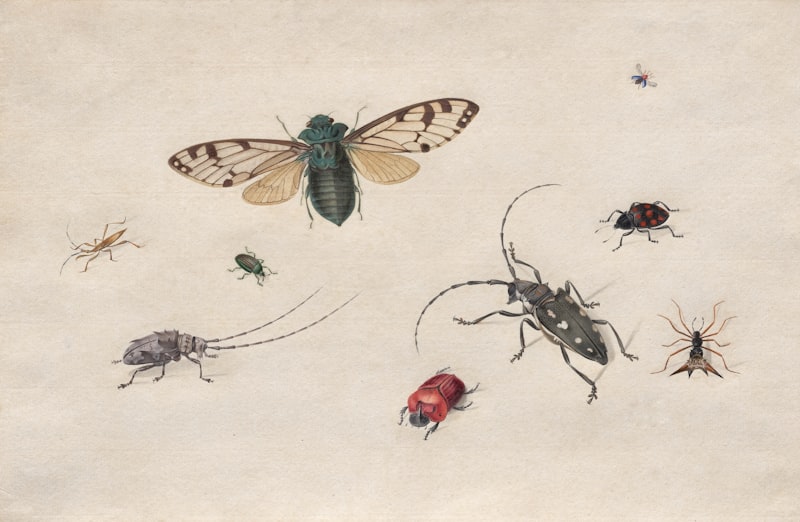
Definition and Scope of Formicophilia
Formicophilia is a specialized term employed within the lexicon of sexual psychology to designate a specific and often intensely focused paraphilia. This condition is characterized fundamentally by a persistent, recurrent, and often exclusive sexual interest, arousal, and pleasure derived from interaction with or observation of small creatures, primarily insects, snails, and other diminutive invertebrates or animals. The scope of this interest is highly particularized, distinguishing it from broader categories of sexual attraction involving animals. It is crucial to understand that the defining characteristic of formicophilia lies not merely in an appreciation for these organisms, but in the inextricable link between their presence, physical contact, or mental visualization, and the attainment of sexual gratification. This arousal mechanism can range from passive fantasy to active, direct engagement, often fulfilling criteria necessary for classification as a fetishistic behavior if the object is required for sexual release.
The core element of this paraphilia involves the interaction of the subject with these small animals, which may include observation of their movements, handling them, or, in more explicit manifestations, placing the creatures directly upon the subject’s skin or, significantly, upon the genitals. The original definition explicitly highlights this potential for localized physical contact, suggesting that the tactile sensation, the perception of movement, or the very vulnerability of the small creature contributes powerfully to the sexual experience. Therefore, formicophilia is not a monolithic concept but encompasses a spectrum of behaviors, ranging from relatively benign fixations centered on fantasy to compulsive actions involving physical risk or harm, though the latter is less frequently documented in clinical settings than other paraphilias.
The nomenclature itself, derived from the Latin word formica, meaning ant, suggests an initial focus on insects, yet clinical understanding has broadened the definition to include mollusks like snails and slugs, and occasionally other extremely small animals. The common thread uniting these objects of attraction is their size, texture, and often their unique locomotion patterns. Understanding the full scope of formicophilia necessitates recognizing that for the affected individual, the smallness and perceived fragility of the creature often plays a paradoxical role, sometimes serving as a source of immense power differential that enhances arousal, or alternatively, as a focal point for highly specific sensory input that is otherwise unattainable through conventional sexual means.
Historical Context and Nosological Challenges
While the study of paraphilias has a long history, formicophilia remains relatively poorly documented in canonical psychiatric and psychological literature compared to more prevalent conditions. Its appearance in medical texts often stems from specific case reports rather than large-scale epidemiological studies, leading to challenges in its formal nosological classification. It is generally categorized within the broader grouping of paraphilias defined by unusual objects or non-human targets of sexual interest. Historically, discussions of zoophilia (sexual attraction to animals) have tended to focus predominantly on interactions with larger mammals, thus often overlooking or subsuming specific interests like formicophilia under a generalized heading, thereby obscuring the unique characteristics of this particular fixation.
Crucially, formicophilia is not listed as a distinct diagnostic category in the latest editions of the American Psychiatric Association’s Diagnostic and Statistical Manual of Mental Disorders (DSM) or the World Health Organization’s International Classification of Diseases (ICD). Instead, if the behavior causes significant distress or impairment to the individual, or involves non-consenting parties (which, in this context, refers to the potential harm to the animals or compulsion in social settings), it would likely be categorized as “Other Specified Paraphilic Disorder” or “Unspecified Paraphilic Disorder.” This lack of specific diagnostic code reflects both the rarity of the condition and the general clinical threshold that mandates that a paraphilia must cause substantial functional impairment or risk before warranting clinical intervention.
The historical evolution of understanding this paraphilia is often tied to early sexological texts that attempted to systematically catalog all forms of atypical sexual expression. These early descriptions, while often judgmental by modern standards, established the primary parameters of the condition: sexual attraction to small animals, particularly those with hard exoskeletons or slimy surfaces. The lack of extensive historical data also suggests that, for many individuals, formicophilic interests may remain exclusively within the realm of private fantasy and behavior, never reaching clinical attention unless associated with significant psychological conflict or if the pursuit of the interest leads to legal or ethical complications regarding animal welfare.
Manifestations and Behavioral Spectrum
The behavioral manifestations of formicophilia are highly varied, reflecting the diverse preferences and psychological landscapes of those affected. At the mildest end of the spectrum, the paraphilia might manifest purely as an elaborate and recurrent sexual fantasy involving small creatures, where physical contact is neither sought nor necessary, but the mental imagery alone is sufficient to induce powerful sexual arousal and facilitate orgasm. These fantasies often center around themes of texture, scale, movement, and the perceived power dynamic between the human and the tiny animal, serving as a substitute for or enhancement of traditional sexual stimuli.
More overt expressions, however, involve direct physical interaction. Individuals might actively seek out specific types of insects—such as beetles, ants, or spiders—or mollusks like snails and slugs, based on their particular tactile qualities. For example, some individuals report intense arousal from the hard, segmented bodies of arthropods, while others are specifically drawn to the smooth, cool, and moist trails left by slugs and snails. The critical and often reported manifestation, as noted in initial descriptions, involves the application of these small creatures onto sensitive areas of the body, including the genitals. This behavior is sought specifically for the unique sensory experience it provides—the crawling sensation, the subtle pressure, or the application of the creature’s natural secretions—all of which serve as highly potent sexual cues.
It is important to differentiate between intentional, controlled interaction and accidental exposure. The formicophilic act is driven by conscious desire and compulsion, where the presence and action of the small animal are integral, and often essential, components of the sexual ritual. These rituals can become highly structured, involving specific environmental conditions, times of day, or types of animals, reinforcing the fetishistic nature of the attraction. Furthermore, the behavior is often linked to feelings of secrecy, shame, or intense pleasure, creating a complex cycle where the atypical nature of the interest itself contributes to the intensity of the arousal, a common mechanism observed across many paraphilias.
Psychological and Theoretical Underpinnings
Understanding the etiology of formicophilia requires considering various psychological theories, though definitive causation remains elusive due to limited research. Psychoanalytic perspectives might suggest that the paraphilia represents a form of fetishistic substitution, where the small animal or insect replaces a more conventional object of desire or serves as a symbolic representation of an unresolved childhood conflict or trauma. The smallness of the creature might symbolize vulnerability, control, or perhaps a powerful, yet hidden, aspect of the self that is projected onto the non-human object.
Behavioral theories, particularly those focusing on conditioning, offer a robust framework for explaining the development of this specific attraction. Formicophilia may originate through a process of classical conditioning, where an initially neutral stimulus (e.g., the tactile sensation of an insect crawling) becomes strongly associated with a state of high sexual arousal during an early, perhaps accidental, experience. If this pairing is intensely rewarding or repeated multiple times, the insect itself transforms into a necessary cue for sexual gratification. This conditioning pathway explains why the specific sensory input—the crawling, the sliminess, or the texture—becomes the primary source of sexual pleasure.
Cognitive theories, meanwhile, focus on the role of cognitive distortions and highly selective attention. Individuals with this paraphilia may develop complex internal narratives or schemas that elevate the significance of the small creature to an object of intense sexual focus, filtering out or dismissing conventional sexual stimuli. Furthermore, the element of secrecy surrounding the paraphilia often reinforces the behavior; the act of engaging in a highly taboo or unusual behavior may itself generate a powerful rush of excitement that becomes intertwined with the sexual response, creating a self-perpetuating cycle of arousal that is difficult to break without therapeutic intervention.
The Critical Role of Sensory Experience
The sensory dimension is perhaps the most critical component differentiating formicophilia from other paraphilias. The arousal is highly dependent on specific, acute sensory input that is typically unavailable through human-human interaction. The most significant sensory component is tactile stimulation. The fine, delicate movement of an insect’s legs, the cool, wet sensation of a snail moving across the skin, or the intermittent pressure exerted by a small creature are all processed as intensely erotic signals. This focus on micro-sensations suggests a heightened sensitivity or a specific neurological gating mechanism where these particular stimuli bypass typical inhibitory processes and directly activate sexual reward centers in the brain.
Beyond touch, visual input plays a vital role. The observation of the creature’s movement—its slow, deliberate progress, or conversely, its frantic scuttling—can be a powerful trigger. The aesthetic qualities of certain insects, such as the colorful exoskeletons of beetles or the smooth, glistening surface of a snail, contribute to the fetishistic attraction. This visual component often facilitates the fantasy element, allowing the individual to mentally manipulate and control the scenario, maximizing the perceived erotic impact of the interaction.
The synthesis of these inputs—tactile, visual, and sometimes even the faint auditory perception of small scratching or scraping sounds—creates a unique, multi-sensory experience that is irreplaceable for the formicophilic individual. The intensity of this sensory reward explains the compulsive nature of the behavior when the paraphilia is strongly entrenched. For those whose arousal hinges on the placement of creatures upon the genitals, the density of nerve endings in these areas amplifies the unique tactile sensation, transforming a simple crawl into a profoundly intense and specific source of sexual interest and gratification that conventional sexual acts cannot replicate.
Ethical, Legal, and Safety Considerations
Formicophilia raises significant ethical and safety concerns, primarily related to the welfare of the animals and the physical health of the individual. Ethically, the deliberate use of small animals or insects for sexual gratification falls into a contentious area, as these creatures are non-consenting participants. While the moral status of invertebrates is debated, the act involves subjecting them to conditions and handling that may cause distress, injury, or death. For individuals whose paraphilia involves repetitive and forceful contact, the potential for harm to the small animals is a serious ethical consideration that often generates internal conflict or external scrutiny.
From a safety standpoint, engaging in activities involving the placement of insects or snails on sensitive skin, particularly the genitals, carries measurable physical risks. Insects can bite, sting, or secrete defensive toxins, leading to severe localized reactions, allergic responses, or systemic illness. Furthermore, both insects and mollusks carry various forms of bacteria, parasites, and fungi that can be transmitted through contact, especially when mucous membranes are involved. Infections, ranging from minor skin irritations to serious parasitic infestations, pose a genuine health hazard, often necessitating medical intervention when the paraphilic behavior is pursued actively and repeatedly.
Legally, while the specific attraction itself is not criminal, any actions resulting in animal cruelty or neglect could lead to prosecution under animal welfare laws. Therefore, when this paraphilia moves beyond private fantasy into active, potentially harmful interaction, it crosses a boundary into areas requiring serious attention, both for the subject’s physical well-being and the legal implications of animal abuse. Counseling often involves educating the individual about these risks and developing coping mechanisms to manage the compulsion without resorting to unsafe or unethical behaviors.
Clinical Implications and Treatment Approaches
While many individuals with atypical sexual interests manage them without significant life disruption, formicophilia becomes clinically relevant when it causes marked personal distress, impairment in social or occupational functioning, or involves significant risk. The distress often stems from the ego-dystonic nature of the paraphilia—the conflict between the sexual urges and the individual’s moral or self-identity. When the behavior becomes compulsive or requires increasing levels of risk or interaction to achieve arousal, professional help is typically warranted.
Treatment for formicophilia, like other paraphilias, generally focuses on cognitive-behavioral therapy (CBT) techniques. The primary goal is not necessarily to eliminate the underlying attraction, which may be deeply ingrained, but to manage the compulsion and replace problematic behaviors with healthier coping strategies. Specific techniques include Aversion Therapy, where the paraphilic stimulus is paired with unpleasant consequences, though this method is used less frequently today due to ethical considerations and mixed efficacy. More common is Covert Sensitization, where the individual repeatedly visualizes the undesirable act followed immediately by negative consequences (e.g., severe infection or discovery), thus associating the fantasy with distress rather than pleasure.
Furthermore, cognitive restructuring plays a vital role, helping the individual identify and challenge the distorted thinking patterns that reinforce the compulsion. For example, therapists work to dismantle the belief that sexual pleasure is only attainable through interaction with small animals. Pharmacological interventions, specifically selective serotonin reuptake inhibitors (SSRIs), may be used in conjunction with therapy to reduce overall sexual drive or manage underlying comorbid conditions such as anxiety or obsessive-compulsive disorder, which often contribute to the compulsive nature of the paraphilic behavior. Long-term treatment emphasizes relapse prevention and developing alternative, consensual, and safe methods of achieving sexual satisfaction.