Olfactory Psychology: Scents That Unlock Hidden Memories
Scientifically Reviewed · Dr. Marwa Abd-Alazim · September 16, 2026
Review Criteria & Clinical Standards
This content undergoes rigorous scientific peer-review and medical editorial standards at Arab Psychology Network to ensure clinical accuracy, validity, and compliance with evidence-based guidelines from leading psychological and healthcare authorities (APA / WHO).
Fragrance: A Comprehensive Overview
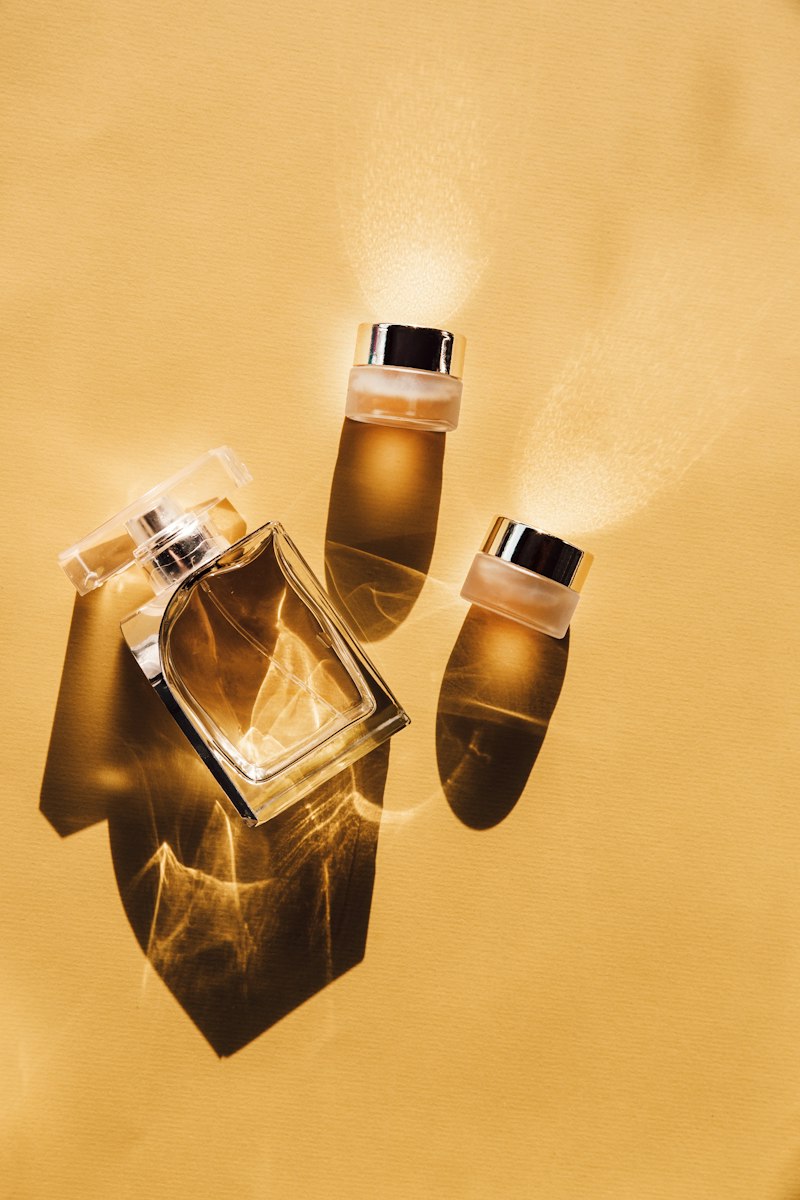
Fragrance, often referred to as scent, aroma, or perfume, constitutes a highly complex matrix of volatile chemical compounds that interact with the human olfactory system. This interaction triggers powerful sensory perceptions capable of profoundly influencing mood, emotion, and the retrieval of autobiographical memory. Far from being a mere luxury or cosmetic accessory, fragrance is an integral element of modern life, embedded within an extensive array of consumer products, including body lotions, fine perfumes, candles, air fresheners, cleaning agents, and even specialized food and beverage flavorants. The deliberate manipulation and application of scent have roots stretching deep into antiquity, but recent advancements in organic chemistry, neurobiology, and extraction technology have transformed perfumery into a sophisticated multidisciplinary science. This comprehensive review explores the fundamental architecture of fragrance components, details its pervasive applications, and analyzes the significant psychological and physiological effects exerted upon the human body.
The study of fragrance resides at the intersection of chemistry and neuroscience, a field increasingly vital to understanding human behavior and environmental interaction. The evocative power of scent is attributed to the direct connection between the olfactory bulb and the limbic system—specifically the amygdala (involved in emotion processing) and the hippocampus (crucial for memory formation). This unique neurological pathway distinguishes olfaction from other sensory modalities, which typically route through the thalamus before reaching cortical areas. Consequently, scents often bypass rational cognitive processing, leading to immediate and potent affective responses. The global fragrance industry is a multi-billion dollar enterprise, driven by the consumer demand for products that enhance personal appeal, signal cleanliness, or modify the ambient atmosphere, reinforcing the profound cultural and economic significance of odor perception.
Understanding the mechanisms of scent perception requires appreciating the volatile nature of the chemical compounds involved. These molecules must be light enough to be aerosolized and inhaled, yet robust enough to bind selectively to olfactory receptors located within the nasal epithelium. The resulting perception is not the result of a single compound but a meticulously orchestrated mixture, designed to unfold over time, creating a sensory narrative. The mastery of this narrative—the creation of a balanced, aesthetically pleasing, and stable aromatic profile—is the hallmark of expert perfumery, demanding both artistic intuition and rigorous scientific control over chemical interactions and volatility rates.
Historical Context and Evolution of Perfumery
The utilization of fragrant materials dates back thousands of years, primarily serving ritualistic, medicinal, and religious purposes before transitioning into personal adornment. Ancient civilizations, notably the Egyptians, were pioneers in the art of scent, employing aromatic resins, balsams, and oils—such as frankincense and myrrh—in religious ceremonies, embalming processes, and daily life. The early forms of fragrance were solid unguents or infused oils, as distillation techniques were not yet widespread. These early mixtures often carried strong cultural and symbolic weight, signifying purity, status, or connection to the divine, demonstrating that the link between scent and meaning is deeply ingrained in human history.
During the Hellenistic and Roman periods, the use of perfumes expanded rapidly, becoming a marker of affluence and bathing culture. However, it was the intellectual centers of the Islamic world during the Middle Ages that revolutionized fragrance production through the refinement of steam distillation, largely credited to the Persian physician and chemist, Avicenna. This innovation allowed for the efficient extraction of essential oils and floral waters (hydrosols), producing cleaner, more concentrated aromatic substances than could be achieved through simple pressing or infusion. This technological leap was crucial for the eventual establishment of modern perfumery, enabling the transport and trade of highly refined aromatic ingredients across continents.
The modern era of perfumery truly began in 17th-century Europe, with centers like Grasse, France, and Cologne, Germany, becoming global hubs for cultivation and manufacture. Initially focused on natural extracts, the industry underwent a dramatic transformation in the late 19th century with the advent of organic chemistry. The ability to synthesize novel aroma compounds, such as vanillin and coumarin, democratized fragrance, offering perfumers an unprecedented palette of consistent, stable, and cost-effective notes previously unavailable or too expensive to source naturally. This shift marked the transition from simple natural compositions to the complex, layered chemical formulations that define contemporary fine fragrance.
The Chemical Architecture of Fragrance Components
A fragrance formulation is fundamentally a precisely balanced chemical system, typically comprising three essential categories of materials: essential oils (natural extracts), synthetic aroma compounds, and solvents. Each component plays a specific role in defining the scent profile, stability, longevity, and overall projection of the final product. The careful selection and blending of these ingredients determine the quality and character of the perfume, often referred to as its “sillage” or trail.
Essential oils represent the volatile aromatic components derived directly from botanical sources—including flowers, leaves, bark, roots, and fruits. These highly concentrated natural extracts are obtained primarily through three methods: steam distillation (for materials like lavender or cedarwood), expression or cold pressing (typically for citrus oils), and solvent extraction (producing absolutes from delicate materials like jasmine or tuberose). Essential oils are valued for their complex, nuanced profiles, often containing hundreds of different chemical constituents. However, their reliance on agriculture means they are subject to variability in crop yield, quality, and cost, prompting the industry’s reliance on synthetic counterparts for consistency.
Aroma compounds, or synthetic ingredients, are molecules created in a laboratory to either replicate natural scents precisely (e.g., synthetic musk) or to introduce novel, non-existent odors (e.g., certain aquatic or metallic notes). These synthetic compounds offer several advantages: they ensure consistency regardless of environmental factors; they allow for the use of scents that are too expensive or too difficult to extract naturally; and, crucially, they provide ethical alternatives to animal-derived ingredients (such as civet or natural musk). Common synthetic aroma compounds include aldehydes, esters, and synthetic terpenes, which form the structural backbone of most modern fragrances, providing stability and excellent performance in varied product bases.
The third critical element is the solvent, which serves to dissolve the concentrated essential oils and aroma compounds, creating a fluid base that allows for application and dispersion. The most common solvent in fine perfumery is ethanol (ethyl alcohol), often highly purified, as it evaporates quickly without leaving a heavy residue, thus allowing the aromatic molecules to project effectively. Other solvents, such as propylene glycol or various fixed oils, are utilized when alcohol is undesirable, such as in solid perfumes or specific cosmetic formulations. The concentration ratio of the aromatic mixture to the solvent determines the fragrance classification, ranging from highly concentrated Parfum to lighter Eau de Toilette or Eau de Cologne.
The Olfactory Mechanism: From Molecule to Perception
The human sense of smell, or olfaction, is initiated when volatile odorant molecules are inhaled and travel up to the olfactory epithelium, a patch of tissue located in the upper part of the nasal cavity. This epithelium contains millions of specialized sensory neurons, known as Olfactory Receptor Neurons (ORNs), which possess cilia covered with receptor proteins. Humans possess approximately 400 functional olfactory receptor genes, allowing the system to detect and potentially differentiate between trillions of distinct odor combinations, demonstrating the extraordinary sensitivity and complexity of this sensory system.
The process of perception begins with the chemical binding: an odorant molecule fits into one or more specific receptor sites on the ORNs. This binding event triggers an electrical signal that transmits information directly to the olfactory bulb, located on the underside of the brain. The olfactory bulb acts as a relay station, where incoming signals are organized and transmitted deeper into the brain structures responsible for processing emotion and memory. Unlike other sensory information, which is first filtered by the thalamus, olfactory signals have a unique and immediate access pathway to the limbic system, explaining why scent is so closely tied to affective experience.
Within the limbic system, the signals are processed by the amygdala, which assesses the emotional salience of the odor (e.g., pleasant, threatening, or neutral), and the hippocampus, which contextualizes the odor, associating it with specific memories, locations, and events. This direct anatomical connection is the neurological basis for the robust phenomenon known as the “Proustian memory effect,” where a sudden whiff of a particular scent can elicit a vivid, often emotional, recollection of the past. The intricate coding mechanism—whereby a single odor activates a specific, sparse pattern across many different receptor types—allows the brain to distinguish subtle differences in molecular structure, leading to highly differentiated and complex scent perception.
Diverse Applications of Scent Technology
The application of fragrance technology extends far beyond personal grooming, permeating numerous sectors where sensory input is leveraged to influence consumer behavior, enhance product performance, or improve environmental quality. The versatility of fragrance chemicals allows them to be incorporated into matrices ranging from solid polymers to highly aqueous solutions, ensuring their presence in virtually every corner of the consumer market.
In the realm of personal care and cosmetics, fragrance serves primarily a hedonistic function, contributing significantly to a product’s appeal and consumer loyalty. Fine fragrances (perfumes, colognes) are formulated for their projection and longevity, aiming to create a unique personal signature. Conversely, fragrances in functional products, such as shampoos, body washes, and deodorants, serve a dual purpose: they must smell pleasant during use, enhancing the user experience, and they must often work to mask the inherent malodors of the product base or the odors associated with human bodily functions, effectively signaling cleanliness and freshness.
Beyond the body, scent plays a critical role in household and environmental modification. Cleaning products rely heavily on fragrance to communicate efficacy; consumers often equate the strong scent of citrus or pine with potent disinfecting power, even if the fragrance itself is chemically inert in terms of sanitation. Furthermore, ambient scenting or scent marketing has become a sophisticated tool in retail and hospitality sectors. Specific signature scents are diffused into environments to create a positive, memorable brand association, influence dwell time, and potentially encourage purchasing behavior, exploiting the direct link between olfaction and the limbic system.
A less obvious but highly significant application lies in the flavor industry. Flavor is inherently a composite sense, deriving approximately 80% of its perceived quality from retronasal olfaction (the perception of volatile compounds traveling from the mouth up to the olfactory receptors). Fragrance chemistry is therefore central to creating and enhancing food and beverage flavors, from synthetic fruit essences used in candies and sodas to complex savory notes in prepared foods. The ability to generate stable, concentrated, and food-safe aroma compounds is vital for ensuring consistency and palatability in mass-produced foodstuffs globally.
Psychological and Cognitive Effects of Olfactory Stimuli
The documented psychological effects of fragrance are extensive, stemming from both innate responses to certain molecules and, more frequently, from powerful learned associations and conditioning. Research consistently demonstrates that olfactory stimuli can significantly influence emotional states, cognitive function, and levels of anxiety. For instance, studies have found that exposure to certain floral or herbal scents, such as lavender or chamomile, can induce measurable states of relaxation and reduce subjective feelings of stress, potentially due to their impact on the autonomic nervous system.
The use of scent to improve mood and reduce anxiety is a cornerstone of clinical research in aromachology. The psychological benefits are often mediated by context; if a scent is associated with a pleasant memory or a safe environment, its reintroduction can trigger a positive affective response, a principle utilized in therapeutic settings. For example, specific aromas have been shown to interrupt negative rumination and provide a temporary distraction, offering a non-pharmacological means of modulating psychological distress. This area of study is critical for developing personalized scent profiles aimed at maximizing psychological well-being.
Furthermore, olfactory cues have demonstrated the ability to impact cognitive performance. While highly complex fragrances can sometimes be distracting, simple, focused scents have been linked to improved alertness, attention, and working memory. For instance, studies focusing on peppermint or certain citrus notes have shown transient improvements in task performance and a reduction in perceived mental fatigue. This effect is often attributed to the stimulating action of these volatiles on central nervous system activity, helping to sustain vigilance during prolonged or monotonous tasks, highlighting the potential for fragrance integration in educational or occupational settings.
Physiological and Therapeutic Implications (Aromachology)
Beyond the psychological realm, fragrance has been found to elicit measurable physiological responses, forming the basis of therapeutic applications in fields like clinical aromachology. These effects involve changes in measurable biological markers, including heart rate variability, blood pressure, skin conductance, and the levels of circulating stress hormones. Several key studies have documented these physiological impacts, providing objective evidence for the claims often associated with aromatherapy practices.
Specifically, research has focused on the ability of certain aromas to modulate the stress response. The inhalation of calming essential oils has been shown to reduce levels of cortisol, the primary stress hormone, thereby mitigating the physiological consequences of chronic stress (Gobel & Schulte, 2007). This physiological calming effect is believed to be mediated by the direct influence of olfactory input on the hypothalamus and pituitary gland, central regulators of the body’s stress axis. The subsequent reduction in sympathetic nervous system activation promotes a state of physiological rest and recuperation.
The therapeutic potential also extends to pain management and sleep quality. Studies have indicated that scent can interact with the body’s endogenous pain control systems. For example, research into the mechanisms of placebo analgesia suggests that expectation activated by sensory cues, including scent, can trigger opioid system activity, demonstrating a potential neuropharmacological role for olfaction in pain modulation (Amanzio & Benedetti, 1999). Furthermore, fragrances known for their relaxing properties have been empirically linked to improvements in sleep onset latency and overall sleep efficiency, particularly in vulnerable populations such as the elderly, demonstrating a clear physiological benefit (Gobel & Schulte, 2007).
Safety, Regulation, and Modern Challenges
Despite the widespread use and proven benefits of fragrance, the industry faces significant challenges related to safety, regulation, and environmental impact. Because fragrance formulations often contain dozens or even hundreds of chemical components, they pose potential risks, primarily concerning skin sensitization, contact allergies, and respiratory irritation. Many common fragrance ingredients are classified as potential allergens, requiring careful control and restriction in consumer products to protect public health.
To address these concerns, the fragrance industry operates under the self-regulatory framework established by the International Fragrance Association (IFRA), supported by scientific research from the Research Institute for Fragrance Materials (RIFM). IFRA sets standards for the safe use of fragrance ingredients, issuing prohibitions or restrictions based on toxicity and allergenicity data. However, the requirement for regulatory compliance is complex due to varying global standards and the confidential nature of fragrance formulas, often protected as proprietary trade secrets under the umbrella term “fragrance” or “parfum” on ingredient labels. This lack of ingredient transparency remains a primary concern for consumers with severe sensitivities.
Furthermore, the sourcing of natural fragrance materials presents ethical and environmental challenges. Over-harvesting of certain rare botanicals, such as sandalwood or certain orchids, leads to sustainability issues and biodiversity loss. The industry increasingly relies on biotechnology, synthesizing natural compounds using fermentation or other green chemistry techniques, to reduce reliance on vulnerable natural resources. Addressing these sustainability concerns, alongside the ongoing need for rigorous safety testing and greater ingredient disclosure, represents the future regulatory focus for the global fragrance market.
Conclusion
Fragrance is a sophisticated blend of art and applied science, constituting a complex chemical matrix of essential oils, aroma compounds, and solvents designed to interact powerfully with the human olfactory system. Its applications are ubiquitous, ranging from high-end perfumes and colognes to essential additives in personal care and household cleaning products, fundamentally shaping consumer perception and environmental ambience.
The influence of fragrance extends far beyond mere aesthetic pleasure; compelling evidence demonstrates significant psychological benefits, including the reduction of anxiety and the enhancement of mood, alongside measurable physiological impacts such as stress reduction and improved sleep quality. The direct neurological link between scent and the limbic system underscores fragrance’s unique capacity to evoke powerful memories and emotional responses, making it a valuable tool in therapeutic and behavioral science contexts.
While the industry continues to innovate, particularly in sustainable sourcing and synthetic compound development, ongoing attention to safety standards (driven by organizations like IFRA) and demands for greater ingredient transparency are paramount. Further interdisciplinary research—combining chemistry, neuroscience, and clinical psychology—is crucial to fully unlock the therapeutic potential of olfactory stimuli and to better understand the nuances of how fragrance interacts with the human body and mind.
References
- Amanzio, M., & Benedetti, F. (1999). Neuropharmacological dissection of placebo analgesia: Expectation-activated opioid systems versus conditioning-activated specific subsystems. Journal of Neuroscience, 19(1), 484-494.
- Gobel, I., & Schulte, T. (2007). The effects of perfume on sleep quality and fatigue in elderly persons. International Journal of Geriatric Psychiatry, 22(1), 33-38.
- Moss, M., & Oliver, G. (1996). Aromatherapy and psychological well-being: A randomized controlled trial. International Journal of Aromatherapy, 6(1), 27-32.