Tactile Sensitivity: Measuring Your Limits of Perception
Scientifically Reviewed · Dr. Marwa Abd-Alazim · September 11, 2026
Review Criteria & Clinical Standards
This content undergoes rigorous scientific peer-review and medical editorial standards at Arab Psychology Network to ensure clinical accuracy, validity, and compliance with evidence-based guidelines from leading psychological and healthcare authorities (APA / WHO).
Introduction and Definition
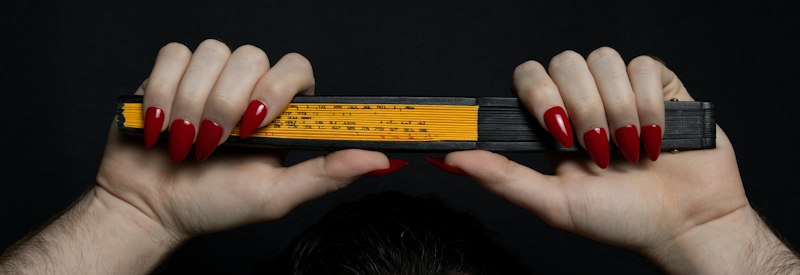
The Frey Esthesiometer is a highly specialized scientific instrument employed across psychology, neurology, and physiology to precisely quantify the sensitivity of the skin to mechanical pressure. Fundamentally, this device is utilized to measure the minimum intensity of pressure stimulus required to elicit a recognizable sensation or perception of touch on a specific dermal surface area, thereby establishing the tactile threshold for that region. This threshold represents the critical point at which the subject reliably transitions from sensing no stimulus to registering the presence of light touch, providing an objective measure of the functioning of the underlying somatosensory receptors and peripheral nerve pathways. The device itself is elegantly simple in its construction, relying on principles of mechanical physics to ensure standardization of stimulus delivery, a critical component necessary for reproducible scientific results in psychophysics.
Developed originally by the German physiologist Max von Frey in the late nineteenth century, the esthesiometer revolutionized the study of touch by providing a method that surpassed earlier, less standardized techniques which often relied on subjective estimation or poorly controlled weights. The core innovation lies in the use of calibrated filaments or bristles, each designed to exert a known and consistent force when applied correctly. This transition to standardized measurement allowed researchers and clinicians alike to map the sensitivity of the human body with unprecedented accuracy, correlating specific sensory deficits with neurological conditions or anatomical changes. The concept is rooted in the understanding that varying skin regions possess differing densities of mechanoreceptors, meaning a single, universal tactile threshold does not exist across the entire body, necessitating precise, localized measurement capabilities which the esthesiometer provides.
The operational mechanism of the esthesiometer is centered on its defining feature: the filament, which is typically constructed of nylon, horsehair, or other materials with predictable elastic properties. When the tip of the bristle contacts the skin, pressure is applied until the filament bends or buckles. Crucially, the force exerted by the filament upon the skin remains constant once buckling occurs, irrespective of how much farther the operator attempts to press the filament down. This self-limiting pressure mechanism ensures that the stimulus delivered is fixed and quantifiable for each specific filament used, allowing for the creation of a graded series of instruments representing a wide range of quantifiable pressures, usually expressed in units of milligrams or grams of force per square millimeter, or increasingly, in milliNewtons.
Historical Context and Development
The systematic investigation of cutaneous sensation began earnestly in the mid-to-late nineteenth century, spurred by the general rise of experimental psychology and psychophysics, particularly the work of researchers attempting to establish quantitative relationships between physical stimuli and psychological experience. Before Max von Frey’s intervention, measurements of touch were crude; often, researchers attempted to use small weights or standardized needles, but these methods were plagued by issues of consistency, as the force delivered depended heavily on the angle of application, the speed of contact, and the firmness of the underlying tissue. This variability made cross-study comparisons almost impossible and limited the clinical utility of the findings regarding tactile sensitivity.
Max von Frey addressed this fundamental methodological flaw by introducing a device that decoupled the force delivered from the operator’s manual dexterity. His genius lay in recognizing that the force required to make a thin, elastic filament buckle is a function only of its physical dimensions and material properties, provided the length is constrained. By meticulously calibrating a series of horsehairs and later, synthetic filaments, von Frey established a reliable series of stimuli, each representing a unique, known pressure point. This development was crucial because it provided the first truly standardized tool for assessing the mechanical threshold of touch, enabling the accurate mapping of sensation across the body surface and facilitating the identification of areas sensitive to light touch, pressure, and pain.
Von Frey’s early work utilized short segments of horsehair, which required delicate handling and frequent recalibration due to environmental factors like humidity affecting the hair’s elasticity. Despite these initial practical limitations, the concept proved robust, allowing him to demonstrate that different parts of the skin exhibit differential sensitivity—a finding critical to the development of the theory regarding specific sensory spots, where certain areas of the skin were dedicated exclusively to the perception of pressure, temperature, or pain. The esthesiometer, therefore, was not merely a measuring tool but an investigative instrument that helped solidify the modern understanding of the discrete nature of cutaneous sensory receptors and their specialized functions.
The enduring legacy of von Frey’s work is evident in the modern clinical standard, the Semmes-Weinstein Monofilaments (SWM), which are essentially sophisticated, highly standardized nylon versions of the original horsehair device. Developed decades later, the SWM set maintains the core principle of the esthesiometer—using graded filaments that buckle at predetermined forces—but offers enhanced durability and precision due to advances in synthetic material science. This evolution ensures that the fundamental mechanism developed by von Frey remains the gold standard for clinical measurement of light touch and pressure sensitivity, particularly in diagnosing neurological impairments.
Principles of Operation and Mechanism
The operational integrity of the Frey Esthesiometer relies entirely on the principle of column buckling, a concept derived from materials engineering. When an elastic column, such as a thin nylon filament, is compressed axially (straight down), it will maintain its structural integrity up to a certain critical load. Once this load is exceeded, the column instantaneously yields and buckles, initiating a bend. The crucial physical characteristic is that the force exerted by the filament on the surface it is touching reaches its maximum capacity precisely at the moment of buckling, and this maximum force is maintained regardless of further displacement by the operator. This ensures the delivery of a consistent, repeatable pressure stimulus.
The force exerted by any given filament is determined by three primary physical variables: the material’s Young’s modulus (elasticity), the length of the free-standing filament, and, most critically, the diameter of the filament. By systematically varying the diameter, manufacturers can create an array of filaments that buckle and deliver forces spanning several orders of magnitude, typically ranging from forces so light that they are barely perceptible (used for diagnosing very mild neuropathies) to forces strong enough to cause tissue displacement or even pain (used for assessing high-threshold mechanical perception). The standardization process involves precisely measuring the force delivered by each filament using electronic force transducers to ensure its accuracy before clinical use.
When conducting a measurement, the operator must apply the filament perpendicular to the skin surface, ensuring that the tip maintains contact only until the filament visibly bends, a process that should take approximately 1.5 to 2 seconds. The force delivered is localized to the small contact area of the filament tip, allowing for a precise calculation of the pressure applied (Force divided by Area). This high degree of localization is vital because the density and type of mechanoreceptors (such as Meissner’s corpuscles, Merkel’s discs, or Pacinian corpuscles) vary significantly even across small patches of skin, meaning that a diffuse stimulus would fail to accurately measure the function of specific receptor types.
The array of filaments is typically employed sequentially, starting with the lightest filament, until the subject consistently reports sensing the touch. This methodology, often integrated into a psychophysical technique such as the Method of Limits or the Staircase Method, allows the investigator to determine the absolute threshold for tactile sensation—the force level at which the subject reports detection 50% of the time. This quantitative measurement is far superior to qualitative assessments, providing reliable data for tracking disease progression, assessing nerve regeneration, or determining the efficacy of therapeutic interventions aimed at improving sensory function.
Calibration and Standardization
The reliability of the Frey Esthesiometer relies entirely on rigorous calibration and standardization procedures, ensuring that the force values assigned to each filament are accurate and consistent across different devices and laboratories. Early versions using natural materials like horsehair suffered from inherent variability; however, modern esthesiometers, especially the Semmes-Weinstein monofilaments (SWM), utilize highly engineered nylon polymers selected for their consistent elastic properties and resistance to environmental fluctuations. Each filament in a standard clinical kit is color-coded and labeled, corresponding to a specific force measured in grams (e.g., the 4.17 filament corresponds to a pressure threshold of 1.4 grams of force, typically considered the protective sensation threshold).
The process of standardization involves subjecting newly manufactured filaments to precise laboratory measurement using highly sensitive load cells or electronic force gauges. The filament is mounted and pressed down onto the gauge, and the maximum force exerted immediately prior to and during the buckling phase is recorded. This process is repeated numerous times to establish a statistically reliable mean force value for that specific filament diameter. If the measured force deviates significantly from the target force value assigned to that filament size, the batch is rejected, highlighting the stringent quality control required to maintain clinical relevance.
Furthermore, clinical and research protocols dictate that esthesiometers must be periodically checked for wear and tear, as repeated use can fatigue the nylon, altering its elasticity and thus changing the force required for buckling. Filaments can also be damaged by improper cleaning or storage. Institutions using esthesiometers are required to maintain strict protocols for replacement and verification of the filaments, often comparing them against a factory-certified reference set. This dedication to maintenance ensures that when a clinician uses the instrument to assess, for example, the loss of protective sensation in a diabetic patient’s foot, the measurement is accurate and reflective of the true neurological status, rather than instrument error.
Applications in Clinical Psychology and Neurology
The Frey Esthesiometer serves as an indispensable tool in clinical medicine, primarily within the fields of neurology and physical therapy, providing a quantitative, non-invasive method for assessing the status of large-fiber peripheral nerve function. Its most critical application is the early diagnosis and ongoing monitoring of peripheral neuropathy, a condition characterized by damage to the peripheral nerves, often stemming from systemic diseases such as diabetes mellitus, leprosy, or chronic alcoholism. For diabetic patients, the inability to perceive the pressure exerted by a specific, standardized filament (typically the 5.07 monofilament, representing 10 grams of force) is a widely accepted indicator of the loss of protective sensation, which places the patient at high risk for developing ulcers, infections, and subsequent amputations due to unnoticed injury.
Beyond diabetic screening, the esthesiometer is widely utilized in trauma and rehabilitation settings. Following a localized nerve injury, such as a laceration or crush injury, the device is used to meticulously map the boundaries of sensory loss and, crucially, to track the recovery of nerve function over time. As regenerating axons slowly grow back into the affected skin territory, the tactile threshold decreases—meaning the patient begins to perceive lighter and lighter filaments. This quantitative tracking provides objective evidence of neural regeneration, guiding therapeutic decisions regarding physical therapy intensity or surgical intervention timing. The ability to distinguish between different levels of sensory loss across various dermatomes allows neurologists to pinpoint the location and severity of nerve root compression or spinal cord injury.
In research psychology, the esthesiometer is fundamental for studies exploring aspects of tactile perception, including sensory adaptation, spatial acuity, and the influence of cognitive factors on touch. Researchers use the device to establish baseline thresholds before and after experimental manipulations, such as exposure to sensory deprivation or pharmacological agents that modulate neural excitability. For instance, studies investigating the plasticity of the somatosensory cortex often rely on esthesiometry to document changes in peripheral sensitivity resulting from intensive training or injury. This application demonstrates the versatility of the instrument, bridging basic psychophysical research with practical clinical outcomes.
Furthermore, in occupational medicine and forensic assessments, the esthesiometer provides objective data necessary for evaluating sensory disability and impairment claims related to workplace injuries or chronic pain syndromes. By establishing a quantifiable measurement of sensory loss, the device helps differentiate between genuine neurological impairment and subjective symptom reporting. The high level of standardization inherent in the Frey esthesiometer makes the resulting data legally and medically defensible, reinforcing its role as a cornerstone diagnostic instrument in the evaluation of the integrity of the peripheral nervous system.
Methodology of Use
The accurate use of the Frey Esthesiometer requires adherence to a strict methodology to minimize environmental variables and operator bias, ensuring the measurement reflects the true physiological threshold of the subject. Preparation begins by ensuring the subject is comfortable, relaxed, and visually shielded from the procedure, typically through the use of a blindfold or by directing their gaze away from the area being tested. The testing environment should be quiet and temperature-controlled, as sudden temperature shifts or auditory distractions can influence the subject’s ability to concentrate and accurately report sensation. The specific area of the skin to be tested must be clean, dry, and free from calluses or excessive hair, which could interfere with the direct transmission of force to the mechanoreceptors.
The actual application of the filament requires precision. The operator must hold the filament perpendicular to the skin surface, ensuring that only the tip makes contact. The pressure is applied smoothly and gradually until the filament is observed to bend or buckle. This buckling should occur over approximately 1.5 seconds, and the filament should be held in the buckled state for a maximum of 1 to 1.5 seconds before being lifted. Importantly, the filament should be applied just outside the testing site and then moved to the site, rather than dragging the tip across the skin, which could introduce extraneous shearing forces. The subject is typically instructed to respond verbally (e.g., “Yes” or “Now”) immediately upon feeling the touch, and the absence of sensation must be confirmed by asking the subject if they felt anything after the filament is removed.
To determine the tactile threshold, a systematic approach using the graded series of filaments is mandatory. While various psychophysical methods exist, a common clinical approach involves the method of descending and ascending limits, or a modified staircase procedure. For instance, the operator might start with a filament that is known to be perceived and then proceed to progressively lighter filaments until the subject fails to perceive the touch reliably. This process is then reversed, ascending from a non-perceived stimulus to a perceived one. The threshold is typically defined as the lightest force (smallest filament) that the subject can correctly identify in 50% of trials, usually requiring three out of five correct responses at a specific force level to confirm perception.
Documentation of the results is critical. The threshold measurement, identified by the specific gram force or monofilament number, must be meticulously recorded alongside the anatomical location tested (e.g., dorsal aspect of the great toe, volar surface of the index finger). Furthermore, it is essential to record the subject’s response quality—whether the touch was clearly perceived or felt as a vague pressure—as this qualitative data can sometimes provide supplementary insights into the nature of the neurological damage. Comparative measurements across symmetrical body parts (e.g., comparing the left foot to the right foot) are fundamental to identifying unilateral nerve damage or asymmetrical neuropathy.
Advantages and Limitations
The enduring clinical relevance of the Frey Esthesiometer stems from several significant advantages, primarily its simplicity, cost-effectiveness, and the high degree of force standardization achieved through its buckling mechanism. Unlike complex electronic testing devices, the esthesiometer is portable, requires no power source, and can be easily sterilized and maintained, making it ideal for use in diverse clinical settings, including remote or resource-limited environments. The quantitative data it yields is objective and easily interpretable, providing a rapid assessment of large-fiber sensory function that is essential for proactive patient management, especially concerning high-risk conditions like diabetic foot syndrome. The fixed, reproducible force delivered by each filament eliminates operator variability associated with manual pressure application, ensuring that differences in results are attributable to the subject’s physiological status rather than the testing technique.
However, the esthesiometer is subject to several inherent limitations that must be considered during interpretation. First, the measurement relies heavily on the subject’s cooperation and subjective report. Patients who are confused, severely cognitively impaired, or attempting to exaggerate or minimize their symptoms may provide unreliable results, which necessitates careful clinical judgment alongside the quantitative findings. Second, while the device excels at measuring static touch pressure thresholds, it is generally ineffective for assessing other critical aspects of somatosensation, such as two-point discrimination, vibration sensitivity (which requires a tuning fork or biothesiometer), or rapid adaptation characteristics (dynamic touch), thereby requiring supplementation with other testing modalities for a complete sensory profile.
Another significant limitation relates to the maintenance and durability of the filaments. Despite the use of synthetic materials, the nylon filaments are susceptible to fatigue, bending, and warping over time or if stored improperly, which can subtly yet significantly alter the calibrated force they deliver. Furthermore, while the SWM set provides an excellent measure of protective sensation, the discrete nature of the filament set (a limited number of pressure points) means that it cannot provide a truly continuous measure of the pressure-response curve, potentially missing subtle transitions in sensitivity that might be captured by more sophisticated electronic instruments capable of continuous force adjustment. Careful clinical practice mandates that these limitations be recognized and addressed through regular quality checks and the integration of esthesiometry results with the full clinical picture.
Modern Variations and Future Directions
The most widespread modern iteration of the classic Frey Esthesiometer is the Semmes-Weinstein Monofilament (SWM) set, which has become the de facto standard for clinical assessment globally, replacing the older horsehair versions entirely. These sets typically include five to twenty calibrated nylon filaments, neatly housed in protective casings, allowing for easy selection and application of forces ranging from the extremely light (0.008 grams) to the moderately heavy (300 grams). The standardization and packaging of the SWM have significantly improved the portability and reliability of tactile threshold measurement, making large-scale screening for sensory loss, such as in public health campaigns targeting diabetes management, highly feasible and practical.
Beyond the SWM, technological advancements have led to the development of electronic and computerized esthesiometers, often referred to as dynamic or quantitative sensory testing (QST) devices. These electronic variants utilize a motorized probe and highly accurate force transducers to apply pressure, offering several advantages: they can deliver a continuous, non-discrete range of forces; they eliminate the need for manual observation of the buckling point; and they can precisely control the rate of force application and duration. Furthermore, these computerized systems often integrate data acquisition and analysis software, allowing for automatic determination of the 50% threshold via sophisticated algorithms, thereby eliminating much of the subjective interpretation inherent in manual testing.
Future directions in tactile assessment are focused on enhancing the precision and specificity of the measurement, moving beyond simple static pressure thresholds. Research is ongoing into combining esthesiometry with advanced neuroimaging techniques, such as functional Magnetic Resonance Imaging (fMRI), to correlate changes in peripheral tactile thresholds directly with corresponding alterations in somatosensory cortical activation. This integration aims to provide a deeper understanding of central nervous system processing of mechanical stimuli, particularly in chronic pain conditions where peripheral input may be amplified or distorted centrally.
Ultimately, while electronic devices offer higher resolution and automation, the fundamental principle pioneered by Max von Frey—the use of a simple, calibrated force delivered consistently to measure the skin’s responsiveness—remains the foundation of clinical tactile assessment. The simplicity and accessibility of the physical esthesiometer ensure its continued role as the primary front-line tool for diagnosing critical sensory deficits, while research continues to push the boundaries toward fully automated, multi-modal systems capable of mapping the entire spectrum of somatosensory function.
- Key Applications:
- Diagnosis of diabetic peripheral neuropathy.
- Mapping sensory deficits following nerve trauma or surgery.
- Assessment of nerve regeneration progress.
- Research into psychophysics and tactile perception.
In summary, the Frey Esthesiometer, in its various historical and contemporary forms, remains a pivotal device for quantitatively assessing the mechanical sensitivity of the skin. By standardizing the pressure stimulus using calibrated filaments that bend upon contact, it provides an objective, reliable measure of the tactile threshold, essential for both clinical diagnosis and foundational research into the complexities of the human sense of touch.