Functional Amblyopia: Why Your Brain Ignores Your Vision
Scientifically Reviewed · Dr. Marwa Abd-Alazim · September 24, 2026
Review Criteria & Clinical Standards
This content undergoes rigorous scientific peer-review and medical editorial standards at Arab Psychology Network to ensure clinical accuracy, validity, and compliance with evidence-based guidelines from leading psychological and healthcare authorities (APA / WHO).
An Overview of Functional Amblyopia
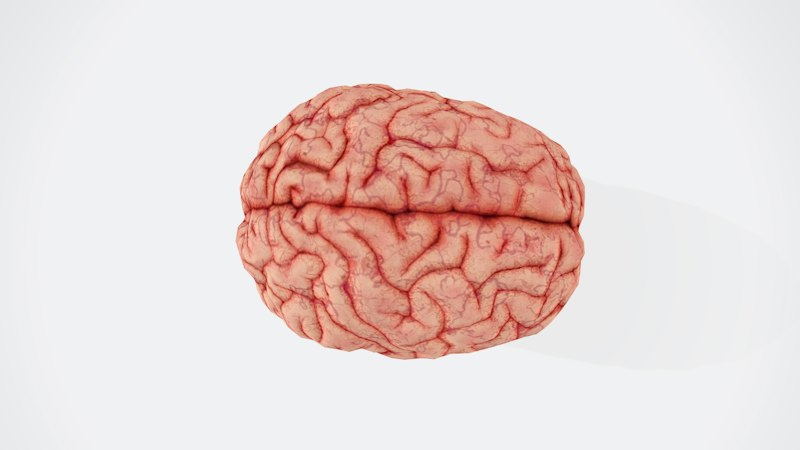
Functional amblyopia is a neurodevelopmental disorder of the visual system characterized by a deficit in the visual acuity of one or, more rarely, both eyes. This condition occurs despite the absence of any detectable structural or organic abnormalities in the ocular anatomy, such as the retina or the optic nerve. Traditionally referred to as “lazy eye,” functional amblyopia arises from an interruption in normal visual development during early childhood, leading the brain to favor one eye over the other. This preference results in the active suppression of the input from the non-dominant eye, which ultimately impairs the development of the primary visual cortex.
The prevalence of functional amblyopia is significant, making it one of the leading causes of vision loss in children and young adults. Because the condition is functional rather than structural, the eye itself is capable of seeing, but the neurological pathways connecting the eye to the brain fail to mature correctly. If the brain does not receive a clear, focused image from both eyes during the critical period of visual development—typically from birth to age seven or eight—it learns to ignore the blurred or misaligned image. This lack of stimulation leads to a permanent reduction in vision if the underlying cause is not addressed through clinical intervention.
Understanding functional amblyopia requires a deep dive into how the brain processes binocular information. In a healthy visual system, the brain receives two slightly different images from each eye and merges them into a single, three-dimensional representation of the world. However, in cases of functional amblyopia, the binocular summation is disrupted. This disruption can have wide-ranging effects on a patient’s life, including difficulties with depth perception, spatial awareness, and fine motor skills. Early identification is therefore paramount to ensure that the visual system maintains its plasticity and remains receptive to corrective treatments.
The Neurological Mechanisms of Visual Suppression
The underlying cause of functional amblyopia is rooted in the plasticity of the brain, specifically within the visual cortex. During the early stages of life, the brain’s visual architecture is highly adaptable. If the brain receives conflicting signals—such as one clear image and one blurred image, or two images that do not align—it experiences a state of sensory confusion. To resolve this conflict and prevent double vision (diplopia), the brain employs a compensatory mechanism known as suppression. In this process, the neural signals from the weaker eye are inhibited at the level of the primary visual cortex, effectively “turning off” the input from that eye during binocular viewing.
This suppression is not a passive loss of vision but an active neurological inhibition. Over time, the neurons in the visual cortex that are responsible for processing information from the amblyopic eye begin to atrophy or shift their responsiveness to the dominant eye. This leads to a reduction in spatial resolution and contrast sensitivity. Studies involving functional magnetic resonance imaging (fMRI) have shown that individuals with functional amblyopia exhibit decreased activation in the areas of the brain responsible for high-level visual processing when the affected eye is stimulated. This confirms that the pathology is central rather than peripheral.
Furthermore, the loss of binocularity significantly impacts stereopsis, or the ability to perceive depth. Because the brain is only utilizing information from one eye, the individual loses the benefit of parallax, which is essential for accurately judging distances. This neurological adaptation, while beneficial in the short term to avoid confusion, creates a long-term deficit that becomes increasingly difficult to reverse as the child ages. The window of opportunity for treatment is defined by the duration of cortical plasticity, making the timing of intervention a critical factor in the patient’s neurological prognosis.
Strabismus as a Primary Etiological Factor
One of the most frequent causes of functional amblyopia is strabismus, a condition in which the eyes are not properly aligned with each other. When the eyes point in different directions, they send two entirely different images to the brain. Because the brain cannot fuse these disparate images into a single cohesive view, it ignores the image from the misaligned eye to avoid the disorientation of double vision. This constant suppression of the deviated eye leads to strabismic amblyopia, where the visual acuity in that eye fails to develop normally due to lack of use.
Strabismus can manifest in several forms, including:
- Esotropia: Where one or both eyes turn inward toward the nose.
- Exotropia: Where one or both eyes turn outward toward the temples.
- Hypertropia: Where one eye is positioned higher than the other.
- Hypotropia: Where one eye is positioned lower than the other.
The severity of the resulting amblyopia often depends on whether the strabismus is constant or intermittent. In cases of constant strabismus, the brain never receives a clear, aligned image from the affected eye, leading to a more profound loss of vision.
Management of strabismic amblyopia often requires a multi-faceted approach. While the primary goal is to improve visual acuity in the amblyopic eye, clinicians must also address the physical misalignment. This may involve the use of prisms in eyeglasses or, in more severe cases, surgical intervention to adjust the tension of the extraocular muscles. However, it is important to note that surgery alone does not “cure” the amblyopia; it merely aligns the eyes. Post-surgical treatment must still focus on the neurological retraining of the brain to ensure that it begins to utilize the visual input from both eyes simultaneously.
Refractive Errors and Anisometropia
Another common cause of functional amblyopia is anisometropia, a condition where there is a significant difference in the refractive power between the two eyes. For example, one eye may have a high degree of nearsightedness (myopia) or farsightedness (hyperopia), while the other eye has relatively normal vision. Because the brain is presented with one clear image and one chronically blurred image, it naturally prioritizes the clear input. The blurred image from the eye with the refractive error is suppressed, preventing the development of sharp vision in that eye even if the child does not exhibit a visible “lazy eye” or misalignment.
Refractive amblyopia can also occur in both eyes (isometropic amblyopia) if both eyes have high, uncorrected refractive errors. In these cases, the brain never receives a sharp image from either eye, leading to a bilateral reduction in acuity. However, anisometropic amblyopia is often more insidious because the child appears to see well with their dominant eye, and parents may not notice any obvious symptoms. Without a formal vision screening, the condition can remain undetected until the child is older and the critical period for visual development has nearly closed.
The treatment for refractive-based functional amblyopia typically begins with the prescription of corrective lenses. By providing the brain with a focused image through the use of glasses or contact lenses, the neurological system is given the opportunity to process clear visual information. In many instances, simply wearing the correct prescription can significantly improve visual acuity over several months. If the vision does not reach normal levels with glasses alone, additional therapies such as patching or penalization may be required to further stimulate the neural pathways of the amblyopic eye.
Clinical Diagnosis and Assessment Techniques
The diagnosis of functional amblyopia requires a comprehensive eye examination performed by an optometrist or ophthalmologist. Because young children may not be able to articulate that they are experiencing blurred vision, clinicians utilize a variety of objective and subjective tests to assess visual function. The most common method is the measurement of visual acuity using Snellen charts or, for pre-verbal children, Lea Symbols or HOTV charts. A significant difference in acuity between the two eyes, typically defined as two or more lines on a standard eye chart, is a primary indicator of amblyopia.
In addition to acuity tests, clinicians perform a cover test to detect the presence of strabismus. By covering one eye and observing the movement of the uncovered eye, the practitioner can determine if there is a misalignment. Furthermore, cycloplegic refraction is often conducted; this involves using eye drops to temporarily paralyze the focusing muscles of the eye, allowing the clinician to accurately measure the full extent of any refractive errors without the child’s natural accommodation interfering with the results.
Early screening programs are vital for the successful management of functional amblyopia. Many schools and pediatric offices conduct basic vision screenings, but these are not always exhaustive. Experts recommend that all children receive a formal eye examination by age three to ensure that any potential issues are identified before the critical period of development ends. Early detection allows for more effective treatment, as the young brain is much more responsive to corrective measures than the more rigid neurological structure of an older child or adult.
Traditional Occlusion Therapy and Patching Protocols
For decades, the gold standard for treating functional amblyopia has been occlusion therapy, more commonly known as eye patching. The objective of this treatment is to “force” the brain to use the amblyopic eye by covering the stronger, dominant eye with an adhesive patch. By removing the input from the preferred eye, the brain is compelled to process the visual signals from the weaker eye, which stimulates the dormant neural pathways and encourages the development of the visual cortex.
The duration and intensity of patching vary depending on the severity of the amblyopia and the age of the patient. Protocols can range from:
- Part-time patching: Two to six hours per day, often combined with near-vision activities like reading or drawing to stimulate the eye.
- Full-time patching: Used in more severe cases, though less common today due to concerns regarding “reverse amblyopia” in the patched eye.
- Maintenance patching: Gradually reducing patching hours as vision improves to prevent regression.
Compliance is often the greatest challenge in occlusion therapy, as children may find the patch uncomfortable or frustrating due to the temporarily reduced vision while the stronger eye is covered.
To maximize the efficacy of patching, clinicians often recommend that the child engage in active visual tasks while wearing the patch. Activities such as coloring, playing video games, or completing puzzles require the brain to perform fine-detail processing, which can accelerate the improvement of visual acuity. While patching is highly effective, it requires significant commitment from both the child and the parents. Success is measured by incremental improvements in the Snellen acuity of the amblyopic eye, with the ultimate goal of achieving equal or near-equal vision in both eyes.
Pharmacological Penalization and Atropine Usage
In cases where a child is resistant to wearing a patch, or where patching is not feasible, pharmacological penalization serves as an effective alternative. This method involves the administration of atropine eye drops into the dominant eye. Atropine works by temporarily blurring the vision in the strong eye—specifically for near tasks—by paralyzing the ciliary muscle and dilating the pupil. This blur mimics the effect of a patch by making the image from the dominant eye less desirable to the brain, thereby encouraging the use of the amblyopic eye.
Clinical trials, such as those conducted by the Pediatric Eye Disease Investigator Group (PEDIG), have shown that atropine penalization is just as effective as patching for many children with moderate amblyopia. One of the primary advantages of this method is improved compliance; once the drops are administered, the child cannot “remove” the treatment as they might with a patch. Additionally, it is often less socially stigmatizing for the child, as there is no visible patch on the face. However, atropine can cause side effects such as light sensitivity due to the dilated pupil and, in rare cases, systemic reactions.
The choice between patching and atropine is typically made based on the child’s lifestyle, the degree of vision loss, and parental preference. Penalization is particularly useful for children who have skin sensitivities to adhesive patches or those who struggle with the psychological impact of wearing a patch at school. Regardless of the method chosen, the underlying principle remains the same: the neuroplasticity of the brain must be harnessed to rebalance the visual input and restore binocular function.
Behavioral Vision Therapy and Modern Approaches
While traditional methods focus primarily on improving the visual acuity of the amblyopic eye, modern vision therapy aims to address the binocular nature of the disorder. Functional amblyopia is not just a problem with one eye; it is a problem with how the brain uses both eyes together. Behavioral vision therapy involves a series of programmed exercises designed to improve eye tracking, focusing abilities, and, most importantly, the brain’s ability to fuse images from both eyes simultaneously. This approach seeks to eliminate the suppression habit rather than just strengthening the weaker eye in isolation.
One of the most promising recent developments in the field is dichoptic training. This technique uses specialized goggles or software to present different images to each eye at the same time. The image shown to the dominant eye is reduced in contrast, while the image shown to the amblyopic eye is at full contrast. This forces the brain to use both eyes together to complete a task or play a game. As the patient progresses, the contrast in the dominant eye is gradually increased until the brain can maintain binocularity even when both eyes receive equal stimulation.
These technology-based interventions are often more engaging for children and can lead to faster improvements in stereopsis and binocular summation. Furthermore, emerging research suggests that these binocular treatments may be effective for older children and even some adults, challenging the long-held belief that amblyopia cannot be treated after the critical period. By targeting the neurological suppression directly, vision therapy provides a more holistic solution that helps patients achieve better functional vision in real-world scenarios, such as driving or playing sports.
The Importance of the Critical Period and Prognosis
The prognosis for functional amblyopia is heavily dependent on the age at which treatment begins and the consistency of the intervention. Historically, it was believed that the visual system became “hard-wired” after the age of seven or eight, making treatment after this point ineffective. This timeframe is known as the critical period. However, contemporary research in neuroscience has demonstrated that the brain retains some degree of plasticity well into adolescence and even adulthood, although the rate of improvement is typically slower and requires more intensive effort.
When functional amblyopia is identified and treated early—ideally before age five—the chances of achieving 20/20 vision in the affected eye are excellent. Most children respond well to a combination of corrective lenses and occlusion therapy. However, if the condition is left untreated, the visual deficits can become permanent. This can limit a person’s career choices, particularly in fields that require perfect binocular vision or depth perception, such as aviation, surgery, or certain types of engineering. It also leaves the individual at a higher risk of total blindness should they ever suffer an injury to their “good” eye.
Long-term success also requires maintenance and monitoring. Even after visual acuity has improved, there is a risk of regression if treatment is stopped too abruptly. Clinicians often recommend a gradual tapering of patching hours and regular follow-up appointments to ensure that the brain continues to use both eyes effectively. The psychological impact of the condition should also be considered; children with amblyopia may experience lower self-esteem or difficulties in school due to their visual limitations. Therefore, a successful prognosis involves not only clear vision but also the social and developmental well-being of the patient.
Conclusion and Future Directions in Amblyopia Research
Functional amblyopia remains a significant clinical challenge, but it is one that is highly treatable with the right approach. By understanding that the condition is a neurological adaptation to an imbalanced visual input, clinicians can move beyond simple ocular correction to comprehensive brain-based therapies. The shift from purely monocular treatments like patching to binocular treatments like dichoptic training represents a major advancement in the field, offering hope for better outcomes and higher rates of binocular recovery.
Future research is currently exploring the use of neuromodulation and pharmacological agents that could potentially “re-open” the critical period of plasticity in adults. If successful, these therapies could revolutionize the treatment of functional amblyopia, making it possible to restore vision in patients who were missed during childhood screenings. Additionally, the integration of virtual reality (VR) and augmented reality (AR) into vision therapy protocols is making treatment more accessible and enjoyable for patients of all ages, which will likely improve compliance rates.
In conclusion, the key to managing functional amblyopia lies in early intervention, accurate diagnosis, and a customized treatment plan that addresses the specific needs of the patient. Whether through glasses, patching, drops, or advanced vision therapy, the goal is to provide the brain with the best possible visual information during its formative years. Through continued public awareness and medical innovation, the long-term impact of this condition can be significantly mitigated, allowing affected individuals to enjoy a lifetime of healthy, binocular vision.
References
- Flom, M. C., Lin, K., & Repka, M. X. (2015). Functional amblyopia. Current Opinion in Ophthalmology, 26(3), 209-214.
- Sheldon, S. A., & Repka, M. X. (2016). Pediatric Ophthalmology and Strabismus. Elsevier Health Sciences.
- Von Noorden, G. K., & Campos, E. C. (2002). Binocular Vision and Ocular Motility: Theory and Management of Strabismus. Mosby.