Functional Brain Imaging: Mapping Your Hidden Mind
Scientifically Reviewed · Dr. Marwa Abd-Alazim · September 4, 2026
Review Criteria & Clinical Standards
This content undergoes rigorous scientific peer-review and medical editorial standards at Arab Psychology Network to ensure clinical accuracy, validity, and compliance with evidence-based guidelines from leading psychological and healthcare authorities (APA / WHO).
Introduction and Definition
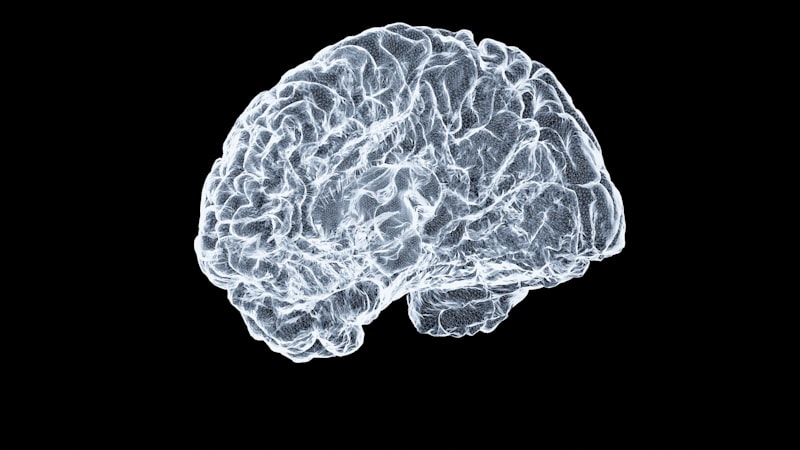
Functional Brain Imaging (FBI) represents a sophisticated suite of neuroscientific techniques dedicated to the non-invasive visualization and measurement of localized neural activity within the living brain. The primary objective of FBI is to precisely localize the areas of cognitive activation—that is, to map specific mental processes, such as language processing, memory encoding, or emotional regulation, onto distinct anatomical structures or networks within the central nervous system. This approach fundamentally bridges the gap between psychological function and biological structure, moving beyond the historical limitations of studying brain function primarily through lesion analysis or post-mortem examination. By detecting physiological changes correlated with neuronal firing, FBI allows researchers and clinicians to observe the brain in action as subjects perform specific tasks or maintain a resting state, providing dynamic insights into the organization of human cognition.
Unlike structural imaging techniques, such as standard magnetic resonance imaging (MRI) or computed tomography (CT), which capture static anatomical details, functional brain imaging focuses on metabolic and hemodynamic correlates of activity. When a population of neurons becomes active, it rapidly consumes metabolic resources, primarily oxygen and glucose. The subsequent physiological response involves a massive, localized increase in regional cerebral blood flow (rCBF), which typically overcompensates for the initial metabolic demand. FBI modalities are designed to detect these transient changes in blood flow, oxygenation levels, or glucose utilization. The measurable signals are thus indirect markers of neural firing, but they provide robust and spatially precise data that have revolutionized cognitive neuroscience.
The field is dominated by two primary methodologies, both of which are central to modern psychological and neurological research: functional magnetic resonance imaging (fMRI) and positron emission tomography (PET). While both techniques fulfill the core mission of localizing function, they rely on distinct physical principles and offer unique trade-offs regarding spatial and temporal resolution, invasiveness, and the types of physiological phenomena they can measure. The interpretation of results derived from these techniques is highly reliant on complex statistical modeling that accounts for the inherent noise, biological variability, and the indirect nature of the measured physiological signal relative to the instantaneous electrical activity of neurons.
Historical Context and Evolution
The quest to localize cognitive function is deeply rooted in 19th-century neuroscience, beginning with observations from clinical cases like Phineas Gage and the seminal work of Paul Broca and Carl Wernicke, who linked specific language deficits (aphasias) to damage in particular cortical regions. However, these early localization efforts were constrained by relying entirely on post-mortem correlation, offering limited insight into the dynamic processing capabilities of the intact brain. The modern era of functional imaging began to coalesce in the 1970s, driven by advancements in nuclear medicine and computer technology, enabling the first non-invasive measurements of brain activity in living human subjects.
The introduction of Positron Emission Tomography (PET) marked the initial breakthrough in functional imaging capabilities. PET allowed researchers to inject subjects with radiolabeled tracers, such as Oxygen-15, which could measure changes in regional cerebral blood flow (rCBF) associated with activity. PET studies provided the first detailed, whole-brain maps demonstrating how tasks like reading or listening engaged distinct areas, confirming and extending earlier hypotheses regarding functional specialization. Despite its profound impact, PET required the use of ionizing radiation, limiting the number of times a subject could be scanned, and offered relatively poor temporal resolution, often averaging activity across several minutes.
The landscape of functional brain imaging was dramatically transformed in the early 1990s with the development of functional magnetic resonance imaging (fMRI). Utilizing existing MRI hardware, fMRI capitalized on the discovery that oxygenated and deoxygenated hemoglobin possess different magnetic properties. This allowed researchers to measure the Blood-Oxygen-Level Dependent (BOLD) signal, a hemodynamic response, without requiring exogenous tracers or radiation. This non-invasive nature, combined with rapidly improving spatial resolution and better temporal sampling compared to PET, swiftly established fMRI as the dominant technique for mapping cognitive function and spurred an explosive growth in the field of cognitive neuroscience throughout the late 20th and early 21st centuries.
Key Modalities: Functional Magnetic Resonance Imaging (fMRI)
fMRI is the cornerstone of contemporary functional brain imaging, relying on the intrinsic magnetic properties of blood to map neural activity. The underlying principle is the BOLD contrast, which exploits the difference between diamagnetic oxygenated hemoglobin (HbO) and paramagnetic deoxygenated hemoglobin (dHb). When a brain region increases its neural firing rate, the metabolic demand for oxygen rises. Crucially, the vascular system delivers a massive surplus of oxygenated blood to the active region, leading to a localized decrease in the concentration of paramagnetic dHb. This relative change in magnetic susceptibility alters the MR signal, creating the BOLD signal, which serves as an index of neural activation.
The primary advantages of fMRI include its excellent spatial resolution, typically allowing researchers to localize activity within a few cubic millimeters, and its status as a non-invasive technique, enabling repeated scanning sessions for longitudinal studies or complex experimental designs. Furthermore, the fMRI technique can be adapted to study both task-based activation, where subjects perform specific cognitive challenges within the scanner, and resting-state functional connectivity (rs-fMRI). Rs-fMRI examines spontaneous, low-frequency fluctuations in the BOLD signal observed when subjects are not performing a specific task, revealing intrinsic functional networks (e.g., the Default Mode Network or the Executive Control Network) that underlie coordinated brain function.
Despite its strengths, fMRI is inherently limited by the sluggish nature of the hemodynamic response. The BOLD signal peaks approximately 4 to 6 seconds after the underlying neural event, imposing a fundamental constraint on its temporal resolution. Analyzing fMRI data requires robust statistical methodologies, most commonly the General Linear Model (GLM), which models the expected BOLD response to experimental stimuli and compares it against the observed time series data. Experimental designs are carefully structured, often utilizing block designs (long periods of stimulation alternating with rest) or event-related designs (brief, randomized presentation of stimuli) to effectively deconvolve the slow hemodynamic response and isolate the activity associated with specific cognitive events.
Key Modalities: Positron Emission Tomography (PET)
Positron Emission Tomography (PET) employs the detection of gamma rays resulting from positron-electron annihilation to map physiological processes within the brain. The technique requires the introduction of a biologically active molecule labeled with a short-lived, positron-emitting radionuclide, known as a radiotracer. These tracers are designed to accumulate in areas based on their metabolic activity, blood flow, or receptor density. For functional mapping, common tracers include 15O-water for measuring regional cerebral blood flow (rCBF) or 18F-fluorodeoxyglucose (FDG) for measuring glucose metabolism, a proxy for sustained neural activity.
When the injected radiotracer decays, it emits a positron, which travels a short distance before colliding with an electron. This annihilation event produces two gamma photons traveling in opposite directions (180 degrees apart). The PET scanner detects these coincident photons, allowing the precise localization of the decay event. By accumulating data over time and applying sophisticated reconstruction algorithms, a three-dimensional map of tracer concentration can be generated, illustrating the distribution of the targeted physiological process, such as high glucose uptake in a region undergoing sustained cognitive effort.
While fMRI has largely replaced PET for most basic cognitive mapping due to its superior temporal resolution and non-invasiveness, PET retains critical advantages in specific research and clinical contexts. PET excels at imaging systems that fMRI cannot directly measure, such as specific neurotransmitter receptor binding, transporter density, and enzyme activity. This capability makes PET indispensable for studies of neuropharmacology, addiction, and psychiatric disorders. Furthermore, PET using specialized tracers (e.g., Pittsburgh Compound B or Florbetapir) is vital for the early diagnosis and tracking of neurodegenerative conditions, notably by quantifying the accumulation of amyloid plaques and tau tangles characteristic of Alzheimer’s disease.
Electrophysiological Counterparts and Integration
Functional brain imaging techniques based on hemodynamics (fMRI, PET) provide superb spatial localization but suffer from poor temporal resolution due to the physiological delay of the blood flow response. Conversely, Electroencephalography (EEG) and Magnetoencephalography (MEG) directly measure the electrical and magnetic fields generated by large populations of synchronized neurons. These electrophysiological methods offer temporal resolution in the millisecond range, capturing the rapid sequence of neural events that characterize cognitive processing. However, they struggle with precise spatial localization, particularly EEG, due to signal distortion caused by the skull and scalp.
The current frontier in functional brain mapping often involves multimodal integration, seeking to combine the high spatial precision of fMRI with the high temporal precision of EEG or MEG. This fusion allows researchers to determine not only where an activation occurs but also the precise timeline of activity flow across brain networks. For example, fMRI localization data can be used to constrain the source modeling required to interpret EEG/MEG signals, significantly improving the spatial accuracy of the electrophysiological findings. Similarly, EEG data can inform complex fMRI analyses by providing timing markers for specific neural events that may not be obvious from the slower BOLD signal alone.
Integrating these diverse data types is computationally challenging and requires careful methodological alignment. Researchers must contend with the fundamental difference between the measured signals—metabolic/hemodynamic changes versus electrical currents—and develop robust models of neurovascular coupling to accurately link the two. Despite these complexities, integrated approaches are essential for understanding dynamic cognitive processes, such as speech perception or decision-making, where the precise timing and sequence of cortical engagement are critical to the function being studied.
Principles of Hemodynamic Response
The validity of fMRI rests entirely upon the relationship between neural activity and the subsequent vascular response, formalized as the Hemodynamic Response Function (HRF). The canonical HRF is characterized by a specific temporal profile following a brief neural event. It typically begins with a small, transient dip in the BOLD signal (the initial dip, reflecting immediate oxygen consumption), followed by a massive positive peak (the overshoot, reflecting the overcompensating increase in blood flow), reaching its maximum amplitude around 4 to 6 seconds post-stimulus. Finally, the signal returns to baseline, often exhibiting a sustained post-stimulus undershoot before stabilizing completely.
Understanding the HRF is crucial for proper experimental design and data analysis in fMRI. Because the peak response is delayed by several seconds, the BOLD signal represents an integral of neural activity occurring over an extended period, rather than an instantaneous measure. Furthermore, the shape and magnitude of the HRF are not uniform across the entire brain; they can vary significantly depending on the brain region, the subject’s age, and underlying health conditions. This variability necessitates careful consideration in statistical modeling, often requiring the use of sophisticated deconvolution techniques to accurately estimate the underlying neural activity from the observed BOLD response.
The mechanism linking neuronal firing to the vascular response—known as neurovascular coupling or functional hyperemia—is tightly regulated and involves multiple cell types. Active neurons release signaling molecules (including neurotransmitters and metabolic byproducts) that trigger surrounding cells, particularly astrocytes and vascular smooth muscle cells, to initiate vasodilation. This dilation increases the local influx of oxygenated blood. While the coupling mechanism is robust, factors such as vascular pathology (e.g., hypertension or stroke), pharmacological agents, and neurodegenerative diseases can compromise this relationship, potentially leading to inaccurate functional localization even if the underlying neural activity is intact.
Applications in Cognitive Neuroscience
Functional brain imaging has transitioned from merely confirming known localization to driving fundamental theories in cognitive neuroscience. Its primary application lies in delineating functional specialization—identifying specific brain regions uniquely responsible for processing distinct sensory, motor, or cognitive information. For instance, FBI is routinely used to map the precise location of the visual cortex, auditory processing centers, and, critically, the language networks, including Broca’s area (speech production) and Wernicke’s area (language comprehension). As exemplified by the classic clinical use case, a patient like Joe might undergo functional brain imaging to precisely determine where his speech center was prior to neurosurgery, ensuring maximum preservation of critical function.
Beyond simple localization, FBI is essential for studying functional integration, which involves understanding how different, spatially distributed brain regions communicate and collaborate to execute complex behaviors. Resting-state fMRI has been particularly influential in identifying large-scale, intrinsic functional networks, such as the Default Mode Network (DMN), which is highly active during internal thought processes, and the Central Executive Network (CEN), involved in demanding cognitive control. Studies comparing the connectivity patterns of these networks in healthy versus clinical populations (e.g., schizophrenia, autism spectrum disorder) provide valuable insight into the pathophysiology of these conditions.
Clinically, functional brain imaging plays a vital role in pre-surgical planning, particularly for patients with brain tumors or epilepsy. Mapping eloquent cortex (areas essential for movement, sensation, or language) adjacent to a lesion allows neurosurgeons to maximize tumor resection while minimizing the risk of permanent neurological deficits. Furthermore, FBI is increasingly used in pharmacological research to evaluate the acute effects of drugs on brain activity and connectivity, offering objective metrics for drug efficacy and mechanism of action in disorders ranging from major depressive disorder to Parkinson’s disease.
Limitations and Methodological Challenges
Despite the power of functional brain imaging, its interpretation is subject to several significant methodological limitations. A critical challenge is the inherent ambiguity regarding causation versus correlation. FBI techniques measure where activity occurs concurrently with a cognitive task, but they do not prove that the activity in that specific region is necessary for the task performance. A region may be active simply because it receives input from the necessary processing center. Researchers often integrate FBI results with techniques that can directly manipulate neural activity, such as Transcranial Magnetic Stimulation (TMS), to establish causal necessity.
Another major hurdle is the complexity of statistical analysis, particularly the multiple comparisons problem. A typical fMRI experiment involves simultaneously testing tens of thousands of volumetric pixels (voxels) for activation. If standard statistical thresholds (e.g., p < 0.05) are used across every voxel independently, a large number of false positives (Type I errors) will inevitably arise due to chance. To counteract this, stringent correction methods, such as Family-Wise Error (FWE) correction or False Discovery Rate (FDR) control, must be applied. However, overly conservative correction can lead to Type II errors, where genuine, subtle activations are missed, highlighting the trade-off between sensitivity and specificity in FBI research.
Finally, data quality is highly susceptible to various sources of noise and artifact. Patient movement within the scanner, even minor head shifts, can introduce massive systematic errors in time-series data. Physiological noise stemming from cardiac pulsation and respiratory cycles also contaminates the BOLD signal. Sophisticated preprocessing pipelines are therefore mandatory, involving steps like motion correction, spatial smoothing, and filtering of physiological noise. The reliance on these complex processing steps means that the final published results are highly dependent on researcher decisions regarding data processing parameters, necessitating robust efforts toward standardization and reproducibility across the scientific community.
Future Directions and Computational Approaches
The field of functional brain imaging continues to rapidly advance, driven by technological innovations in hardware and increasingly sophisticated computational methods. A major technological focus is the push toward ultra-high field MRI (e.g., 7 Tesla and higher), which offers dramatically improved signal-to-noise ratio and higher spatial resolution. This advancement aims to allow researchers to move beyond mapping entire brain regions to potentially resolving functional activity within specific cortical layers or columns, providing micro-level functional detail previously unattainable.
Computationally, the trend is moving away from purely univariate analyses (identifying regions that are simply “more active”) toward multivariate methods. Multivariate Pattern Analysis (MVPA), often utilizing machine learning algorithms, analyzes distributed patterns of activity across multiple voxels. MVPA allows researchers to “decode” the specific cognitive state or representation (e.g., which image the subject is viewing, or which decision they are making) from the spatial pattern of brain activation. This approach recognizes that complex cognitive information is encoded not just by the magnitude of activation in one area, but by the subtle, distributed activity across vast neural networks.
Looking forward, there is a strong emphasis on improving data sharing and reproducibility across the field. Initiatives like the Human Connectome Project (HCP) and efforts to standardize acquisition protocols are vital for building large, robust datasets that can withstand rigorous statistical scrutiny and generalization. Furthermore, integrating functional data with genetic and molecular data promises to link brain function not just to behavior, but to the underlying biological mechanisms, paving the way for truly personalized medicine based on individual functional brain architecture.
Summary of Functional Brain Imaging Techniques
The following is a summary of the key functional brain imaging techniques discussed:
- Functional Magnetic Resonance Imaging (fMRI): Measures the Blood-Oxygen-Level Dependent (BOLD) signal, an indirect marker of neural activity based on localized changes in blood oxygenation. Offers high spatial resolution and is non-invasive.
- Positron Emission Tomography (PET): Utilizes radioactive tracers to measure metabolic activity (e.g., glucose uptake) or regional cerebral blood flow. Essential for imaging neurotransmitter systems and pathologies like amyloid plaques.
- Electroencephalography (EEG) and Magnetoencephalography (MEG): Measure the direct electrical and magnetic output of neural activity. Offer millisecond temporal resolution, often integrated with fMRI for improved spatial localization.
Key Concepts in Functional Imaging
Understanding functional brain imaging requires familiarity with several core concepts:
- Localization: The fundamental goal of mapping specific cognitive functions (e.g., language, memory) to distinct anatomical brain regions.
- Hemodynamic Response Function (HRF): The characteristic time course of the blood flow increase following neural activation, typically peaking 4–6 seconds after the event.
- Neurovascular Coupling: The physiological mechanism linking the metabolic needs of active neurons to the localized increase in blood supply.
- Functional Connectivity: The statistical dependencies (correlations) between activity in spatially distinct brain regions, revealing distributed brain networks.
- Multivariate Pattern Analysis (MVPA): Advanced computational techniques used to decode complex cognitive states from distributed patterns of brain activity.