The Funnel Sequence: Master the Art of Insight
Scientifically Reviewed · Dr. Marwa Abd-Alazim · September 26, 2026
Review Criteria & Clinical Standards
This content undergoes rigorous scientific peer-review and medical editorial standards at Arab Psychology Network to ensure clinical accuracy, validity, and compliance with evidence-based guidelines from leading psychological and healthcare authorities (APA / WHO).
Conceptual Overview of the Funnel Sequence
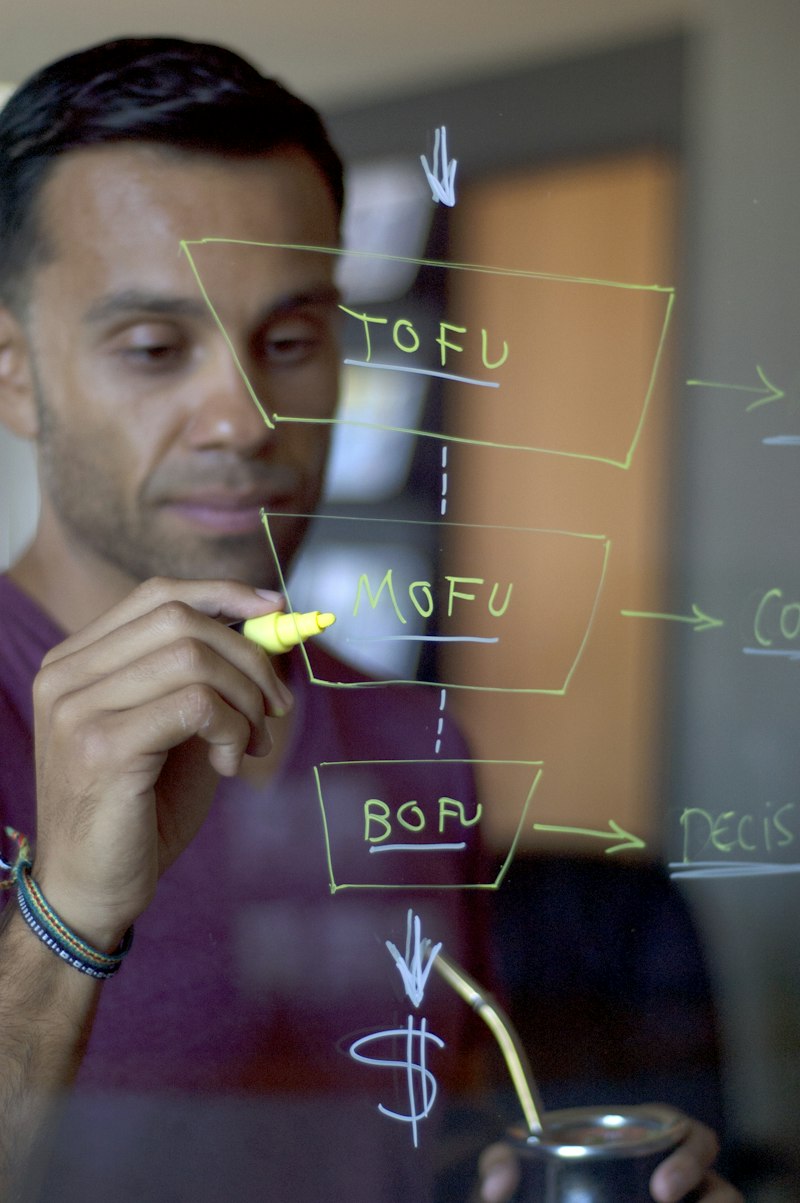
The funnel sequence represents a sophisticated and systematic approach to inquiry, characterized by a structured progression from broad, open-ended questions to increasingly narrow and specific probes. This methodological framework is designed to facilitate a logical narrowing of the search space, allowing researchers, clinicians, and practitioners to distill complex information into actionable data. By starting with a wide aperture, the funnel sequence ensures that the initial phase of data collection is inclusive, capturing a comprehensive range of perspectives and possibilities before funneling the focus toward a definitive conclusion or solution. This technique is particularly valued in fields where the accuracy of the final outcome depends heavily on the thoroughness of the preliminary exploration phase.
Within the context of psychological and professional interviews, the funnel sequence serves as a cognitive roadmap that guides both the interviewer and the respondent through a layered discovery process. The primary objective is to eliminate irrelevant variables and noise early in the conversation, thereby optimizing the cognitive resources of all parties involved. As the sequence progresses, the questions become more pointed, often shifting from exploratory “how” and “why” questions to confirmatory “yes/no” or multiple-choice formats. This transition is critical for validating the information gathered in the earlier stages and for ensuring that the final selection of a solution or diagnosis is grounded in a robust evidentiary trail. The efficiency of this method lies in its ability to provide a clear structure for decision-making, reducing the likelihood of oversight or premature closure.
The theoretical underpinnings of the funnel sequence suggest that the quality of a solution is directly proportional to the specificity of the questions asked. By employing a pyramid-like structure, where the base represents general inquiry and the apex represents the specific target, the technique allows for a granular analysis of a subject’s needs or a problem’s constraints. This hierarchical approach is essential for navigating high-stakes environments where an incorrect initial assumption could lead to a cascading series of errors. Consequently, the funnel sequence is not merely a conversational tool but a rigorous cognitive strategy used to enhance the validity and reliability of qualitative and quantitative assessments across diverse disciplines.
To successfully implement a funnel sequence, one must adhere to a specific logical flow that includes the following stages:
- Phase 1: Broad Exploration – Utilizing open-ended questions to establish the context and identify the broad boundaries of the topic.
- Phase 2: Targeted Probing – Introducing semi-structured questions to focus on specific themes identified during the exploration phase.
- Phase 3: Clarification and Filtering – Asking detailed questions to eliminate outliers and narrow the scope to the most relevant factors.
- Phase 4: Confirmation and Final Selection – Employing closed-ended questions to verify the final solution or specific piece of information.
This structured progression ensures that the search process is both exhaustive in its breadth and precise in its depth, fulfilling the dual requirements of comprehensive research and efficient problem-solving.
Historical Origins and Theoretical Foundations
The formalization of the funnel sequence as a psychological and methodological tool can be traced back to the mid-20th century, a period marked by significant advancements in the study of human motivation and cognitive processes. The technique was first pioneered by the renowned psychologist Abraham Maslow in the 1950s. Maslow, who is perhaps best known for his hierarchy of needs, utilized the funnel sequence as a foundational method for conducting interviews. His goal was to move beyond surface-level responses to identify the deeper, underlying needs and motivations of individuals. By starting with broad inquiries about a person’s life and environment, Maslow could gradually focus on the specific psychological drivers that influenced their behavior and self-actualization.
Following Maslow’s initial applications, the funnel sequence underwent further refinement and rigorous theoretical development in the 1970s. Key figures in this evolution were psychologists Herbert Simon and Alan Newell, who are celebrated for their contributions to cognitive psychology and artificial intelligence. In their seminal work on human problem solving, Simon and Newell integrated the funnel sequence into a comprehensive model for decision-making. They posited that human beings operate within a limited cognitive capacity and therefore require structured heuristics to navigate complex problem spaces. Their refinement of the funnel sequence provided a mathematical and logical basis for how individuals narrow down a vast array of possibilities to arrive at a single, optimal decision.
The collaboration between Simon and Newell highlighted the importance of the search space, a term used to describe the set of all possible solutions to a problem. They argued that the funnel sequence acts as a cognitive filter that progressively reduces the size of the search space, making it manageable for the human mind. This theoretical shift moved the technique from a purely clinical or interview-based tool to a broader application in computational logic and organizational theory. By formalizing the mechanics of how questions lead to answers, they paved the way for the funnel sequence to be adopted by various industries that require high-precision data analysis and strategic planning.
The historical trajectory of the funnel sequence reveals its versatility and enduring relevance. From Maslow’s humanistic focus on individual needs to Simon and Newell’s focus on logical problem solving, the technique has proven to be an adaptable instrument for understanding human complexity. Today, the funnel sequence remains a cornerstone of qualitative research, serving as a bridge between the expansive nature of human thought and the restrictive requirements of empirical validation. Its history reflects a broader movement in psychology toward more structured and reproducible methods of inquiry, ensuring that the insights gained are both profound and practically applicable.
The Mechanics of the Funneling Process
The operational logic of the funnel sequence is predicated on a hierarchical progression that mirrors the shape of a physical funnel. At the onset, the practitioner utilizes open-ended questions to encourage the respondent to provide as much detail as possible without the constraints of a predefined structure. This initial phase is crucial for establishing rapport and for capturing the full context of the situation. For instance, in a clinical setting, an interviewer might begin with, “Tell me about your general well-being over the past month.” This allows the subject to steer the conversation toward the areas they deem most important, providing the interviewer with a wealth of raw data that will be refined in subsequent steps.
As the sequence moves into the middle phase, the questions become more semi-structured and focused. The interviewer begins to pick up on specific cues or keywords mentioned in the first phase and uses them to construct more targeted inquiries. This process of thematic narrowing is designed to test hypotheses and filter out irrelevant information. If a respondent mentions stress related to work during the broad exploration, the interviewer might follow up with, “What specific aspects of your workplace environment contribute most to that stress?” This transition from the general to the specific is the defining characteristic of the funnel sequence, ensuring that the inquiry remains relevant to the core objective while still being informed by the broader context.
The final stage of the funnel sequence involves the use of closed-ended questions or forced-choice prompts. These questions are designed to achieve a high degree of specificity and to force a decision or a confirmation. By this point, the search space has been significantly reduced, and the goal is to pin down the exact nature of the solution or the specific preference of the respondent. A final question might be, “Given the stressors you’ve described, is the primary issue the workload or the communication style of your supervisor?” This definitive approach allows the practitioner to conclude the inquiry with a clear, actionable outcome that is supported by the layers of information gathered previously.
The effectiveness of the funneling mechanics can be summarized by the following logical steps:
- Broad Identification: Establishing the primary domain of interest and gathering unstructured data.
- Categorical Sorting: Grouping the data into relevant themes and discarding non-essential information.
- Variable Isolation: Using specific probes to identify the key variables that influence the outcome.
- Final Verification: Confirming the accuracy of the identified solution through targeted, restrictive questioning.
This mechanical rigor is what allows the funnel sequence to maintain its accuracy and efficiency across different applications, from psychological assessments to complex engineering problem-solving.
Applications in Market Research and Consumer Analysis
In the realm of market research, the funnel sequence is an indispensable tool for understanding the complex web of consumer preferences and behaviors. Marketers use this technique to move beyond superficial “like” or “dislike” responses, seeking to uncover the specific attributes of a product or service that drive purchasing decisions. By starting with broad questions about a consumer’s lifestyle and general needs, researchers can identify the latent desires that the consumer might not even be consciously aware of. This broad data serves as the foundation upon which more specific marketing strategies are built, ensuring that the final campaign resonates with the target audience’s core values.
As the market research interview or survey progresses, the funnel sequence allows for the identification of specific brand perceptions and competitive advantages. A researcher might ask a participant to describe their ideal experience with a particular category of products, such as mobile phones. Following this, the questions would funnel down to specific features, such as battery life, camera quality, or operating system interface. This granularity is essential for product positioning, as it allows companies to see exactly where their offerings meet customer expectations and where they fall short. The ability to narrow down the search space in this way prevents companies from wasting resources on features that do not significantly impact the consumer’s final choice.
Furthermore, the funnel sequence is used to develop effective marketing strategies by segmenting the audience based on their specific responses at each level of the funnel. Consumers who prioritize cost-effectiveness are funneled into one category, while those who prioritize luxury or innovation are funneled into another. This segmentation allows for highly personalized messaging that addresses the specific concerns identified during the narrowing process. The ultimate goal is to lead the consumer through a psychological journey that mirrors the funnel itself, starting with broad brand awareness and ending with a specific call to action that results in a conversion.
The application of the funnel sequence in consumer analysis typically follows this pattern:
- Discovery: Understanding the consumer’s general lifestyle and broad product category usage.
- Feature Evaluation: Probing for specific attributes that the consumer values most in a product.
- Brand Comparison: Narrowing the focus to how specific brands compare on those valued attributes.
- Purchase Intent: Finalizing the inquiry by determining the specific factors that would trigger a purchase.
This systematic approach ensures that market research is not just a collection of opinions but a strategic map of consumer psychology.
Integration into Product Design and Development
Within the field of product design, the funnel sequence serves as a critical bridge between abstract user needs and concrete engineering specifications. Designers use the technique to conduct user experience (UX) research, starting with broad inquiries about the challenges a user faces in a particular context. For example, when designing a new software application, the design team might begin by asking users about their overall workflow and the general frustrations they encounter. This broad perspective prevents the team from developing a solution for a problem that does not actually exist, ensuring that the product-market fit is established from the very beginning.
As the design process moves forward, the funnel sequence is used to refine the functional requirements of the product. By narrowing the focus to specific tasks and interactions, designers can identify the “pain points” that require the most attention. Questions might shift from “How do you manage your tasks?” to “What specific steps in the current software cause you the most delay?” This targeted inquiry allows the design team to prioritize features that offer the most value to the user, effectively narrowing the development search space to the most impactful solutions. This prevents “feature creep,” where a product becomes overly complex and difficult to use because it tries to solve too many problems at once.
The funnel sequence also plays a vital role in usability testing. Once a prototype has been developed, designers use sequential questioning to observe how users interact with the product. They start with open-ended prompts like “Try to complete a task using this tool,” and then follow up with specific questions about certain buttons, menus, or navigation paths. This iterative narrowing allows the team to identify specific design flaws that might have been overlooked in the earlier stages. By the end of the testing phase, the designers have a highly specific list of refinements that will ensure the final product meets the exact needs of the end-user.
The integration of the funnel sequence into development can be broken down into these core components:
- Requirement Gathering: Using broad questions to identify the overarching goals of the user.
- Solution Ideation: Funneling those goals into specific features and functional possibilities.
- Prototype Refinement: Using targeted feedback to narrow down the best implementation of those features.
- Validation: Confirming through specific testing that the final design solves the initial problem efficiently.
This methodology ensures that product design is a disciplined and user-centric process, resulting in products that are both functional and intuitive.
Strategic Utility in Project Management and Prioritization
In the discipline of project management, the funnel sequence is a powerful heuristic for managing complexity and ensuring that resources are allocated to the most critical tasks. At the project’s inception, managers often face a broad array of objectives, stakeholder demands, and potential risks. By applying the funnel sequence, they can begin with a high-level overview of the project’s goals and gradually narrow their focus to the specific milestones and tasks that are essential for success. This process of prioritization is vital for maintaining the project’s scope and preventing the exhaustion of resources on non-essential activities.
The funnel sequence is particularly useful during the risk assessment phase of a project. Managers start by identifying all potential risks that could affect the project, regardless of their likelihood or impact. They then use a sequence of questions to narrow this list down to the most significant threats. Questions move from “What could possibly go wrong?” to “Which of these risks has the highest probability of occurring?” and finally, “Which risk would have the most devastating impact on our timeline?” This narrowing of the search space allows the project team to develop specific mitigation strategies for the most critical risks, rather than trying to plan for every possible contingency.
Moreover, the funnel sequence facilitates effective communication and alignment within a project team. By using a structured questioning approach, project managers can ensure that all team members have a shared understanding of the project’s specific objectives. During team meetings, a manager might start with a broad question about the status of a department and then funnel down to specific bottlenecks that are hindering progress. This ensures that the team’s efforts are focused on solving the most pressing issues, leading to a more efficient and productive work environment. The technique helps in transforming vague goals into a concrete, prioritized action plan.
To apply the funnel sequence to project management, the following framework is often used:
- Goal Definition: Identifying the broad objectives and desired outcomes of the project.
- Task Decomposition: Breaking down the broad goals into a comprehensive list of potential tasks.
- Critical Path Identification: Funneling the list of tasks to identify those that are essential for the project’s completion.
- Resource Allocation: Specifically assigning resources and timelines to the prioritized tasks identified in the previous step.
This systematic prioritization ensures that project managers can navigate the inherent uncertainty of complex projects with a clear sense of direction and purpose.
Cognitive and Practical Advantages of Sequential Questioning
The primary advantage of the funnel sequence is its ability to facilitate the efficient selection of the most appropriate solution. In many professional contexts, the sheer volume of information can be overwhelming, leading to “analysis paralysis.” The funnel sequence mitigates this by providing a clear structure for information filtering. By systematically narrowing the search space, the technique allows the user to focus their cognitive energy on the most relevant options, thereby increasing the speed and accuracy of the decision-making process. This efficiency is especially valuable in time-sensitive environments, such as emergency medicine or high-speed financial trading, where the cost of delay is high.
Another significant benefit of the funnel sequence is its role in identifying latent needs. Because the process begins with broad, open-ended questions, it allows for the discovery of information that neither the interviewer nor the respondent might have initially considered. This exploratory phase can uncover deep-seated preferences, hidden motivations, or subtle problems that would be missed by a more restrictive questioning style from the outset. By giving the respondent the freedom to set the initial context, the funnel sequence ensures that the final, specific solution is rooted in a comprehensive understanding of the individual’s or the situation’s actual requirements.
From a psychological perspective, the funnel sequence also helps in building rapport and trust. Starting with broad questions shows a genuine interest in the respondent’s overall perspective, making them feel heard and valued. This positive interaction encourages the respondent to be more open and honest as the questions become more specific and potentially more sensitive. Furthermore, the logical progression of the sequence makes sense to the respondent, reducing the feeling of being “interrogated” and instead fostering a sense of collaborative problem-solving. This social advantage is crucial in clinical psychology, human resources, and high-level negotiations.
The practical advantages can be summarized as follows:
- Reduction of Cognitive Load: By filtering out noise early, the method makes complex decisions more manageable.
- Enhanced Accuracy: The layered approach provides multiple opportunities to verify information, reducing errors.
- Comprehensive Insight: The initial broad phase captures a wider range of data, leading to more robust solutions.
- Improved Stakeholder Engagement: The structured yet open nature of the technique fosters better communication and cooperation.
Ultimately, the funnel sequence is a versatile and powerful tool that enhances both the process and the outcome of any inquiry or decision-making task.
Critical Limitations and Methodological Challenges
Despite its many advantages, the funnel sequence is not without its drawbacks, the most prominent of which is that it can be incredibly time-consuming. The process of starting with broad inquiries and slowly narrowing down to specific details requires a significant investment of time from both the interviewer and the respondent. In fast-paced environments where immediate answers are required, the deliberate pace of the funnel sequence may be impractical. If the initial broad phase is too extensive, the practitioner may gather a vast amount of irrelevant data that then takes even more time to sort and filter, potentially negating the efficiency benefits of the technique.
Another challenge is that the funnel sequence is not always applicable to every situation. For the technique to be effective, there must be a logical progression from the general to the specific. In some cases, a problem may be so poorly defined or so highly volatile that a structured funneling approach fails to capture the necessary information. Additionally, if the questions are poorly constructed—being either too vague at the start or too leading at the end—the entire sequence can become ineffective. There is a risk that the interviewer might inadvertently guide the respondent toward a specific answer, introducing interviewer bias and undermining the validity of the final solution.
Furthermore, the success of the funnel sequence depends heavily on the skill of the practitioner. It requires a high level of active listening and the ability to synthesize information in real-time to formulate the next set of questions. An inexperienced interviewer may struggle to identify the correct “pivot points” where the conversation should shift from broad to specific. If the transition is made too early, critical information may be missed; if it is made too late, the conversation may lose focus and become repetitive. This reliance on individual expertise means that the quality of the results can vary significantly depending on who is conducting the inquiry.
The limitations of the funnel sequence can be categorized as follows:
- Operational Drag: The time required to execute all phases of the funnel can be a barrier to quick decision-making.
- Contextual Constraints: The method requires a stable and hierarchical problem structure that may not exist in all scenarios.
- Risk of Bias: The narrowing process can become a “self-fulfilling prophecy” if the questions are not neutral.
- Skill Dependency: The effectiveness of the tool is limited by the cognitive and communicative abilities of the user.
Recognizing these limitations is essential for practitioners to know when to employ the funnel sequence and when a different methodological approach might be more appropriate.
Synthesized Conclusion and Future Outlook
The funnel sequence remains a foundational technique in the behavioral sciences and professional practice for a reason: it mirrors the natural human process of logical deduction while providing a rigorous structure to prevent common cognitive errors. From its early development by Abraham Maslow to its theoretical refinement by Simon and Newell, the technique has proven its value in narrowing the search space and facilitating the selection of optimal solutions. Whether applied in market research, product design, or project management, the funnel sequence ensures that decisions are based on a comprehensive understanding of the problem and a precise identification of the most relevant variables.
While the technique offers significant advantages in terms of accuracy, efficiency, and the identification of needs, it is important to remain mindful of its disadvantages. The time-consuming nature of the process and the potential for bias require a disciplined and skilled application. As we look toward the future, the integration of artificial intelligence and automated data analysis may help to mitigate some of these drawbacks. For instance, AI-driven survey tools can now use real-time natural language processing to implement the funnel sequence more quickly and with less human bias, narrowing the search space for researchers in a fraction of the time it would take a human interviewer.
In conclusion, the funnel sequence is more than just a sequence of questions; it is a strategic approach to understanding the world. By balancing the need for broad exploration with the requirement for specific confirmation, it allows practitioners to navigate the complexities of human behavior and organizational challenges with confidence. As long as there is a need to distill large amounts of information into actionable insights, the funnel sequence will continue to be a vital tool in the arsenal of psychologists, researchers, and strategic leaders worldwide. Its enduring legacy is a testament to the power of structured inquiry in the quest for truth and efficiency.
References
Maslow, A. H. (1954). Motivation and personality. New York, NY: Harper & Row.
Simon, H. A., & Newell, A. (1972). Human problem solving. Englewood Cliffs, NJ: Prentice-Hall.