Kleine-Levin Syndrome: Trapped in a Waking Dream
Scientifically Reviewed · Dr. Marwa Abd-Alazim · September 2, 2026
Review Criteria & Clinical Standards
This content undergoes rigorous scientific peer-review and medical editorial standards at Arab Psychology Network to ensure clinical accuracy, validity, and compliance with evidence-based guidelines from leading psychological and healthcare authorities (APA / WHO).
Introduction and Definition
Kleine-Levin Syndrome, often abbreviated as KLS, is a profoundly rare and complex neurological disorder characterized primarily by recurrent episodes of excessive sleepiness, cognitive dysfunction, and behavioral disturbances. This condition is classified as a recurrent hypersomnia, placing it within a specialized category of sleep disorders distinct from chronic conditions like narcolepsy. Historically, KLS was first thoroughly documented and described by Willi Kleine in 1925 and later refined by Max Levin in 1936, establishing the eponym by which the syndrome is now recognized globally in clinical practice. The hallmark of KLS lies in the episodic nature of its presentation; individuals appear completely normal and symptom-free between episodes, which can last for days, weeks, or even months, creating profound disruption in the patient’s educational, professional, and social life.
The defining feature of these episodes is the extreme lethargy, often manifesting as sleep durations of 15 to 21 hours per day, rendering the individual almost entirely incapacitated during the episode’s duration. While the original source material noted a lack of energy, the clinical reality is far more severe, involving compulsive, irresistible sleep that is not easily overcome. Furthermore, the syndrome typically emerges during adolescence, though cases have been documented in early childhood and adulthood, suggesting a critical developmental window may influence its onset. Understanding KLS requires appreciating the cyclical pattern of the disease, where periods of severe illness alternate unpredictably with long stretches of complete remission, posing significant diagnostic challenges for clinicians unfamiliar with this specific presentation.
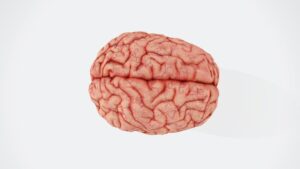
Crucially, KLS is understood to involve temporary dysfunction within the central nervous system structures responsible for regulating core homeostatic processes, specifically the sleep-wake cycle and appetite regulation. The original source correctly identified that the affected region governs appetite and sleep, pointing toward the hypothalamus and adjacent thalamic structures. These deep brain regions are vital command centers for autonomic functions, endocrine control, and emotional regulation. The transient nature of the brain dysfunction during an episode suggests a highly complex, possibly autoimmune or inflammatory trigger mechanism, although definitive pathological findings remain elusive, necessitating a diagnosis based almost entirely on clinical observation and the exclusion of other potential causes.
Core Clinical Manifestations
The clinical picture of Kleine-Levin Syndrome is defined by a triad of primary symptoms: recurrent hypersomnia, cognitive/behavioral abnormalities, and hyperphagia (excessive food intake). These symptoms emerge suddenly, typically peaking within a few days, and then persist for the duration of the episode. The hypersomnia is not merely fatigue but an overwhelming need to sleep; patients are difficult to arouse, and when awake, they often struggle to maintain alertness for more than brief periods, leading to significant withdrawal from daily activities. This profound sleepiness forms the foundation upon which the other symptoms are built, severely limiting the individual’s interaction with their environment.
Cognitive and behavioral disturbances represent the second critical component of the syndrome, correlating directly with the disorientation and irritability noted in the source material. During an episode, patients often display severe confusion, memory impairment, and difficulty processing complex information. They may appear childlike, listless, or emotionally flat, exhibiting a general apathy toward their surroundings. The irritability often stems from the frustration of being unable to function normally or being repeatedly awakened from their deep sleep. Furthermore, emotional lability is common, with patients swinging between periods of depression, anxiety, and extreme restlessness. The altered mental state is key to distinguishing KLS from other primary sleep disorders.
The third critical manifestation is hyperphagia, or excessive food consumption, which is present in approximately two-thirds of KLS patients. This compulsive eating behavior is distinct from typical hunger; patients often consume massive quantities of food, sometimes indiscriminately, and may show little regard for table manners or satiety signals. The original content specifically mentioned excessive food intake, highlighting this hypothalamic disturbance. Coupled with the cognitive changes, patients may also exhibit hypersexuality, although this symptom is less common than hyperphagia and predominantly observed in males. The hyperacusis, or hypersensitivity to noise, also noted in the original description, is another common sensory disturbance reported during the symptomatic phase, further indicating widespread central nervous system involvement that extends beyond simple sleep regulation.
Epidemiology and Demographics
Kleine-Levin Syndrome is classified as an ultra-rare disorder, making accurate prevalence estimates challenging, though current data suggest it affects approximately one to five individuals per million globally. The original source correctly highlighted that KLS primarily occurs in adolescent males. Epidemiological studies consistently demonstrate a significant male predominance, with reported male-to-female ratios typically ranging from 2:1 to as high as 4:1. This gender disparity strongly suggests that biological factors, potentially related to sex hormones or X-linked genetic mechanisms, may play a crucial role in the disorder’s susceptibility or expression, though these hypotheses require further dedicated research.
The typical age of onset is adolescence, usually between the ages of 10 and 20 years old. This timing is highly relevant, as it coincides with major developmental stages, including rapid brain maturation, hormonal shifts during puberty, and significant academic pressure. Onset during this critical period means that KLS often severely impacts schooling, social development, and the establishment of independence, leading to long-term psychosocial consequences even after the episodes resolve. While adolescent onset is the norm, atypical cases can present in early childhood—sometimes referred to as juvenile KLS—or later in adulthood, although adult-onset KLS is exceedingly uncommon and may require particularly careful differential diagnosis to exclude secondary causes of recurrent hypersomnia.
Although KLS is recognized worldwide, there does not appear to be a clear ethnic or geographical clustering, suggesting the underlying etiology is broadly distributed rather than localized to specific genetic populations. The rarity of the condition necessitates collaboration among specialized sleep centers to gather sufficient data for robust research, and misdiagnosis is frequent, particularly in the early stages. Often, initial presentations are misinterpreted as purely psychiatric conditions, such as depression, bipolar disorder, or even substance abuse, before the definitive pattern of recurrent hypersomnia is fully appreciated by a specialist. This diagnostic delay further complicates epidemiological tracking and patient care.
Etiology and Proposed Pathophysiology
The precise etiology of Kleine-Levin Syndrome remains unknown, classifying it as an idiopathic disorder. However, significant research points towards a primary dysfunction involving the hypothalamus, the brain structure crucial for maintaining homeostasis, including control over body temperature, hunger, thirst, fatigue, and the circadian rhythm. The symptoms experienced by patients—hypersomnia, hyperphagia, and emotional dysregulation—are all consistent with transient failure in this central regulatory hub. Neuroimaging studies, particularly Positron Emission Tomography (PET) scans performed during episodes, frequently reveal a global decrease in cerebral perfusion and metabolism, often most pronounced in the thalamic and hypothalamic regions, lending strong support to this localization hypothesis.
One prominent theory suggests an underlying inflammatory or autoimmune mechanism. Approximately one-third of KLS patients report a preceding viral illness, fever, or mild head trauma shortly before the onset of their first episode. This temporal association has led researchers to hypothesize that KLS may be a post-infectious syndrome, where an infectious agent triggers an inappropriate immune response that targets specific, vulnerable neurons within the hypothalamus. While specific autoantibodies have yet to be consistently identified, the episodic nature of the disease—where symptoms vanish completely—is consistent with a self-limiting or recurrent inflammatory process that temporarily disables neural function without causing permanent structural damage.
Another area of focus involves neurotransmitter systems, specifically those that modulate wakefulness and appetite. Research has investigated disturbances in dopamine, serotonin, and the orexin (hypocretin) system. Orexin neurons, located exclusively in the hypothalamus, play a vital role in maintaining wakefulness. Although KLS patients do not exhibit the near-total loss of orexin neurons characteristic of narcolepsy type 1, transient changes in orexin signaling or receptor function during an episode could potentially account for the profound hypersomnia. Furthermore, genetic susceptibility is being explored; while no single gene mutation has been isolated, the observation of familial cases suggests a complex genetic predisposition that interacts with environmental triggers to initiate the syndrome.
Diagnostic Criteria and Differential Diagnosis
Diagnosing Kleine-Levin Syndrome is inherently challenging because there is currently no specific biological marker or laboratory test available; the diagnosis relies entirely on clinical presentation and the rigorous application of exclusion criteria. According to established international classification systems, the criteria for KLS require the presence of recurrent episodes of excessive sleep lasting from 2 days to 5 weeks, the presence of cognitive or behavioral disturbances during the episode (such as confusion, derealization, or apathy), and a return to normal functioning between episodes. The presence of hyperphagia, while highly characteristic, is supportive but not mandatory for diagnosis, recognizing the variability in symptom presentation.
The diagnostic process necessitates a thorough differential diagnosis to rule out other potential causes of recurrent hypersomnia, cognitive impairment, and behavioral changes. Clinicians must actively exclude neurological disorders, psychiatric illnesses, and systemic medical conditions. Key conditions to exclude include recurrent depression, bipolar disorder (particularly cyclothymia), schizophrenia, drug-induced hypersomnia, and other primary hypersomnias like recurrent idiopathic hypersomnia. Because the symptoms mimic psychiatric illness, many patients undergo extensive psychiatric evaluations before the correct neurological diagnosis is reached. The crucial distinguishing factor for KLS is the complete, symptom-free return to baseline function between episodes, a feature rarely seen in chronic psychiatric or neurodegenerative disorders.
Objective testing, while not diagnostic, is essential for supporting the clinical impression and excluding alternative diagnoses. Polysomnography (PSG) during an episode typically reveals increased total sleep time but relatively normal sleep architecture, differentiating it from disorders like narcolepsy. The Multiple Sleep Latency Test (MSLT), often performed during the symptomatic period, shows severely reduced sleep latency, confirming pathological daytime sleepiness. Neuroimaging, such as Magnetic Resonance Imaging (MRI), is necessary to rule out structural brain lesions, tumors, or vascular pathologies that might cause secondary hypothalamic dysfunction, ensuring the KLS diagnosis remains one of exclusion based on the characteristic pattern and the absence of clear organic cause.
The Course and Prognosis of KLS
Kleine-Levin Syndrome follows an unpredictable but generally self-limiting course, meaning the episodes eventually cease entirely. The duration of the disorder varies widely among individuals, typically spanning 8 to 15 years from the onset of the first episode. The frequency and severity of the episodes also fluctuate over time. Initially, episodes might occur every few weeks or months, potentially triggered by minor stressors or infections. As the individual ages, the episodes generally become less frequent, shorter in duration, and sometimes less severe in their symptomatic presentation, providing hope for eventual remission.
The long-term prognosis for KLS is generally favorable regarding the resolution of the episodic symptoms. Most patients, particularly those with adolescent onset, experience complete remission by their late twenties or early thirties. Once remission is achieved, patients usually do not experience a relapse, and they return to their pre-morbid level of functioning, including cognitive capacity. However, the years spent battling the recurrent episodes can have significant psychological and social repercussions. The frequent interruptions to education and career development can lead to underachievement relative to the patient’s potential, necessitating proactive support during the symptomatic years.
A small subset of patients may experience a more protracted course, with episodes continuing into middle age, or a less typical presentation where the hypersomnia is continuous rather than purely episodic. Factors associated with a potentially longer course include an older age of onset or the presence of persistent, mild cognitive residual symptoms between episodes. Counseling and psychological support are integral components of the prognosis, helping patients and families manage the uncertainty and the severe disruption caused by the syndrome. Understanding that remission is the likely outcome provides a vital psychological anchor for those enduring the most debilitating phases of KLS.
Management and Treatment Strategies
The management of Kleine-Levin Syndrome is complex because, similar to the diagnostic challenges, there is currently no curative treatment. Treatment strategies are primarily focused on managing the symptoms during an acute episode and providing supportive care to minimize disruption. Pharmacological interventions aim to reduce the severity of the hypersomnia, though the response to medication is highly variable and often imperfect, particularly given the profound nature of the sleepiness.
The cornerstone of acute treatment involves the use of stimulant medications, which aim to promote wakefulness. Common agents prescribed include amphetamines, methylphenidate, and modafinil. While these drugs may help temporarily reduce sleep duration and improve arousal, they often do not fully restore normal cognitive function or resolve the behavioral symptoms like confusion and apathy. Furthermore, high doses of stimulants may exacerbate the irritability or agitation already present in the patient. The use of these medications is reserved for the symptomatic period, as chronic use is unnecessary and carries risks of dependency.
Preventative or prophylactic treatment represents a more recent area of focus, designed to reduce the frequency or severity of the episodes. Lithium carbonate and carbamazepine, traditionally used as mood stabilizers, have shown anecdotal success in some patients. Lithium, in particular, has demonstrated efficacy in certain case series for reducing episode frequency in approximately half of the treated patients, offering a compelling option for those with very frequent or severe attacks. However, the data supporting prophylactic treatment remains limited, and the decision to use long-term medication must be carefully weighed against potential side effects, underscoring the need for highly individualized treatment plans managed by specialists.
Psychosocial Impact and Quality of Life
The recurrent, unpredictable nature of KLS episodes imposes an enormous psychosocial burden on both the patient and their family. The abrupt onset and duration of the episodes mean that patients can miss weeks or months of school, work, and social events, leading to significant feelings of isolation, academic failure, and subsequent depression. The patient, when emerging from an episode, often faces the daunting task of catching up on missed responsibilities, compounding feelings of stress. Furthermore, the behavioral changes during the episode—such as aggression, hypersexuality, or severe irritability—are often highly distressing to family members, requiring significant patience and robust support systems.
Quality of life assessments highlight that KLS severely impacts social functioning. Adolescent patients often struggle to maintain friendships or participate in extracurricular activities, which are crucial for identity formation. The intermittent nature of the illness means friends and teachers may doubt the severity of the condition, particularly when the patient appears completely normal between episodes, leading to skepticism and further marginalization. Effective management must therefore include comprehensive psychoeducation for the patient, family, school personnel, and employers to foster understanding and accommodation during symptomatic periods.
Family support and psychological counseling are essential components of long-term care. Parents often experience profound stress and anxiety surrounding the unpredictability of the attacks and the care required during them. Counseling can help families develop coping strategies, manage the behavioral outbursts, and maintain a stable home environment. While KLS does not typically cause long-term cognitive damage, the psychological scars left by years of disruption, social isolation, and repeated failure to meet academic milestones often require therapeutic intervention to ensure that once remission occurs, the individual is able to successfully integrate back into their full social and professional lives.