Postural Psychology: How Your Spine Shapes Your Mind
Scientifically Reviewed · Dr. Marwa Abd-Alazim · September 14, 2026
Review Criteria & Clinical Standards
This content undergoes rigorous scientific peer-review and medical editorial standards at Arab Psychology Network to ensure clinical accuracy, validity, and compliance with evidence-based guidelines from leading psychological and healthcare authorities (APA / WHO).
Definition and Terminology
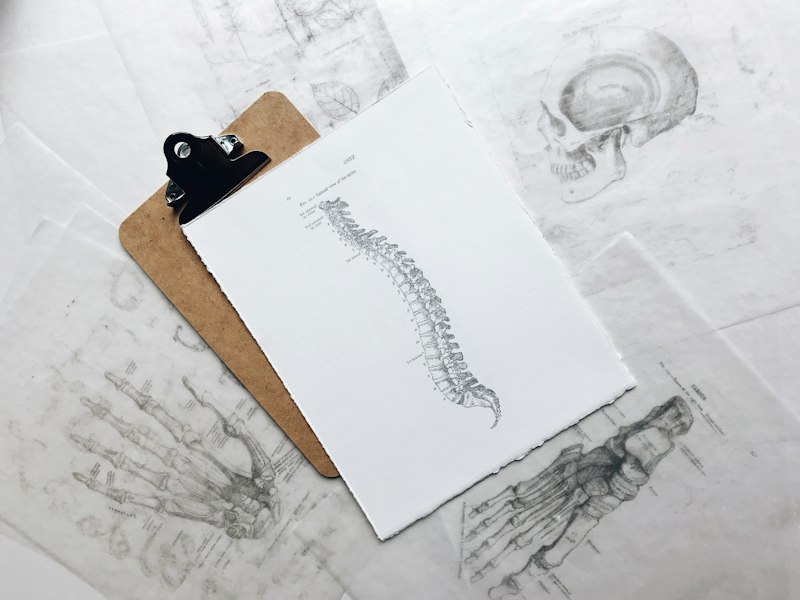
Kyphosis represents a significant deviation from normal spinal alignment, specifically characterized by an exaggerated posterior curvature of the thoracic spine. This condition is commonly referred to in lay terms as “roundback” or “hunchback.” While the thoracic spine naturally possesses a mild kyphotic curve—typically measuring between 20 and 45 degrees—to facilitate proper movement and load distribution, pathological kyphosis is diagnosed when this curvature exceeds the established normal range, often surpassing 50 degrees as measured by the Cobb method. This abnormal curvature leads to a visible rounding of the upper back, frequently resulting in a stooped or hunched posture that affects both cosmetic appearance and biomechanical function. The primary concern with pathological kyphosis is not merely the cosmetic change but the potential for impingement on vital structures, including nerve roots and, in severe cases, the restricted capacity of the thoracic cavity.
The biomechanical implications of excessive kyphosis are profound. When the spinal column curves too far anteriorly, the body’s center of gravity shifts forward, requiring complex compensatory adjustments in other regions of the spine, particularly the cervical (neck) and lumbar (lower back) sections. To maintain an upright gaze and balance, the head must be tilted backward, leading to an increased curvature in the neck known as cervical hyperlordosis. This sustained postural compensation contributes significantly to chronic musculoskeletal issues, including persistent neck pain, tension headaches, and shoulder dysfunction. Furthermore, the musculature surrounding the spine is placed under immense chronic strain; the anterior chest muscles (pectorals) often become tight and shortened, while the posterior stabilizing muscles (erector spinae) become overstretched and functionally weakened. This muscular imbalance perpetuates the abnormal posture, creating a vicious cycle of structural degradation and chronic discomfort, making early identification and intervention crucial for preventing long-term disability.
Historical Context and Medical Recognition
The recognition of spinal deformities dates back to antiquity, with descriptions found in the works of Hippocrates, but the specific medical terminology for this condition emerged during the Renaissance and Enlightenment periods. The term “kyphosis” itself has deep etymological roots, deriving from the ancient Greek word “kyphos,” which literally translates to “bent” or “humped.” This nomenclature accurately captures the visual presentation of the disorder. It was in the 18th century that the term gained formal, standardized medical usage, credited largely to the contributions of Swiss physician Samuel-Auguste Tissot. His systematic approach helped to define and categorize this particular spinal deviation, setting the stage for subsequent detailed classification and understanding among European medical practitioners.
The 19th century brought significant advancements in the differential diagnosis of spinal disorders, thanks to the pioneering work by figures such as the renowned French physician Jean-Martin Charcot. Charcot’s key contribution was the clinical identification and segregation of two fundamental types of kyphosis based on their etiology and potential for correction. He formally distinguished between postural kyphosis, which is flexible, non-structural, and arises from habitual poor posture or muscular weakness, and structural kyphosis, which is fixed and caused by underlying pathology such as bony abnormalities, congenital defects, or disease processes. This crucial distinction remains foundational in modern orthopedics, guiding clinicians toward vastly different treatment protocols ranging from simple physical therapy for flexible cases to complex surgical intervention for rigid structural deformities.
Further historical refinement occurred in the early 20th century with the detailed description of Scheuermann’s disease. Danish radiologist Holger Scheuermann delineated a specific form of structural kyphosis affecting adolescents, characterized by radiographic evidence of wedging in three or more consecutive vertebral bodies and irregularities in the vertebral endplates (often referred to as Schmorl’s nodes). This discovery provided a clear pathological explanation for many cases of adolescent-onset fixed kyphosis that were previously categorized vaguely. Scheuermann’s work enabled more precise diagnosis and facilitated the development of targeted management strategies tailored to the unique growth patterns and mechanical vulnerabilities of the rapidly developing adolescent spine.
Classification of Kyphosis
Modern medicine classifies kyphosis primarily based on its underlying cause, the patient’s age of onset, and the flexibility or rigidity of the curve, as the classification directly impacts treatment planning and prognostic expectations. The major categories are essential for clinical decision-making:
- Postural Kyphosis: This is the most prevalent form, frequently observed in adolescents and young adults. It is typically a consequence of poor ergonomic habits, muscle imbalance, or habitual slouching, particularly during periods of rapid growth. The defining feature of postural kyphosis is its flexibility; the curve is non-structural, meaning it corrects spontaneously when the patient makes a conscious effort to stand straight or when they lie prone. Radiographs show normal vertebral structure without wedging or endplate irregularities. Treatment is generally conservative and highly successful, emphasizing corrective exercises, physical therapy, and education regarding proper ergonomics and posture.
- Scheuermann’s Kyphosis: This is the most common form of structural kyphosis in adolescents, affecting boys more frequently than girls. It is characterized by a rigid, fixed curve that does not correct with changes in position. Radiographically, the diagnosis is confirmed by anterior wedging of 5 degrees or more in at least three adjacent thoracic vertebrae, often coupled with endplate irregularities. The location of the curve is typically the middle or lower thoracic spine, resulting in a sharp, angular deformity rather than the smooth curve seen in postural kyphosis. Management often involves bracing during skeletal maturity to restrict progression, and surgery may be required for severe curves (exceeding 75 degrees) associated with intractable pain or functional limitations.
- Congenital Kyphosis: This severe form arises from developmental defects in the vertebrae that occur during fetal development. It is classified into two main types: Type I, resulting from a failure of vertebral formation (e.g., hemivertebrae), and Type II, resulting from a failure of vertebral segmentation. Because the structural defect is fixed and progressive from birth, congenital kyphosis carries the highest risk of rapid progression and serious neurological compromise, including potential spinal cord compression. Due to its inherent rigidity and progressive nature, surgical intervention, typically involving spinal fusion and sometimes osteotomy, is often required early in childhood to stabilize the spine and preserve neurological integrity.
Etiology: Causes and Risk Factors
The causes of structural kyphosis are highly varied, spanning congenital malformations, traumatic injuries, infectious diseases, chronic degenerative processes, and neuromuscular syndromes. The severity and type of intervention required are intrinsically linked to the underlying causative factor. While some forms, like many cases of Scheuermann’s kyphosis, are considered idiopathic (of unknown cause), others are direct consequences of systemic disease or injury that compromises the structural integrity of the vertebral column.
Degenerative disorders represent a significant etiology, particularly prevalent in the older adult population. Conditions such as osteoporosis, characterized by decreased bone mineral density, render the vertebral bodies highly susceptible to compression fractures. These fractures, often occurring in the anterior aspect of the thoracic vertebrae, result in progressive anterior wedging and a consequent increase in kyphosis—a presentation sometimes referred to clinically as hyperkyphosis. Similarly, advanced degenerative disc disease, coupled with the slow, stiffening fusion associated with inflammatory conditions like ankylosing spondylitis, can cause the spine to become rigidly fixed in a pronounced kyphotic posture. The management in these cases often necessitates a dual approach: addressing the underlying bone health crisis (e.g., pharmacological treatment for osteoporosis) alongside physical therapy for spinal stabilization and pain control.
Furthermore, kyphosis can be a debilitating secondary feature of various systemic conditions. Neuromuscular conditions such as cerebral palsy, muscular dystrophy, and spinal muscular atrophy frequently lead to progressive kyphosis due to chronic muscle imbalance, profound weakness of the trunk musculature, and inadequate postural control. The lack of robust muscular support prevents the spine from maintaining its natural lordotic curve against the force of gravity, leading to progressive collapse and severe deformity over time. Other rarer but impactful causes include infectious diseases, such as tuberculosis of the spine (Pott’s disease), which can aggressively destroy vertebral bodies and intervertebral discs, resulting in acute, severe angular kyphosis, known as a gibbus deformity. Finally, severe trauma, including crush fractures from high-impact accidents, is a clear and immediate contributor to acquired structural kyphosis.
Clinical Characteristics and Associated Symptoms
The clinical presentation of kyphosis varies dramatically depending on the degree of curvature and the presence of underlying pathology. Mild curvatures, typically those measured below 55 degrees, may cause only minor cosmetic concern and minimal pain. However, as the curvature progresses beyond the moderate range, the physical symptoms and functional limitations become increasingly pronounced, affecting multiple bodily systems.
One of the most frequent and debilitating complaints is chronic back pain and muscle tension, localized predominantly in the upper and middle back. The abnormal alignment forces the posterior paraspinal muscles—the extensors—to work overtime in a perpetually stretched and compromised state to counteract the forward lean, leading directly to muscle fatigue, chronic soreness, and debilitating spasms. Patients often report difficulty maintaining an upright posture for extended periods, necessitating frequent rest, and the pain typically intensifies toward the evening. In severe cases, the visual impact of the abnormal curvature is striking; the spine forms a pronounced hump, the patient’s shoulders are rounded forward, and the head is significantly thrust forward and down, often appearing disproportionately anterior to the center of the torso. This aesthetic change can lead to significant psychological distress, negative body image perception, and social withdrawal, particularly among adolescents navigating the emotional complexities of youth.
Beyond musculoskeletal and psychological impacts, severe kyphosis, especially curves exceeding 80 to 90 degrees, can lead to serious cardiopulmonary compromise. The exaggerated anterior compression significantly reduces the volume available within the thoracic cavity, physically impeding the full expansion of the lungs. This mechanical restriction results in a measurable decreased lung capacity, leading to restrictive breathing patterns and chronic shortness of breath (dyspnea), particularly noticeable during physical exertion. In the most extreme and long-standing instances, chronic hypoventilation and impaired gas exchange can potentially contribute to pulmonary hypertension and subsequent strain on the right side of the heart (cor pulmonale). Furthermore, while less common, severe angular deformity can cause direct mechanical stress on the spinal cord, leading to myelopathy, characterized by weakness, sensory loss, and gait disturbances, necessitating immediate surgical evaluation.
Diagnosis and Assessment
The definitive diagnosis of kyphosis requires a thorough, systematic approach combining a comprehensive clinical history, a detailed physical examination, and conclusive radiological imaging. The physical examination begins with a visual assessment of the patient’s posture in both standing and seated positions, observed from the side (sagittal plane). The physician assesses the flexibility of the curve by asking the patient to perform extension maneuvers or lie prone; if the curvature fully or significantly corrects, it is strongly indicative of flexible postural kyphosis. The presence of a sharp, localized prominence (gibbus) might suggest a congenital defect, infectious destruction, or an acute vertebral fracture. A critical component of the assessment is the neurological examination, which must meticulously rule out any signs of nerve root impingement or spinal cord compression, assessing motor strength, sensation, and deep tendon reflexes.
Radiological assessment is mandatory for confirming the diagnosis, accurately determining the severity, and classifying the specific type of kyphosis. The primary imaging modality is the standing lateral radiograph of the entire thoracolumbar spine. The magnitude of the kyphosis is quantitatively measured using the established Cobb angle method. This involves identifying the most tilted superior endplate of the upper end vertebra and the most tilted inferior endplate of the lower end vertebra. Perpendicular lines drawn from these two endplates intersect to form the angle, which defines the degree of the curvature. For the diagnosis of Scheuermann’s kyphosis, specific radiographic criteria, such as the presence of vertebral wedging and Schmorl’s nodes, must be met. Additional advanced imaging, such as Magnetic Resonance Imaging (MRI) or Computed Tomography (CT) scans, are often reserved for cases where neurological symptoms are present, where underlying soft tissue pathology (infection, tumor) is suspected, or for detailed, three-dimensional surgical planning, providing crucial cross-sectional visualization of the spinal canal and bone architecture.
Treatment Modalities
Treatment for kyphosis is highly individualized, contingent upon the patient’s age, the etiology of the curve, the magnitude of the deformity (Cobb angle), and the presence or severity of pain or neurological deficit. Treatment strategies are systematically categorized into observation, conservative management (non-operative), and surgical correction.
Conservative Management: This approach is the initial standard of care for all postural kyphosis cases and for mild to moderate structural curves, typically those measuring less than 70 degrees in skeletally immature adolescents.
- Physical Therapy and Rehabilitation: Physical therapy is the cornerstone of conservative treatment, focusing intensely on correcting muscular imbalances. This involves dedicated strengthening of the posterior extensor muscles (upper back and shoulders) and core stabilizers, coupled with stretching of the chronically tightened anterior flexor muscles (chest and hip flexors). Improved core stability and muscle endurance are vital for maintaining corrected alignment and reducing mechanical strain.
- Spinal Bracing: Bracing is commonly prescribed for adolescents diagnosed with progressive Scheuermann’s kyphosis, particularly when the curve measures between 50 and 75 degrees and the patient still has significant growth remaining. The brace aims to apply corrective external forces to the spine to halt the progression of the curve until skeletal maturity is reached. Compliance with bracing protocols—which typically demand wearing the brace for 18–24 hours per day—is critically important for achieving positive long-term outcomes.
- Pharmacological Management: Non-steroidal anti-inflammatory drugs (NSAIDs) and targeted analgesics may be utilized temporarily to manage acute episodes of pain and muscle inflammation resulting from mechanical stress on the spine and surrounding soft tissues.
Surgical Intervention: Surgery is typically reserved for severe, rigid structural curves (often exceeding 75–80 degrees) that are associated with intractable pain unresponsive to conservative measures, progressive neurological deficit, or severe compromise of respiratory function. The primary goals of surgical correction are to restore sagittal balance, stabilize the spine, and prevent any future progression of the deformity.
- Posterior Spinal Fusion: This is the most prevalent surgical procedure. It involves permanently fusing the affected vertebrae together using advanced instrumentation (titanium rods, screws, and hooks) and bone grafts. This process locks the spine into a significantly more corrected and functional alignment, thereby arresting the progression of the curve and reducing pain.
- Vertebral Column Resection (VCR): For cases of extremely severe, angular deformity, particularly those resulting from congenital defects or trauma, a VCR may be necessary. This highly complex procedure involves the complete removal of one or more vertebral bodies to allow for maximum correction of the sharp angular imbalance, ensuring proper spinal realignment.
Surgical decision-making is complex, requiring careful weighing of the potential risks, including significant blood loss, infection, and potential neurological injury, and must be undertaken by highly experienced orthopedic or neurosurgical specialists.
Prognosis and Long-Term Management
The prognosis for individuals diagnosed with kyphosis is highly dependent on the underlying etiology and the effectiveness of early intervention. Patients diagnosed with simple postural kyphosis generally enjoy an excellent prognosis, often achieving complete correction and full symptom resolution through diligent adherence to physical therapy and postural awareness training. For adolescents with Scheuermann’s kyphosis, the prognosis remains favorable provided the curve is aggressively managed during the growth phase. Curves that are successfully stabilized below 70 degrees are generally less likely to cause significant disability or pain in adulthood, though some chronic stiffness in the fused or affected segment may persist.
Long-term management emphasizes the maintenance of spinal mobility, endurance, and muscle strength throughout life. Even following successful bracing or surgical fusion, patients are strongly encouraged to adhere to a regular, low-impact exercise regimen (such as swimming or yoga) to prevent muscle deconditioning, maintain core stability, and minimize the risk of pain recurrence. Regular clinical and radiological monitoring is also essential for patients who have undergone spinal fusion, particularly concerning the status of adjacent unfused spinal segments, which may be subjected to increased mechanical stress over decades due to the altered load distribution of the corrected spine.
References
The study of spinal kyphosis remains an active area of orthopedic and biomechanical research, continually refining diagnostic criteria and surgical techniques. Key resources contributing to the current understanding and management protocols for this spinal condition include:
- Fernández-de-Las-Peñas, C., & Cleland, J. A. (2012). Spinal kyphosis: a review. Clinical biomechanics, 27(8), 807–813. https://doi.org/10.1016/j.clinbiomech.2012.05.003
- Grimer, R. J., Van der Linden, M. L., & Tillman, R. M. (2008). The history of kyphosis. The Spine Journal, 8(1), 1–6. https://doi.org/10.1016/j.spinee.2007.06.009
- Khan, S. A., & Patel, P. (2018). Kyphosis: A Review. Cureus, 10(8), e3161. https://doi.org/10.7759/cureus.3161