Lateral Gyrus: Mapping the Brain’s Hidden Architect
Scientifically Reviewed · Dr. Marwa Abd-Alazim · September 13, 2026
Review Criteria & Clinical Standards
This content undergoes rigorous scientific peer-review and medical editorial standards at Arab Psychology Network to ensure clinical accuracy, validity, and compliance with evidence-based guidelines from leading psychological and healthcare authorities (APA / WHO).
Introduction to the Lateral Gyrus
The lateral gyrus represents a crucial anatomical and functional subdivision located within the cerebral cortex, specifically residing along the lateral surface of the frontal lobe. As a prominent feature of the human brain’s architecture, this region is intimately involved in coordinating the complex processes collectively known as executive functions. These functions—which include sophisticated planning, abstract reasoning, strategic decision-making, and working memory—are essential for goal-directed behavior and adaptive responses to environmental challenges. Understanding the lateral gyrus is fundamental to comprehending the neural basis of higher-order cognition, as its widespread connectivity allows it to integrate information across diverse sensory and motor systems, thereby governing complex interaction with the environment.
Positioned within the largest lobe of the brain, the frontal lobe, the lateral gyrus contributes significantly to the unique cognitive capabilities that distinguish the human species. Its location makes it a nexus for information flow between posterior processing areas, which are responsible for perception and memory storage, and anterior output areas, which are responsible for behavioral execution. The structural complexity of this gyrus reflects its functional diversity; it is not merely a single processing unit but rather a heterogeneous collection of subregions, each contributing uniquely to the overarching cognitive architecture. Dysfunction within the lateral gyrus has been consistently linked to impairments in behavioral regulation, attentional control, and sophisticated problem-solving abilities, underscoring its critical role in mental health and cognitive integrity across the lifespan.
While the terminology “lateral gyrus” often serves as a general descriptor for the convolutions situated on the lateral aspect of the frontal cortex, detailed neuroanatomy often subdivides this region further, particularly referencing the superior and inferior frontal gyri, which collectively form the lateral expanse. This entry focuses on the significance of this lateral expanse as a cohesive functional unit, emphasizing its role as the primary cortical site for generating and monitoring complex action sequences. Its importance extends beyond simple motor control, encompassing the inhibitory processes necessary to suppress inappropriate actions, thereby ensuring behavior remains flexible, appropriate, and goal-oriented in dynamic social and physical contexts. The continued investigation into the cellular and circuit mechanisms of the lateral gyrus remains a priority in modern neuroscience, aiming to unlock deeper insights into human consciousness and cognitive adaptability.
Anatomical Definition and Location
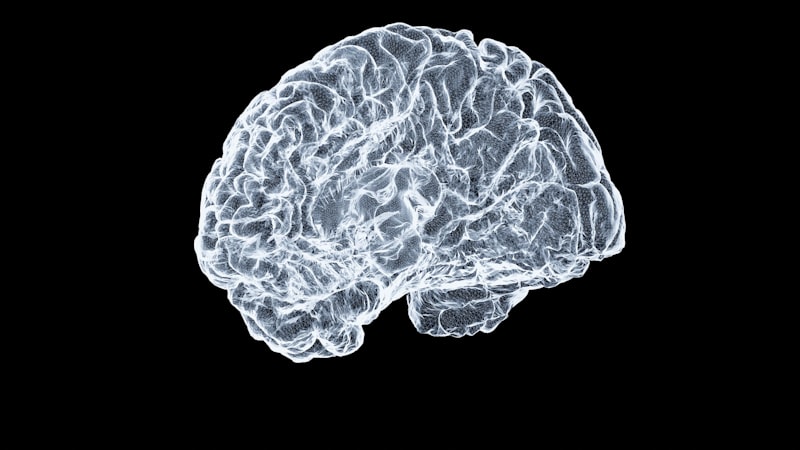
The lateral gyrus is precisely defined as the collection of cortical folds situated on the outermost surface of the frontal lobe, bordered by several key landmarks that delineate its extent. Anatomically, it is bounded superiorly by the superior frontal gyrus, medially by the medial frontal gyrus, which is often associated with the supplementary motor area, and posteriorly by the precentral gyrus, which houses the primary motor cortex. This strategic placement ensures that the lateral gyrus is optimally positioned to receive highly processed sensory information and translate cognitive plans into motor instructions. The deep fissures and sulci surrounding the gyrus, such as the superior and inferior frontal sulci, serve to increase the surface area available for neuronal processing, reflecting the density and complexity of the neural circuits contained within this critical association area.
The accepted neuroanatomical convention divides the lateral gyrus into two primary components: the superior lateral gyrus and the inferior lateral gyrus, separated generally by the inferior frontal sulcus. The superior lateral gyrus occupies the dorsal portion of the lateral surface and is heavily connected to areas involved in spatial working memory and attention, particularly projecting toward the parietal lobe. This dorsal stream is often associated with the ‘where’ pathway of processing. Conversely, the inferior lateral gyrus, situated ventrally, is crucial for processes related to language articulation and semantic retrieval, encompassing Broca’s area in the dominant hemisphere. While these two divisions possess distinct functional specializations, they operate in concert, facilitated by dense intracortical fiber bundles that allow for rapid and seamless communication necessary for executing complex cognitive tasks.
From a cytoarchitectural perspective, the lateral gyrus is characterized by the six-layered structure typical of the neocortex, though specific regional variations exist, notably in the thickness and cellular density of layers III and V. Layer III is associated with complex associative processing, while Layer V is responsible for descending motor output. The superior lateral gyrus often corresponds largely to Brodmann Area (BA) 8 and parts of BA 9, regions known for their involvement in visual attention, gaze control, and higher-order executive control. The inferior lateral gyrus encompasses BAs 44, 45, and 47, which are classically defined as integral components of the language network and verbal working memory. This anatomical subdivision into specific Brodmann areas highlights the functional heterogeneity embedded within the overall structure, emphasizing that the “lateral gyrus” is a high-level descriptor for a mosaic of specialized cortical processing units working in a coordinated fashion.
Historical Context and Early Descriptions
The systematic study and identification of the cortical gyri, including the lateral gyrus, emerged during the burgeoning era of modern neuroanatomy in the early 19th century. Prior to this period, descriptions of the brain often lacked the precision necessary to differentiate specific convolutions reliably. The foundational work defining the superior and inferior components of the lateral gyrus is primarily attributed to the meticulous observations of the German anatomist, Johann Friedrich Meckel. In his influential anatomical treatise, Handbuch der Anatomie des Menschen, published in 1820, Meckel provided one of the earliest comprehensive mappings of the human cerebral surface, accurately identifying the major sulci and gyri that structure the frontal lobe, thereby providing a standardized nomenclature for future researchers.
Meckel’s seminal contribution involved not only the precise delineation of the surface geometry but also the careful notation of the topographical relationship of the lateral gyrus to neighboring structures, particularly its connections to the precentral gyrus and the superior frontal gyrus. This early recognition of connectivity was crucial, foreshadowing later discoveries regarding functional circuits, emphasizing that no single gyrus operates in isolation. By distinguishing between the superior and inferior parts of the lateral gyrus, Meckel laid the groundwork for subsequent researchers to explore the differential functional roles of these two subregions, a distinction that remains paramount in contemporary neuroscience, particularly concerning the segregation of dorsal streams involved in spatial processing and ventral streams involved in linguistic and emotional processing.
Following Meckel’s initial anatomical description, the significance of the lateral frontal cortex was further elucidated through clinical case studies and the development of cytoarchitectural mapping techniques, most notably by Korbinian Brodmann in the early 20th century. While Meckel focused on gross anatomy, later researchers correlated specific structural divisions within the lateral gyrus with distinct behavioral deficits observed in patients with localized brain injuries. The classic understanding of the frontal lobe’s role in personality and executive function, spurred by cases like Phineas Gage, solidified the importance of the entire lateral frontal expanse as the central hub for behavioral control, transitioning the study of the lateral gyrus from pure morphology to functional neurophysiology, paving the way for modern cognitive psychology and neuroimaging.
Functional Roles: Executive Control and Cognition
The primary functional designation of the lateral gyrus centers on its involvement in executive functions (EFs), a complex set of cognitive processes required for selecting, organizing, and monitoring behaviors necessary to achieve a specific goal. These functions are often subdivided into core components, all of which rely heavily on the integrity of the lateral frontal cortex. Core executive functions managed by this region include inhibition, which is the ability to suppress irrelevant information or inappropriate actions; shifting, which is the capacity to flexibly switch between different tasks or mental sets; and updating, which involves the continuous monitoring and manipulation of information within working memory. The superior lateral gyrus (DLPFC) is particularly crucial for mediating the effortful, controlled deployment of these resources.
A critical component of executive control mediated by the lateral gyrus is strategic decision-making. This process involves evaluating potential outcomes, weighing complex risks and rewards, and selecting the optimal course of action, often under conditions of high uncertainty or novelty. Studies utilizing functional neuroimaging consistently demonstrate heightened activity within the lateral frontal cortex during tasks requiring strategic planning and complex choice selection, suggesting that this area calculates the predicted value of divergent behavioral trajectories. Damage to this area often results in impulsive behavior, poor judgment, and an inability to foresee the long-term consequences of actions, reflecting a severe disruption in the neural mechanisms of rational choice and future planning.
Furthermore, the lateral gyrus is indispensable for effective complex problem solving. This requires maintaining multiple constraints and pieces of information simultaneously in the mental workspace (working memory), identifying discrepancies or conflicts, generating novel solutions, and monitoring the success or failure of implemented strategies against the predefined goal state. The integration of information from posterior sensory cortices—such as visual and auditory data—with internal motivational states occurs efficiently within the lateral gyrus, allowing for the construction of comprehensive mental models necessary for abstract thought and reasoning. The complexity of these functions demands robust connectivity, which is provided by major white matter tracts, including the superior longitudinal fasciculus, linking the lateral gyrus to distant parietal and temporal association areas.
Involvement in Language and Memory Processing
While executive functions dominate the superior aspects of the lateral gyrus, the inferior lateral gyrus plays a pivotal, specialized role in language processing, primarily encompassing the regions classically associated with Broca’s area (BAs 44 and 45). This area is fundamental for the production of coherent speech, involving the complex motor planning required for articulation, as well as crucial grammatical processing, including the assignment of syntactic roles. Damage to the inferior lateral gyrus in the dominant hemisphere typically results in expressive aphasia, characterized by halting speech, difficulty forming grammatically correct sentences, and effortful verbal output, confirming its central role in syntax, phonological assembly, and the control of speech apparatus.
Beyond the mechanics of speech production, the lateral gyrus contributes significantly to higher-level language comprehension, particularly concerning the semantic and syntactic complexity of input. It assists in maintaining ambiguous linguistic information in working memory until sufficient context is gathered from the ongoing discourse to resolve meaning. The ventral portions of the lateral frontal cortex are also highly active during tasks requiring semantic retrieval—the active process of accessing the meaning of words and concepts stored in long-term memory. This suggests that while posterior temporal regions store the bulk of semantic knowledge, the lateral gyrus is crucial for the active, controlled retrieval, selection, and manipulation of that knowledge during conversational or reading tasks, particularly when multiple meanings must be disambiguated.
In the domain of memory, the lateral gyrus functions not as a passive storage site but rather as an essential component of the memory control system. It is critically involved in working memory—the capacity to temporarily hold and manipulate information necessary for immediate tasks. The superior lateral gyrus (DLPFC) is especially active during tasks involving the maintenance and manipulation of spatial and verbal working memory buffers. Moreover, it plays a key role in episodic memory retrieval, specifically the effortful process of searching memory stores, monitoring the veracity and context of retrieved information (source monitoring), and rejecting incorrect or interfering memories. This monitoring function ensures that the cognitive system maintains accurate memory reports and distinguishes between real events and internal confabulations or intrusions.
Emotional Regulation and Behavioral Significance
The lateral gyrus, particularly through its dense connections with subcortical limbic structures and the medial prefrontal cortex, is integral to the cognitive regulation of emotional processing. Although the frontal lobe is often conceptually divided into ‘hot’ regions (associated with immediate affective responses) and ‘cold’ regions (associated with cognitive control), the two systems are densely interconnected and constantly interact. The lateral gyrus exerts crucial top-down control over subcortical areas like the amygdala and the ventral striatum, allowing individuals to modulate intense emotional reactions, reappraise emotionally charged stimuli, and inhibit impulsive, affect-driven behaviors. This capacity for cognitive reappraisal and suppression of immediate emotional urges is a hallmark of healthy behavioral flexibility and emotional intelligence.
The involvement of the lateral gyrus in emotional tasks is often observed during activities requiring self-reflection or the internal monitoring of one’s own mental and affective states. When individuals are asked to evaluate their own feelings, intentions, moral choices, or social standing, activation is frequently detected in the most anterior and lateral regions of the frontal cortex, specifically BA 10. This reflective capacity links executive function, particularly monitoring and perspective-taking, with emotional awareness, allowing individuals to align their actions with internal moral standards, social norms, and long-term personal goals. Deficiencies in this regulatory loop can lead to severe issues in social behavior, including inappropriate emotional displays, difficulty recognizing social cues, or a profound inability to adhere to complex community rules.
The overarching behavioral significance of the lateral gyrus lies in its role as the brain’s chief architect for complex, context-dependent behavior. It integrates motivation (from medial frontal areas), sensory input (from posterior areas), and emotional valence (from ventral areas) to produce adaptive, voluntary actions. This integration is particularly evident in tasks requiring the coordination of multiple actions over extended time periods, such as sequential task completion, long-term project management, or navigating novel social situations. The efficient functioning of the lateral gyrus is therefore foundational to independent living, successful social competence, and the attainment of long-term goals, making it a critical focus for understanding conditions that impair complex behavioral output.
Clinical Relevance and Related Disorders
Given its central role in executive functions, language, and emotional regulation, dysfunction within the lateral gyrus is implicated in a wide spectrum of neurological and psychiatric disorders. Lesions resulting from stroke, trauma, or tumor growth targeting the lateral frontal cortex often lead to the classic frontal lobe syndrome, characterized by a debilitating triad of symptoms: severe executive dysfunction (poor planning, lack of inhibition, impaired sequencing), emotional dysregulation (apathy or disinhibition), and cognitive rigidity (perseveration and difficulty shifting mental sets). These cumulative deficits severely compromise an individual’s ability to manage daily life, maintain employment, and interact effectively in complex social environments.
Several major psychiatric conditions are strongly associated with structural or functional abnormalities in the lateral gyrus circuitry. In Schizophrenia, extensive evidence reports hypofrontality—reduced activation or metabolic activity—in the dorsolateral prefrontal cortex (a key part of the superior lateral gyrus) during tasks requiring working memory and sustained attention. This functional deficit is believed to underlie core symptoms such as disorganized thought, impaired cognitive control, and difficulty filtering irrelevant stimuli. Similarly, Attention-Deficit/Hyperactivity Disorder (ADHD) is increasingly understood as a disorder of impaired executive control, with neuroimaging pointing to deficiencies in the maturation and function of the lateral frontal networks responsible for inhibitory control and the maintenance of sustained effort toward non-immediate goals.
Furthermore, the lateral gyrus is deeply involved in affective disorders. In major Depressive Disorder, altered connectivity or reduced volume within the lateral frontal cortex has been observed, potentially impacting the patient’s ability to utilize cognitive strategies, such as reappraisal, to regulate negative emotions and break cycles of rumination. Conversely, in conditions like Obsessive-Compulsive Disorder (OCD), atypical patterns of hyper-activation in the lateral gyrus and its connection to the basal ganglia suggest a failure in the inhibitory control mechanisms, leading to the generation and maintenance of repetitive, intrusive thoughts and compulsive ritualistic behaviors. Therapeutic interventions, ranging from cognitive behavioral therapy to targeted neurosurgery, often seek to restore the optimal functional balance within the regulatory loops involving the lateral gyrus.
Conclusion and Future Research Directions
The lateral gyrus stands as a cornerstone of the human brain, integrating foundational anatomical structures with sophisticated cognitive functionality. Its critical dual role in managing high-level executive control, including planning, inhibition, and complex decision-making, while simultaneously supporting domain-specific processes like language articulation and effortful memory retrieval, underscores its necessity for adaptive and successful human behavior. From the early anatomical definitions provided by Meckel two centuries ago to contemporary functional imaging studies that map neural networks in exquisite detail, the understanding of this region has continuously evolved, solidifying its place as the primary seat of rational thought and complex behavioral orchestration.
Future research in neuroscience is increasingly focused on resolving the fine-grained circuitry and cellular mechanisms that enable the lateral gyrus to perform its integrative functions with such precision. Specifically, efforts are underway to map the precise laminar distribution of connectivity and to identify the role of specific neuronal subtypes, such as GABAergic interneurons, in generating the rhythmic oscillatory activity—like gamma waves—believed to coordinate information flow during crucial executive and working memory tasks. Advances in optogenetics, chemogenetics, and single-cell sequencing promise to reveal how genetic predispositions and environmental factors translate into microstructural and functional deficits within these critical frontal circuits, offering new, highly specific targets for pharmacological and neuro-modulatory treatments for cognitive disorders.
The clinical application of lateral gyrus research is also rapidly expanding, moving from observation to intervention. Non-invasive brain stimulation techniques, such as Transcranial Magnetic Stimulation (TMS) and transcranial Direct Current Stimulation (tDCS), are being investigated extensively as safe and effective methods to modulate activity in the lateral frontal cortex to improve symptoms in conditions ranging from chronic depression and schizophrenia to post-stroke aphasia and cognitive decline. The long-term goal remains the development of personalized interventions based on detailed functional mapping of individual lateral gyrus connectivity, moving beyond generalized anatomical descriptions toward highly specific, circuit-based therapies that can effectively restore optimal executive function and cognitive flexibility in affected patients.
References
The foundational research and contemporary understanding of the lateral gyrus are built upon key anatomical and functional studies, including those noted in the early descriptions and modern cognitive neuroscience:
- Meckel, J. F. (1820). Handbuch der Anatomie des Menschen. Erster Theil. Berlin, C. F. Bohn.
- Catani, M., Jones, D. K., Donato, R., & Ffytche, D. H. (2003). Occipito-temporal connections in the human brain. Brain, 126(7), 2093-2107.
- Fuster, J. M. (2008). The Prefrontal Cortex: Anatomy, Physiology, and Neuropsychology of the Frontal Lobe. Lippincott Williams & Wilkins.
- Pessoa, L. (2008). On the relationship between emotion and cognition. Nature Reviews Neuroscience, 9(2), 148-158.
- Vogt, B. A., Finch, D. M., & Olson, C. R. (1992). Functional heterogeneity in cingulate cortex: the anterior executive and posterior evaluative regions. Cerebral Cortex, 2(3), 435-443.