Learning Disabilities: Unlocking Your Unique Neural Map
Scientifically Reviewed · Dr. Marwa Abd-Alazim · October 1, 2026
Review Criteria & Clinical Standards
This content undergoes rigorous scientific peer-review and medical editorial standards at Arab Psychology Network to ensure clinical accuracy, validity, and compliance with evidence-based guidelines from leading psychological and healthcare authorities (APA / WHO).
Defining Learning Disabilities: A Neurological and Conceptual Framework
Learning Disabilities (LDs) represent a complex and diverse spectrum of neurological disorders that fundamentally alter the way an individual acquires, processes, retains, and expresses information. Unlike global intellectual impairments, such as intellectual disability, LDs are characterized by a specific and often perplexing discrepancy between an individual’s innate intelligence and their actual academic achievement. These conditions are not the result of a lack of motivation, poor instruction, or sensory deficits like vision or hearing loss; rather, they stem from intrinsic differences in brain structure and function. These neurological variations interfere with the brain’s ability to efficiently interpret incoming sensory data or to produce a coherent output, such as spoken language, written text, or mathematical reasoning. This fundamental difference in cognitive architecture can manifest in a multitude of ways, creating pervasive challenges that extend from foundational academic skills to complex social interactions and daily organizational requirements.
At the core of a learning disability is the understanding that it is a reflection of how the brain is “wired” to handle specific types of information rather than a commentary on a person’s overall intellectual capacity. For example, an individual with dyslexia might possess superior verbal reasoning and creative problem-solving abilities while simultaneously struggling with the phonological processing required for basic reading and spelling. This specific nature of LDs highlights that one or more cognitive processes—such as attention, memory, executive function, language processing, or perceptual-motor skills—function differently, thereby impeding the seamless mastery of academic content. The underlying mechanisms are often highly complex, involving a range of cognitive deficits that can overlap and interact, resulting in a unique profile of strengths and challenges for every affected individual.
The implications of these neurological differences are far-reaching, profoundly influencing an individual’s overall development and day-to-day functioning across the lifespan. While the challenges are often most visible within the classroom environment, the effects of a learning disability can permeate social interactions, vocational success, emotional well-being, and communication effectiveness. It is vital to recognize that LDs are lifelong conditions; however, their outward manifestations and the strategies used to manage them can evolve significantly over time with targeted intervention and support. Current clinical estimations suggest that approximately 5% to 10% of the general population experiences some form of learning disability, highlighting the widespread nature of these disorders and their substantial impact on public health and educational systems.
Furthermore, the conceptualization of learning disabilities has shifted toward a more holistic understanding of neurodevelopmental diversity. This perspective acknowledges that while the primary symptoms may be academic, the underlying neurological profile often affects how a person navigates their entire world. For instance, the same processing delays that hinder reading fluency may also make it difficult for an individual to follow multi-step verbal directions in a fast-paced work environment. By viewing LDs through this broader lens, educators and clinicians can move beyond mere remediation of academic skills to a more comprehensive approach that supports the individual’s social-emotional health and functional independence in adulthood.
The Biological Architecture and Cognitive Neuroscience of Learning Differences
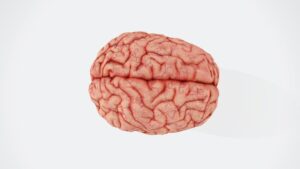
The fundamental mechanism underlying learning disabilities involves specific variations in brain organization and neural functioning, particularly within the networks responsible for cognitive processes essential for learning. Advances in cognitive neuroscience and neuroimaging have identified distinct variations in brain regions associated with language, memory, attention, and executive functions. For instance, neuroimaging studies on individuals with dyslexia frequently reveal atypical activation patterns and structural differences in the left hemisphere’s perisylvian region, an area critical for phonological processing. These biological differences can lead to significant inefficiencies in how the brain processes sounds, maps those sounds to visual symbols, or retrieves verbal information, making the tasks of decoding and encoding written language far more cognitively demanding than they are for neurotypical individuals.
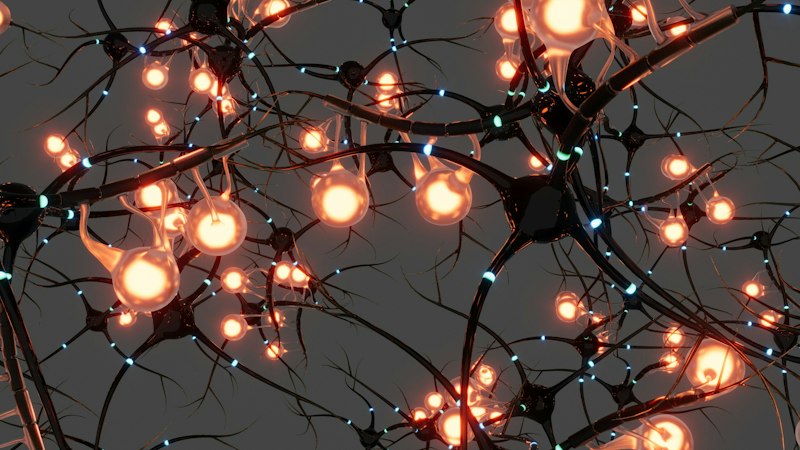
Beyond localized differences in specific brain regions, learning disabilities often involve disruptions in neural connectivity and communication between various parts of the brain. Effective learning, such as reading or mathematical problem-solving, requires the seamless integration of information across multiple systems, including visual processing, auditory processing, and language comprehension areas. If the white matter tracts connecting these regions are less robust or if the timing of neural firing is asynchronous, the integration of information necessary for fluent learning is disrupted. Similarly, dyscalculia has been linked to structural and functional differences in the intraparietal sulcus, a brain region implicated in number sense and magnitude estimation, which affects an individual’s ability to intuitively grasp numerical concepts and perform operations.
These neurological variations are typically genetic or neurodevelopmental in origin, meaning they are present from birth or occur during early developmental stages. They are not the result of environmental factors such as inadequate teaching, lack of cultural exposure, or low socioeconomic status, although such environmental factors can certainly exacerbate the severity of the disability or influence the success of interventions. Understanding these neurological underpinnings is vital because it shifts the clinical perspective of learning difficulties from a behavioral or motivational deficit to a biologically based difference that requires specific, evidence-based interventions. This shift reduces the stigma often associated with academic failure and places the focus on providing the appropriate “instructional fit” for the individual’s unique brain profile.
Crucially, the concept of neuroplasticity provides a foundation for hope and effective treatment. While the underlying neurological architecture of a learning disability is persistent, the brain remains capable of reorganization and growth throughout life. Targeted, intensive interventions—such as explicit phonics instruction or multisensory math strategies—are designed to leverage this plasticity, helping individuals develop alternative neural pathways or strengthen existing ones to compensate for areas of inherent difficulty. By providing the brain with the specific types of stimulation it needs, educators can help “rewire” these pathways, improving the efficiency of information processing and allowing the individual to bypass or overcome their specific cognitive hurdles.
A Historical Evolution: From “Word Blindness” to Contemporary Frameworks
The concept of learning disabilities has undergone a significant evolution over the past century, transitioning from early medical observations of specific deficits to a sophisticated neurodevelopmental framework. Initial recognition of these challenges dates back to the late 19th and early 20th centuries, when physicians first documented cases of “word blindness.” These were individuals who, despite having intact vision and average to high intelligence, were unable to learn to read. Pioneering figures such as Dr. W. Pringle Morgan, who described a case of “congenital word-blindness” in 1896, and Dr. James Hinshelwood, an ophthalmologist who conducted extensive studies on developmental reading disorders, laid the foundational groundwork for understanding that these were not visual impairments but neurological conditions affecting language processing.
In the United States, the work of neuropsychiatrist Dr. Samuel T. Orton during the 1920s and 1930s was particularly transformative. Orton proposed that developmental dyslexia, which he called strephosymbolia (meaning “twisted symbols”), was rooted in a lack of cerebral dominance, suggesting that individuals with dyslexia struggled with visual-spatial processing and left-right confusion. Orton’s emphasis on the necessity of multisensory teaching methods, developed in collaboration with educator Anna Gillingham, revolutionized intervention strategies. Their approach, which integrated visual, auditory, and kinesthetic-tactile pathways, remains a gold standard in the treatment of reading disabilities today. Throughout the mid-20th century, the medical and educational communities began to recognize that these difficulties extended beyond reading to include writing and mathematics, often using the broad and somewhat vague term “minimal brain dysfunction.”
A defining moment in the history of the field occurred in 1963 when Dr. Samuel Kirk, an educator and researcher, coined the term “learning disabilities” during a conference in Chicago. This term served as a unifying framework, moving the conversation away from vague medical jargon toward a description of specific academic challenges that could be identified and addressed through educational intervention. The term was rapidly adopted, fueled by the advocacy of parent groups who were desperate for formal recognition and appropriate services for their children. This grassroots momentum eventually led to landmark legislation, most notably the Education for All Handicapped Children Act of 1975, which has evolved into the Individuals with Disabilities Education Act (IDEA). This legislation mandated that public schools provide a free and appropriate public education (FAPE) to all children with disabilities, including those with specific learning disabilities.
The modern era of learning disability research is characterized by an integration of neuroscience, genetics, and cognitive psychology. We now understand that LDs are not a single entity but a collection of distinct yet often overlapping conditions. The refinement of diagnostic criteria in the Diagnostic and Statistical Manual of Mental Disorders (DSM-5) reflects this evolution, emphasizing “Specific Learning Disorder” as a single overarching category with specifiers for reading, writing, and mathematics. This historical journey reflects a broader societal shift toward recognizing individual differences and ensuring that all learners, regardless of their neurological profile, have the right to access effective education and reach their full potential.
Typologies of Learning Disabilities: Specific Manifestations and Characteristics
Learning disabilities are not a monolithic condition; rather, they encompass several distinct types, each defined by specific challenges in particular academic and cognitive domains. The most frequently diagnosed forms include dyslexia, dyscalculia, dysgraphia, and dyspraxia. These conditions stem from unique neurological processing differences and can occur in isolation or, quite commonly, in combination with one another. Because these disabilities are highly individualized, two people with the same diagnosis may present with very different clusters of symptoms. Understanding these specific manifestations is essential for accurate diagnosis and the development of targeted, evidence-based intervention plans that address the precise nature of the individual’s learning difficulty.
Dyslexia is the most prevalent learning disability, estimated to affect up to 15% of the school-aged population. It is primarily characterized by significant difficulties with accurate and fluent word recognition, poor spelling, and weak decoding abilities. These challenges typically arise from a deficit in the phonological component of language—the ability to identify and manipulate the individual sounds (phonemes) that make up words. Individuals with dyslexia often struggle with phonemic awareness, phonics (linking sounds to letters), and reading fluency, which in turn can severely hamper reading comprehension. As the cognitive load required to decode each word increases, the brain has fewer resources available to extract meaning from the text, leading to a cascade of academic challenges in all subjects that rely on reading.
Beyond the realm of reading, dyscalculia specifically impacts an individual’s ability to understand and manipulate numbers and mathematical concepts. Those with dyscalculia may struggle with basic tasks such as counting, recognizing number magnitudes, memorizing math facts, and performing mental calculations. This disability often stems from a fundamental weakness in number sense—the intuitive understanding of what numbers represent—as well as difficulties with spatial organization and working memory. Similarly, dysgraphia is a learning disability that affects writing skills, manifesting as illegible handwriting, inconsistent letter spacing, and significant difficulty with the mechanical and organizational aspects of writing. Individuals with dysgraphia may have a clear understanding of a topic but find it nearly impossible to translate their thoughts into written form, often struggling with spelling, grammar, and punctuation simultaneously.
Finally, dyspraxia, also known as Developmental Coordination Disorder (DCD), affects an individual’s fine and gross motor coordination, balance, and motor planning. While not strictly an academic disability in the same sense as dyslexia, dyspraxia can profoundly impact a student’s ability to perform school-related tasks such as writing, drawing, using scissors, or participating in physical education. The difficulty in planning and executing motor movements can lead to frustration and a sense of “clumsiness” that affects both academic performance and social integration. Recognizing the overlap between these conditions is vital, as many individuals may struggle with a combination of these challenges, requiring a multi-faceted approach to support and accommodation.
The Ripple Effect: Social-Emotional and Executive Functioning Challenges
While the academic hurdles associated with learning disabilities are often the primary focus of diagnosis, the impact of these neurological differences frequently extends into critical non-academic domains. Specifically, LDs can significantly affect an individual’s social-emotional development and their capacity for executive functioning. These broader challenges are often intricately linked to the primary learning difficulties, creating a complex web of obstacles that can undermine self-esteem, hinder peer relationships, and complicate daily life. The same cognitive processing differences that make reading or math difficult can also make it challenging to navigate the nuanced and rapidly changing demands of social interaction and self-regulation.
Many individuals with learning disabilities encounter significant obstacles in social communication. For instance, the language processing deficits common in dyslexia can extend to difficulty understanding subtle social cues, interpreting non-literal language such as sarcasm or idioms, and following complex, multi-person conversations. This can make it difficult to initiate and maintain friendships, understand unspoken social norms, or communicate effectively in group settings. Individuals may misinterpret the intentions of others, struggle with the “give-and-take” of conversation, or find it hard to express their own thoughts and feelings clearly. These challenges often lead to feelings of social isolation and frustration, placing the individual at a higher risk for developing anxiety or depression, particularly during the socially sensitive years of adolescence.
Furthermore, learning disabilities are frequently comorbid with, or directly impact, executive functioning skills. Executive functions are the “command center” of the brain, responsible for cognitive processes such as planning, organization, task initiation, time management, working memory, and impulse control. Individuals with LDs often struggle immensely with these skills, finding it nearly impossible to organize their materials, plan long-term projects, or manage their time effectively. These difficulties manifest as chronic disorganization, procrastination, and trouble completing multi-step tasks. The constant, exhausting effort required to compensate for these executive function weaknesses can lead to profound mental fatigue and contribute to a persistent sense of inadequacy, further exacerbating the academic and social pressures the individual faces.
The emotional toll of living with a learning disability should not be underestimated. Years of struggling with tasks that seem to come easily to others can lead to a “learned helplessness” and a significant decline in academic self-concept. Without appropriate support, individuals may begin to internalize their struggles as a personal failing rather than a neurological difference. This emphasizes the need for a holistic intervention approach that goes beyond academic tutoring to include social skills training, executive function coaching, and psychological support. By addressing the social and emotional components of the disability, educators and clinicians can help individuals build the resilience and self-advocacy skills necessary to navigate the challenges of adulthood.
Clinical Case Study: Analyzing Dyslexia through the Experience of Alex
To truly understand the lived experience of a learning disability, it is helpful to examine a real-world scenario that illustrates how these neurological differences manifest in daily life. Consider Alex, a bright and articulate 8-year-old with a passion for science and a high level of curiosity. Despite his intelligence and the supportive educational environment provided by his school, Alex struggles profoundly with reading. He reads slowly and laboriously, often mispronouncing common words and frequently guessing at unfamiliar terms based on the first letter or accompanying pictures. This scenario provides a vivid illustration of how dyslexia can impact a student’s academic journey, regardless of their overall intellectual potential.
In Alex’s case, the mechanics of his learning difficulty unfold through a failure in the initial steps of information processing. When Alex encounters a word like “thought,” his brain experiences significant difficulty with phonological processing—the ability to break the word down into its constituent phonemes and then blend them back together. He may not recognize that the “th” functions as a single sound, or he may struggle to connect the “ought” string to its specific vowel sound. Because so much of his cognitive energy is consumed by the exhausting task of decoding each individual word, his working memory capacity for understanding the overall meaning of the sentence is severely diminished. This leads to poor comprehension, even though he is perfectly capable of understanding the same information if it is read aloud to him.
The application of psychological and educational principles in Alex’s situation involves a two-pronged approach: remediation and accommodation. A specialist would likely employ a multisensory structured literacy approach, such as the Orton-Gillingham method. This intervention teaches phonics rules explicitly and systematically, utilizing visual, auditory, and kinesthetic-tactile pathways simultaneously. For example, while learning the “th” sound, Alex might see the letters, hear the sound, say it aloud, and trace the letters in a tray of sand. This multisensory engagement helps to build and strengthen the neural pathways required for sound-symbol correspondence. Through this intensive, repetitive practice, the process of decoding can eventually become more automatic, freeing up cognitive resources for comprehension.
In addition to direct instruction, accommodations play a critical role in Alex’s success. These strategies are designed to “level the playing field” by bypassing the area of weakness. For Alex, this might include the use of audiobooks (allowing him to access high-level science content), extended time on tests to account for his slower reading speed, and the use of text-to-speech software. These accommodations do not reduce the academic rigor of his work; instead, they ensure that his reading disability does not prevent him from demonstrating his true knowledge and intelligence. By combining targeted remediation with thoughtful accommodations, Alex can maintain his motivation and continue to excel in his areas of strength, such as science, while gradually improving his literacy skills.
Diagnostic Pathways and Multidisciplinary Assessment Strategies
The effective management of learning disabilities begins with a comprehensive and accurate diagnostic process. Because LDs are complex and multifaceted, identification typically requires a multidisciplinary team of professionals, including educational psychologists, special education teachers, speech-language pathologists, and sometimes neuropsychologists or pediatricians. The goal of a diagnostic evaluation is not simply to “label” a child, but to create a detailed map of their cognitive profile, identifying both their specific areas of deficit and their underlying intellectual strengths. This comprehensive understanding is essential for ensuring that the resulting diagnosis leads directly to an actionable, individualized educational and therapeutic plan.
The assessment process generally involves a battery of standardized tests designed to measure various aspects of cognitive and academic functioning. These typically include intelligence tests (to establish cognitive potential) and achievement tests (to measure current skills in reading, writing, and math). Furthermore, clinicians assess specific processing abilities, such as phonological processing, working memory, processing speed, and visual-spatial reasoning. A key component of the diagnosis is the “unexpectedness” of the difficulty—the fact that the student’s academic struggles are not explained by their overall intelligence or by external factors like poor school attendance. Modern diagnostic models, such as Response to Intervention (RTI), also look at how a student responds to increasingly intensive scientific, research-based instruction before making a formal diagnosis.
Early identification is perhaps the most critical factor in determining long-term outcomes. Research consistently demonstrates that the sooner a learning disability is identified and addressed, the more effective the intervention will be. Early support can prevent the “Matthew Effect”—a phenomenon where the gap between struggling readers and their peers widens exponentially over time. Beyond the academic benefits, early diagnosis helps protect a child’s emotional well-being by providing an explanation for their struggles, which can prevent the development of low self-esteem and school-related anxiety. It allows the focus to shift from “what is wrong with the child” to “what kind of support does this child need to succeed.”
Following the assessment, the findings are synthesized into a formal report that guides the creation of an Individualized Education Program (IEP) or a 504 Plan. These legal documents outline the specific services, accommodations, and goals tailored to the student’s needs. The diagnostic process should be viewed as an ongoing dialogue rather than a one-time event; as the child grows and the academic demands increase, their needs may change, requiring periodic re-evaluation. This ensures that the support system remains dynamic and responsive to the individual’s evolving profile, ultimately empowering them to navigate their educational journey with confidence and the necessary tools for success.
Evidence-Based Interventions and Educational Support Mechanisms
Once a learning disability has been identified, the focus shifts to the implementation of evidence-based interventions and support strategies. These interventions differ significantly from standard classroom instruction in their intensity, frequency, and methodology. Effective instruction for individuals with LDs must be explicit, systematic, and cumulative. This means that skills are taught directly rather than through discovery, concepts are introduced in a logical sequence from simplest to most complex, and new learning is constantly integrated with previous knowledge. For example, a student with dyscalculia may require intensive one-on-one instruction using concrete manipulatives (like blocks or beads) to build a solid understanding of number values before moving on to abstract mathematical symbols.
In addition to specialized instruction, accommodations are essential for allowing students with LDs to access the general education curriculum. Accommodations are changes in how a student learns or demonstrates knowledge; they do not change *what* the student is expected to learn. Common accommodations include:
- Extended time on tests and assignments to account for processing delays.
- Preferential seating to minimize distractions and improve focus.
- Assistive technology, such as speech-to-text software, audiobooks, and graphic organizers.
- Modified testing formats, such as oral testing or the use of a calculator.
- Note-taking assistance, such as providing teacher outlines or using digital recording devices.
These tools are vital because they remove the barriers created by the disability, allowing the student’s true intelligence and understanding to shine through.
A truly comprehensive approach to intervention often incorporates various therapeutic modalities to address underlying processing deficits. Speech and language therapy is frequently necessary for individuals with phonological processing issues or difficulties with expressive language. Occupational therapy (OT) can be transformative for those with dysgraphia or dyspraxia, focusing on improving fine motor skills, handwriting, and sensory regulation. OT can also help students develop executive functioning strategies for organization and time management. In some cases, psychological counseling is a necessary component of the intervention plan, helping the individual cope with the emotional impact of their learning differences and develop the resilience needed to persevere through academic challenges.
The ultimate goal of these interventions and supports is to foster self-advocacy. As students with learning disabilities move through the educational system, it is crucial that they understand their own learning profile—their strengths as well as their weaknesses. They need to learn how to articulate their needs to teachers and employers and how to use the tools and strategies that work best for them. This transition from being a recipient of support to being an active advocate for one’s own needs is a hallmark of success for individuals with LDs, ensuring they are prepared for the demands of higher education and the workforce.
The Broader Significance: Research, Policy, and the Neurodiversity Movement
The study and understanding of learning disabilities hold profound significance for psychology, education, and society at large. From a psychological perspective, LD research has deepened our comprehension of human cognition and the modular nature of the brain. By observing how specific learning processes can be selectively impaired, researchers gain invaluable insights into how the brain typically functions, processes information, and develops. This research has challenged traditional, narrow definitions of intelligence, demonstrating that cognitive abilities are multifaceted and that a struggle in one area, such as decoding text, does not diminish an individual’s overall intellectual capacity or creative potential.
The practical applications of this research have revolutionized the field of education. The principles derived from learning disability studies have led to the development of Universal Design for Learning (UDL), an educational framework that advocates for flexible learning environments that can accommodate individual learning differences. By designing curricula that are accessible to all from the outset, educators can create more inclusive classrooms that benefit not only students with LDs but all learners. Furthermore, this research informs clinical practice in neuropsychology, providing the tools for precise assessment and the development of targeted therapies that support the cognitive, social, and emotional well-being of individuals across the lifespan.
In the societal and legal spheres, the recognition of learning disabilities has driven essential policy changes. Legislation like IDEA and the Americans with Disabilities Act (ADA) ensures that individuals with LDs have the right to equal access and reasonable accommodations in both education and the workplace. This legal framework protects individuals from discrimination and ensures they have the opportunity to contribute their unique talents to society. Moreover, the growing neurodiversity movement advocates for a cultural shift in how we view neurological differences. Rather than seeing LDs as “deficits” to be cured, the neurodiversity paradigm views them as natural variations of the human genome. This shift promotes acceptance, reduces stigma, and empowers individuals with learning disabilities to embrace their unique perspectives and achieve their full potential in all areas of life.
Ultimately, the field of learning disabilities reminds us of the incredible complexity and resilience of the human brain. While these conditions present significant challenges, they also highlight the diverse ways in which humans process information and solve problems. By continuing to invest in research, advocacy, and inclusive educational practices, we can ensure that individuals with learning disabilities are not defined by their struggles, but rather by their strengths, their contributions, and their inherent worth as members of a diverse and neuro-inclusive society.