Cognitive Learning: Hack Your Brain for Total Recall
Scientifically Reviewed · Dr. Marwa Abd-Alazim · September 13, 2026
Review Criteria & Clinical Standards
This content undergoes rigorous scientific peer-review and medical editorial standards at Arab Psychology Network to ensure clinical accuracy, validity, and compliance with evidence-based guidelines from leading psychological and healthcare authorities (APA / WHO).
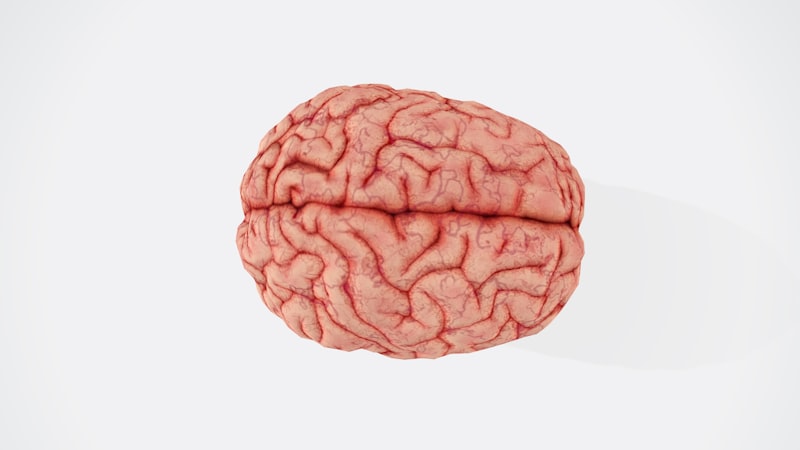
Introduction to Learning Techniques
Learning techniques, often referred to as study strategies or cognitive tactics, represent a collection of structured and deliberate methods employed by individuals to enhance the acquisition, processing, retention, and ultimate retrieval of new information and skills. These techniques are fundamental tools utilized across the entire spectrum of educational endeavors, ranging from formal academic settings, such as universities and specialized training programs, to informal, self-directed personal development pursuits aimed at lifelong learning. The primary goal of implementing effective learning techniques is the optimization of cognitive load and efficiency, thereby increasing an individual’s capacity not only to absorb complex concepts but also to significantly boost their ability to recall and manipulate that learned material reliably over extended periods. Effective learning transcends simple exposure to content; it requires active engagement and strategic mental manipulation, making the choice and application of appropriate techniques a critical determinant of academic and professional success.
The psychological study of learning techniques draws heavily from cognitive psychology and educational research, seeking to identify which specific mental and behavioral approaches yield the greatest long-term benefits in memory consolidation and conceptual understanding. Historically, educational practices often emphasized passive techniques, such as reading and rote repetition; however, contemporary research consistently demonstrates that techniques requiring active recall, elaboration, and self-testing are profoundly more effective for achieving deep, durable learning. Consequently, the discourse surrounding learning techniques has shifted dramatically, moving away from simple memorization practices toward sophisticated, nuanced strategies that facilitate complex cognitive operations, including critical analysis, problem-solving, and the transfer of knowledge across disparate domains, necessitating a systematic approach to study habits.
Understanding and mastering these techniques is essential for developing metacognitive awareness—the ability to monitor and regulate one’s own learning processes. A learner who possesses a robust repertoire of learning techniques is better equipped to diagnose their own comprehension gaps, select the most suitable strategy for a given task, and adapt their approach when faced with challenging material. This strategic flexibility transforms the learner from a passive recipient of information into an active, self-regulating agent responsible for constructing their own knowledge frameworks. Furthermore, the application of systematic learning techniques is crucial for managing the overwhelming volume of information characteristic of the modern academic and professional environment, allowing individuals to prioritize, organize, and integrate new data efficiently into existing knowledge schemas.
Defining Systematic Learning Approaches
Formalizing the definition, learning techniques constitute a set of systematic, intentional approaches designed explicitly to enhance the functional efficiency of the human memory and cognitive apparatus. Unlike haphazard study habits or passive reading, a true learning technique involves a structured methodology applied consistently to foster the ability to acquire and retain novel concepts, while simultaneously strengthening the capacity to apply those concepts effectively across various situational contexts. These approaches move beyond mere exposure to content, requiring the learner to perform specific cognitive operations on the material, such as summarizing, questioning, mapping, or retrieving information under testing conditions, ensuring the systematic assimilation of new knowledge into long-term memory structures.
The systematic nature of these techniques implies that they are not random occurrences but rather deliberate interventions aimed at optimizing the encoding and storage phases of memory. For instance, techniques like distributed practice involve systematically spacing out study sessions over time, a strategy rooted in the understanding of how memory consolidation occurs during rest and sleep, directly contrasting with the less effective, unsystematic approach of massed practice or “cramming.” Recognizing learning techniques as systematic tools allows educators and learners to treat them as variables that can be controlled and optimized based on empirical evidence, moving learning instruction from a purely intuitive art towards a more reliable, evidence-based science centered on cognitive efficiency.
Learning techniques are fundamentally distinct from inherent learning styles, which are often cited but lack robust empirical validation. Instead, effective learning techniques are procedural skills that can be taught, practiced, and mastered by virtually any individual, regardless of their preferred sensory input mode. The efficacy of a technique is measured by its impact on long-term retention and the transfer of knowledge, emphasizing outcomes that demonstrate true mastery rather than temporary familiarity. The implementation of a systematic learning approach often requires an initial investment of effort and time, particularly when adopting effortful strategies like retrieval practice, but this investment yields substantial dividends in increased academic performance, reduced study stress, and, most importantly, the development of durable, accessible knowledge structures ready for application.
Foundational Categories of Learning
Learning techniques can traditionally be divided into three fundamental, yet interconnected, categories based on the primary cognitive action they emphasize: memorization, comprehension, and application. While the most effective strategies often integrate elements from all three, understanding these distinctions is crucial for tailoring study plans to specific learning goals. The memorization category primarily addresses the initial encoding and rapid recall of discrete pieces of information, such as dates, definitions, formulas, or vocabulary words. Techniques within this category often rely on repetition, mnemonics (e.g., acronyms, method of loci), and visual aids to create strong, dedicated memory traces that are easily accessible, ensuring that factual prerequisites are firmly established before moving to higher-order processing or analytical tasks.
The comprehension category focuses on techniques designed to facilitate genuine understanding of the material, moving beyond surface-level familiarity and rote recall. This involves processes such as breaking complex subjects down into manageable chunks, identifying hierarchical relationships between concepts, and synthesizing new information by connecting it explicitly to existing knowledge structures (schema). Techniques such as summarizing texts in one’s own words, creating concept maps (mind mapping), and engaging in explanatory self-talk are central to this category. The goal here is not merely to recall isolated facts but to understand the underlying principles, causality, and broader implications of the content, ensuring that the information makes logical sense within a larger intellectual framework, thereby promoting deeper processing.
Finally, the application category involves techniques that ensure the learner can utilize the acquired knowledge and skills in practical, real-world, or novel problem-solving scenarios. This stage is critical for demonstrating true mastery, as knowledge that cannot be applied is often inert and remains within the confines of the study environment. Application techniques include working through practice problems, simulating real-world decision-making processes, engaging in case studies, and teaching the material to others, which forces the organization and articulation of concepts. Application requires the seamless integration of memorized facts and conceptual understanding, demanding flexible retrieval and manipulation of information to produce a desired outcome, thus validating the effectiveness of the preceding memorization and comprehension efforts.
Cognitive Strategies: Deep Processing Techniques
The most robust and empirically validated learning techniques fall under the umbrella of deep processing, requiring the learner to manipulate the material actively rather than passively rereading it. A cornerstone of deep processing is retrieval practice, often referred to as the testing effect. This technique involves deliberately attempting to recall learned information from memory, with or without external cues, rather than simply reviewing notes. The act of successful retrieval strengthens the memory trace far more effectively than passive study, acting as a potent memory modifier. Examples include using flashcards for active self-testing, answering practice questions after reading a chapter, or writing down everything one remembers about a topic after closing the book, thereby consolidating the memory trace through effortful recall.
Another critical deep processing technique is elaboration, which requires the learner to attach meaningful connections to the new material. Elaboration involves asking “how” and “why” questions about the concepts, explaining the material in rich detail, and relating it to personal experiences, prior knowledge, or current events. For instance, when learning a historical event, elaboration might involve considering the motivations of key figures, predicting alternative outcomes, or comparing it to a similar event in a different time period. This process creates multiple pathways to access the information in memory, making the knowledge highly interconnected and less susceptible to forgetting, a process that inherently supports both comprehension and long-term retention. Techniques such as generating analogies and creating structural outlines based on logical relationships are powerful forms of elaboration that increase the complexity of the encoded memory.
Furthermore, interleaving and varied practice are highly effective cognitive strategies, particularly beneficial for skill acquisition and understanding complex subjects like mathematics or foreign languages. Interleaving involves mixing different types of problems or topics within a single study session, rather than blocking the study of one topic completely before moving to the next. While this often feels harder in the short term, it forces the brain to constantly differentiate between problem types and select the correct strategy, promoting greater flexibility and discrimination skills crucial for real-world application. Varied practice, similarly, involves modifying the conditions or context of practice, ensuring that the learned skill or concept is not tied rigidly to a single environment or set of stimuli, thus significantly enhancing the transferability of the knowledge to novel contexts.
Metacognitive Regulation and Planning
Successful learning is deeply intertwined with effective metacognition, which is the awareness and understanding of one’s own thought processes—literally, “thinking about thinking.” Metacognitive regulation techniques involve planning, monitoring, and evaluating one’s study efforts, providing the structural framework necessary for consistent improvement and self-correction. Planning involves setting specific, measurable, achievable, relevant, and time-bound (SMART) goals for study sessions, estimating the time required for different tasks, and selecting appropriate learning strategies before execution begins. A learner who fails to plan often defaults to less effective, passive methods simply because they haven’t consciously allocated time for active, effortful engagement, leading to inefficient study periods.
Monitoring is the critical act of checking comprehension and retention during the learning process. This involves continuously asking oneself: “Do I truly understand this underlying principle?” and “Can I explain this concept clearly to someone else without referencing my notes?” Monitoring often relies on immediate self-testing and generating quick summaries without looking at the source material. If monitoring reveals a comprehension gap (often misjudged through the “illusion of competence”), the learner must pivot and adjust their strategy—for example, shifting from merely reading to actively summarizing or seeking external resources for clarification. Effective monitoring prevents the wasteful expenditure of time on material that is not actually being retained or deeply understood, guiding the learner toward areas requiring additional focus.
Evaluation, the final stage of metacognitive regulation, involves reflecting on the effectiveness of the chosen techniques after completing a study module or assessment. This reflective practice answers the essential question: “Did the strategy I used work for this type of material and under these time constraints?” If the result was suboptimal, the learner must analyze why (e.g., insufficient time, poor strategy selection, environmental distraction) and refine their approach for future sessions. This continuous feedback loop—Plan, Monitor, Evaluate—is what transforms temporary study tactics into a durable, adaptable learning system, ensuring continuous optimization of cognitive resources and technique application, which is crucial for advanced study.
Organization and Environmental Management
While many learning techniques focus on internal cognitive processes, external organization and the management of the study environment play a significant, often underappreciated, role in maximizing learning efficiency. Techniques related to organization include systematic note-taking methods, such as the Cornell system or mapping methods, which structure lecture material and textbook readings in a way that facilitates later review and retrieval practice. Organized notes reduce cognitive load during review by ensuring that key information, summaries, and self-generated questions are readily available and logically grouped, preventing the learner from having to re-process large volumes of disorganized data and improving the speed of information access during retrieval practice.
Time management techniques are equally crucial, transforming the learning process from reactive “crisis management” into proactive scheduling. This involves using tools like study timetables, prioritizing tasks based on urgency and importance, and employing techniques such as time blocking (dedicating specific blocks of time solely to one task) or the Pomodoro Technique (alternating focused work intervals with short breaks). Effective time management ensures consistency (crucial for distributed practice) and prevents the cognitive burnout associated with prolonged, unplanned study sessions. By establishing predictable routines and adhering to a structured schedule, the brain can allocate energy more efficiently to the learning task itself, minimizing decision fatigue.
Environmental management involves creating and maintaining an optimal physical space for study. This technique encompasses minimizing potential distractions (e.g., turning off notifications, using focus applications), ensuring adequate lighting and comfortable seating, and, importantly, establishing a dedicated study zone free from non-academic stimuli. Psychologically, dedicating a specific space solely to learning can create a mental cue, known as context-dependent memory, which helps the brain transition quickly into a state of focused concentration. Controlling the study environment reduces interference and supports the learner’s ability to maintain high levels of sustained attention, which is a prerequisite for successfully engaging in effortful, deep processing cognitive strategies.
Empirical Evidence and Effectiveness
Psychological research provides strong empirical support for the differential effectiveness of various learning techniques, leading to clear recommendations that often contradict traditional educational habits. A landmark finding repeatedly confirmed across diverse educational settings is the superiority of retrieval practice (testing effect) and distributed practice (spacing effect) over passive review and massed practice (cramming). Studies show that learners who frequently test themselves, even via low-stakes quizzes, retain information significantly longer and demonstrate superior application skills compared to those who spend the same amount of time simply rereading the material. This overwhelming evidence has shifted the focus toward making testing a powerful tool for learning rather than merely a tool for assessment.
Conversely, techniques that rely heavily on passive engagement, such as highlighting text excessively or simply rereading notes multiple times, have been shown to yield minimal benefits for long-term retention and comprehension. While these activities provide an immediate, misleading sense of familiarity, they often foster the illusion of competence without requiring the deep cognitive effort necessary for memory consolidation and robust encoding. The necessary effort inherent in techniques like elaboration, self-explanation, and retrieval practice is precisely what makes them effective; they force the brain to actively work with the material, strengthening the neural pathways associated with that knowledge through productive struggle and successful retrieval.
Furthermore, research highlights the importance of matching the learning technique to the material’s complexity and the learning goal. For instance, while mnemonic devices are highly effective for rapid memorization of arbitrary facts (e.g., lists or sequences), they are less suitable for achieving the deep conceptual understanding required in subjects like theoretical physics or complex organizational behavior. For such subjects, techniques promoting structural mapping, conceptual linking, and hypothesis generation (forms of elaboration) are empirically shown to be superior. The evidence strongly suggests that effective learning is not about finding one perfect technique but about judiciously applying a diversified portfolio of strategies based on the specific cognitive demands of the learning task at hand.
Factors Influencing Technique Selection
The optimal selection of a learning technique is rarely universal and is significantly influenced by several interacting factors, including the nature of the content, the complexity of the task, and the individual characteristics of the learner. The nature of the content dictates whether the primary goal is factual recall (requiring memorization techniques like mnemonics) or conceptual mastery (requiring deep processing techniques like elaboration and concept mapping). Learning a new programming language, for example, demands varied practice and application techniques focused on debugging and coding exercises, whereas learning historical dates relies more heavily on structured memorization combined with contextual linking to timelines and causality.
Task complexity also plays a decisive role in technique selection. For simple, repetitive tasks, rote practice may suffice to achieve basic competence. However, complex, ill-structured problems—typical in advanced academic and professional environments—require sophisticated metacognitive strategies and the integration of multiple cognitive techniques simultaneously. A learner attempting to write a complex research synthesis, for instance, must utilize organizational techniques (structuring arguments), comprehension techniques (synthesizing diverse sources), and application techniques (critically evaluating methodologies). The sheer demand of the task necessitates a strategic and flexible blend of methods rather than reliance on a single, isolated technique.
Finally, individual learner characteristics, such as prior knowledge, motivation, and existing metacognitive skills, significantly influence technique efficacy and adoption. Learners with low prior knowledge may benefit initially from guided practice and highly structured organization to build a foundational schema, while experts benefit more from self-directed, challenging retrieval practice that targets the fringes of their knowledge base. Furthermore, a learner’s motivational state and self-efficacy can affect the willingness to engage in effortful, deep processing techniques, which often feel less rewarding in the immediate short term than passive review. Recognizing these influencing factors allows learners to shift from a fixed, one-size-fits-all approach to a flexible, adaptive strategy tailored to maximize personal learning outcomes given the specific context.
Conclusion: Integrating Diverse Strategies
Learning techniques are foundational to effective knowledge acquisition, serving as the systematic tools necessary for transforming raw information into durable, accessible understanding and application. The most successful learners do not rely exclusively on a single method but instead employ a rich, interconnected portfolio of strategies categorized by their focus on memorization, comprehension, and application, ensuring comprehensive mastery. The modern understanding of learning mandates a decisive shift toward effortful, active strategies, prioritizing retrieval practice, spacing, and elaboration over passive methods like continuous rereading, which provide only temporary familiarity rather than genuine retention. This strategic approach, underpinned by strong metacognitive skills, ensures that knowledge is not only retained but can be flexibly applied in novel, demanding situations.
The mastery of these empirically validated techniques represents a critical investment in lifelong learning capability and cognitive efficiency. By consistently planning, monitoring, and evaluating their study efforts, individuals gain the necessary self-regulation to navigate increasingly complex educational and professional environments where continuous learning is paramount. The continuous refinement of technique selection based on empirical evidence, task demands, and personal feedback is the hallmark of an expert, efficient learner. Ultimately, the systematic deployment of diverse learning techniques empowers individuals to take ownership of their cognitive development, ensuring that knowledge acquisition is a robust, enduring, and highly successful endeavor that lasts well beyond the initial assessment period.
Further Reading
-
M. Zhang, “Learning Techniques: An Overview,” International Journal of Technology and Educational Marketing, vol. 6, no. 3, pp. 205–211, 2019.
-
S. S. Wehmeyer, “Learning Techniques: A Comprehensive Overview,” Educational Psychology Review, vol. 23, no. 1, pp. 1–10, 2011.
-
S. Habib, “A Review of Different Learning Techniques,” International Journal of Education and Applied Research, vol. 4, no. 4, pp. 7–12, 2017.
-
A. N. K. Bhatia et al., “A Review of Different Learning Techniques and their Applications,” International Journal of Advanced Computer Science and Applications, vol. 9, no. 5, pp. 109–116, 2018.