BFRBs: Breaking the Cycle of Chronic Lip Biting
Scientifically Reviewed · Dr. Marwa Abd-Alazim · September 11, 2026
Review Criteria & Clinical Standards
This content undergoes rigorous scientific peer-review and medical editorial standards at Arab Psychology Network to ensure clinical accuracy, validity, and compliance with evidence-based guidelines from leading psychological and healthcare authorities (APA / WHO).
Introduction: Defining Lip Biting
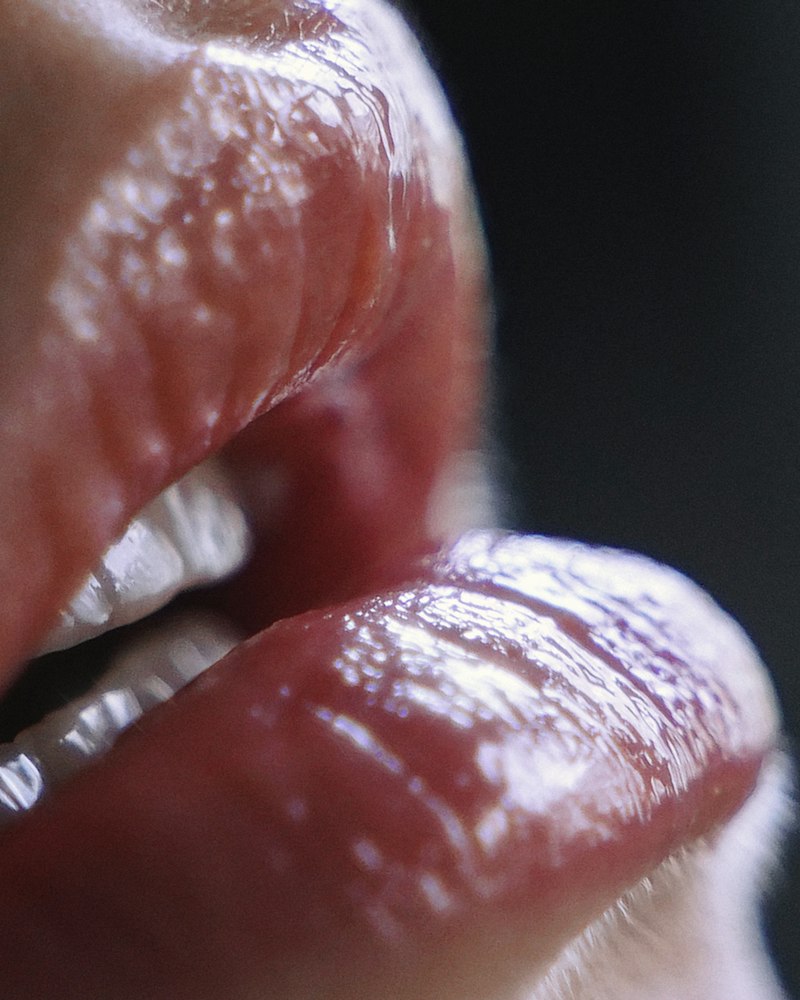
Lip biting, recognized scientifically as a form of self-injurious behavior or body-focused repetitive behavior (BFRB), is a common, often involuntary, habitual action. This compulsion involves the persistent and repetitive biting, chewing, or sucking on the inner or outer surfaces of the lips. Historically, and as noted in early psychological observations, lip biting has been intrinsically linked to states of heightened emotional tension, notably anxiety and various nervous discompositions. While occasional lip chewing might occur incidentally—for instance, during focused concentration or while eating—the clinical and psychological significance emerges when the behavior becomes chronic, difficult to control, and results in physical damage or functional impairment. Understanding lip biting requires a multi-faceted approach, integrating behavioral science, clinical psychology, and dermatology, as the action serves both a regulatory function for internal emotional states and a source of external physical manifestation. It is essential to differentiate between benign, transient habits and the more pervasive patterns characteristic of recognized BFRBs, such as Cheilophagia, the clinical term describing compulsive lip chewing.
The prevalence of lip biting suggests it is a widespread coping mechanism, particularly evident in individuals navigating environments characterized by high stress or uncertainty. Unlike major compulsions, lip biting often begins subtly, potentially in childhood or adolescence, escalating in intensity and frequency during periods of acute emotional distress. This cyclical pattern of stress leading to biting, followed by temporary relief or distraction, reinforces the habit, making discontinuation challenging without therapeutic intervention. Furthermore, the behavior often occurs outside of conscious awareness, presenting a significant hurdle for self-monitoring and modification. The involuntary nature of the action highlights its deep rooting in the autonomic nervous system’s response to perceived threat or discomfort, functioning as a displacement activity designed to channel overwhelming internal energy into a manageable, repetitive motor movement.
In the context of behavioral science, lip biting is categorized alongside other BFRBs, including trichotillomania (hair pulling) and dermatillomania (skin picking). These behaviors share common neurological pathways and often respond similarly to specific therapeutic modalities, particularly those rooted in cognitive behavioral therapy (CBT) frameworks. The act of biting serves a dual psychological purpose: it can provide a stimulating input (positive reinforcement) during periods of boredom or hypoarousal, or conversely, it can act as a tension reducer (negative reinforcement) during moments of hyperarousal, anxiety, or frustration. Recognizing this functional variability is crucial for accurate diagnosis and the development of effective, personalized treatment plans aimed at substituting the destructive habit with neutral or constructive alternatives.
Behavioral Classification: Cheilophagia and BFRBs
The formal classification of compulsive lip biting falls under the umbrella term Cheilophagia, derived from the Greek words meaning ‘lip’ and ‘to eat or devour’. This clinical designation helps distinguish chronic, pathological lip biting from simple, non-damaging habits. Cheilophagia is recognized within the broader category of Body-Focused Repetitive Behaviors (BFRBs), which are defined by recurrent behaviors resulting in damage to the body despite repeated attempts to stop or decrease the behavior. While BFRBs were previously often classified as impulse control disorders, modern diagnostic standards, such as those found in the Diagnostic and Statistical Manual of Mental Disorders, Fifth Edition (DSM-5), typically place them under Obsessive-Compulsive and Related Disorders, reflecting the highly ritualistic and often intrusive nature of these actions.
A key characteristic separating Cheilophagia from transient habits is the level of distress and impairment it causes. Individuals suffering from this condition often report significant shame, embarrassment, and functional difficulties stemming from the visible physical damage and the inability to control the urge. The behavior is often maintained through a complex interplay of sensory feedback and emotional regulation. The sensory stimulation derived from the texture of the lip tissue, the action of the jaw, and the subsequent minor pain or sensation often temporarily interrupts or redirects the underlying emotional discomfort, creating a powerful feedback loop that reinforces the compulsion. Furthermore, Cheilophagia can manifest in two distinct styles: focused and automatic. Focused lip biting involves a conscious awareness of the action, often preceded by an escalating sense of tension that is relieved only by performing the behavior. Conversely, automatic lip biting occurs without conscious awareness, often while the individual is engaged in passive activities such as reading, watching television, or driving, highlighting its deeply ingrained habitual nature.
The study of BFRBs suggests a neurobiological basis, often involving differences in brain circuits related to habit formation, emotional processing, and inhibitory control. Research points toward potential involvement of the striatum and prefrontal cortex, areas crucial for planning and executing motor movements and inhibiting unwanted actions. For individuals predisposed to Cheilophagia, periods of high anxiety or stress may overwhelm the inhibitory mechanisms, allowing the automatic, tension-reducing behavior to manifest. It is critical to recognize that Cheilophagia is not a mere manifestation of weakness; rather, it represents a complex interaction between genetics, temperament, and environmental stress that results in a maladaptive coping mechanism. Successful intervention, therefore, necessitates addressing both the behavioral routine and the underlying affective state driving the compulsion.
The Psychological Underpinnings: Anxiety and Stress
The relationship between lip biting and psychological distress, particularly anxiety, is foundational to understanding this behavior. The original observation linking the habit to nervous discompositions remains highly accurate. Anxiety creates a state of internal physiological arousal—including increased heart rate, muscle tension, and heightened vigilance—that the body seeks to resolve. Lip biting serves as a readily available, albeit destructive, method of tension regulation. When an individual experiences overwhelming anxiety, the repetitive motor action of biting provides a localized focus of sensation that distracts from the global, amorphous feeling of unease. This distraction offers immediate, short-term relief, which strongly reinforces the behavior through negative reinforcement—the removal of an unpleasant stimulus (anxiety).
Chronic stress exposure acts as a powerful catalyst for the initiation and maintenance of Cheilophagia. Stress elevates cortisol levels and places the body in a prolonged state of fight-or-flight readiness. In this heightened state, individuals often develop displacement activities—behaviors directed away from the primary source of stress—to manage the overflow of energy. Lip biting is a common displacement behavior, particularly favored because it requires no external tools or specific environment and can be performed subtly in social settings. This ability to discreetly manage internal turmoil makes it highly functional for those who feel obligated to suppress outward manifestations of stress. However, relying on this mechanism prevents the development of more adaptive emotional regulation strategies, cementing the habit deeper into the individual’s behavioral repertoire.
Furthermore, lip biting is often associated with perfectionism, obsessive-compulsive traits, and difficulty tolerating uncertainty. Individuals who exhibit these traits may experience intense internal pressure to perform or control outcomes. When control is lost or performance standards are not met, the resulting frustration or self-criticism can manifest as anxiety, triggering the lip biting cycle. The compulsion acts as a physical outlet for pent-up frustration and self-directed aggression. Addressing the underlying cognitive distortions—such as all-or-nothing thinking or excessive self-monitoring—is often a crucial component of therapeutic success, as these cognitive patterns are frequently the root cause of the emotional distress that precipitates the physical behavior.
Etiology and Development of the Habit
The etiological pathways leading to the establishment of chronic lip biting are typically multi-factorial, involving genetic predisposition, environmental learning, and temperamental factors. Genetic studies concerning BFRBs suggest a heritable component, meaning individuals with close family members who exhibit BFRBs (such as skin picking or hair pulling) may be statistically more likely to develop Cheilophagia themselves. This genetic vulnerability likely relates to inherited differences in emotional regulation capacity or the neurological sensitivity of the reward and habit formation pathways in the brain. However, genetics alone do not determine the behavior; they merely increase susceptibility, requiring environmental triggers for activation.
Environmental factors, particularly early childhood experiences, play a significant role in habit development. Observing significant others, such as parents or siblings, engaging in nervous habits—whether it be nail-biting, fidgeting, or lip chewing—can model the behavior for the developing child. If the child is also prone to anxiety or exhibits a highly sensitive temperament, they may naturally adopt this observed behavior as a primary coping mechanism during stressful situations. Moreover, environments characterized by high expectations, criticism, or emotional invalidation may foster increased internal stress, driving the child toward self-soothing behaviors like lip biting that are internally focused and easily accessible. The initial function of the behavior might be benign, perhaps starting accidentally, but if that action coincides with tension reduction, the powerful learning mechanism of reinforcement quickly establishes the behavior as a rigid habit.
The transition from a transient habit to a compulsive BFRB often involves a process known as habituation and sensitization. Initially, the lip biting may be a conscious response to stress. Over time, however, the nervous system habituates to the emotional trigger, and the behavior becomes automated. Simultaneously, the physical sensation derived from the biting—the texture, the slight pain, or the resulting unevenness of the lip tissue—can sensitize the individual, creating an irresistible urge to “fix” or smooth the damaged area, leading to further biting. This cycle of damage and subsequent attempt to repair or smooth the damage is characteristic of many BFRBs and ensures the persistence of the behavior long after the initial emotional trigger has subsided. The repetitive nature transforms the behavior from an emotional coping strategy into a physical compulsion driven by sensory feedback loops.
Clinical Presentation and Differential Diagnosis
The clinical presentation of Cheilophagia is primarily characterized by visible damage to the vermilion border of the lips or the inner mucosal surfaces. Patients typically present with chronic lesions, erosions, hyperkeratosis (thickening of the skin), or localized swelling. A common finding is the appearance of a persistent, white, shredded, or raw patch of tissue, often localized to the area most frequently chewed. Unlike conditions caused by external trauma or infection, the lesions associated with lip biting usually exhibit an irregular, feathered, or ragged appearance. Crucially, these lesions rarely heal fully because the repetitive trauma prevents the normal epithelial repair process. The patient often reports a corresponding increase in biting frequency coinciding with periods of personal or professional stress, confirming the link to emotional regulation difficulties.
Differential diagnosis is essential to rule out other dermatological or systemic conditions that might mimic the appearance of chronic lip trauma. Clinicians must distinguish Cheilophagia from conditions such as angular cheilitis (inflammation at the corners of the mouth), lichen planus (an inflammatory condition), or mucosal infections (viral or fungal). A key distinguishing factor is the patient’s history and the specific pattern of injury. Cheilophagia-related damage is typically limited to areas accessible to the teeth, and the patient usually admits, often with some reluctance or shame, to the repetitive behavior. In cases where the biting is purely automatic, the clinician might need to rely on the observation of the characteristic shredded tissue, which is distinct from the smooth lesions seen in many inflammatory diseases.
Furthermore, Cheilophagia must be differentiated from other BFRBs involving the oral cavity, such as chronic cheek chewing (Morsicatio buccarum) or tongue chewing (Morsicatio linguarum). While these conditions share similar underlying psychological mechanisms and therapeutic approaches, precise identification of the primary site of trauma is important for targeted behavioral interventions. The severity of Cheilophagia is often assessed using standardized scales that measure the frequency of the behavior, the resulting physical damage, and the level of functional impairment or distress experienced by the individual. A thorough assessment must also screen for comorbid psychological conditions, as the presence of major depressive disorder, generalized anxiety disorder, or obsessive-compulsive disorder significantly impacts treatment planning and prognosis.
Associated Conditions and Comorbidity
The presence of Cheilophagia rarely occurs in isolation; it frequently exists alongside other psychiatric conditions, underscoring its role as a symptom within a broader context of emotional dysregulation. The highest rates of comorbidity are observed with Anxiety Disorders, particularly Generalized Anxiety Disorder (GAD) and Social Anxiety Disorder. Individuals struggling with pervasive worry or fear of judgment often use lip biting as a discreet method to manage the accompanying somatic tension. The repetitive behavior provides a temporary mental distraction from the internal narrative of worry, preventing the escalation of a panic response, thereby reinforcing the habit as a perceived necessity for coping.
Another significant association is found with Obsessive-Compulsive Disorder (OCD) and other BFRBs. While Cheilophagia is classified under the OCD spectrum, its presentation can overlap with traditional OCD symptoms, such as perfectionism, symmetry concerns, or intense distress related to minor physical imperfections. It is common for individuals to exhibit multiple BFRBs concurrently, such as picking at the skin (dermatillomania) alongside lip biting, suggesting a shared underlying vulnerability related to impaired inhibitory control and difficulty processing sensory information. When Cheilophagia presents in conjunction with clinical OCD, the compulsive nature of the biting may be amplified, making the urges more intrusive and resistant to simple distraction techniques.
Furthermore, mood disorders, notably Major Depressive Disorder, often coexist with chronic lip biting. Depression frequently involves feelings of restlessness, self-loathing, and difficulty initiating pleasurable activities. The repetitive, sometimes painful, act of biting can serve as a mechanism for self-punishment or a way to induce a physical sensation that cuts through the emotional numbness characteristic of severe depression. Conversely, the shame and embarrassment resulting from the visible physical damage of Cheilophagia can significantly exacerbate existing depressive symptoms, creating a vicious cycle of psychological distress and physical self-harm. Therefore, effective management requires a holistic approach that simultaneously treats the underlying mood or anxiety disorder and the specific behavioral manifestation of lip biting.
Physical Consequences of Chronic Lip Biting
While often viewed primarily as a psychological habit, chronic lip biting carries significant and potentially severe physical consequences that necessitate medical and dental attention. The most immediate result is localized trauma, leading to persistent inflammation, swelling, and the formation of characteristic white, ragged patches known as frictional hyperkeratosis. If the biting is severe or deep, it can lead to ulceration and the formation of painful sores that are susceptible to secondary infections, requiring antibiotic or antifungal treatment. The constant disruption of the mucosal barrier compromises the mouth’s natural defense mechanisms, making the individual more vulnerable to oral pathologies.
Over the long term, severe Cheilophagia can lead to permanent alteration of the oral tissues. Chronic irritation can potentially induce proliferative lesions, although malignant transformation is rare. More commonly, the repeated micro-trauma can lead to the formation of small, fluid-filled sacs known as mucoceles or mucous retention cysts. These lesions form when the duct of a minor salivary gland is severed or blocked, causing mucus to spill into the surrounding connective tissue. Mucoceles often require surgical excision, only to potentially recur if the underlying biting behavior is not successfully modified. Beyond the lips themselves, persistent chewing can strain the temporomandibular joint (TMJ), potentially leading to pain, clicking, or limited jaw mobility, further complicating the patient’s quality of life.
Dental integrity can also be compromised. Although less common than in tongue or cheek chewing, chronic lip biting can, in severe cases, cause wear and tear on the tooth enamel, particularly on the incisors, due to the constant friction and pressure applied during the action. Furthermore, the aesthetic consequences cannot be overlooked. The visible damage often leads to significant self-consciousness, impacting social interactions, professional life, and overall self-esteem. Individuals may actively avoid speaking or smiling to hide the damaged areas, further contributing to social isolation and psychological distress. Treating the physical damage is necessary, but without concurrent psychological intervention to arrest the behavior, recurrence is virtually guaranteed.
Therapeutic Interventions and Management Strategies
Effective management of Cheilophagia requires a multimodal approach combining behavioral therapy, psychological intervention, and, occasionally, pharmacological support. The gold standard treatment for BFRBs is Habit Reversal Training (HRT), a core component of Cognitive Behavioral Therapy (CBT). HRT is structured and involves several key steps designed to increase awareness and substitute the compulsive action.
The core components of Habit Reversal Training include:
- Awareness Training: Teaching the patient to recognize the specific times, places, and emotional states (the antecedents) that precede the urge to bite. This elevates the behavior from an automatic response to a conscious choice point.
- Competing Response Training (CRT): Identifying a specific, incompatible physical action that can be performed when the urge arises. For lip biting, this might involve holding a closed fist tightly for 60 seconds, pressing the lips together gently, or chewing gum (if non-damaging). The competing response must be discreet, easily performed, and physically impossible to do simultaneously with lip biting.
- Social Support: Enlisting family members or partners to provide non-judgmental reminders and positive reinforcement when the patient successfully employs the competing response.
- Generalization Training: Practicing the new response in various real-world settings where the biting typically occurs (e.g., watching TV, working on the computer, sitting in traffic).
Beyond HRT, pharmacological interventions may be considered, particularly when Cheilophagia is highly comorbid with severe anxiety or OCD. Selective Serotonin Reuptake Inhibitors (SSRIs) are often utilized to reduce the intensity of the underlying anxiety and the severity of the compulsive urges. However, medication is generally viewed as an adjunct therapy, helping to manage the emotional distress sufficiently so that the patient can actively engage with and benefit from behavioral training. Furthermore, Acceptance and Commitment Therapy (ACT) has shown promise by focusing on increasing psychological flexibility and reducing the patient’s struggle against unpleasant thoughts and feelings, thereby diminishing the need for the tension-releasing behavior.
Finally, supportive measures, such as applying protective lip balms or petroleum jelly, can serve as a physical barrier and provide sensory feedback that interrupts the habitual texture-seeking behavior. Regular dental or dermatological checks are essential to manage physical complications and ensure that secondary infections or significant tissue damage are addressed promptly, allowing the patient to focus on the psychological and behavioral aspects of recovery. The commitment to therapy and consistency in applying the competing response are the most reliable predictors of long-term success in overcoming Cheilophagia.
Prognosis and Long-Term Outlook
The prognosis for individuals suffering from Cheilophagia is generally positive, provided there is strong commitment to evidence-based treatment, particularly Habit Reversal Training. While BFRBs are often chronic conditions that require sustained effort and relapse prevention strategies, significant reduction in the frequency and severity of lip biting is highly achievable. The success of treatment is heavily dependent on the individual’s level of self-awareness and their willingness to consistently implement the learned coping mechanisms, especially the competing response. Early intervention, ideally before the habit becomes deeply entrenched, typically yields the best long-term results.
Relapse is a common component of recovery from BFRBs, and patients must be educated on this likelihood to prevent feelings of failure or discouragement. Periods of heightened stress, major life transitions, or the onset of new mental health symptoms can trigger a return to the habitual behavior. Therefore, long-term management involves periodic booster sessions with a therapist and the establishment of a robust relapse prevention plan. This plan typically includes identifying high-risk situations (e.g., late nights, high-pressure deadlines) and pre-determining specific, immediate responses to mitigate the risk of biting when urges arise. Maintaining overall mental health through stress management, adequate sleep, and addressing comorbid conditions remains paramount for sustained remission.
In conclusion, chronic lip biting, or Cheilophagia, represents a complex interplay of psychological distress and habitual motor response. While rooted in nervous discompositions and anxiety, it is a treatable condition. With comprehensive behavioral therapy, supported by strong self-monitoring and coping strategies, individuals can effectively interrupt the cycle of compulsion and trauma, leading to significant improvement in both physical health and psychological well-being. The focus remains on replacing the destructive habit with adaptive, non-injurious methods of managing internal tension and emotional arousal.