Body Dysmorphia: Lipodystrophy and the Self-Image Gap
Scientifically Reviewed · Dr. Marwa Abd-Alazim · September 7, 2026
Review Criteria & Clinical Standards
This content undergoes rigorous scientific peer-review and medical editorial standards at Arab Psychology Network to ensure clinical accuracy, validity, and compliance with evidence-based guidelines from leading psychological and healthcare authorities (APA / WHO).
Defining Lipodystrophy: A Disorder of Adipose Tissue Regulation
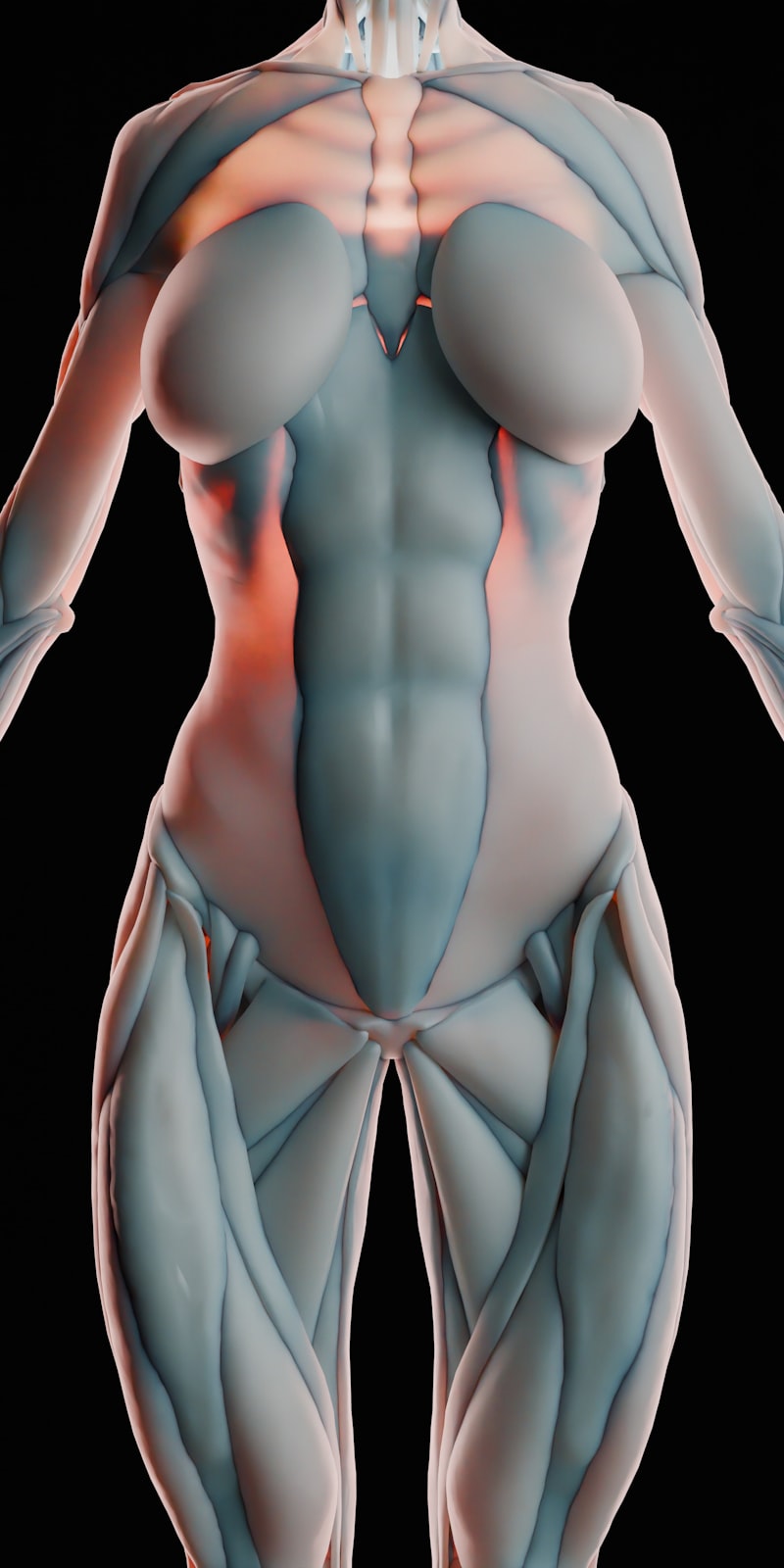
Lipodystrophy serves as an umbrella term encompassing a diverse group of rare or uncommon disorders characterized fundamentally by an inability to regulate the process of lipid metabolism. This dysfunction is manifested primarily through abnormal distribution of adipose tissue, involving either localized or generalized loss of fat (lipoatrophy) or, conversely, localized accumulation of fat (lipohypertrophy). Adipose tissue, far from being merely a storage depot, is a crucial endocrine organ responsible for energy homeostasis, secreting vital hormones such as leptin and adiponectin. When this tissue fails, whether through genetic predisposition or acquired damage, the resulting metabolic cascade leads to severe systemic complications, including profound insulin resistance, dyslipidemia, and ectopic fat deposition in organs like the liver and muscle.
The core pathology of lipodystrophy lies in the disruption of the adipocyte life cycle and function. In conditions involving severe lipoatrophy, the body lacks sufficient peripheral fat stores capable of safely buffering excess dietary energy. Consequently, free fatty acids flood the circulation and are deposited inappropriately in non-adipose tissues, a phenomenon known as ectopic fat deposition. This process directly impairs the function of these organs, initiating a state of hyperinsulinemia as the body attempts unsuccessfully to lower blood glucose levels. Understanding lipodystrophy requires recognizing it not merely as a cosmetic issue of body shape, but as a severe metabolic syndrome rooted in the failure of fat tissue to perform its storage and endocrine functions efficiently.
The clinical presentation and severity of lipodystrophy are highly variable, ranging from conditions where nearly all subcutaneous fat is absent from birth (generalized lipodystrophy) to those where fat loss is confined to specific anatomical regions, often accompanied by paradoxical fat accumulation elsewhere (partial lipodystrophy). The etiology dictates the classification, distinguishing between inherited forms, which are often caused by specific genetic mutations affecting nuclear envelope proteins or adipogenesis pathways, and acquired forms, which may result from autoimmune processes, chronic inflammation, or pharmacological interventions, such as antiretroviral therapy for HIV infection. Regardless of the underlying cause, the common pathway involves the catastrophic failure of energy partitioning within the body.
Classification and Etiology of Lipodystrophy Syndromes
Lipodystrophies are systematically classified based on the distribution of fat loss and whether the condition is hereditary or acquired, leading to complex diagnostic considerations. Inherited Lipodystrophies are typically subdivided into Congenital Generalized Lipodystrophy (CGL) and Familial Partial Lipodystrophy (FPLD). CGL, also known as Berardinelli–Seip congenital lipodystrophy, is a severe, autosomal recessive disorder characterized by near-total absence of adipose tissue at birth or early infancy, leading to extreme muscularity and profound metabolic dysfunction from a young age. Mutations often involve genes crucial for triglyceride synthesis or adipocyte differentiation, such as AGPAT2 or BSCL2. Patients with CGL experience the most severe metabolic complications due to the almost complete lack of leptin, the key hormone secreted by fat cells that regulates satiety and energy expenditure.
Familial Partial Lipodystrophy (FPLD) presents a different pattern, characterized by fat loss predominantly from the limbs and trunk, coupled with accumulation in the face, neck, and upper torso. FPLD is often inherited in an autosomal dominant manner, with the most common cause being mutations in the LMNA gene, which codes for the nuclear envelope proteins Lamin A and C. These mutations often confer mechanical instability to the nucleus, preferentially affecting adipocytes in certain regions of the body. The resulting metabolic profile, while less severe than CGL, still involves significant insulin resistance and high risk of premature cardiovascular disease. The paradoxical accumulation of fat in specific areas, such as the dorsocervical region (buffalo hump) and the cheeks, creates distinctive clinical features that aid diagnosis.
Acquired Lipodystrophies (AL) manifest later in life and are often linked to specific environmental or physiological triggers. Acquired Generalized Lipodystrophy (AGL), or Lawrence syndrome, is thought to have an autoimmune basis, often following an infectious illness, leading to rapid and widespread fat loss. Another significant acquired form is HIV-associated lipodystrophy (HALS), which emerged prominently with the use of specific highly active antiretroviral therapy (HAART) regimens. This form typically involves peripheral lipoatrophy (face and limbs) and central fat accumulation (visceral fat), creating a highly distinct and distressing phenotype. Differentiating between these various forms is crucial because therapeutic interventions, particularly the use of leptin replacement therapy, are highly dependent on the accurate classification of the syndrome.
The Mechanisms of Lipid Metabolism Dysfunction
The core mechanism underlying lipodystrophy involves the failure of adipocytes to properly store triglycerides, leading to a profound disruption of the body’s energy buffer system. Normal adipocytes act as a secure sink for excess fatty acids, protecting other vital organs from lipid overload. In lipodystrophy, this sink capacity is diminished or lost entirely. The loss of functional adipose tissue results in a dramatic reduction in circulating adipokines, most notably leptin and adiponectin. Leptin deficiency is particularly devastating, as leptin normally regulates appetite, glucose metabolism, and lipid oxidation. Low leptin levels contribute significantly to the hyperphagia, severe dyslipidemia, and hepatic steatosis observed in generalized lipodystrophy patients.
The physiological consequence of failed peripheral storage is the inevitable phenomenon of ectopic fat deposition. When the circulation is saturated with fatty acids, these lipids accumulate abnormally in non-adipose tissues such as the skeletal muscle, liver (causing non-alcoholic fatty liver disease, NAFLD), heart, and pancreas. This ectopic fat accumulation is highly detrimental, inducing localized insulin resistance within those tissues. For instance, lipid accumulation in the liver exacerbates systemic insulin resistance and contributes to severe hypertriglyceridemia, which carries the risk of acute pancreatitis. This mechanism explains why individuals with profound fat deficiency paradoxically exhibit severe features of metabolic syndrome typically associated with obesity.
Furthermore, in many acquired forms, chronic inflammation plays a pivotal role in adipocyte destruction. In conditions such as AGL, an autoimmune attack is theorized to destroy fat cells. Even in genetic forms, the chronic stress placed upon remaining fat cells by excessive lipid flux can induce cellular stress and low-grade inflammation. This local inflammation further impairs insulin signaling within the remaining adipose tissue, contributing to the overall state of insulin resistance and perpetuating the cycle of dysfunctional lipid handling. The resulting metabolic environment is highly pro-inflammatory and pro-atherogenic, leading to accelerated cardiovascular complications.
The Role of Insulin and Diabetes Mellitus
The relationship between lipodystrophy and diabetes mellitus is intimate and bidirectional, forming one of the most clinically challenging aspects of the disorder. Severe, refractory insulin resistance is a defining metabolic feature of nearly all forms of generalized and severe partial lipodystrophy. Because the body lacks the primary tissue (adipose) meant to absorb glucose in response to insulin, circulating insulin levels must rise dramatically to achieve even minimal glucose uptake in muscle and liver tissues. This leads to severe hyperinsulinemia, often decades before overt diabetes is diagnosed. Once pancreatic beta cells can no longer sustain the massive output of insulin required, the patient develops frank diabetes mellitus, which is characteristically difficult to manage due to the underlying extreme resistance.
The original content specifically highlighted a visible link between lipodystrophy and diabetes mellitus that is diagnosed when visible layers of subcutaneous fat are prominent in areas where insulin is injected. This refers specifically to Injection-Site Lipodystrophy (ISLD), which is common among individuals requiring long-term subcutaneous injections, most notably those with Type 1 or Type 2 diabetes. ISLD can manifest as either lipoatrophy (a localized dent or loss of fat) or, more commonly, lipohypertrophy (a palpable, soft lump or accumulation of fatty tissue) at the injection site. This localized tissue change is directly linked to the trauma of repeated injections, often compounded by factors such as lack of site rotation, reuse of needles, or the pharmacological effect of high concentrations of insulin itself.
The presence of ISLD creates a significant clinical feedback loop, worsening glycemic control and complicating the management of existing diabetes. Insulin absorption rates are highly variable and often severely impaired when injected directly into a lipohypertrophic area, leading to unpredictable fluctuations in blood glucose levels. Patients may unknowingly inject increasing amounts of insulin into these lumps because they are less sensitive, further stimulating localized fat growth (a trophic effect of insulin) and deepening the cycle of poor control. Therefore, patient education regarding proper injection technique and systematic site rotation is a critical, though often overlooked, aspect of diabetes care, essential for preventing this form of acquired, localized lipodystrophy and ensuring effective insulin delivery.
Neurological and Cognitive Associations
The connection between lipodystrophy and neurological or cognitive impairment, specifically the finding that mental retardation has given rise to lipodystrophy developing in 20% of patients of a specific study, underscores the complex genetic and developmental overlap inherent in these rare syndromes. While the majority of lipodystrophy cases occur in those considered mentally sane, this specific association points toward shared underlying genetic defects that manifest pleiotropic effects—impacting both adipose tissue development and central nervous system structure or function.
Several rare genetic syndromes that feature lipodystrophy as a key component also involve severe cognitive impairment. For example, certain progeroid syndromes or specific mitochondrial disorders that affect cellular energy production can simultaneously impair adipocyte differentiation and cause developmental delays or intellectual disabilities. In these contexts, the lipodystrophy and the neurological deficits are not causally linked in a linear fashion, but rather represent parallel outcomes stemming from a single defective gene product crucial for multiple biological pathways during development. The 20% prevalence noted in the study suggests that a specific subtype of lipodystrophy, perhaps one linked to a particular recessive syndrome, carries a high likelihood of concurrent neurological involvement.
Furthermore, even when the underlying etiology is not directly genetic, the severe metabolic consequences of lipodystrophy can indirectly affect cognitive health. Chronic, poorly controlled metabolic syndrome—characterized by extreme hypertriglyceridemia, severe hyperglycemia, and resulting vascular damage—poses a significant risk to the integrity of the central nervous system. Over time, these vascular and inflammatory stresses can contribute to cognitive decline and neurological complications. For patients already living with pre-existing neurological conditions or mental retardation, the added burden of severe metabolic derangement may significantly complicate their overall clinical management and prognosis, necessitating highly coordinated, multidisciplinary care incorporating psychological and metabolic specialists.
Clinical Manifestations and Diagnosis
The clinical manifestations of lipodystrophy are often dramatically visible and highly varied based on the type, yet they share common metabolic hallmarks. Physical examination typically reveals a striking contrast in fat distribution. In generalized forms, patients exhibit an absence of subcutaneous fat, leading to prominent muscle definition (pseudohypertrophy) and visible veins. In partial forms, there is fat depletion in the limbs and gluteal area contrasted by excessive accumulation in the face, neck, and abdomen. Other critical physical signs include acanthosis nigricans (dark, thickened skin patches, reflecting extreme insulin resistance) and hepatomegaly due to fatty liver infiltration. Women may also experience hirsutism and menstrual irregularities due to associated hyperandrogenism.
Diagnosis requires a combination of clinical assessment, advanced imaging, and specialized laboratory testing. Imaging techniques such as Dual-energy X-ray Absorptiometry (DEXA) scans or whole-body Magnetic Resonance Imaging (MRI) are essential for accurately quantifying and mapping the distribution of adipose tissue, confirming the diagnosis of partial or generalized fat loss. Laboratory investigations focus heavily on the metabolic abnormalities: profoundly elevated fasting insulin levels, severe dyslipidemia (often triglycerides exceeding 500 mg/dL), and suppressed levels of key adipokines. A definitive diagnosis often relies heavily on measuring leptin concentrations, which are typically extremely low or undetectable in patients with generalized lipodystrophy, serving as a critical diagnostic and therapeutic marker.
The diagnostic pathway often includes genetic screening, particularly when a generalized or familial partial pattern is suspected, to identify mutations in genes like LMNA, AGPAT2, or BSCL2. It is crucial to distinguish lipodystrophy from conditions like simple lipoatrophy (localized loss following trauma or infection) or atypical forms of metabolic syndrome or obesity. The key differentiator is the combination of severe insulin resistance, ectopic fat deposition, and the distinct pattern of fat redistribution. Early and accurate diagnosis is essential, as the severe cardiovascular and hepatic risks associated with lipodystrophy mandate aggressive intervention, often including specialized pharmacological therapies not typically used for standard metabolic syndrome.
Management and Therapeutic Approaches
The management of lipodystrophy is complex and requires a multi-pronged approach focused primarily on controlling the severe metabolic derangements and mitigating the risks of cardiovascular disease and hepatic failure. The primary therapeutic challenge is the management of refractory insulin resistance and the resulting diabetes mellitus. Standard diabetes treatments often fail due to the magnitude of the insulin resistance; high-dose insulin regimens may be required, sometimes leading to localized lipohypertrophy, necessitating careful patient education on injection techniques. Adjuvant drugs that target insulin sensitivity, such as metformin or glitazones (though the latter must be used cautiously), are frequently employed to improve glycemic control.
For patients with generalized lipodystrophy, the cornerstone of modern therapy is metreleptin, a recombinant human leptin analog. Given that the severe metabolic dysfunction in these patients is largely driven by the near-total absence of endogenous leptin, replacement therapy is transformative. Metreleptin administration significantly improves systemic insulin sensitivity, reduces hypertriglyceridemia, and decreases ectopic fat accumulation in the liver and muscle. This treatment has revolutionized the prognosis for patients with generalized forms, often allowing for drastic reductions in insulin dosage and improvement in overall metabolic health, highlighting the critical endocrine role of adipose tissue products.
Beyond metabolic control, therapeutic strategies must also address the severe dyslipidemia and localized fat accumulation. Fibrates and omega-3 fatty acids are often necessary to manage dangerously high triglyceride levels, preventing acute pancreatitis. For the areas of paradoxical fat accumulation (e.g., face, neck), which cause significant cosmetic and functional distress, localized treatments may be considered. These can include liposuction or surgical removal of specific fat pads, though the recurrence rate can be high if the underlying metabolic disorder is not aggressively managed. Lifestyle modifications, including strict dietary control and regular physical activity, remain foundational, but are often insufficient on their own given the underlying genetic or autoimmune defects.
Psychosocial Impact and Quality of Life
The physical manifestations of lipodystrophy profoundly impact the psychosocial well-being and quality of life for affected individuals. The highly visible nature of the fat redistribution—whether it is extreme emaciation, severe muscularity, or prominent lumps of fat in atypical locations—often leads to significant body image distress, social stigma, and subsequent psychological morbidity. Patients frequently report feelings of isolation, anxiety, and depression stemming from the physical differences and the constant need to manage a chronic, visible, and misunderstood disease.
Furthermore, the chronic nature of the metabolic disease itself places a tremendous burden on daily life. The requirement for constant monitoring of blood sugar, rigorous adherence to specialized diets, and the need for complex medication regimens (including injectable therapies like insulin or metreleptin) demand significant patient and caregiver commitment. This burden is amplified when the patient has co-occurring neurological issues, such as mental retardation, as noted in earlier research, requiring specialized support structures to ensure medication adherence and understanding of the disease management protocols.
Therefore, comprehensive care for lipodystrophy must extend beyond metabolic and physical health to include robust psychological and social support. Counseling and support groups can help patients cope with body image issues and chronic disease management. Addressing the psychosocial components is critical because poor mental health can negatively impact adherence to the complex medical regimen, leading to worsening metabolic control. Ultimately, successful treatment of lipodystrophy requires an integrated multidisciplinary team—endocrinologists, dermatologists, plastic surgeons, dietitians, and mental health professionals—to address both the profound physiological dysregulation and the substantial emotional toll of this rare and severe condition.