Lissencephaly: Understanding the Smooth Brain Spectrum
Scientifically Reviewed · Dr. Marwa Abd-Alazim · October 1, 2026
Review Criteria & Clinical Standards
This content undergoes rigorous scientific peer-review and medical editorial standards at Arab Psychology Network to ensure clinical accuracy, validity, and compliance with evidence-based guidelines from leading psychological and healthcare authorities (APA / WHO).
The Structural and Embryological Definition of Lissencephaly
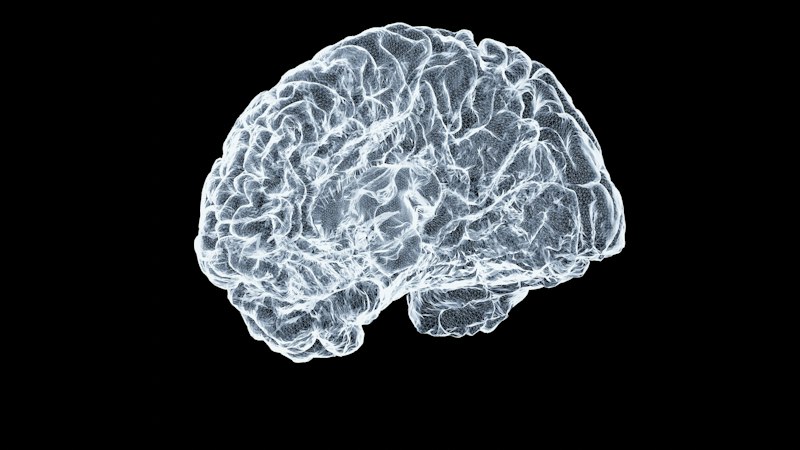
Lissencephaly, a term derived from the Greek words “lissos” meaning smooth and “encephalos” meaning brain, is a rare and severe congenital brain malformation characterized by the absence or significant reduction of the normal folds and grooves in the cerebral cortex. In a typically developing brain, these convolutions, known as gyri and sulci, dramatically increase the surface area of the cerebral cortex, allowing for advanced cognitive, sensory, and motor processing. In contrast, individuals with lissencephaly possess a brain with an abnormally smooth surface, structurally resembling that of a human fetus during the early stages of gestation. This profound macrostructural anomaly represents a severe disruption in early brain development, specifically affecting the complex architectural layout of the central nervous system.
The physiological foundation of this condition lies in a disruption of the highly orchestrated process of neuronal migration, which occurs primarily between the second and fifth months of human embryonic development. During this critical gestational window, billions of newly generated neurons must travel from their birthplace in the periventricular germinal zones outward toward the superficial layers of the brain. Guided by radial glial fibers, these cells migrate in an inside-out fashion to establish the highly organized, six-layered neocortex. In cases of lissencephaly, this migratory journey is prematurely aborted or severely compromised, preventing the neurons from reaching their correct anatomical destinations and leaving the cortex profoundly disorganized.
As a direct consequence of this migratory failure, the structural integrity of the cerebral cortex is severely compromised. Instead of the typical six distinct cellular layers, the cortex of an individual with classical lissencephaly is often thickened and contains only four poorly defined layers, consisting of a molecular layer, a superficial cellular layer, a thick layer of heterotopic neurons, and a deep layer of white matter. This disorganized cellular architecture directly impedes the establishment of normal synaptic networks and functional microcircuits. The resulting lack of cortical complexity limits the brain’s processing capacity, leading to the severe cognitive, motor, and sensory deficits observed clinically.
Historical Milestones in Neuropathology and Discovery
The scientific recognition of lissencephaly has evolved over more than a century, moving from isolated post-mortem anatomical curiosities to a deeply understood molecular and genetic disorder. Early medical literature from the late 19th and early 20th centuries contains sporadic descriptions of smooth brains, often documented during routine autopsies of individuals who had suffered from profound developmental delays, microcephaly, and severe, uncontrollable seizures. These early pathologists meticulously noted the striking absence of the typical cerebral convolutions, differentiating this distinct structural malformation from other destructive prenatal processes or degenerative brain diseases.
Throughout the mid-20th century, advancements in histological staining and neuropathological techniques allowed researchers to move beyond macroscopic descriptions and begin analyzing the cellular architecture of the smooth brain. Neuropathologists identified the characteristic four-layered cortex and recognized that the underlying defect was developmental rather than degenerative, pointing directly to a failure in the radial migration of cortical neurons. This era established the foundational classifications of the disorder, separating classical lissencephaly from other cortical dysplasias and laying the groundwork for clinical diagnostic criteria.
The most revolutionary leap in the understanding of lissencephaly occurred during the late 20th century with the advent of molecular genetics. In the 1990s, researchers identified mutations in the LIS1 gene (located on chromosome 17p13.3) and the DCX gene (located on the X chromosome) as primary genetic causes of classical lissencephaly. These groundbreaking discoveries shifted the medical paradigm, transforming lissencephaly from an idiopathic neuropathological syndrome into a genetically definable disorder. This genetic breakthrough not only improved diagnostic accuracy but also provided neuroscientists with valuable tools to study the precise molecular machinery driving human brain development.
Genetic Determinants and Molecular Pathophysiology
Lissencephaly is primarily a genetically determined disorder caused by mutations in genes that encode proteins critical for cytoskeletal regulation, microtubule dynamics, and cell signaling during neuronal migration. The genetic etiology is highly heterogeneous, involving both autosomal and X-linked genes. The LIS1 gene (also known as PAFAH1B1) is responsible for a significant proportion of classical lissencephaly cases, encoding a protein that interacts with dynein motor proteins to regulate nuclear translocation and cell movement along radial glial scaffolds. When the LIS1 protein is mutated or deficient, the mechanical forces required for neurons to migrate outward are severely compromised, leading to a halt in migration.
Another critical gene implicated in classical lissencephaly is the DCX gene, which encodes the protein doublecortin. Doublecortin is a microtubule-associated protein essential for stabilizing and polymerizing microtubules, which form the internal structural scaffolding of migrating neurons. Because the DCX gene is located on the X chromosome, mutations exhibit an X-linked inheritance pattern. Affected males typically present with severe classical lissencephaly, whereas heterozygous females, due to random X-chromosome inactivation, often display a milder phenotype known as subcortical band heterotopia or “double cortex syndrome,” characterized by a band of misplaced neurons beneath an otherwise relatively normal cortex.
Beyond LIS1 and DCX, several other genes have been identified as rare causes of classical lissencephaly, each playing a specialized role in the migration machinery. Mutations in the TUBA1A gene, which encodes an alpha-tubulin subunit, directly disrupt microtubule structure and function, leading to severe cortical malformations often accompanied by cerebellar and brainstem hypoplasia. Similarly, mutations in genes such as RELN (encoding the signaling protein reelin) and NDE1 (which interacts with LIS1) interfere with the extracellular signals and intracellular pathways that coordinate cellular positioning, highlighting how multiple independent genetic disruptions can converge on the same macroscopic phenotype of a smooth brain.
Phenotypic Variations: Classical versus Cobblestone Lissencephaly
Clinical and pathological classifications distinguish between two major forms of the disorder: classical lissencephaly (formerly referred to as Type I) and cobblestone lissencephaly (formerly referred to as Type II). While both types share the macroscopic feature of a smooth or poorly convoluted cerebral cortex, their underlying cellular mechanisms, genetic causes, and associated systemic features are highly distinct. Classical lissencephaly is characterized by a thickened, four-layered cortex resulting from a failure of migrating neurons to reach their destination, leaving them stranded in deeper layers.
In contrast, cobblestone lissencephaly is characterized by a “cobblestone” appearance of the brain surface, which is caused by an overmigration of neurons and glial cells beyond the outer boundary of the brain (the glial limitans) into the subarachnoid space. This overmigration occurs because of defects in the basement membrane that normally acts as a barrier to stop migrating cells. Instead of a smooth surface, the cortex appears bumpy and disorganized, with thick, irregular bands of neurons protruding outward. This form is typically associated with severe congenital muscular dystrophies and ocular abnormalities, forming distinct clinical syndromes such as Walker-Warburg syndrome and Muscle-Eye-Brain disease.
The genetic mutations underlying cobblestone lissencephaly primarily affect genes responsible for the O-mannosyl glycosylation of alpha-dystroglycan, a glycoprotein essential for anchoring the radial glial fibers to the basement membrane. Mutations in genes such as POMT1, POMT2, FKTN, FKRP, and LARGE disrupt this critical anchoring mechanism, causing the basement membrane to rupture during development and allowing migrating neurons to spill out uncontrollably. Understanding these distinct genetic and pathological pathways is essential for accurate clinical diagnosis, prognosis, and targeted genetic counseling for affected families.
Clinical Manifestations and Symptomatic Complexity
The clinical presentation of lissencephaly is profoundly severe, reflecting the extensive structural disorganization of the cerebral cortex. Symptoms are typically present from birth or early infancy, beginning with feeding difficulties, poor suckling reflexes, and marked muscle weakness, known as hypotonia. As the child grows, this initial floppiness often transitions into progressive muscle stiffness and hypertonia, resulting in spasticity and joint contractures that severely limit voluntary movement. Microcephaly, or an abnormally small head circumference, is also a highly common clinical feature, reflecting the reduced overall growth and development of the brain.
One of the most prominent, debilitating, and difficult-to-manage aspects of lissencephaly is the development of severe, intractable epilepsy. Seizures typically manifest within the first few months of life, often starting as infantile spasms (West syndrome) and evolving into multi-focal, tonic-clonic, or atypical absence seizures. Because the malformed cortex is highly disorganized and lacks normal inhibitory neural circuits, it is prone to continuous, synchronous electrical discharges. These seizures are frequently resistant to standard antiepileptic medications, requiring complex polytherapy regimens and significantly impacting the child’s overall cognitive and physical development.
Developmental delay is universal and profound, with almost all affected individuals functioning at a severe to profound level of intellectual disability. Children with lissencephaly rarely achieve typical developmental milestones; most are unable to sit independently, roll over, crawl, or communicate verbally. In addition to cognitive and motor impairments, systemic complications are highly prevalent. Swallowing dysfunction, or dysphagia, is a major clinical challenge that carries a high risk of aspiration pneumonia, often requiring the surgical placement of a gastrostomy tube to ensure safe and adequate nutrition and hydration.
Diagnostic Protocols and Neuroimaging Modalities
The diagnosis of lissencephaly relies heavily on high-resolution magnetic resonance imaging (MRI), which has revolutionized the detection and classification of cortical malformations. MRI scans provide detailed anatomical images of the brain, allowing clinicians to clearly visualize the absence or reduction of sulci and gyri. On an MRI, the characteristic features of classical lissencephaly include a thickened gray matter ribbon, a smooth outer brain surface, and a simplified, “figure-eight” appearance of the brain on axial views due to wide sylvian fissures. In cobblestone lissencephaly, the MRI reveals a bumpy brain surface, abnormal white matter signals, and associated malformations of the cerebellum and brainstem.
Following neuroimaging confirmation of a smooth brain, genetic testing is performed to identify the underlying molecular cause. Techniques such as chromosomal microarray, gene panels, or whole-exome sequencing are utilized to detect deletions, duplications, or point mutations in genes like LIS1, DCX, or TUBA1A. Identifying the specific genetic mutation is critical, as it confirms the diagnosis, provides valuable prognostic information, and determines the inheritance pattern. This information is vital for genetic counseling, allowing clinicians to advise parents on the risk of recurrence in future pregnancies.
In addition to imaging and genetic diagnostics, electroencephalography (EEG) is routinely performed to monitor and manage the severe seizure activity associated with the condition. EEG patterns in lissencephaly often show high-amplitude, disorganized background activity (hypsarrhythmia) or persistent, generalized fast activity, which helps guide the selection of antiepileptic medications. In some cases, prenatal diagnosis is possible through high-resolution fetal ultrasound or fetal MRI performed during the late second or third trimester of pregnancy, particularly when there is a known family history or an inherited genetic risk.
Multidisciplinary Care and the Practical Realities of Management
There is currently no cure for lissencephaly; therefore, clinical management is entirely supportive, symptomatic, and multidisciplinary. The primary goals of care are to maximize comfort, prevent secondary complications, optimize functional abilities, and enhance the overall quality of life for the affected individual and their family. Because of the complexity of the symptoms, care requires a coordinated team of specialists, including pediatric neurologists, developmental pediatricians, pulmonologists, gastroenterologists, physical therapists, occupational therapists, and speech-language pathologists.
To understand the daily, practical realities of managing this condition, consider the illustrative case of a child named Lily, who was diagnosed with classical lissencephaly in infancy. Lily’s daily care plan demonstrates the intensive, multifaceted approach required to address the daily challenges of the disorder:
- Medical Management of Seizures: Lily requires a complex regimen of multiple antiepileptic drugs to suppress her frequent infantile spasms and tonic-clonic seizures. Her neurological status must be monitored continuously, with medication dosages adjusted frequently to balance seizure control with sedating side effects.
- Therapeutic Interventions: Lily participates in intensive physical therapy sessions aimed at maintaining joint range of motion, reducing spasticity, and preventing painful muscle contractures. Occupational therapy focuses on sensory integration and adapting seating systems to support her head and trunk, while speech therapy explores non-verbal communication methods and monitors safe swallowing.
- Nutritional and Respiratory Support: Due to severe dysphagia and a high risk of aspiration, Lily received a surgically placed gastrostomy tube (G-tube). All of her caloric intake, hydration, and medications are administered through this tube, which has significantly reduced her respiratory infections and stabilized her nutritional status.
- Caregiver Coordination and Support: Lily’s parents manage a complex schedule of medical appointments, therapies, and daily nursing care. They rely heavily on pediatric palliative care teams and local support networks to help navigate the emotional, financial, and physical demands of caring for a child with profound, life-limiting disabilities.
This practical example highlights that while the prognosis for lissencephaly is generally guarded, with many children facing a shortened lifespan due to respiratory complications or status epilepticus, dedicated and compassionate care can significantly improve their daily comfort and well-being. Supportive interventions, including specialized wheelchairs, adaptive toys, and sensory stimulation programs, allow children like Lily to interact with their environment and experience a high degree of comfort and dignity throughout their lives.
Neuroscientific Significance and Broader Pathological Connections
The study of lissencephaly is of profound significance to the fields of developmental neuroscience, psychology, and neurology, serving as an invaluable model for understanding normal human brain development. By identifying the specific genes that are disrupted in lissencephaly, neuroscientists have been able to map the molecular pathways that govern cell division, migration, and cortical organization. This research has shed light on how the human brain evolved its highly convoluted structure and how precise spatial and temporal gene expression is required to build a functional nervous system.
Furthermore, lissencephaly provides a stark clinical demonstration of the direct relationship between brain structure and cognitive function. The severe intellectual and motor deficits observed in individuals with smooth brains illustrate that the convoluted, six-layered structure of the human neocortex is an absolute biological requirement for higher-order cognitive processes, language acquisition, complex motor planning, and sensory integration. Understanding the functional deficits of lissencephaly helps researchers map specific cognitive domains to cortical architecture, contributing to our broader understanding of neuropsychology.
Lissencephaly does not exist in isolation but is classified within a broader category of congenital anomalies known as neuronal migration disorders. Other conditions in this spectrum include:
- Polymicrogyria: Characterized by an excessive number of tiny, malformed gyri, leading to a crowded and disorganized cortical surface.
- Subcortical Band Heterotopia: A condition where bands of neurons fail to reach the cortex and form a “double layer” of gray matter beneath the normal cortex.
- Schizencephaly: Characterized by abnormal clefts in the cerebral hemispheres, which can cause significant motor and cognitive deficits.
These conditions share overlapping genetic etiologies and clinical features, particularly severe epilepsy and developmental delays. Research into the molecular mechanisms of lissencephaly continues to advance diagnostic tools, genetic counseling, and potential future gene therapies for the entire spectrum of migration disorders, offering hope for improved clinical outcomes.