Cognitive Literacy: How Reading Rewires Your Brain
Scientifically Reviewed · Dr. Marwa Abd-Alazim · September 26, 2026
Review Criteria & Clinical Standards
This content undergoes rigorous scientific peer-review and medical editorial standards at Arab Psychology Network to ensure clinical accuracy, validity, and compliance with evidence-based guidelines from leading psychological and healthcare authorities (APA / WHO).
Conceptual Foundations and Historical Evolution of Literacy
The concept of literacy has undergone a profound transformation throughout human history, evolving from a basic ability to sign one’s name or decode simple liturgical texts to a multifaceted construct encompassing complex cognitive and social competencies. Historically, literacy was a privilege reserved for the elite, often tied to religious or administrative functions within ancient civilizations such as Sumer, Egypt, and Greece. In these early contexts, the mastery of orthographic systems was perceived as a specialized craft rather than a universal right. However, the advent of the printing press in the fifteenth century catalyzed a shift toward mass literacy, fundamentally altering the relationship between the individual and the written word. This democratization of information fostered a culture of independent inquiry and served as a cornerstone for the Enlightenment, as the ability to read and write became increasingly linked to civic participation and economic mobility.
In contemporary psychological and educational discourse, literacy is no longer viewed as a binary state of being either literate or illiterate. Instead, it is conceptualized as a continuum of skills that include the capacity to identify, understand, interpret, create, communicate, and compute using printed and written materials associated with varying contexts. The United Nations Educational, Scientific and Cultural Organization (UNESCO) has expanded this definition further to include functional literacy, which emphasizes the practical application of reading and writing skills to navigate the demands of daily life and work. This shift reflects a growing recognition that literacy is intrinsically tied to human agency and the ability of individuals to achieve their goals and develop their knowledge and potential within an increasingly information-dense society.
The historical evolution of literacy also mirrors the development of cognitive psychology and the study of human symbolic representation. Scholars have noted that the transition from oral traditions to written cultures fundamentally restructured the human psyche, enabling higher-order thinking processes such as analytical abstraction and the categorization of knowledge. By externalizing thought through symbols, humans were able to store and transmit information across generations with unprecedented precision. This externalization led to the development of complex legal, scientific, and philosophical systems that define modern civilization. Consequently, the study of literacy is not merely a study of technical skills but an exploration of how the human mind adapts to and is shaped by symbolic technologies.
Today, the scope of literacy continues to expand as global societies transition into the digital age. This expansion has necessitated the inclusion of multimodal literacy, which refers to the ability to interpret and construct meaning from a combination of text, images, sound, and interactive elements. As the medium of communication shifts from the static page to the dynamic screen, the cognitive demands placed on the reader change, requiring new strategies for navigation and information synthesis. Understanding the historical trajectory of literacy allows researchers to appreciate the fluid nature of this construct and the way it responds to the shifting technological and cultural landscapes of the twenty-first century.
Cognitive Processes and the Neurobiology of Reading
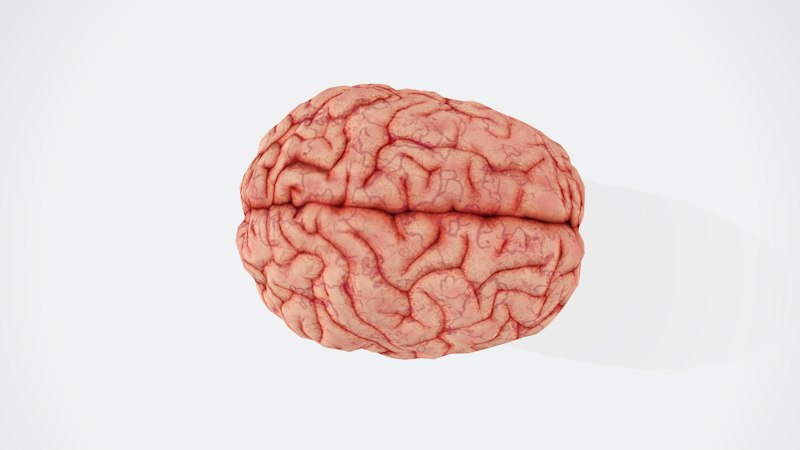
At its core, the psychological study of literacy focuses on the intricate cognitive processes that enable the human brain to translate visual symbols into meaningful language. Unlike speech, which is an evolutionary adaptation for which the human brain is biologically “hard-wired,” reading is a cultural invention that must be explicitly taught and learned. This process requires the brain to repurpose existing neural circuits—originally evolved for object recognition and vision—to recognize graphemes and associate them with phonemes. The “reading circuit” primarily involves a network of regions in the left hemisphere, including the visual word form area (VWFA), Broca’s area for speech production, and Wernicke’s area for language comprehension. The plasticity of the brain allows these disparate regions to synchronize, enabling the rapid decoding necessary for fluent reading.
The Dual-Route Model of reading is a foundational theory in cognitive psychology that describes how individuals process written words. According to this model, readers utilize two distinct pathways: the lexical-semantic route and the sublexical (or phonological) route. The lexical route allows for the direct recognition of familiar words through their visual representation in the mental lexicon, which is essential for reading irregular words like “colonel” or “yacht.” Conversely, the sublexical route involves the systematic translation of letters into sounds using grapheme-to-phoneme correspondence rules. This pathway is critical for decoding novel words or pseudowords. Proficient literacy involves the seamless integration of both routes, allowing for both speed and accuracy in word recognition.
Beyond word recognition, literacy acquisition depends heavily on executive functions such as working memory, inhibitory control, and cognitive flexibility. Working memory is particularly crucial, as it allows the reader to hold segments of text in mind while simultaneously processing the meaning of subsequent sentences. This enables the construction of a mental model of the text, where information is integrated across paragraphs to form a coherent understanding. Furthermore, the cognitive load of reading decreases as decoding becomes more automatic; when a reader no longer needs to consciously sound out every word, they can devote more cognitive resources to higher-level comprehension and critical analysis. This transition from effortful decoding to automaticity is a hallmark of advanced literacy development.
The neurobiological underpinnings of literacy also highlight the importance of neuroplasticity. Research utilizing functional Magnetic Resonance Imaging (fMRI) has demonstrated that as individuals gain literacy skills, there are measurable changes in the white matter tracts—specifically the arcuate fasciculus—that connect the language centers of the brain. These structural changes facilitate faster communication between the visual and auditory processing centers. Moreover, studies of adult literacy learners show that the brain remains capable of these transformations well into maturity, suggesting that the neurological benefits of literacy acquisition are not limited to a “critical period” in childhood, although early exposure remains optimal for developing native-like fluency.
Emergent Literacy and Early Childhood Development
The journey toward full literacy begins long before a child enters a formal classroom, a phase known as emergent literacy. This period encompasses the skills, knowledge, and attitudes that children develop regarding reading and writing during their preschool years. Key components of emergent literacy include print awareness—the understanding that print carries meaning and follows specific conventions, such as reading from left to right—and alphabet knowledge. Children who are exposed to a rich “print environment” at home, characterized by frequent shared book reading and access to writing materials, tend to develop these foundational skills more rapidly. This early exposure helps children build a conceptual framework for how symbols represent spoken language, providing a significant advantage during formal instruction.
Another critical pillar of early literacy is oral language development. There is a strong correlation between a child’s expressive vocabulary and their subsequent reading comprehension abilities. During the early years, children acquire morphological awareness and syntactic complexity through social interaction and storytelling. When caregivers engage in “dialogic reading”—a technique where the adult asks open-ended questions and encourages the child to retell parts of the story—they are fostering the child’s metalinguistic awareness. This ability to think about and manipulate language as an object is a powerful predictor of later literacy success, as it prepares the child for the analytical demands of decoding and encoding text.
The transition from emergent literacy to formal reading instruction typically occurs during the early elementary years and is characterized by the mastery of the alphabetic principle. This principle is the understanding that there is a systematic and predictable relationship between written letters and spoken sounds. Instruction during this stage often focuses on phonics, which provides children with the tools to “crack the code” of the English language. As children become more proficient decoders, they move through the orthographic phase, where they begin to recognize patterns and morphemes (such as prefixes and suffixes) rather than processing every letter individually. This shift is essential for increasing reading fluency, which is the ability to read text with speed, accuracy, and proper expression.
During this developmental window, the role of socio-emotional factors cannot be overstated. A child’s self-efficacy and motivation to read are heavily influenced by their early experiences with literacy. If a child finds early reading tasks frustrating or unrewarding, they may develop reading avoidance, which creates a negative feedback loop: less time spent reading leads to slower skill development, further increasing the difficulty of the task. Conversely, positive early literacy experiences foster a growth mindset and a “love of reading.” Educators and psychologists emphasize the importance of providing developmentally appropriate challenges and diverse, engaging texts to ensure that all children remain motivated during the demanding process of becoming literate.
Socio-Environmental Influences and the Achievement Gap
Literacy development does not occur in a vacuum; it is deeply embedded within the socio-environmental context of the individual. One of the most significant predictors of literacy outcomes is Socio-Economic Status (SES). Research has consistently shown a “literacy gap” that emerges even before the start of formal schooling. This gap is often attributed to differences in the “home literacy environment,” which includes the number of books in the home, the frequency of parent-child reading, and the complexity of the language used in daily interactions. The famous “30-million-word gap” study, though debated in its exact figures, highlights the stark differences in linguistic exposure that children from different economic backgrounds may experience, which directly impacts their lexical acquisition and readiness for school.
Beyond the home, the quality of educational institutions plays a pivotal role in shaping literacy outcomes. Schools in low-income areas often face challenges such as high teacher turnover, limited resources, and larger class sizes, all of which can impede effective literacy instruction. Furthermore, the “Matthew Effect” in reading—a concept derived from the biblical idea that the rich get richer and the poor get poorer—describes how early success in literacy leads to further gains, while early failure leads to an ever-widening gap. Students who struggle early on often receive less exposure to complex texts and may be placed in lower-ability tracks, which limits their opportunities for cognitive stimulation and advanced vocabulary development.
The socio-cultural perspective also emphasizes that literacy is a social practice rather than just a set of cognitive skills. Different communities have different “ways with words,” and the literacy practices valued in a child’s home may not always align with the academic literacy expected in schools. For children from linguistically diverse or marginalized backgrounds, the disconnect between home and school language can create barriers to learning. Culturally responsive pedagogy seeks to bridge this gap by incorporating students’ cultural references and “funds of knowledge” into the literacy curriculum. By validating the diverse ways that students use language, educators can foster a more inclusive environment that promotes literacy engagement for all learners.
Addressing the literacy achievement gap requires systemic interventions that extend beyond the classroom. Community-based programs, such as public library initiatives, summer reading programs, and family literacy workshops, are essential for providing equitable access to resources. Furthermore, policies aimed at reducing income inequality and improving early childhood healthcare can have indirect but profound effects on literacy, as physical and emotional well-being are prerequisites for effective learning. Recognizing literacy as a social justice issue underscores the responsibility of society to ensure that every individual, regardless of their background, has the opportunity to attain the high levels of literacy required for full participation in modern life.
Phonological Awareness and Linguistic Competence
A fundamental prerequisite for successful literacy acquisition is phonological awareness, which is the ability to recognize and manipulate the spoken parts of sentences and words. This includes identifying rhymes, counting syllables, and, most importantly, phonemic awareness—the specific ability to focus on and manipulate individual sounds (phonemes) in spoken words. Without a strong foundation in phonological awareness, children often struggle to understand the alphabetic principle, as they cannot map the letters they see on a page to the sounds they hear in speech. Psychologists have identified phonological awareness as one of the most reliable predictors of early reading success, and deficits in this area are a hallmark of many reading disabilities.
Linguistic competence also involves morphological awareness, which is the understanding of how words are formed from smaller meaningful units called morphemes. In the English language, which is morphophonemic, spelling often reflects the meaning and history of a word rather than just its sound. For example, understanding that the suffix “-ed” indicates past tense helps a reader decode and understand words like “walked” or “jumped,” even if the phonetic pronunciation of the ending differs. Strong morphological awareness allows readers to break down complex, multi-syllabic words into manageable parts, which is essential for navigating academic vocabulary in science, social studies, and literature.
The relationship between vocabulary knowledge and literacy is reciprocal and cumulative. A broad vocabulary facilitates reading comprehension, as the reader can more easily integrate new information into their existing semantic networks. Conversely, reading is one of the primary ways that individuals expand their vocabulary, particularly the Tier 2 words—high-frequency academic words that are rarely used in casual conversation. This “virtuous cycle” of reading and vocabulary growth is essential for developing linguistic fluency. However, for individuals with limited vocabulary, reading complex texts can become an exercise in frustration, as the lack of word knowledge creates “gaps” in the mental model of the text that are difficult to fill.
Furthermore, syntactic awareness—the understanding of the grammatical structure of sentences—is vital for making sense of complex texts. As students progress into higher grades, the sentences they encounter become increasingly sophisticated, employing passive voice, subordinate clauses, and varied sentence structures. A reader must be able to parse these structures to identify the relationship between the subject, the action, and the object. Deficits in syntactic processing can lead to “surface-level” reading, where the individual recognizes the words but fails to grasp the overarching meaning of the sentence. Therefore, comprehensive literacy instruction must include a focus on the structural properties of language alongside decoding and vocabulary development.
Literacy Disorders and Remediation Strategies
For a significant portion of the population, the process of becoming literate is hindered by literacy disorders, the most common of which is developmental dyslexia. Dyslexia is a neurobiological learning disability characterized by difficulties with accurate and/or fluent word recognition and by poor spelling and decoding abilities. These difficulties typically result from a deficit in the phonological component of language that is often unexpected in relation to other cognitive abilities and the provision of effective classroom instruction. Secondary consequences may include problems in reading comprehension and reduced reading experience that can impede the growth of vocabulary and background knowledge. Early identification through universal screening is critical for providing the necessary support before the achievement gap becomes insurmountable.
Another literacy-related challenge is Hyperlexia, a condition where individuals (often on the autism spectrum) demonstrate advanced word recognition skills far beyond their chronological age but struggle significantly with reading comprehension. This highlight the “Simple View of Reading,” which posits that reading comprehension is the product of decoding and linguistic comprehension. For individuals with hyperlexia, the decoding mechanism is highly efficient, but the underlying language processing is impaired. Conversely, some learners may have strong oral language skills but struggle with the mechanics of reading due to visual processing deficits or issues with rapid automatized naming (RAN). Effective remediation must therefore be tailored to the specific profile of the learner’s strengths and weaknesses.
Remediation strategies for literacy disorders often involve Structured Literacy approaches, which are characterized by explicit, systematic, and cumulative instruction. This includes the Orton-Gillingham method, which utilizes multi-sensory techniques to reinforce the links between visual, auditory, and kinesthetic-tactile pathways. By teaching the logic of the English language—including phonology, sound-symbol association, syllable instruction, morphology, syntax, and semantics—these programs provide struggling readers with the tools they need to achieve orthographic mapping. Furthermore, the use of assistive technology, such as text-to-speech software and specialized fonts, can help level the playing field for individuals with persistent reading difficulties, allowing them to access grade-level content while they continue to work on their foundational skills.
The psychological impact of literacy disorders should not be underestimated. Children who struggle to read often experience high levels of academic anxiety, low self-esteem, and a sense of learned helplessness. These emotional burdens can lead to disengagement from school and increased risk for behavioral problems. Therefore, a holistic approach to remediation must also address the affective domain. Providing a supportive environment where mistakes are viewed as part of the learning process and celebrating small victories can help build the resilience necessary for long-term success. Psychologists and educators must work together to ensure that students with literacy disorders receive both the technical instruction and the emotional support they need to thrive.
Digital Literacy and Information Processing in the Modern Age
In the twenty-first century, the definition of literacy has expanded to include digital literacy, which encompasses the ability to use, understand, and critically evaluate information in various digital formats. Unlike traditional print literacy, which is often linear and static, digital literacy requires navigating hypertextual environments where information is networked and non-linear. This necessitates a high degree of self-regulation and metacognitive monitoring, as readers must constantly make decisions about which links to follow and how to synthesize information from multiple sources. The cognitive load in digital environments is often higher due to the presence of distractions and the need for multitasking, which can impact deep comprehension and sustained attention.
A critical component of digital literacy is information literacy, or the ability to discern the credibility and bias of online content. In an era of “fake news” and algorithmic echo chambers, the ability to engage in lateral reading—checking the source and claims against other reputable sites—is an essential survival skill. This requires a shift from passive consumption to critical inquiry. Students must be taught to identify the author’s purpose, recognize logical fallacies, and understand how digital platforms use persuasive design to influence user behavior. Without these critical thinking skills, individuals are vulnerable to misinformation, which can have significant implications for public discourse and democratic processes.
The rise of multimodality in digital spaces also changes the nature of meaning-making. Modern “texts” often integrate video, infographics, and interactive data visualizations. Visual literacy—the ability to interpret and create visual messages—is thus becoming as important as traditional reading and writing. Research suggests that while multimodal content can enhance learning by providing dual coding (visual and verbal) of information, it can also overwhelm the learner if not designed effectively. Psychologists are increasingly interested in how the brain processes these integrated formats and how digital pedagogy can be optimized to support the development of these complex, multi-layered competencies.
Finally, the digital divide remains a significant barrier to universal digital literacy. Access to high-speed internet and modern hardware is not enough; individuals also need the social capital and technical support to develop sophisticated digital skills. There is a “second-level digital divide” based on how technology is used: while many have access to devices, there is a gap between those who use technology for content creation and high-level problem solving and those who use it primarily for passive entertainment. Closing this gap is essential for ensuring economic equity, as digital literacy is now a prerequisite for most high-wage jobs and for navigating essential services such as healthcare and banking in a digital-first world.
Adult Literacy and Functional Competence
While much of the focus on literacy is centered on childhood development, adult literacy is a critical area of concern for psychologists, economists, and policymakers. Millions of adults worldwide possess “low literacy,” meaning they struggle with tasks such as reading a bus schedule, understanding a prescription label, or completing a job application. Adult learners face unique psychological barriers, including the stigma associated with low literacy and the shame of having “failed” in the traditional school system. Consequently, adult education programs must be designed with an understanding of andragogy—the art and science of helping adults learn—which emphasizes the need for relevance, self-direction, and the integration of the learner’s life experiences.
The economic implications of adult literacy are profound. There is a direct correlation between literacy levels and earning potential, employment stability, and workplace safety. In the modern workforce, even entry-level positions often require the ability to read technical manuals, use digital interfaces, and engage in written communication. Furthermore, low literacy is a major contributor to the “intergenerational cycle of poverty,” as parents with limited literacy skills may feel less confident in supporting their children’s educational development. Interventions that focus on family literacy—where parents and children learn together—have shown promise in breaking this cycle by improving the outcomes for both generations simultaneously.
Health literacy is another vital dimension of adult functional competence. It refers to the degree to which individuals have the capacity to obtain, process, and understand basic health information and services needed to make appropriate health decisions. Low health literacy is associated with higher rates of hospitalization, poorer management of chronic conditions, and increased healthcare costs. Psychologists working in public health emphasize the need for clear communication strategies, such as the “teach-back” method, where patients are asked to explain medical instructions in their own words. Improving health literacy is not just an individual responsibility but also requires healthcare systems to reduce the linguistic complexity of their communications.
The motivation for adult literacy learning is often driven by specific life transitions, such as the desire to help a child with homework, the need to obtain a driver’s license, or the goal of career advancement. Successful adult literacy programs leverage these intrinsic motivators by providing context-specific instruction. For example, a “workplace literacy” program might focus on the specific vocabulary and documents used in a manufacturing plant. By making the curriculum immediately applicable to the learner’s life, these programs can increase persistence and engagement. Ultimately, fostering adult literacy is about empowering individuals to navigate the complexities of the modern world with confidence and autonomy.
Evaluation and Assessment of Literacy Skills
The assessment of literacy is a complex endeavor that requires a variety of tools and methodologies to capture the diverse facets of the construct. Standardized assessments, such as the National Assessment of Educational Progress (NAEP) or the Programme for International Student Assessment (PISA), provide macro-level data on the literacy levels of populations across different regions and demographics. These tests are essential for identifying trends, evaluating the effectiveness of educational policies, and allocating resources. However, while standardized tests are useful for broad comparisons, they often fail to capture the nuances of an individual’s literacy profile or the specific strategies they use during the reading process.
In the classroom, formative assessments are used to monitor student progress and inform instruction on an ongoing basis. These might include running records, where a teacher observes and codes a student’s oral reading to identify patterns of error, or cloze procedures, which assess the ability to use context clues to fill in missing words. Qualitative assessments, such as portfolios of student writing or interviews about reading habits, provide a more holistic view of a student’s development. These tools allow educators to see beyond a single score and understand the student’s metacognitive awareness and their identity as a reader and writer. Effective assessment should be a “bridge” between teaching and learning, providing actionable feedback for both the teacher and the student.
Diagnostic assessments are specialized tools used to identify specific learning disabilities or deficits. These tests often measure underlying cognitive processes such as phonological processing, naming speed, and working memory. For example, the Comprehensive Test of Phonological Processing (CTOPP) is frequently used to assess the precursors to reading fluency. By identifying the “root cause” of a student’s struggle, diagnostic assessments allow for the creation of Individualized Education Programs (IEPs) that provide targeted interventions. In the context of psychological research, these assessments are vital for understanding the cognitive architecture of literacy and for testing the efficacy of different instructional models.
As the nature of literacy continues to evolve, so too must our methods of assessment. Traditional paper-and-pencil tests are increasingly being supplemented or replaced by computer-based assessments that can measure digital literacy skills, such as navigating a simulated website or evaluating the reliability of online search results. These modern assessments can also use adaptive testing algorithms to adjust the difficulty of the questions in real-time, providing a more precise measurement of a student’s ability level. The future of literacy assessment lies in the development of multimodal and authentic tasks that reflect the real-world demands of the twenty-first century, ensuring that we are measuring the full spectrum of what it means to be literate in a complex, information-rich society.
- Phonemic Awareness: The ability to hear, identify, and manipulate individual sounds in spoken words.
- Orthographic Mapping: The mental process used to store words for immediate, effortless retrieval.
- Fluency: The ability to read text accurately, quickly, and with proper expression.
- Metacognition: The process of thinking about one’s own thinking, crucial for monitoring comprehension during reading.
- Functional Literacy: The level of reading and writing skills necessary to manage daily living and employment tasks.
- Emergent Stage: Development of print awareness and oral language.
- Decoding Stage: Learning the alphabetic principle and phonics.
- Confirmation and Fluency Stage: Developing speed and automaticity in reading familiar texts.
- Reading for Learning the New Stage: Using literacy as a tool to acquire new knowledge and ideas.
- Multiple Viewpoints Stage: Dealing with complex information and varying perspectives in text.
- Construction and Reconstruction Stage: High-level synthesis and critical analysis of information.