Inpatient Psychiatric Care: Balancing Safety and Healing
Scientifically Reviewed · Dr. Marwa Abd-Alazim · October 2, 2026
Review Criteria & Clinical Standards
This content undergoes rigorous scientific peer-review and medical editorial standards at Arab Psychology Network to ensure clinical accuracy, validity, and compliance with evidence-based guidelines from leading psychological and healthcare authorities (APA / WHO).
LOCKED WARD
Core Definition and Purpose
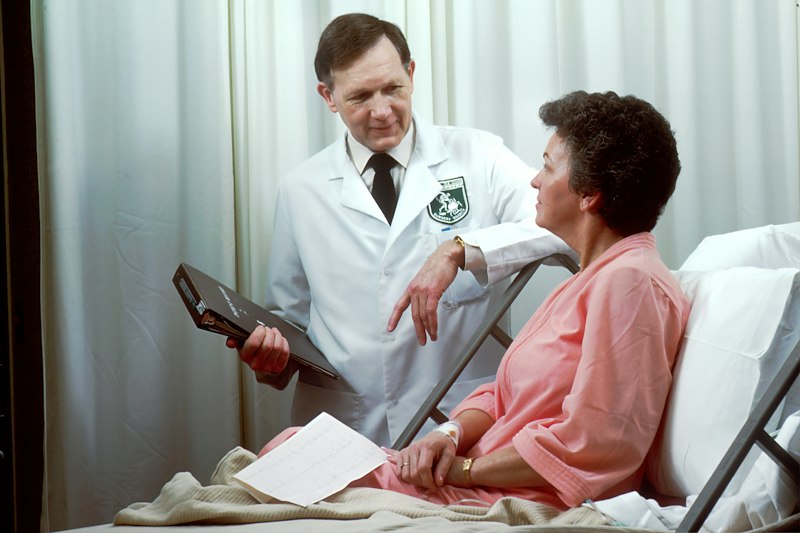
A locked ward represents a highly structured and secure form of inpatient psychiatric care, designed specifically for individuals experiencing acute mental health crises where there is a significant, immediate risk of harm to themselves or others, or where a profound inability to care for themselves in a less restrictive environment exists. This specialized therapeutic setting provides intensive, round-the-clock clinical monitoring and multidisciplinary treatment within a controlled, securely contained space. Patients may be admitted to a locked ward either voluntarily, recognizing their own acute need for such a protective environment, or involuntarily, through established legal mechanisms when their mental state severely impairs their judgment and poses a clear and present danger to safety. The fundamental mechanism of a locked ward is to provide a safe, secure, and therapeutic milieu where immediate stabilization, comprehensive diagnostic assessment, and targeted clinical interventions can occur without the external distractions, stressors, or safety risks present in the general community or open psychiatric units.
The primary purpose of a locked ward extends far beyond mere physical containment; it is designed to facilitate an acute phase of psychiatric treatment aimed at alleviating severe symptoms, restoring a baseline level of functioning, and preparing the individual for a safe transition to a less restrictive level of care. This comprehensive process often involves a multifaceted approach encompassing advanced psychopharmacological interventions to manage severe psychotic symptoms, profound mood disturbances, or acute anxiety, alongside various planned physical and behavioral interventions. These interventions include close nursing observation, verbal de-escalation techniques, and, in rare circumstances, therapeutic seclusion or physical restraint when absolutely necessary as a last resort to prevent immediate self-harm or violence. The ward’s environment is meticulously managed by clinical staff to minimize chaotic stimuli that could exacerbate psychiatric symptoms while maximizing opportunities for positive therapeutic engagement, all within the confines of a secure perimeter that ensures both patient and staff safety.
The clinical population served by locked wards typically includes individuals experiencing severe, acute manifestations of psychiatric illnesses, such as active psychosis, severe major depressive episodes accompanied by active suicidal ideation, acute mania with dangerous impulsive behaviors, or severe substance-induced psychoses. The sheer severity and unpredictability of these clinical presentations necessitate an environment where constant professional supervision can be seamlessly maintained, and rapid responses to behavioral crises are readily available. The decision to admit a patient to a locked ward is a significant clinical, ethical, and legal milestone, requiring clinicians to continuously balance the patient’s fundamental right to personal freedom with the clinical imperative to ensure their safety and facilitate their long-term recovery. This critical balance underscores the specialized nature and the profound ethical responsibility associated with operating such a secure psychiatric facility.
Historical Evolution of Inpatient Psychiatric Care
The concept of a locked psychiatric environment has deep, complex roots in the history of mental healthcare, tracing its origins back to the 19th century with the establishment of the first formal mental asylums. These early institutions, often vast, imposing, and isolated, were initially conceived under the philosophy of moral treatment as places of refuge and quiet reflection, but they quickly devolved into custodial warehouses for the mentally ill due to rapid population growth and systemic neglect. Characterized by severe overcrowding, a near-total lack of active therapeutic interventions, and often inhumane living conditions, these historic asylums frequently relied on physical restraint, locked doors, and architectural segregation to manage large, distressed populations with minimal staff. The prevailing societal attitudes of the era viewed mental illness through a highly stigmatized lens of moral failing or incurable deviance, justifying institutionalization as a primary means of societal protection rather than individual healing.
The early 20th century witnessed a gradual, albeit uneven, shift in the clinical approach to mental illness, driven by nascent psychological theories, early somatic treatments, and medical advancements. The use of locked wards intensified during this period, not solely for custodial purposes, but also in response to an emerging medical understanding of patient safety and the need for structured diagnostic observations. With the introduction of the first effective psychotropic medications in the mid-20th century, particularly the discovery of chlorpromazine and other antipsychotics in the 1950s, there was a dramatic and unprecedented transformation in the management of severe mental illness. These pharmacological breakthroughs allowed for rapid symptom control, which paradoxically led to an initial surge in the institutional population as more individuals could be stabilized and maintained within psychiatric facilities, albeit still often in highly locked and secure environments, before the subsequent wave of deinstitutionalization fully took hold.
The 1950s marked the absolute peak of institutional psychiatric care in the United States, with an estimated 60,000 beds across more than 1,000 public and private institutions, a staggering figure that highlights the pervasive historical reliance on inpatient settings. Many of these expansive facilities included extensive networks of locked wards designed to manage various levels of behavioral disturbance. However, the subsequent decades saw a significant paradigm shift driven by civil rights advocacy, legislative reforms, and clinical advancements. Critiques of institutionalization, coupled with the proven effectiveness of new medications and a growing societal emphasis on community-based mental health care, led to the widespread policy of deinstitutionalization. This movement aimed to transfer psychiatric care from large, isolated state institutions to smaller, community-integrated programs, drastically reducing the overall number of psychiatric beds, including those in locked wards, and reshaping secure inpatient care into the acute, short-term stabilization model we recognize today.
Operational Framework and Patient Profile
In contemporary psychiatric care, locked wards operate within a highly structured, strictly regulated, and clinically advanced framework, primarily found within acute care psychiatric hospitals and specialized long-term residential treatment facilities. These secure units are architecturally and operationally designed to provide a safe, predictable, and therapeutic environment for individuals whose mental health condition necessitates a level of supervision and containment that cannot be safely provided in open units or outpatient community settings. Admission criteria to these units are exceptionally stringent, focusing on the acute nature of the clinical crisis and the presence of imminent risk factors, such as active suicidal ideation with a plan, severe self-harm behaviors, aggressive outbursts posing an immediate danger to others, or profound functional impairment due to psychosis that renders the individual incapable of basic self-care and safe decision-making.
The staffing model within a modern locked ward is inherently multidisciplinary and highly collaborative, reflecting the complex, holistic medical and psychological needs of the patient population. To ensure comprehensive care, the multidisciplinary team typically consists of the following professionals:
- Psychiatrists: Board-certified physicians who oversee diagnostic assessments, prescribe and monitor complex psychopharmacological regimens, and direct the overall treatment planning process.
- Registered Nurses: Specialized psychiatric nurses who provide continuous medical and psychiatric monitoring, administer medications, manage behavioral crises, and offer immediate therapeutic support.
- Social Workers: Dedicated professionals who facilitate comprehensive discharge planning, connect patients and families with essential community resources, and address systemic family dynamics.
- Therapeutic Specialists: Occupational and recreational therapists who design and implement structured activities to help patients regain functional independence and develop healthy coping mechanisms.
The daily operation of a locked ward is characterized by a carefully curated balance between physical security and active therapeutic engagement. While the entry and exit doors remain physically locked to ensure patient safety and prevent elopement, the internal environment is highly structured to actively promote personal recovery and clinical stabilization. This involves a consistent, predictable daily schedule of therapeutic groups, individual counseling sessions, structured medication administration, and opportunities for supervised recreation and socialization. The primary emphasis is on creating a supportive, calm, and safe atmosphere where patients can begin to regain cognitive stability, develop essential coping skills, and work collaboratively towards reintegration into a less restrictive therapeutic environment. The continuous presence of trained, empathetic staff allows for immediate, gentle intervention in times of distress, providing constant reassurance and guidance to individuals who may be experiencing profound disorientation, fear, or emotional dysregulation.
Therapeutic Environment and Interventions
The locked ward, despite its physical restrictiveness, functions as a critical therapeutic environment, providing a concentrated array of specialized clinical interventions tailored specifically to acute psychiatric crises. The very structure, predictability, and routine of the ward contribute significantly to its therapeutic efficacy, offering a secure space where patients can begin to stabilize away from external stressors. A core component of this specialized care is medication management, where psychiatrists carefully assess, prescribe, and monitor potent psychotropic medications to alleviate severe, distressing symptoms such as hallucinations, delusions, severe mania, or profound depression. Nursing staff play a crucial role in this process, administering medications, closely observing for therapeutic efficacy and potential side effects, and educating patients about their pharmacological treatment plans, which is essential for long-term symptom reduction and preventing immediate post-discharge relapse.
Beyond pharmacological management, a diverse range of therapeutic modalities is integrated into the daily schedule to address the psychological and social dimensions of recovery. Group therapy sessions are a cornerstone of daily life, offering a structured forum for patients to share experiences, practice social skills, and receive peer support under the guidance of a trained therapist. These groups typically focus on psychoeducation, coping skills development, stress management, emotion regulation, and relapse prevention strategies. Individual therapy, though often brief and focused due to the acute nature of inpatient care, provides a confidential, safe space for patients to process their current crisis, explore underlying psychological issues, and establish short-term recovery goals with a mental health professional.
The therapeutic milieu extends to all aspects of ward life, ensuring that even informal interactions contribute to the patient’s recovery. Occupational therapy helps patients regain functional independence through practical, goal-directed activities, while recreational therapy promotes physical engagement, stress reduction, and healthy leisure pursuits. The constant presence of the multidisciplinary team allows for continuous, real-time assessment and adjustment of the treatment plan, ensuring that clinical interventions are highly responsive to the patient’s evolving needs. This structured routine, combined with clear clinical expectations and consistent therapeutic boundaries within the locked ward, is specifically designed to reduce anxiety, promote behavioral control, and foster a deep sense of safety, all of which are paramount for individuals grappling with severe mental health challenges.
A Practical Scenario: Navigating Acute Crisis
To understand how a locked ward functions in practice, consider the case of Sarah, a 32-year-old woman with a history of bipolar disorder, who is brought to the hospital’s emergency department by her family. For the past week, Sarah has been experiencing an acute manic episode characterized by severe sleep deprivation, rapid and pressured speech, grandiose delusions about her financial capabilities, and impulsive spending that has led to significant financial distress. Crucially, she has become increasingly agitated, culminating in a verbal altercation with her family where she threatened self-harm, stating she might “just end it all” if they tried to prevent her from pursuing her delusional business ventures. Her clinical judgment is severely impaired, and she poses an immediate risk to herself due to her extreme impulsivity, agitation, and active suicidal ideation, making voluntary cooperation with outpatient treatment highly unlikely.
Upon arrival at the emergency department, Sarah undergoes a thorough psychiatric and medical evaluation. Given the acute severity of her symptoms, the high risk of self-harm, and her inability to make safe decisions, the psychiatric team determines that an involuntary admission to a locked psychiatric ward is medically and legally necessary to ensure her safety. This decision is made after exhausting less restrictive options and considering the immediate safety imperative. The step-by-step process of her admission and stabilization follows a structured pathway:
- Clinical Evaluation: A qualified psychiatrist conducts a formal assessment to document the imminent risk and lack of decision-making capacity.
- Legal Certification: The clinical team completes the formal legal paperwork required by local jurisdiction for involuntary commitment, initiating an emergency hold.
- Secure Transfer: Sarah is safely transferred to the locked inpatient unit, where a secure admission process is conducted to inventory her belongings for safety.
- Multidisciplinary Intake: The ward staff immediately initiate a comprehensive, multidisciplinary care plan tailored to her acute manic state.
Once admitted to the locked ward, the multidisciplinary team immediately initiates Sarah’s clinical stabilization plan. The primary goals are to ensure her safety, stabilize her mood, and restore her cognitive judgment. This involves the careful, monitored administration of mood-stabilizing medications and antipsychotics, initially with close observation to ensure adherence. Nursing staff provide continuous, supportive observation, de-escalating any further agitation through verbal techniques and maintaining a low-stimulus environment. Sarah participates in the structured daily schedule, including group therapy focused on mood regulation and individual sessions with her psychiatrist to adjust her medications. Over several days, as her pharmacological treatment takes effect and she benefits from the structured environment, Sarah’s agitation subsides, her sleep patterns normalize, and her delusions begin to wane, allowing her to engage meaningfully in her treatment and begin planning for a safe discharge to an intensive outpatient program.
Ethical, Legal, and Human Rights Considerations
The use of locked wards, while clinically necessary for acute crisis intervention, is fraught with complex ethical and legal considerations due to the inherent restriction of an individual’s fundamental liberty. A central, ongoing tension exists between the ethical principle of patient autonomy—the right to self-determination—and the clinical imperative of beneficence and safety, which demands protecting the patient and others from harm. The potential for abuse, neglect, and institutionalization, historically prevalent in psychiatric settings, remains a significant concern, necessitating robust legal safeguards and continuous external oversight. Professional organizations, such as the American Psychiatric Association (APA), have established comprehensive ethical guidelines to ensure that patients in locked wards receive appropriate, dignified, and evidence-based care that respects their humanity.
Key legal and ethical provisions governing care in locked wards include the critical requirement for informed consent. Although patients admitted involuntarily may not initially provide consent for their admission, their active consent must be continually sought for specific treatments, particularly psychotropic medications, as soon as their clinical capacity to make informed decisions is restored. The right to refuse treatment is another critical safeguard, which can only be overridden in specific, legally defined emergency circumstances when a patient poses an imminent danger and completely lacks the capacity to understand their need for treatment. In such cases, strict legal processes, often involving independent clinical reviews or court orders, are required to compel treatment, ensuring that such profound infringements on autonomy are subject to rigorous judicial oversight. Furthermore, patients maintain a fundamental right to access legal representation, allowing them to challenge their involuntary status at any time.
Beyond individual legal rights, ethical considerations extend to the design and culture of the physical environment itself. Modern psychiatric facilities must be designed and operated to actively promote recovery rather than merely containment, fostering a therapeutic milieu that minimizes the potential for re-traumatization, restriction, or dehumanization. This requires maintaining adequate, highly trained staffing levels, implementing ongoing staff education in trauma-informed care and verbal de-escalation, and maintaining transparent reporting mechanisms for any incidents of seclusion or restraint. Regulatory bodies and independent accreditation agencies conduct regular, unannounced inspections to ensure compliance with these high standards, providing an essential layer of public accountability. The ongoing challenge for psychiatric medicine is to continually balance the protective function of the locked ward with the patient’s inherent rights to liberty, self-determination, and a therapeutic environment.
Significance, Impact, and Broader Implications
The locked ward holds profound significance within the modern continuum of mental healthcare, serving as a critical safety net for individuals experiencing the most severe and acute manifestations of mental illness. Its primary clinical impact lies in its unique capacity to provide immediate, highly secure crisis stabilization, preventing tragic outcomes such as suicide, serious self-harm, or violence against others, which are often the direct consequences of untreated or unmanaged psychiatric emergencies. By offering a secure, low-stimulus, and highly supervised environment, locked wards allow for the intensive clinical interventions necessary to break the cycle of acute crisis, allowing individuals to safely regain a baseline level of emotional stability and cognitive functioning. Without these specialized, secure units, the healthcare system would lack a crucial resource for managing psychiatric emergencies, potentially leading to increased suffering, higher rates of incarceration for individuals in crisis, and a higher prevalence of tragic outcomes in the community.
The contemporary applications of locked wards are highly targeted and strictly focused on acute crisis management rather than long-term institutionalization. They are indispensable for individuals requiring short-term inpatient hospitalization due to severe symptoms that compromise their safety, or those who are unable to function independently due to profound cognitive or emotional impairment. This includes individuals experiencing severe active psychotic episodes, acute manic or major depressive states with high suicide risk, or severe substance-induced psychoses requiring medical detoxification and psychiatric stabilization. Beyond immediate crisis intervention, locked wards also play an important role in short-term intensive assessment, providing a contained environment where complex diagnostic evaluations can be safely conducted, medication regimens can be titrated, and initial therapeutic alliances can be established before transitioning the patient to a less restrictive setting.
The broader implications of locked wards extend to the overall structure of the mental healthcare system and societal perceptions of mental illness. While their use has significantly decreased since the peak of institutionalization in the mid-20th century, they remain an essential, irreplaceable component of a comprehensive psychiatric care network. The ongoing ethical and legal debates surrounding their use, particularly concerning patient autonomy and involuntary commitment, continuously shape public policy and legislative frameworks. These ongoing discussions highlight the persistent tension between individual liberties and collective safety, pushing the fields of psychology, psychiatry, and law to continually refine clinical practices, explore less restrictive alternatives, and ensure that secure environments are used judiciously, therapeutically, and always with the patient’s dignity and human rights at the forefront.
Related Concepts and Future Directions
The concept of a locked psychiatric ward is deeply linked to several other foundational concepts in psychology, psychiatry, and public health. One of the most significant related concepts is deinstitutionalization, the mid-20th-century social and political movement that shifted mental healthcare from large, isolated state hospitals to community-based settings. This historic movement drastically reduced the number of long-term locked beds and promoted the development of less restrictive forms of care, transforming the modern locked ward into a highly specialized, short-term acute intervention. Another closely related concept is involuntary commitment, the legal process by which individuals deemed an imminent danger to themselves or others due to severe mental illness can be admitted to a psychiatric facility without their consent. This legal framework underpins a significant portion of locked ward admissions, carefully balancing civil liberties with the state’s paternalistic duty to protect vulnerable citizens.
Furthermore, the clinical operations of a locked ward are deeply intertwined with the principles of acute psychiatric care, the establishment of a therapeutic milieu, and advancements in psychopharmacology. Acute psychiatric care refers to the intensive, short-term stabilization provided during a severe mental health crisis, which is the primary function of the locked ward. A therapeutic milieu emphasizes creating an entire environment—physical, social, and emotional—that is deliberately designed to be conducive to healing and recovery. Even within the secure confines of a locked ward, clinicians strive to foster a supportive, structured, and engaging atmosphere to counteract the inherent restrictiveness of locked doors. Simultaneously, the rapid development of modern psychopharmacology has enabled quicker symptom stabilization, significantly reducing the average length of stay and allowing patients to transition rapidly to less restrictive community care.
Looking to the future, the clear trajectory of mental healthcare is towards even less restrictive alternatives and more integrated, community-based solutions, aiming to minimize the reliance on locked wards wherever clinically possible. Key innovations include the expansion of crisis stabilization units that offer short-term, intensive support in a less institutional, homelike setting, often incorporating peer support specialists. The development of robust intensive outpatient programs (IOPs) and partial hospitalization programs (PHPs) allows individuals to receive significant daily therapeutic intervention while continuing to live safely at home. There is also a growing emphasis on early intervention, preventative care, and technology-assisted therapies to manage mental health conditions before they escalate to acute crises. However, despite these advancements, it is widely recognized that for certain severe, acute, and unpredictable presentations of mental illness, a secure, therapeutically robust locked ward will continue to play an indispensable role as a critical component of a comprehensive and compassionate mental healthcare system.