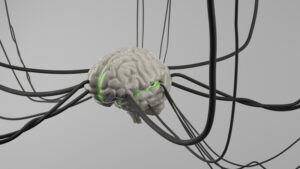
Machiavellianism: The Dark Art of Strategic Manipulation
Scientifically Reviewed · Dr. Marwa Abd-Alazim · September 25, 2026
Review Criteria & Clinical Standards
This content undergoes rigorous scientific peer-review and medical editorial standards at Arab Psychology Network to ensure clinical accuracy, validity, and compliance with evidence-based guidelines from leading psychological and healthcare authorities (APA / WHO).

Conceptual Overview of the Mach Card System
The Mach Card represents a significant paradigm shift in the field of identity management and secure authentication. Conceived as a multifaceted security apparatus, the Mach Card transcends the limitations of traditional verification methods by integrating disparate technological domains into a single, cohesive unit. This novel approach is grounded in the necessity for a more robust defense against the increasing sophistication of identity theft and unauthorized access in a hyper-connected global landscape. By synthesizing biometric data, cryptographic protocols, and physical tokenization, the Mach Card establishes a high-fidelity verification environment that ensures the person attempting to authenticate is indeed the authorized user.
At its core, the Mach Card is designed to address the inherent vulnerabilities found in mono-factor or even standard dual-factor authentication systems. While conventional systems may rely heavily on “something you know,” such as a password, or “something you have,” such as a mobile device, the Mach Card introduces a comprehensive three-factor authentication framework. This framework demands the simultaneous verification of inherence (the user’s physical traits), possession (the physical card itself), and logic (the cryptographic signature). This tripartite structure creates a synergistic security layer that is exponentially more difficult to compromise than its constituent parts, providing a reliable foundation for sensitive transactions and secure environmental access.
The innovation of the Mach Card lies not only in its technological components but also in its implementation strategy. Unlike many digital-only solutions that can be bypassed through remote hacking or social engineering, the Mach Card requires a tangible interaction between the user and a physical device. This physical requirement serves as a critical barrier against remote exploitation, as it necessitates the presence of the legitimate cardholder. Furthermore, the integration of advanced encryption algorithms ensures that the data stored on the card is resilient against tampering and unauthorized extraction, thereby maintaining the integrity of the user’s identity profile throughout the entire lifecycle of the verification process.
Ultimately, the Mach Card serves as a comprehensive response to the evolving demands of both public and private sectors for a more secure, efficient, and user-centric identity verification solution. By bridging the gap between physical security and digital cryptography, it offers a versatile tool that can be adapted to various high-stakes environments. The subsequent sections of this entry will delve deeper into the technical architecture, the specific biometric and cryptographic features, and the diverse range of applications that characterize the Mach Card as a pioneering development in modern security technology.
The Evolution of Identity Verification Paradigms
The history of identity verification has been marked by a constant struggle to balance security with convenience. In the early digital era, simple knowledge-based authentication—primarily passwords and Personal Identification Numbers (PINs)—was considered sufficient for most applications. However, as computational power increased and cyber-attack vectors became more diverse, these methods proved increasingly inadequate. Passwords are frequently forgotten, easily guessed, or stolen through phishing and brute-force attacks, leading to widespread vulnerabilities. The Mach Card emerges from this historical context as a necessary evolution, moving beyond the frailties of memory-based security toward a more immutable form of identification.
The transition from knowledge-based systems to possession-based systems introduced the use of physical tokens, such as smart cards and hardware keys. While these represented an improvement, they still possessed a significant flaw: the token could be lost, stolen, or duplicated without the owner’s immediate knowledge. If an unauthorized individual gains possession of a traditional security card, the system often has no way of determining that the bearer is not the rightful owner. The Mach Card addresses this critical gap by tethering the physical token to the biological identity of the user, ensuring that possession alone is insufficient for successful authentication.
In recent years, the rise of biometric technology has introduced the “something you are” factor into the security equation. Fingerprint scanners and facial recognition software have become commonplace, yet they are not without their own sets of challenges, including privacy concerns and the risk of biometric spoofing. The Mach Card project recognizes these challenges and seeks to mitigate them by using biometrics as one part of a larger, multi-layered protocol. By combining the biological marker with a cryptographic signature and a physical medium, the Mach Card creates a system where the failure or compromise of a single factor does not result in a total breach of security.
This evolutionary trajectory highlights a move toward holistic security models. The Mach Card does not rely on a single breakthrough but rather on the intelligent orchestration of existing and emerging technologies. This approach reflects a sophisticated understanding of the psychological and technical aspects of security, acknowledging that human error and technological limitations must both be accounted for in a truly secure system. By positioning itself at the intersection of these various evolutionary paths, the Mach Card provides a blueprint for the future of secure identity verification in an increasingly complex world.
Three-Factor Authentication: The Core Architecture
The fundamental pillar of the Mach Card’s efficacy is its three-factor authentication (3FA) system. This architecture is designed to provide a “defense-in-depth” strategy, where multiple layers of security are applied to ensure that an attacker must overcome several different types of obstacles to gain access. The first factor is the physical card itself, which acts as a tangible key. This physical presence requirement prevents many forms of automated, remote attacks that plague digital-only systems. The card serves as a secure container for the other factors, providing a hardware-based root of trust that is difficult to replicate or forge.
The second factor within the Mach Card architecture is the biometric identifier. This is typically a fingerprint or a retinal scan, though other physiological markers can be integrated depending on the specific security requirements of the application. This factor provides the essential link between the digital credentials and the biological person. Because biometric traits are unique to each individual and difficult to alter, they provide a high degree of certainty that the person presenting the card is indeed the authorized user. This integration of inherence-based security significantly reduces the risk of identity fraud and ensures that the card cannot be used by anyone other than the registered owner.
The third and final factor is the cryptographic signature. This logic-based factor involves the use of complex mathematical algorithms to generate a unique digital code that validates the authenticity of the transaction. When the card is presented, the cryptographic signature is verified against a secure server or an internal database. This process ensures that the card is genuine and that the data it contains has not been tampered with since its issuance. The use of asymmetric cryptography, involving public and private key pairs, allows for secure verification without ever exposing the sensitive private keys, thereby maintaining the long-term security of the system.
The synergy between these three factors is what distinguishes the Mach Card from other security solutions. Each factor compensates for the potential weaknesses of the others. For example, if the physical card is stolen, it cannot be used without the correct biometric match. If a biometric trait is spoofed, the attacker still lacks the physical card and the valid cryptographic signature. This interdependent security logic ensures a level of resilience that is far superior to single-factor or dual-factor systems. The result is a highly reliable and secure method for verifying identity that can be trusted in even the most sensitive and high-risk environments.
Biometric Integration and Physiological Recognition
A defining characteristic of the Mach Card is its sophisticated integration of biometric technology. Biometrics involves the measurement and statistical analysis of people’s unique physical and behavioral characteristics. In the context of the Mach Card, the focus is primarily on physiological traits such as fingerprints and retinal scans. These markers are chosen for their high degree of permanence and distinctiveness across the human population. By embedding a biometric template directly onto the card’s secure chip, the Mach Card ensures that the identity verification process is inextricably linked to the physical person of the user.
The process of biometric integration begins with the enrollment phase, where the user’s biometric data is captured using high-resolution sensors. This data is then processed through an algorithm to create a digital template, which is a mathematical representation of the unique features of the fingerprint or retina. It is important to note that the Mach Card typically stores this template rather than a raw image of the biometric trait, which enhances user privacy and prevents the data from being used to reconstruct the original biometric image. This template is then encrypted and stored within the card’s secure memory, accessible only during the authentication process.
During a verification attempt, the user provides a live biometric sample—for example, by placing their finger on a scanner. The system then compares this live sample against the stored template on the Mach Card. This matching algorithm must be highly accurate to avoid two types of errors: False Rejection (denying access to a legitimate user) and False Acceptance (granting access to an unauthorized user). The Mach Card utilizes advanced processing power to ensure that these comparisons are performed rapidly and with a high degree of precision, maintaining a smooth user experience without compromising security standards.
Furthermore, the use of biometric identifiers provides a psychological sense of security and accountability. Unlike a password, which can be shared or written down, a biometric trait is a part of the person. This creates a non-repudiable link between the individual and their actions within a secure system. In high-security environments, this level of identity assurance is critical for maintaining audit trails and ensuring that only authorized personnel have access to sensitive information or restricted areas. The Mach Card thus leverages the uniqueness of human biology to provide a nearly foolproof method of person-to-card verification.
Cryptographic Protocols and Data Security
Beyond the physical and biometric layers, the Mach Card relies heavily on cryptographic protocols to ensure the integrity and confidentiality of the data it handles. Cryptography is the practice and study of techniques for secure communication in the presence of third parties. In the Mach Card system, encryption algorithms are employed to protect the sensitive information stored on the card, such as the biometric templates and the user’s unique identifiers. This encryption ensures that even if the physical card’s data were somehow extracted, it would be unreadable and useless to an unauthorized party.
One of the core cryptographic features of the Mach Card is the generation and verification of digital signatures. A digital signature is a mathematical scheme for demonstrating the authenticity of digital messages or documents. When a Mach Card is used to authenticate an identity, it generates a signature that is unique to that specific transaction and that specific card. This signature is created using a private key stored securely within the card’s hardware. The verifying system (such as a card reader or a server) then uses a corresponding public key to verify that the signature was indeed created by the legitimate Mach Card, ensuring that the card has not been cloned or tampered with.
The security of the data transmission between the Mach Card and the authentication server is another critical aspect of the system’s design. The Mach Card utilizes secure communication channels, often employing protocols like Transport Layer Security (TLS) or similar encryption standards, to transmit data. This prevents “man-in-the-middle” attacks, where an adversary might attempt to intercept the communication between the card and the reader. By encrypting the data in transit, the Mach Card ensures that identity credentials remain confidential from the moment they are read until they are processed by the secure server.
Furthermore, the Mach Card’s cryptographic architecture is designed to be resilient against future threats, including the potential rise of quantum computing. By utilizing robust and well-vetted encryption standards, the system provides a long-term solution for identity verification. The inclusion of these cryptographic layers transforms the Mach Card from a simple identification token into a sophisticated cryptographic module capable of performing complex security operations. This high level of technical rigor is essential for maintaining trust in the system, particularly when it is used for high-value transactions or the protection of national security interests.
Physicality and Tangibility in Secure Transactions
In an era where many security solutions are moving toward entirely digital or “cloud-based” formats, the Mach Card intentionally maintains a physical presence. This tangibility is not merely a matter of tradition but is a strategic security choice. The physical card serves as a “hardware token” that must be physically present for an authentication event to occur. This requirement eliminates the possibility of remote unauthorized access, a common vulnerability in systems that rely solely on digital credentials. An attacker located in a different geographical region cannot “hack” a Mach Card in the same way they might hack a password-protected account; they would need to physically possess the card itself.
The physical card also provides a dedicated environment for secure processing. Modern Mach Cards often incorporate a Secure Element (SE) or a similar tamper-resistant hardware chip. This chip is designed to execute cryptographic operations and store sensitive data in an environment that is isolated from the rest of the card’s components and any external systems. This hardware-level isolation is a critical defense against side-channel attacks and other sophisticated methods used to extract data from electronic devices. The physical nature of the card allows for this specialized hardware to be implemented, providing a level of security that software-only solutions cannot match.
From a user experience perspective, the tangibility of the Mach Card provides a clear and intuitive mechanism for identity verification. Users are familiar with the concept of using a card for transactions, such as credit cards or ID badges. This familiarity reduces the cognitive load associated with learning new security protocols and increases the likelihood of user compliance with security policies. The act of physically presenting the card and providing a biometric sample also serves as a conscious confirmation of the user’s intent to authenticate, which can help prevent accidental or coerced authentication events.
Additionally, the physical card can include secondary visual security features, such as holograms, fine-line printing, or ultraviolet ink, which provide an extra layer of protection against counterfeiting. These features allow for a quick visual inspection by security personnel, providing a “low-tech” but effective verification method that complements the high-tech digital features. By combining these physical attributes with advanced electronics, the Mach Card offers a multi-dimensional security token that is as robust in the physical world as it is in the digital one. This dual-world presence is a key factor in the Mach Card’s effectiveness as a comprehensive identity verification tool.
Applications in Access Control and Facility Security
One of the primary applications for the Mach Card is in the realm of physical access control. In high-security environments—such as government buildings, research laboratories, data centers, and critical infrastructure sites—managing who enters and exits is of paramount importance. Traditional keycards can be easily lost or shared, but the Mach Card’s biometric verification ensures that only the authorized individual can gain entry. By requiring the physical card and a biometric match at the point of entry, organizations can significantly reduce the risk of unauthorized physical breaches.
The Mach Card can be integrated into existing electronic security systems, allowing for a seamless transition to a higher level of security. For instance, a facility could replace standard proximity card readers with Mach Card-compatible readers that include biometric scanners. This setup allows for granular access control, where different individuals are granted access to specific zones based on their identity and authorization level. The system can also maintain a highly accurate log of all entry and exit events, providing an immutable audit trail that is essential for compliance and forensic investigations.
In addition to permanent facilities, the Mach Card is ideal for temporary access management. For example, contractors or visitors can be issued a Mach Card with limited-time access rights. Because the card is tied to their biometric data, the organization can be certain that the card is being used only by the person to whom it was issued. This level of identity certainty is particularly valuable in settings where sensitive information or dangerous equipment is present. The Mach Card thus provides a flexible and scalable solution for managing the complexities of modern facility security.
Furthermore, the Mach Card can be used to control access to restricted equipment or machinery. In industrial settings, ensuring that only trained and authorized personnel operate specific machines is a matter of both security and safety. By requiring a Mach Card authentication before a machine can be activated, companies can prevent accidents caused by unauthorized use and ensure that safety protocols are strictly followed. This application demonstrates the versatility of the Mach Card beyond simple door access, showing its potential to enhance security and safety across a wide range of operational contexts.
Authentication Mechanisms in Digital Environments
While the Mach Card has clear applications in the physical world, its utility is equally significant in digital environments. As more business and personal activities move online, the need for secure remote authentication has become critical. The Mach Card can be used as a hardware-based authenticator for accessing secure websites, corporate networks, and cloud-based services. By connecting the Mach Card to a computer or mobile device (via USB, NFC, or Bluetooth), users can provide a high-assurance identity claim that is far more secure than a traditional username and password.
In this context, the Mach Card acts as a second-factor or multi-factor authenticator. When a user attempts to log into a secure platform, the platform requests a cryptographic proof from the Mach Card. The user then provides their biometric sample to the card to authorize the generation of this proof. This process ensures that even if a user’s login credentials have been compromised, an attacker cannot gain access to the account without the physical Mach Card and the user’s live biometric. This “out-of-band” authentication significantly mitigates the risk of account takeovers and data breaches.
The Mach Card also supports the principles of Zero Trust Architecture, which assumes that no user or device should be trusted by default, even if they are inside a corporate network. By requiring continuous or frequent re-authentication using the Mach Card, organizations can ensure that the person accessing a resource is still the authorized user. This is particularly important for remote work scenarios, where employees are accessing sensitive corporate data from various locations and devices. The Mach Card provides a consistent and high-strength authentication method regardless of the user’s physical location.
Moreover, the use of the Mach Card for digital authentication can simplify the user experience by reducing password fatigue. Instead of having to remember and periodically change dozens of complex passwords, users can rely on their Mach Card for a wide range of services. This Single Sign-On (SSO) capability, backed by the security of 3FA, provides a rare combination of enhanced security and improved convenience. As digital ecosystems continue to expand, the Mach Card’s ability to provide a secure and portable identity across multiple platforms will become increasingly valuable.
Verification Processes in Financial and Professional Sectors
The financial services sector is another area where the Mach Card can provide immense value. Identity verification is a cornerstone of banking, investment, and insurance operations, particularly during the onboarding of new customers—a process known as Know Your Customer (KYC). By using the Mach Card, financial institutions can verify the identity of an applicant with a high degree of certainty, reducing the risk of fraud and money laundering. The card’s cryptographic and biometric features provide a level of assurance that is difficult to achieve with traditional paper-based identification documents.
In the context of high-value transactions, the Mach Card can serve as a secure authorization tool. For example, transferring a large sum of money or approving a significant loan could require the physical presence of the Mach Card and a biometric match. This ensures that the person authorizing the transaction is indeed the authorized account holder, providing a powerful defense against wire fraud and unauthorized transfers. The use of the Mach Card in these scenarios adds a layer of non-repudiation, as the user cannot later claim that they did not authorize the transaction.
The professional employment sector also benefits from the Mach Card’s verification capabilities. During the hiring process, verifying the identity and credentials of a candidate is essential. The Mach Card can be used to store and verify professional certifications, educational degrees, and background check results. This creates a portable professional identity that the individual can carry with them and present to potential employers. The employer can then use a Mach Card reader to instantly verify the authenticity of the candidate’s credentials, streamlining the hiring process and reducing the risk of credential fraud.
Furthermore, in sectors such as healthcare and legal services, maintaining the confidentiality and integrity of client data is a legal and ethical requirement. The Mach Card can be used to control access to sensitive electronic health records (EHR) or legal case files. By requiring Mach Card authentication, these organizations can ensure that only authorized professionals have access to specific data, and that every access event is recorded and tied to a verified identity. This high level of accountability is essential for maintaining public trust and complying with stringent data protection regulations such as HIPAA or GDPR.
Future Implications and Psychological Trust Factors
The introduction of the Mach Card has profound implications for the future of identity in a digital society. As we move toward more integrated and automated systems, the need for a reliable and secure way to verify human identity will only grow. The Mach Card provides a model for how this can be achieved by combining physical, biological, and mathematical security factors. Looking forward, the technology behind the Mach Card could be integrated into other form factors, such as wearable devices or mobile phones, while still maintaining the rigorous 3FA standards that define the system.
From a psychological perspective, the Mach Card addresses the fundamental human need for trust and security. In an increasingly anonymous digital world, the ability to prove one’s identity securely and reliably is empowering. The use of biometrics, in particular, taps into our innate sense of self-identity. However, the success of the Mach Card and similar technologies also depends on public perception and acceptance. Issues such as data privacy, the “creep factor” of biometric surveillance, and the potential for technological exclusion must be carefully managed to ensure that these systems are viewed as beneficial rather than intrusive.
The Mach Card also prompts a discussion on the democratization of security. By providing a high-level security tool that is relatively easy to use, it can help protect individuals who might otherwise be vulnerable to identity theft and fraud. As the cost of the technology decreases, the Mach Card could become a standard tool for citizens to interact with government services, participate in digital economies, and manage their personal data. This potential for broad-scale identity assurance could lead to more efficient and secure social and economic systems.
In conclusion, the Mach Card is more than just a security token; it is a comprehensive solution to one of the most pressing challenges of the modern era: the verification of identity. Through its innovative use of three-factor authentication, it provides a robust defense against a wide array of threats while maintaining a focus on user experience and practical application. As technology continues to evolve, the principles embodied in the Mach Card—synergy, tangibility, and biological integration—will remain central to the development of secure and trustworthy identity systems for years to come.
References
- Vishwanath, P., & Ramachandran, P. (2018). A Survey of Biometric Security System. International Journal of Computer Applications, 155(3), 16-22.
- Kumar, R., & Kumar, S. (2018). A review of biometric security systems. International Journal of Computer Science and Security, 12(2), 123-127.
- Hussain, A., & Hameed, A. (2015). Secure identity authentication using biometric and cryptographic techniques. International Journal of Security and Its Applications, 9(2), 45-53.
- Ganguly, A., & Banerjee, S. (2014). A review of biometric card authentication systems. International Journal of Computer Applications, 97(8), 1-6.