Macrobiotic Nutrition: Fueling Mental Balance and Harmony
Scientifically Reviewed · Dr. Marwa Abd-Alazim · October 2, 2026
Review Criteria & Clinical Standards
This content undergoes rigorous scientific peer-review and medical editorial standards at Arab Psychology Network to ensure clinical accuracy, validity, and compliance with evidence-based guidelines from leading psychological and healthcare authorities (APA / WHO).
Understanding Macrobiotics: A Holistic Philosophy
Macrobiotics represents a profound and intricate approach to health and well-being, deeply rooted in centuries of traditional wisdom concerning diet and lifestyle. At its core, macrobiotics is a holistic system that advocates for specific dietary patterns and lifestyle choices aimed at achieving harmony and balance within the body and mind. The term itself, coined by the visionary German-born physician and philosopher Georges Ohsawa in the early 20th century, is derived from the ancient Greek words “macros,” signifying “large” or “long,” and “bios,” meaning “life.” This etymological foundation aptly captures the essence of macrobiotics: a philosophy dedicated to fostering a long, healthy, and balanced existence through mindful living. It is not merely a diet but a comprehensive lifestyle that extends beyond food to encompass mental, emotional, and spiritual dimensions, emphasizing a profound connection with nature and one’s internal state.
The fundamental mechanism underpinning the macrobiotic philosophy is the ancient Chinese and Japanese concept of Yin and Yang. This dualistic principle posits that all phenomena in the universe, including the human body and the foods we consume, are composed of opposing yet complementary forces. Yin represents qualities such as expansive, cool, moist, and passive, while Yang embodies contractive, warm, dry, and active characteristics. The macrobiotic approach asserts that optimal health is achieved when these two forces are in a dynamic and harmonious balance within the individual. Dietary choices, therefore, are meticulously selected not just for their nutritional content but for their energetic qualities, aiming to either strengthen Yin or Yang as needed to restore equilibrium. This continuous process of balancing through diet and lifestyle adjustments is considered crucial for preventing illness, promoting healing, and sustaining robust vitality, making the understanding of food energetics a cornerstone of macrobiotic practice.
Expanding upon this core principle, macrobiotics encourages individuals to cultivate an intuitive understanding of their own body’s needs and the energetic properties of food. It promotes a deep awareness of how external factors, such as climate, season, and geographical location, interact with internal physiological states to influence overall health. The goal is to eat and live in a way that supports the body’s natural healing capabilities and fosters resilience against environmental stressors. This involves not only selecting specific foods but also preparing them in ways that enhance their energetic balance and digestibility. Consequently, macrobiotics transcends a simplistic dietary regimen, evolving into a sophisticated framework for living that integrates ancient philosophical tenets with practical, everyday choices to promote holistic well-being and a profound sense of connection to the natural world.
The Historical Roots and Development of Macrobiotics
The origins of macrobiotics are deeply intertwined with the rich tapestry of ancient Asian philosophies and traditional medical practices, tracing its conceptual lineage back to the venerable cultures of China and Japan. Long before the term “macrobiotics” was formally coined, the foundational principles of balancing energies through diet and lifestyle were integral to Traditional Chinese Medicine (TCM) and various Japanese philosophical and spiritual traditions. The Yin and Yang Theory, a cornerstone of Chinese thought, provided the initial intellectual framework for understanding the dynamic interplay of forces in nature and the human body. This ancient wisdom emphasized a harmonious relationship between humanity and the environment, advocating for dietary patterns that reflected seasonal changes and local availability, principles that would later become central to macrobiotic practice. These early indigenous practices laid the groundwork for a holistic understanding of health that viewed food as medicine and a tool for maintaining cosmic balance.
In Japan, these principles were further embraced and refined, particularly within the contemplative traditions of Zen Buddhism during the 17th century. Monks and spiritual practitioners adopted specific dietary regimens not only for their health benefits but also as a means to cultivate discipline, mental clarity, and spiritual enlightenment. Their diets often emphasized whole grains, vegetables, and legumes, minimizing animal products and processed foods, aligning closely with what would later be recognized as macrobiotic tenets. This monastic adoption solidified the practical application of balanced eating within a structured lifestyle, demonstrating the profound connection between diet, physical well-being, and spiritual development. The Japanese cultural context, with its emphasis on harmony, natural simplicity, and mindful preparation of food, proved to be fertile ground for the evolution of what would eventually become the modern macrobiotic movement.
The formalization and popularization of macrobiotics in the Western world are largely credited to the influential Japanese philosopher and doctor, Georges Ohsawa (born Yukikazu Sakurazawa). In the early 20th century, Ohsawa revitalized and systematically articulated these ancient principles, giving them a contemporary voice and structure. He meticulously developed a comprehensive philosophy based on the Yin and Yang concept, applying it rigorously to diet, health, and even social dynamics. Ohsawa believed passionately that true health and well-being were attainable through disciplined dietary and lifestyle changes, emphasizing a return to natural, unprocessed foods. He authored numerous books and lectured extensively, translating complex Eastern philosophies into accessible frameworks for Western audiences, thereby establishing macrobiotics as a distinct and influential holistic health movement. His pioneering efforts transformed a collection of ancient wisdom into a globally recognized system for health and longevity, influencing countless individuals to re-evaluate their relationship with food and their environment.
Core Principles and Dietary Guidelines of the Macrobiotic Way
The macrobiotic lifestyle is fundamentally guided by a set of core principles that extend far beyond mere dietary restrictions, encompassing a holistic approach to living in harmony with nature and one’s internal constitution. A primary tenet is the profound emphasis on consuming whole, plant-based foods that are locally grown and in season. This commitment ensures that food is consumed at its peak nutritional value and energetic freshness, minimizing the environmental impact associated with long-distance transportation and industrial farming practices. By focusing on foods that naturally thrive in one’s immediate environment and align with the seasonal cycles, individuals are believed to foster a deeper connection to their ecological surroundings, thereby promoting both personal and planetary health. This practice also encourages a greater appreciation for the natural rhythms of life and the inherent wisdom embedded in traditional agricultural methods, moving away from a reliance on highly processed and artificially enhanced food products.
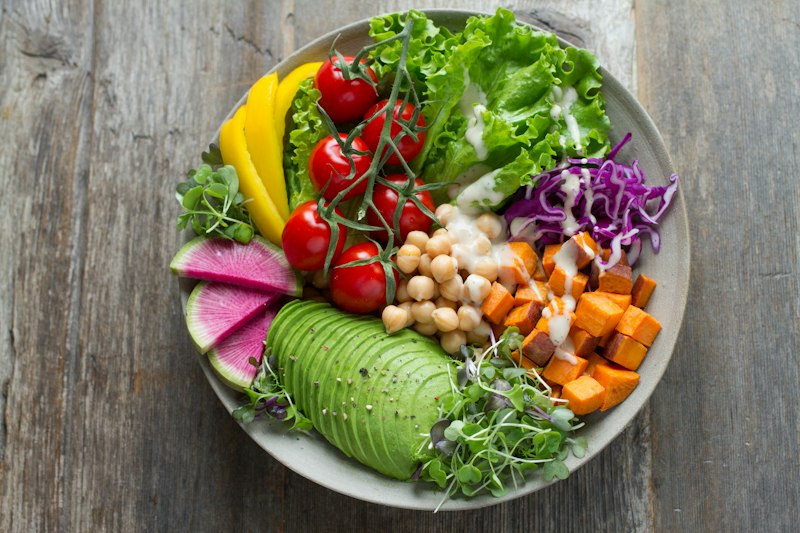
Central to the macrobiotic diet is the incorporation of a diverse array of staple foods, forming the foundation of daily meals. The structure of a standard macrobiotic plate is traditionally organized around specific food groups to maintain energetic equilibrium:
- Whole grains, such as brown rice, millet, barley, oats, and corn, which typically comprise 40-60% of daily caloric intake and serve as the stabilizing foundation of the diet.
- Fresh vegetables, including both leafy greens and root vegetables, which account for 25-30% of the daily intake and are prepared in ways that preserve their vitality.
- Legumes and bean products, such as lentils, chickpeas, tofu, and tempeh, which provide essential plant-based protein and make up approximately 5-10% of the diet.
- Sea vegetables, including nori, wakame, and kombu, which are regularly included in small amounts to provide crucial minerals and trace elements.
In adherence to the principles of simplicity and purity, macrobiotics strongly advocates for minimizing processed and refined foods, as well as strictly limiting animal products. This means eschewing white sugar, refined flours, artificial sweeteners, food additives, and chemical preservatives, which are seen as energetically imbalanced and detrimental to health. Dairy products, most meats, poultry, and even many types of fish are typically consumed sparingly, if at all, as they are considered to have a more extreme Yang or Yin energy that can disrupt the body’s delicate balance. Furthermore, the philosophy extends beyond what is eaten to encompass how one eats, promoting practices such as eating with awareness and gratitude, chewing thoroughly, and observing mindful eating to fully appreciate and digest food. Complementary lifestyle practices, including stress reduction techniques like yoga, meditation, and tai chi, are also encouraged to foster mental and emotional equilibrium, reinforcing the overarching goal of living in profound harmony with nature and one’s inner self.
Macrobiotics in Practice: A Daily Life Example
To truly grasp the essence of macrobiotics, let us consider the hypothetical daily routine of “Elara,” an individual who has embraced this lifestyle. Elara’s day begins not with a rushed, convenience-driven meal, but with a deliberate and nourishing breakfast, illustrating the practical application of macrobiotic principles. Her morning meal typically consists of a bowl of slow-cooked whole grain porridge, such as millet or brown rice, prepared with a pinch of sea salt and perhaps garnished with a small amount of toasted sesame seeds. This choice of a whole grain provides sustained energy and helps stabilize blood sugar levels, embodying the principle of consuming balanced, grounding foods. Alongside her porridge, Elara might enjoy a small portion of lightly steamed seasonal greens, such as kale or collards, and a cup of bancha tea, a traditional Japanese green tea known for its warming properties. This breakfast is not just about sustenance; it is a mindful ritual, eaten slowly and with appreciation, reflecting the macrobiotic emphasis on conscious eating and connecting with the food’s energetic qualities.
Throughout her day, Elara’s choices continue to reflect her commitment to macrobiotic living. For lunch, she prepares a bento-style meal that balances various elements. A significant portion of her lunch box is filled with brown rice, serving as the primary staple. Accompanying this, she includes a variety of cooked vegetables: perhaps some stir-fried carrots and onions for sweetness and warmth, and a serving of fermented vegetables like sauerkraut or kimchi, which support gut health and introduce beneficial probiotics. A small portion of protein might come from adzuki beans or lentils, cooked until tender. The entire meal is prepared with minimal oil and seasoned with natural condiments like tamari or miso, avoiding artificial additives and refined sugars. This careful selection and preparation of ingredients demonstrate the practical execution of macrobiotics: prioritizing whole, unprocessed foods, balancing flavors and textures, and ensuring that each component contributes to overall energetic harmony, rather than simply satisfying hunger. Elara consciously avoids anything packaged or heavily processed, opting for freshness and natural integrity.
Elara’s evening meal follows a similar thoughtful pattern, often featuring a hearty vegetable soup, rich in miso for its probiotic benefits and umami flavor, along with a medley of seasonal vegetables and sometimes a small piece of wild-caught white fish, if she chooses to include it sparingly. Dinner is usually eaten earlier in the evening to allow for proper digestion before sleep, another important macrobiotic consideration. Beyond diet, Elara integrates other lifestyle elements. She makes an effort to engage in regular, moderate physical activity, such as walking or yoga, to promote circulation and flexibility. Her home environment is kept clean and uncluttered, reflecting the macrobiotic value of simplicity and order. She also dedicates time to meditation and deep breathing exercises, acknowledging the profound link between mental clarity, emotional balance, and physical health. This comprehensive approach, from her meticulously chosen meals to her daily mindfulness practices, illustrates how macrobiotics is not merely a diet but a fully integrated lifestyle that seeks to foster holistic well-being through deliberate, harmonious choices in every aspect of life.
Significance and Enduring Impact on Health and Wellness
The macrobiotic philosophy holds significant importance within the broader landscape of holistic health and dietary science, primarily due to its pioneering emphasis on the profound connection between diet, environment, and long-term well-being. Its enduring impact stems from its robust advocacy for preventative health, positioning food not merely as fuel but as a powerful tool for maintaining physiological balance and warding off chronic diseases. By promoting a diet rich in whole grains, fresh vegetables, and legumes while minimizing processed foods and animal products, macrobiotics intrinsically aligns with many recommendations from contemporary nutritional science regarding healthy eating patterns. Studies and anecdotal evidence suggest that adherents often experience reduced risks of chronic ailments such as heart disease, type 2 diabetes, and certain cardiovascular issues, underscoring its potential as a protective dietary strategy. This emphasis on whole, unprocessed foods supports robust digestive function, promotes stable energy levels, and contributes to healthy weight management, all critical factors in overall human vitality.
Beyond its physiological benefits, macrobiotics has had a considerable impact on mental and emotional well-being, influencing perceptions of how diet can affect mood and cognitive function. The disciplined yet flexible nature of the diet, combined with its accompanying lifestyle recommendations, often leads to improved mental clarity, reduced stress, and enhanced emotional stability. The practice of mindful eating, a cornerstone of macrobiotic living, encourages individuals to slow down, savor their food, and become more attuned to their body’s signals, fostering a deeper sense of self-awareness and presence. This holistic approach to health extends to fostering a greater appreciation for the natural world and promoting a sense of interconnectedness. By encouraging the consumption of locally grown, seasonal foods, macrobiotics implicitly champions sustainable living practices, thereby contributing to both personal health and environmental stewardship. Its principles resonate deeply with growing global concerns about ecological balance and the ethical sourcing of food, broadening its relevance beyond individual health to encompass a more collective societal impact.
In contemporary applications, the macrobiotic concept continues to exert influence across various domains, from individual wellness journeys to broader public health initiatives. In the realm of integrative medicine and complementary therapies, macrobiotic dietary principles are often explored as a supportive component for individuals managing chronic conditions or seeking to enhance their overall resilience. While not a cure-all, its emphasis on nutrient-dense, anti-inflammatory foods can complement conventional treatments. Furthermore, the macrobiotic approach has informed the development of various plant-based and whole-food diets that have gained mainstream popularity, contributing to a wider public understanding of the benefits of reducing reliance on processed and animal-heavy diets. Its focus on intuition, self-observation, and living in harmony with natural cycles has also enriched fields such as health coaching, culinary arts, and even environmental education, offering a timeless framework for cultivating a balanced and fulfilling life that extends well beyond the plate.
Potential Considerations and Criticisms of the Macrobiotic Approach
While the macrobiotic diet offers numerous benefits and a compelling philosophy, it is essential to acknowledge potential considerations and criticisms, particularly concerning its nutritional adequacy for all individuals. One of the primary concerns stems from the diet’s typically low intake of animal products, which can lead to deficiencies in certain essential vitamins and minerals. Specifically, individuals following a strict macrobiotic diet may face challenges in obtaining sufficient amounts of the following vital nutrients:
- Vitamin B12: Crucial for nerve function, DNA synthesis, and red blood cell production, B12 is almost exclusively found in animal-derived foods, making supplementation or fortified foods essential for strict adherents.
- Iron: While plant-based (non-heme) iron is available in grains and leafy greens, it is less readily absorbed by the body than the heme iron found in animal products, raising the risk of anemia if not carefully managed.
- Calcium: Essential for bone health, muscle function, and nerve signaling, calcium must be meticulously sourced from leafy greens, tofu, and sea vegetables in the absence of dairy products.
- Vitamin D: Necessary for calcium absorption and immune support, this nutrient can be difficult to obtain solely from a macrobiotic diet without adequate sun exposure or targeted supplementation.
Furthermore, the macrobiotic diet, in its most traditional and restrictive interpretations, may not be suitable or safe for everyone, necessitating careful consideration and, ideally, professional medical guidance before adoption. Certain populations, such as pregnant or lactating women, growing children, and individuals with pre-existing medical conditions (e.g., kidney disease, chronic digestive disorders, or specific nutrient absorption issues), may find it particularly challenging to meet their unique nutritional requirements within the constraints of a strict macrobiotic regimen. For instance, the emphasis on high-fiber foods and limited fat intake might not be ideal for individuals with certain digestive sensitivities or those needing higher caloric density. Similarly, people undergoing intensive medical treatments may require specific dietary interventions that conflict with macrobiotic principles. The prescriptive nature of some macrobiotic guidelines, if not adapted to individual needs and modern nutritional understanding, could inadvertently lead to malnourishment or exacerbate existing health problems, highlighting the importance of personalized assessment.
It is therefore crucial to approach macrobiotics with an informed and balanced perspective, recognizing that while its core principles of whole, natural foods are commendable, strict adherence without flexibility can pose health risks. Consultation with a healthcare professional or a registered dietitian is strongly advised for anyone considering a significant dietary shift, especially to a macrobiotic lifestyle. Such professionals can help assess individual nutritional needs, identify potential deficiencies, and guide the integration of macrobiotic principles in a safe and sustainable manner. They can also recommend appropriate supplementation or dietary modifications to ensure that all essential nutrients are adequately provided. This proactive and informed approach ensures that individuals can harness the profound benefits of macrobiotics while mitigating its potential drawbacks, thereby promoting genuine holistic health rather than inadvertently compromising well-being through overly restrictive or uninformed dietary practices.
Connections to Broader Psychological and Health Concepts
Macrobiotics, while primarily known for its dietary guidelines, deeply intersects with several broader psychological and health concepts, particularly within the domains of health psychology, mindfulness, and holistic wellness. The emphasis on conscious eating and developing an intuitive understanding of one’s body directly aligns with principles of mindful living, which are central to many contemporary psychological interventions aimed at stress reduction and emotional regulation. By encouraging individuals to savor their food, chew thoroughly, and observe how different foods affect their physical and mental states, macrobiotics cultivates a heightened sense of self-awareness and interoception. This mindful approach can contribute significantly to reducing maladaptive eating behaviors, fostering a healthier relationship with food, and enhancing overall psychological well-being. The connection between gut health, which is profoundly impacted by the macrobiotic diet, and mental health is an area of increasing scientific interest, further illustrating the deep psychological relevance of this dietary philosophy.
The macrobiotic framework also resonates strongly with the principles of preventative medicine and lifestyle medicine, which advocate for proactive health management through daily choices rather than solely reactive treatment of illness. By promoting a diet rich in whole, unprocessed foods and a lifestyle that includes stress reduction and harmony with nature, macrobiotics embodies a comprehensive approach to disease prevention and health promotion. Its focus on sustaining a balanced internal environment through dietary energetics directly relates to the concept of homeostasis, a fundamental physiological principle. Furthermore, macrobiotics can be understood within the broader category of complementary and alternative medicine (CAM), particularly as a dietary therapy. It shares common ground with other traditional healing systems that view health as a dynamic equilibrium of mind, body, and spirit, rather than merely the absence of disease. This holistic perspective challenges conventional reductionist approaches to health, advocating for an integrated understanding of human well-being.
Moreover, the macrobiotic philosophy’s core tenet of living in harmony with nature and its cycles connects it to emerging fields such as ecopsychology and the growing awareness of the impact of environmental factors on human health. By advocating for locally grown, seasonal foods and sustainable living practices, macrobiotics implicitly promotes an ethical and ecologically conscious way of life. This connection extends beyond individual health, suggesting a reciprocal relationship between human well-being and planetary health. In essence, macrobiotics offers a practical blueprint for integrating personal dietary choices with broader ecological awareness, fostering a sense of responsibility towards both one’s own body and the environment. This multifaceted approach, encompassing psychological awareness, preventative health, and ecological consciousness, positions macrobiotics as a compelling and enduring framework for understanding and cultivating a truly holistic and sustainable approach to life.