Manual Arts Therapy: Healing Through Creative Action
Scientifically Reviewed · Dr. Marwa Abd-Alazim · August 24, 2026
Review Criteria & Clinical Standards
This content undergoes rigorous scientific peer-review and medical editorial standards at Arab Psychology Network to ensure clinical accuracy, validity, and compliance with evidence-based guidelines from leading psychological and healthcare authorities (APA / WHO).

Manual Arts Therapy: An Overview
Manual Arts Therapy (MAT) represents a specialized and highly effective approach within the broader spectrum of rehabilitation schemes, utilizing the structured application of practical, hands-on skills—such as woodworking, metalworking, and various forms of craft—as a primary mechanism for physical, cognitive, and psychosocial recovery. Unlike purely vocational training, which focuses solely on marketable skills, MAT employs these manual disciplines specifically to achieve therapeutic outcomes, addressing functional deficits, restoring motor control, enhancing cognitive processing, and improving emotional regulation. The fundamental premise of this discipline is that engagement in purposeful, creative, and constructive physical labor provides a uniquely integrated pathway toward healing, offering tangible evidence of progress that bolsters self-efficacy and motivation in patients facing diverse challenges, ranging from traumatic injury to chronic mental health conditions.
The core activity within Manual Arts Therapy involves the careful selection and execution of tasks that require planning, precision, and sustained attention, resulting in a demonstrable product. This tangible output shifts the patient’s focus from their ailment or limitation to their capability and productivity, thereby facilitating a positive psychological reframing of their identity. The therapist acts as a facilitator, carefully grading the difficulty and complexity of the manual task to align precisely with the patient’s current functional level and individualized therapeutic goals. Therefore, the simple act of shaping wood or forging metal becomes a powerful therapeutic tool, offering structured challenges designed to rebuild damaged neural pathways, restore physical dexterity, and cultivate disciplined habits essential for successful reintegration into daily life and the workforce.
While often conceptually aligned with Occupational Therapy due to its focus on meaningful activity, Manual Arts Therapy distinguishes itself through its specific emphasis on tools, materials, and techniques traditionally associated with trade and skilled craft production. This emphasis requires the therapist to possess not only deep clinical knowledge but also significant practical expertise in the chosen manual art form, ensuring that the environment is safe, the instruction is precise, and the activity remains authentic to the craft while serving the clinical objective. The integration of physical movement, cognitive planning, and emotional investment inherent in these complex tasks makes MAT a robust and holistic intervention suitable for a wide variety of clinical presentations, establishing it as an invaluable component of comprehensive rehabilitation programs globally.
Historical Context and Evolution of the Discipline
The roots of Manual Arts Therapy stretch back to the early 20th century, emerging largely in response to the need to rehabilitate large numbers of injured individuals, particularly veterans returning from major conflicts such as World War I. Prior to this period, treatment for physical and psychological trauma often lacked structured, purposeful engagement. The realization that meaningful activity accelerated both physical recovery and psychological adjustment led to the integration of industrial arts into hospital and sanatorium settings. Initially termed ‘reconstruction aids’ or ‘curative workshops,’ these programs utilized common trade skills like carpentry, printing, and weaving not merely as diversions, but as essential steps toward restoring functional independence and preparing individuals for post-injury employment. This early application solidified the link between manual productivity and therapeutic gain.
Following World War II, the scope of manual arts programs expanded significantly, moving beyond simple vocational preparation to address increasingly complex cognitive and emotional injuries. The principles developed during the wartime periods were adopted by civilian hospitals and psychiatric institutions seeking innovative ways to treat conditions such as severe depression, schizophrenia, and neurological injuries. The focus began to shift subtly from the final product to the process itself—the concentration required, the sequential steps involved in creation, and the inherent problem-solving demanded by the materials. This evolution marked the formal recognition of manual arts as a distinct therapeutic modality, emphasizing the psychomotor benefits over the purely vocational ones, though the dual benefits often remained intertwined, particularly in settings dealing with chronic unemployment or disability.
The late 20th century saw Manual Arts Therapy professionalized, integrating psychological theory and rigorous clinical methodology. While traditional trades like woodworking and simple mechanics remained central, the field began to incorporate insights from disciplines such as kinesiotherapy and cognitive rehabilitation. This transition ensured that therapeutic activities were chosen based on specific, measurable patient goals rather than general engagement. Modern MAT practice requires the therapist to maintain meticulous records, utilize standardized assessments, and demonstrate accountability for outcomes, solidifying its standing as an evidence-informed practice within the allied health professions. This continuous refinement ensures that MAT remains relevant and adaptable to contemporary rehabilitation challenges, maintaining its historical dedication to restoration through productive effort.
Core Principles and Mechanisms of Action
The efficacy of Manual Arts Therapy is grounded in several core psychological and physiological principles, chief among them being the concept of purposeful activity. Humans are inherently driven by the need to feel productive and competent; MAT provides a structured environment where this need can be safely met, even when the patient faces significant limitations. By engaging in tasks that yield tangible, functional, or aesthetically pleasing results, patients experience a direct reinforcement loop—the effort expended directly translates into a visible, finished object. This immediate feedback mechanism is crucial for rebuilding self-esteem, combating feelings of helplessness, and demonstrating to the patient their remaining capacity for meaningful contribution, which is often severely compromised by illness or injury.
A second fundamental mechanism is the facilitation of the Flow State, a concept popularized by psychologist Mihaly Csikszentmihalyi, describing deep, effortless involvement in an activity. Manual arts, particularly those requiring fine motor control and concentration, are ideal for inducing this state. When a patient is absorbed in the precise measurements of a woodworking project or the rhythmic tapping of a metalworking process, their cognitive resources are fully utilized by the task at hand. This intense focus acts as a powerful distraction from psychological distress, chronic pain, or ruminative thought patterns. The structured demand of the craft prevents boredom, while the achievable challenge prevents anxiety, placing the patient in an optimal zone for psychological restoration and improved temporal awareness, often reporting a reduction in perceived stress and an increased sense of control.
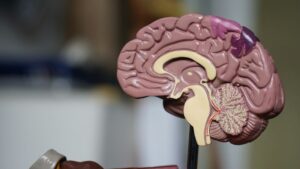
Furthermore, MAT leverages the principles of motor learning and neuroplasticity. Tasks like sawing, filing, sanding, or using delicate tools demand precise integration of sensory and motor information. For patients recovering from stroke or traumatic brain injury (TBI), these activities provide repetitive, goal-directed movements that help reorganize neural pathways and improve coordination. The inherent structure of the materials—for example, the resistance of wood or the pliability of clay—provides necessary proprioceptive feedback that helps the central nervous system relearn patterns of movement. The gradual increase in task complexity, moving from simple assembly to intricate design, ensures continuous cognitive and physical challenge, driving adaptation and long-term functional recovery far more effectively than purely rote exercises.
Target Populations and Clinical Applications
Manual Arts Therapy is highly versatile, finding successful application across a diverse range of clinical populations, primarily those requiring integrated physical and psychological rehabilitation. A significant group benefiting from MAT includes individuals recovering from physical disabilities, such as spinal cord injuries, amputations, or complex fractures, where the focus is on restoring gross and fine motor skills, increasing range of motion, and building muscular endurance. Customized projects, such as designing adaptive tools or fabricating small pieces of furniture, directly serve these physical goals while simultaneously addressing the patient’s psychological need to engage in productive activity and regain mastery over their environment.
In the realm of mental health, MAT serves as a powerful adjunctive treatment. Patients diagnosed with conditions such as major depressive disorder, generalized anxiety, Post-Traumatic Stress Disorder (PTSD), and substance use disorders find the structured, non-verbal nature of manual arts particularly beneficial. The workshop environment provides a sense of predictability and safety, offering a low-pressure outlet for emotional expression and energy redirection. For those struggling with impulse control, the unforgiving nature of materials—where a rushed cut or an uncontrolled hammer blow results in an immediate, undesirable consequence—serves as an immediate, non-judgmental teacher, promoting patience, planning, and self-regulation skills crucial for managing emotional volatility.
Furthermore, Manual Arts Therapy is increasingly utilized in cognitive rehabilitation settings, particularly with patients experiencing cognitive deficits stemming from Traumatic Brain Injury (TBI) or neurodegenerative disorders. The complexity of projects necessitates the use of executive functions, including sequencing, organizational planning, attention maintenance, and error detection. Tasks like blueprint reading, material estimation, and multi-step assembly provide practical, real-world exercises in problem-solving that are directly transferable to activities of daily living. By requiring the patient to follow a logical progression and manage their resources effectively, MAT actively strengthens crucial cognitive processes essential for achieving long-term independence and improving overall quality of life.
Specific Modalities and Techniques in Practice
While the original definition often centered on heavy industrial skills, modern Manual Arts Therapy encompasses a broad array of modalities, each selected for its specific therapeutic demands. Woodworking remains a foundational element, valued for its requirement of precision measurement, sustained physical exertion (sawing, sanding), and complex planning. Projects can range from simple assembly tasks designed to restore bilateral coordination to intricate cabinet making that demands advanced geometric comprehension and patience. The tactile nature of wood, combined with the sensory input of its scent and texture, also contributes to grounding and calming effects for patients struggling with sensory processing difficulties or anxiety.
Metalworking, including basic blacksmithing, welding, or sheet metal fabrication, introduces different therapeutic challenges. This modality requires significant strength building, tolerance for heat and loud noises, and meticulous safety adherence. It is particularly effective for patients needing to express controlled aggression or those requiring intensive physical strengthening. The resistance offered by metal allows therapists to grade exercises for strengthening specific muscle groups, while the transformation of rigid material into a desired form provides a potent metaphor for personal change and resilience. For less physically demanding applications, jewelry making or small-scale electronics repair provides excellent training for intricate fine motor skills and visual-spatial reasoning.
Beyond these heavy trades, other craft modalities complement the core activities. Leathercraft and basic upholstery, for instance, are employed to enhance manual dexterity, practice intricate stitching and patterning, and improve sustained attention to detail. Similarly, mechanics and engine repair offer opportunities for complex diagnostics, systematic troubleshooting, and the practical application of abstract technical knowledge. The therapist strategically integrates these varied tasks, recognizing that the therapeutic value lies not just in the activity itself, but in the specific cognitive and motor demands imposed by the materials and tools, ensuring that the chosen modality aligns perfectly with the patient’s individualized treatment protocol.
Physical and Cognitive Benefits of Engagement
The physical benefits derived from participation in Manual Arts Therapy are direct and substantial, centering primarily on the restoration and refinement of musculoskeletal function. The repetitive, yet varied, motions inherent in tasks such as sanding, hammering, turning a lathe, or operating power tools are carefully managed to serve as resistance exercises, improving muscle tone, endurance, and overall strength without the clinical sterility of traditional physical therapy equipment. Critically, these activities naturally promote the restoration of range of motion and dexterity in joints affected by injury or disease, as the patient is motivated by the functional requirement of the task rather than simply completing a prescribed set of repetitions, leading to greater adherence and faster recovery rates.
On the cognitive front, the benefits are equally profound. Manual arts necessitate the constant engagement of executive functioning skills. Every project, regardless of simplicity, requires the patient to manage a sequence of steps, allocate materials, anticipate potential errors, and adjust plans in real-time. This active demand for problem-solving strengthens the prefrontal cortex functions responsible for planning and organization. For patients with attention deficits, the inherent structure and immediate consequence of error within the craft provide a powerful anchor, encouraging sustained focus. If attention wanders, the error is immediately visible, prompting self-correction and reinforcing the importance of concentration, thereby lengthening the patient’s effective attention span over time.
Furthermore, MAT enhances visuospatial processing and abstract reasoning. Reading blueprints, interpreting technical diagrams, and visualizing a three-dimensional object from two-dimensional plans are common requirements in the workshop. This demands that the patient bridge the gap between abstract thought and concrete action, a critical skill for daily functioning. The cumulative effect of these cognitive demands is often an overall increase in mental agility, improved memory related to procedural tasks, and a heightened capacity for organized thought, all of which contribute significantly to the patient’s ability to manage complex life situations post-rehabilitation.
The Role of the Manual Arts Therapist
The Manual Arts Therapist operates at the intersection of clinical expertise and technical mastery, possessing a unique duality of skills essential for effective treatment delivery. This professional must first be a skilled clinician, capable of conducting comprehensive patient assessments, developing individualized treatment plans based on clinical goals, and accurately measuring therapeutic outcomes using standardized psychological and physical metrics. They must understand human anatomy, physiology, psychological diagnosis, and principles of motor learning to ensure that the chosen manual activity is both safe and maximally effective for addressing the patient’s specific deficits, whether they involve impaired grip strength, poor impulse control, or difficulty with sequential memory.
Secondly, the therapist must possess exceptional technical proficiency and practical knowledge in the manual arts they utilize. This deep understanding of woodworking, metalworking, or other crafts allows them to expertly grade activities—modifying tool use, material difficulty, and project complexity—to ensure the task is challenging enough to promote growth but achievable enough to prevent excessive frustration. They are responsible for maintaining a safe and functional workshop environment, managing potentially hazardous tools and equipment, and providing effective instruction that translates complex technical skills into manageable therapeutic tasks. This technical competence builds patient trust and ensures the therapeutic process is grounded in authentic, high-quality craft production.
The therapist also serves as a crucial bridge between the patient and the multidisciplinary rehabilitation team. They regularly collaborate with occupational therapists (OTs), physical therapists (PTs), neuropsychologists, and vocational counselors, ensuring that the goals achieved in the workshop are integrated into the patient’s overall rehabilitation plan. For instance, the MAT specialist may focus on strengthening core muscles required for operating a specific machine, while the PT focuses on general mobility. This collaborative approach ensures holistic care, maximizing the therapeutic impact of the manual arts intervention and facilitating a seamless transition for the patient from the clinical setting back into community living or vocational pursuits.
Challenges and Future Directions in MAT
Despite its proven efficacy and historical pedigree, Manual Arts Therapy faces several challenges in contemporary healthcare systems. One significant hurdle is the perception of the field; it is sometimes mistakenly viewed as mere hobby or ‘craft’ rather than a rigorous, evidence-based clinical intervention. This often affects funding and resource allocation, making it difficult to maintain well-equipped workshops and secure specialized therapist training. Furthermore, the inherent safety concerns associated with using complex tools require stringent protocols and lower patient-to-therapist ratios compared to less physically demanding therapies, increasing overhead costs and administrative complexity.
Another challenge lies in the need for increased, high-quality research. While clinical success is widely reported, the field requires more rigorous, large-scale randomized controlled trials (RCTs) to definitively quantify and isolate the specific neurological and psychological mechanisms of MAT compared to other therapeutic modalities. Future research must focus on developing standardized assessment tools specific to MAT outcomes and better defining the dosage and duration required for optimal therapeutic effect across different diagnostic groups, ensuring that practice is increasingly informed by empirical data and integrated into mainstream medical protocols.
Looking forward, the future of Manual Arts Therapy involves integrating traditional craft with modern technology. The incorporation of computer numerical control (CNC) machining, 3D printing, and sophisticated digital fabrication tools offers exciting new avenues for cognitive rehabilitation, addressing skills like computer literacy, digital design, and advanced spatial reasoning. These modern tools allow therapists to create highly customized, adaptive projects quickly and efficiently, expanding the scope of MAT applications while maintaining the core principles of purposeful, constructive activity. By embracing technological advancements while holding fast to its foundational principles of skill mastery and tangible achievement, Manual Arts Therapy is poised to secure its vital role in the evolving landscape of comprehensive rehabilitation.