Maternal Instinct: The Science Behind Nurturing Survival
Scientifically Reviewed · Dr. Marwa Abd-Alazim · August 25, 2026
Review Criteria & Clinical Standards
This content undergoes rigorous scientific peer-review and medical editorial standards at Arab Psychology Network to ensure clinical accuracy, validity, and compliance with evidence-based guidelines from leading psychological and healthcare authorities (APA / WHO).
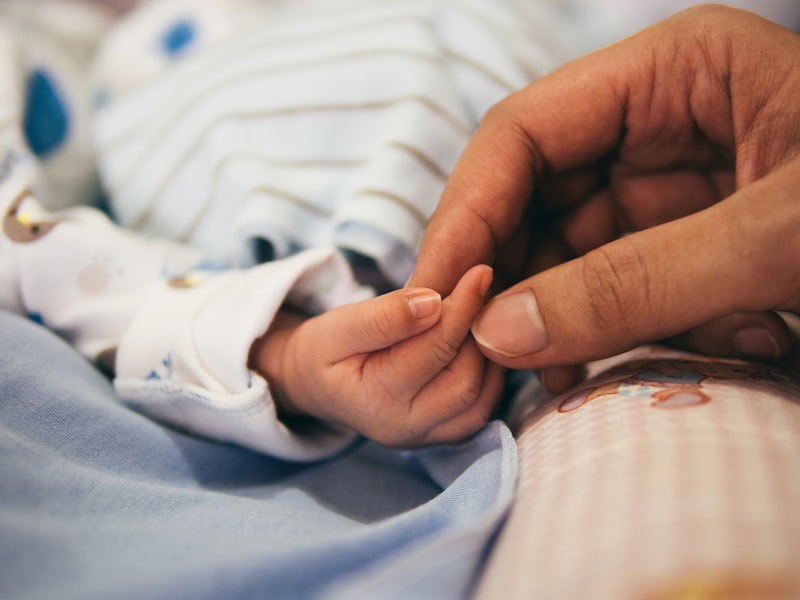
Maternal behavior is an expansive umbrella term utilized within psychology, ethology, and sociology to describe the complex constellation of caring, protective, and nurturant actions typically associated with the raising and provisioning of young. This concept transcends simple biological capacity, encompassing the intricate behavioral systems necessary to ensure the survival and successful development of offspring. Historically, the definition centered purely on the biological mother, but modern interpretations acknowledge the diverse forms of caregiving, though the core behaviors remain centered on the primary caregiver who undertakes the significant investment required for juvenile survival. These behaviors are essential for species perpetuation and represent a deep evolutionary commitment to offspring viability, requiring substantial physiological and psychological adaptations from the caregiver.
Defining Maternal Behavior: Scope and Function
The scope of maternal behavior is functionally defined by the specific needs of the dependent offspring. In altricial species, those whose young are born helpless and requiring constant supervision—including humans, canines, and felines—maternal behaviors involve immediate and sustained physiological maintenance, such as feeding, thermal regulation, and sanitation. Furthermore, a crucial function is protection, which involves active defense against predators or environmental threats, often requiring the mother to place herself at considerable risk. Beyond these immediate survival functions, maternal behavior encompasses pedagogical roles, wherein the caregiver transmits essential knowledge, social skills, and survival techniques necessary for the offspring’s eventual independence. This teaching function is particularly pronounced in primates and highly social mammals, where complex social structures necessitate sophisticated learning mechanisms guided by the parent.
The term is highly operationalized across research fields. In ethology, maternal behaviors are observed and categorized based on specific, measurable actions, such as nursing frequency, retrieval behaviors (bringing wandering young back to the nest or group), and vigilance levels. Psychology focuses intensely on the internal states driving these actions, particularly the motivational systems and emotional regulation involved in sustained caregiving. Central to this psychological perspective is the concept of parental investment, a theoretical framework suggesting that the costs incurred by the parent (time, energy, risk) must be balanced against the benefits accrued (successful reproduction). Therefore, maternal behavior is not merely instinctive but is modulated by environmental context, resource availability, and the perceived health and viability of the offspring. The successful execution of these behaviors is fundamentally linked to the long-term emotional and cognitive development of the child, establishing the foundation for future social relationships and psychological well-being.
Biological Underpinnings: Hormonal and Neural Systems
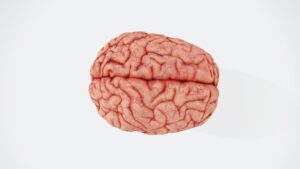
The initiation and maintenance of maternal behavior are governed by a complex interplay of hormonal shifts and specialized neural circuitry. The transition from a non-parental state to a maternal state is largely mediated by dramatic fluctuations in reproductive hormones, particularly during the peripartum period. Key hormones include prolactin, which is essential for lactation and appears to promote intense nurturing behaviors, and oxytocin, often referred to as the “bonding hormone,” which facilitates the establishment of attachment and the recognition of infant cues. High levels of oxytocin receptors in areas like the nucleus accumbens and the ventral tegmental area (VTA) suggest that maternal care is highly integrated with the brain’s reward system, making interactions with the infant intrinsically pleasurable and reinforcing the demanding behaviors of caregiving.
The neural basis of maternal motivation centers on the activation of the Mesolimbic Dopamine System. This pathway, critical for motivation, reward, and salience, is highly sensitized in new mothers. When a mother perceives sensory inputs from her infant—such as cries, smells, or visual cues—dopaminergic neurons fire, reinforcing the desire to approach and care for the young. Specific brain regions integral to this process include the medial preoptic area (MPOA), which acts as a central command center integrating hormonal signals with sensory input, and the amygdala, which undergoes modulated activity to reduce fear and defensive responses toward the highly vulnerable infant while simultaneously enhancing protective aggression toward external threats. This intricate biological structure ensures that maternal behaviors are rapid, effective, and prioritize the offspring’s needs above the mother’s immediate self-preservation, a necessary adaptation given the extreme helplessness of many mammalian young.
Furthermore, epigenetics plays an emerging role in understanding individual differences in maternal behavior. Studies, particularly those involving rodents, have demonstrated that the quality of maternal care received by an infant can influence the epigenetic markers on genes regulating stress response (such as the glucocorticoid receptor gene). This suggests that maternal behavior is not solely dictated by inherited genetic code but is significantly shaped by environmental factors and the mother’s own early life experiences. Poor quality care can thus perpetuate cycles of suboptimal parenting, highlighting the profound intergenerational impact of these biological and behavioral systems. Understanding these mechanisms is vital for developing interventions aimed at supporting mothers who struggle with forming nurturing bonds or responding appropriately to their children’s needs.
Evolutionary Perspectives on Maternal Investment
Evolutionary psychology views maternal behavior through the lens of Parental Investment Theory, formalized by Robert Trivers. This theory posits that the sex that invests more resources in producing and raising offspring will be the choosier sex, while the other sex will compete for access. In mammals, females inherently invest more energy due to gestation, parturition, and lactation, leading to a greater selective pressure for robust maternal care strategies. The fundamental evolutionary goal of maternal behavior is to maximize the mother’s inclusive fitness—the survival of genes carried by her offspring—even at significant personal cost. These costs often include increased caloric expenditure, reduced mobility, increased vulnerability to predation, and delayed future reproduction.
The specific strategies employed by mothers vary drastically depending on the life history strategy of the species. Species exhibiting r-selection (producing many offspring with low individual survival probability) may engage in less intensive individual care than K-selected species (producing few offspring with high individual survival probability), such as humans. Human maternal behavior is characterized by extremely high, long-term investment, spanning years of dependence, reflecting the significant complexity and extended development period required for human social competence. This prolonged investment necessitated the evolution of powerful bonding mechanisms and cognitive abilities that allow mothers to predict and anticipate the complex, non-verbal needs of an infant.
A critical evolutionary puzzle is the trade-off between current reproduction and future reproduction. Optimal maternal behavior involves balancing the investment in the current litter or child against the mother’s ability to survive and reproduce again. This calculation is often unconscious but profoundly influences behaviors such as weaning age, resource allocation among multiple offspring (potentially leading to differential investment or neglect of weaker young), and the timing of reproductive cessation. These investment decisions are highly sensitive to environmental pressures, ensuring that the mother’s energy expenditure yields the highest possible reproductive return given the prevailing ecological conditions.
Comparative Analysis Across Species
Maternal behaviors are not unique to humans; they are ubiquitous across the animal kingdom, demonstrating conserved evolutionary principles. Observations in other animal species, such as felines and domesticated dogs, reveal foundational behaviors that mirror human caregiving needs. For instance, dogs exhibit meticulous behaviors immediately post-parturition, including cleaning the pups and facilitating nursing. Feline mothers display intense protective instincts and utilize retrieval behaviors, often carrying kittens by the nape of the neck to safe locations. These cross-species comparisons are crucial because they allow researchers to isolate the fundamental components of caregiving (e.g., protection, feeding, thermal regulation) from species-specific cultural or cognitive overlays.
Further examination reveals fascinating variations. In many rodent species, maternal care involves the highly structured organization of a nest, intense grooming, and a specific posture known as the nursing crouch. Conversely, in marine mammals, maternal investment often revolves around teaching complex migratory routes and hunting techniques over extended periods. Even within social insects, specialized forms of “maternal” care exist, where sterile workers perform provisioning and protection functions for the queen’s offspring. These diverse manifestations underscore that while the ultimate goal—offspring survival—remains constant, the behavioral mechanisms utilized are highly adapted to the species’ specific ecological niche and developmental requirements. For instance, precocial species (young born relatively advanced, like horses or ducks) focus maternal energy on leading and protecting, rather than intensive, physically demanding feeding sessions.
The study of comparative ethology has provided invaluable models for understanding the neural circuitry underlying human maternal behavior. Much of the foundational knowledge regarding the roles of oxytocin and prolactin was derived from rodent models, which share key neurobiological pathways related to parental motivation. These models allow for detailed manipulation of hormonal and genetic factors that are impossible to study directly in humans, providing a strong basis for pharmacological and psychological interventions. The universality of the drive to care for vulnerable young suggests that maternal behavior is one of the most fundamental and deeply conserved behavioral systems throughout vertebrate evolution.
Developmental Stages of Human Maternal Care
Human maternal behavior is not a static set of responses but evolves dynamically across the child’s lifespan, reflecting changing developmental needs. The initial stage, infancy, is characterized by highly responsive, synchronous caregiving focused primarily on physiological needs and establishing attachment security. This involves rapid responses to distress signals (crying), consistent provision of nourishment, and high levels of physical contact. The quality of this initial interaction, often termed “maternal sensitivity,” is a powerful predictor of the child’s later socio-emotional competence and ability to form healthy relationships. Sensitive caregiving involves accurately interpreting subtle infant cues and responding promptly and appropriately, thereby establishing a fundamental sense of trust and safety.
As the child enters the toddler and preschool years, maternal behavior shifts from purely protective and regulatory functions toward pedagogical and boundary-setting roles. Investment remains high, but the focus moves to socialization—teaching rules, managing emotional outbursts, and facilitating peer interactions. The mother must effectively balance autonomy support (allowing the child to explore and develop independence) with necessary limits and discipline. This phase requires sophisticated emotional regulation on the part of the mother, as she navigates the child’s increasing assertiveness and needs for individuation. The success of this stage relies on the mother’s ability to maintain warmth while enforcing structure, fostering competence without undermining self-worth.
In the later stages of childhood and adolescence, maternal behavior transitions further into the role of a supportive scaffold and consultant. Physical care decreases dramatically, replaced by the provision of emotional support, academic guidance, and moral instruction. The challenge during adolescence is maintaining a strong relational bond while respecting the teenager’s push for independence and separation. Effective maternal behavior at this stage involves high communication, monitoring without intrusive surveillance, and acting as a secure base from which the adolescent can confidently explore the wider social world. Failure to adapt maternal strategies to these changing developmental demands can lead to intergenerational conflict or difficulties in the adolescent’s path toward full self-sufficiency.
Paternal and Alloparental Contributions
While the term “maternal behavior” specifically refers to the primary female caregiver’s actions, the success of offspring rearing, especially in humans, is profoundly influenced by the behavior of paternal and alloparental figures. Alloparenting refers to care provided by non-parental individuals—grandparents, siblings, aunts, or unrelated community members. This cooperative breeding structure is a hallmark of human evolutionary success, allowing the burden of high-cost, long-term care to be distributed, which, in turn, frees the mother to engage in other vital activities, ranging from resource acquisition to social networking.
Paternal involvement is highly variable across cultures and species, but where present, it significantly enhances offspring outcomes. In species like marmosets and several human societies, the father plays a critical role in carrying, protecting, and provisioning. Psychologically, high paternal involvement correlates with better cognitive development and emotional regulation in children. Moreover, the presence of a supportive partner dramatically reduces the stress load on the mother, facilitating her ability to sustain high-quality maternal care. Hormonally, fathers who are highly engaged in caregiving often show parallel shifts in hormones, including elevated prolactin and reduced testosterone levels, suggesting a biological accommodation for nurturing roles.
The concept of the “motherhood constellation,” first described by Stern, highlights that maternal identity and behavior are not formed in isolation but are deeply embedded within a supportive network. The availability and quality of alloparental care act as crucial mediating variables for maternal stress and psychological well-being. Societies that structure robust communal support systems for new mothers often exhibit lower rates of stress-related parenting difficulties and higher levels of perceived parenting competence, demonstrating that maternal behavior, while rooted in biology, is ultimately a socio-ecological phenomenon.
Psychological Dimensions: Bonding and Attachment
The psychological core of maternal behavior resides in the concepts of bonding and attachment. Maternal bonding refers to the mother’s subjective, emotional tie to her infant, typically developing rapidly in the hours and days following birth. This bond is characterized by feelings of intense love, fierce protectiveness, and an overwhelming desire to be near the child. Failure to establish a robust bond early on can be a significant predictor of later parenting difficulties and may be associated with conditions like postpartum depression, which interferes with the mother’s ability to experience pleasure and respond empathetically to infant cues.
The complementary concept is infant attachment, which describes the child’s reciprocal tie to the primary caregiver. According to Attachment Theory, pioneered by Bowlby and Ainsworth, the quality of the mother’s behavior—specifically her consistency and sensitivity—determines the infant’s attachment style (secure, anxious-avoidant, anxious-ambivalent, or disorganized). A mother who provides a secure base allows the child to explore the world confidently, knowing they can return for comfort and safety. This responsive interaction shapes the child’s internal working models of relationships, influencing their expectations for social interaction throughout life. Thus, the psychological impact of maternal behavior extends far beyond immediate care, acting as a blueprint for relational success.
Disruptions in the attachment process can have long-lasting effects. In situations involving chronic stress, neglect, or parental mental illness, the mother may be unable to provide the consistent, sensitive care required for secure attachment. This can lead to disorganized attachment patterns, which are associated with severe difficulties in emotional regulation and social functioning later in life. Therefore, the study of maternal behavior is inseparable from the study of mental health and social development, emphasizing the critical need for interventions that promote reflective functioning—the mother’s capacity to understand the infant’s behavior as stemming from internal mental states (needs, desires, feelings)—which is a key indicator of sensitive caregiving.
Challenges and Variations in Maternal Behavior
Despite the powerful biological drive toward nurturing, maternal behavior is susceptible to various internal and external challenges. One significant challenge is Postpartum Depression (PPD), a mood disorder affecting up to 15% of new mothers. PPD can severely impair a mother’s capacity for sensitive caregiving, often leading to reduced responsiveness, emotional withdrawal, and difficulty engaging in playful or pedagogical interactions. When maternal behavior is compromised by psychological distress, the infant’s developmental trajectory is placed at risk, necessitating rapid diagnosis and treatment, which often includes pharmacological intervention and psychotherapy designed to rebuild the mother-infant relationship.
Furthermore, socioeconomic stress, lack of social support, and histories of trauma can profoundly modulate maternal behavior. Mothers dealing with chronic poverty or domestic instability often have elevated stress hormone levels (cortisol), which can interfere with the neural processing required for empathy and patience. In extreme cases, failure of maternal behavior manifests as neglect or abuse. Neglect, defined as the failure to provide necessary care (physical, emotional, or supervisory), is often linked to the parent’s inability to cope with external pressures, rather than a malicious intent. Abuse involves active harm and is a complex pathology often rooted in intergenerational cycles of violence and psychological distress, representing a severe breakdown in the protective function of maternal behavior.
Variations also arise from cultural factors. While the fundamental needs of the infant are universal, the specific enactment of maternal behaviors—such as feeding schedules, co-sleeping practices, or discipline techniques—are heavily influenced by cultural norms and values. For instance, in some collectivist cultures, maternal behavior emphasizes group cohesion and interdependence, whereas individualistic cultures may prioritize behaviors that foster early independence and self-reliance. Recognizing this variability is essential for avoiding ethnocentric judgments regarding parenting quality and for tailoring psychological support to be culturally appropriate and effective. The study of maternal behavior must thus integrate biological imperatives with the vast spectrum of human cultural adaptation.