Mechanical Causality: How Our Brains Predict Reality
Scientifically Reviewed · Dr. Marwa Abd-Alazim · October 2, 2026
Review Criteria & Clinical Standards
This content undergoes rigorous scientific peer-review and medical editorial standards at Arab Psychology Network to ensure clinical accuracy, validity, and compliance with evidence-based guidelines from leading psychological and healthcare authorities (APA / WHO).
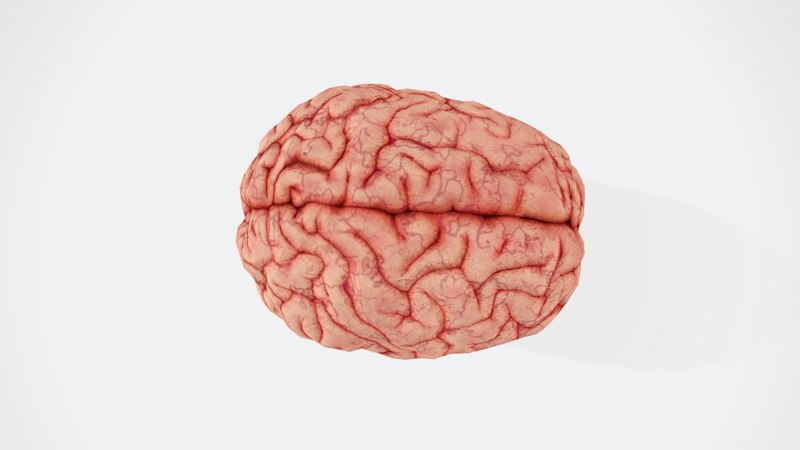
Conceptual Definition and Core Principles of Mechanical Causality
The concept of mechanical causality serves as a foundational explanatory framework designed to elucidate the operational principles of physical systems and their complex interactions within their surrounding environments. At its intellectual core, this framework posits that every observable change or state within a physical system is the direct consequence of a discernible, antecedent cause. These causes typically manifest as physical forces, energy transfers, or direct material interactions. This deterministic perspective, which represents a cornerstone of classical physics and modern engineering, establishes a structured paradigm through which natural phenomena can be systematically analyzed, decomposed, and predicted with exceptional mathematical precision. By emphasizing empirical observation and the identification of reproducible cause-and-effect relationships, it provides the essential methodological scaffolding that underpins the scientific method.
Underlying this concept is the fundamental principle that any alteration in a system’s state is not spontaneous, but is instead dictated by specific, prior influences. These influences, whether characterized as applied forces, thermodynamic inputs, or intrinsic material properties, act directly upon the system to yield a highly predictable outcome. For example, applying a mechanical force to an object of a given mass will invariably result in its acceleration, just as introducing thermal energy to a substance will systematically elevate its temperature. This deterministic chain of events implies that if the initial conditions of a system and the active forces impinging upon it are known with absolute certainty, all subsequent physical states can be precisely calculated. This stands in stark contrast to the probabilistic or emergent forms of causality observed in quantum mechanics or complex biological networks, maintaining instead a rigid, often linear relationship between action and reaction within macroscopic domains.
This highly systematic approach to analyzing physical dynamics has catalyzed profound advancements across a wide spectrum of scientific and technological disciplines. By dissecting intricate systems into their constituent components and mapping the precise causal pathways that link them, researchers are empowered to isolate variables, formulate testable hypotheses, and construct highly durable theoretical models. The primary explanatory power of this model lies in its capacity to demystify seemingly chaotic or random physical occurrences, translating them into orderly, comprehensible sequences of events governed by immutable natural laws. Consequently, it remains an indispensable analytical tool for both fundamental academic research into the nature of physical reality and the practical execution of engineering projects designed to solve real-world challenges.
Furthermore, the conceptual clarity offered by this framework facilitates a shared scientific vocabulary across disciplines. By reducing complex natural phenomena to quantifiable interactions of force and matter, it eliminates speculative metaphysics in favor of measurable, verifiable parameters. This transition from qualitative description to quantitative analysis represents the defining characteristic of modern empirical science, establishing a benchmark of rigor that subsequent scientific fields, including early psychological science, actively sought to emulate in their own developmental trajectories.
Historical Foundations and the Newtonian Revolution
The historical and philosophical lineage of mechanical causality is deeply rooted in the Scientific Revolution of the seventeenth and eighteenth centuries, finding its most definitive articulation in the monumental work of Isaac Newton. Through his ground-breaking treatise, Philosophiæ Naturalis Principia Mathematica, Newton established the mathematical and conceptual foundations of classical mechanics. He conceptualized the universe as an immense, highly ordered machine—a cosmic clockwork—composed of discrete, localized particles moving through absolute space and time in strict accordance with universal laws of motion and gravitation. Newton’s deterministic cosmology suggested that if an omniscient observer possessed complete knowledge of the initial positions, velocities, and forces acting upon every particle in existence, the future state of the entire universe could, in principle, be calculated with absolute certainty. This powerful deterministic worldview dominated scientific thought for generations, solidifying the belief that physical events are never arbitrary but are the inevitable consequences of preceding physical states.
Simultaneously, the eminent philosopher and mathematician Gottfried Leibniz offered a distinct yet complementary perspective on the nature of cosmic order and causality. While Newton focused on external, mechanical forces acting upon passive, material bodies, Leibniz introduced a metaphysical framework centered on monads—indivisible, active substances that operate in accordance with a pre-established harmony. Although Leibniz’s metaphysical assertions differed from Newtonian empiricism, his mathematical and philosophical contributions reinforced the notion that the universe operates according to rational, intelligible, and unchanging laws. Leibniz’s deep investigations into the conservation of momentum and the principle of sufficient reason further cemented the idea that no event occurs without a rational, identifiable cause. Together, the empirical, force-based mechanics of Newton and the rationalist, principle-based philosophy of Leibniz provided the necessary intellectual infrastructure for the development of modern classical physics.
The synthesis of these historical perspectives marked a monumental paradigm shift in human thought, transitioning from teleological explanations of nature to purely mechanistic ones. Prior to this era, natural philosophy, heavily influenced by Aristotelian thought, frequently explained physical phenomena in terms of inherent purposes, final causes, or intrinsic desires. The Newtonian revolution effectively dismantled this teleological approach, replacing it with a rigorous framework wherein physical outcomes are explained solely by antecedent mechanical causes. This transition allowed scientists to abandon speculative, anthropomorphic explanations of the natural world and instead adopt empirical observation, controlled experimentation, and rigorous mathematical modeling as the primary modes of scientific inquiry.
As classical mechanics matured, this mechanistic paradigm expanded its reach, influencing not only physics and astronomy but also chemistry, biology, and eventually the social sciences. The spectacular success of Newtonian physics in predicting the orbits of planets, the behavior of tides, and the trajectories of projectiles created an enduring conviction that all natural phenomena, regardless of complexity, could ultimately be reduced to mechanical interactions. This pervasive intellectual climate laid the groundwork for future attempts to apply deterministic, causal frameworks to the study of human behavior and mental processes, as early scientific psychologists sought to uncover the “laws of mind” with the same precision Newton had applied to the physical cosmos.
The Dynamics of Physical Systems and Deterministic Forces
Within the domain of physical systems, the operation of mechanical causality relies on the precise interplay of forces that dictate the behavior and evolution of matter. These forces are generally categorized into two primary classifications: internal forces, which act between different components within the defined boundaries of a system, and external forces, which are exerted upon the system by its surrounding environment. Internal forces, such as the tension in a structural beam, the gravitational attraction between celestial bodies within a solar system, or the frictional resistance between moving parts in a machine, maintain the internal equilibrium and structural integrity of the system. External forces, conversely, include atmospheric pressure acting on a surface, electromagnetic fields influencing charged particles, or direct kinetic impacts from external objects. The thorough analysis of these forces—including their magnitude, direction, and spatial points of application—is essential for predicting how a system will transition from one state to another.
The deterministic nature of this framework implies that for any given set of initial physical conditions, a system subjected to specific forces will follow an inevitable, mathematically predictable trajectory. This high degree of predictability is the defining characteristic of classical mechanics, wherein physical laws establish an explicit, mathematical bridge between cause (the forces applied) and effect (the resulting acceleration or change in state). This relationship is perfectly exemplified by Newton’s second law of motion, mathematically expressed as F = ma (force equals mass times acceleration). By knowing the precise mass of an object and the net forces acting upon it, researchers can calculate its exact acceleration, allowing them to determine its future position and velocity at any given point in time. This mathematical certainty makes mechanical causality an extraordinarily powerful tool, enabling the precise design of structures, transport systems, and complex machinery.
As physical systems grow in complexity, the application of causal principles must expand to accommodate non-linear dynamics, multi-body interactions, and fluid behaviors. In fluid dynamics, for instance, the velocity and pressure fields of a moving fluid are causally linked to the geometry of the channel, fluid viscosity, and applied pressure gradients; however, these relationships are governed by highly complex, non-linear partial differential equations. Similarly, in multi-body systems, the motion of a single component can trigger a cascade of secondary and tertiary causal reactions throughout the entire network. Despite this heightened complexity, the fundamental axiom of mechanical causality remains completely intact: every local change is fully attributable to a specific, identifiable physical cause, and these interactions proceed in strict accordance with consistent, universal laws of nature.
This rigorous deterministic framework also demands a precise delineation of system boundaries to maintain analytical validity. In practical scientific experiments, researchers must construct closed or highly controlled systems to isolate specific causal chains from external perturbations. By minimizing confounding variables, such as thermal fluctuations, electromagnetic interference, or mechanical vibrations, scientists can establish clear, reproducible relationships between isolated causes and their corresponding effects. This methodological isolation is crucial for verifying theoretical models and ensuring that observed physical outcomes are indeed the direct result of the manipulated independent variables, reinforcing the empirical foundation upon which classical physical science rests.
Practical Applications in Engineering and Applied Sciences
The practical utility of mechanical causality is vividly demonstrated across a vast array of engineering disciplines and applied sciences, where it serves as the foundational logic for technological innovation and design. Consider, for instance, the engineering principles governing a classical lever system designed to lift a heavy load. The causal sequence is entirely transparent and quantifiable: the application of an input force at a specific distance from the fulcrum (the cause) generates a rotational torque that translates into an output force at the opposite end of the lever, successfully elevating the weight (the effect). By precisely calculating the mechanical advantage—determined by the ratio of the lever arm lengths—engineers can design systems that amplify human or mechanical power, demonstrating how a thorough comprehension of physical causality enables the systematic manipulation of the material world to achieve desired outcomes.
This causal logic is further illustrated in the complex systems engineered within the automotive industry, where vehicle operation relies on a highly synchronized chain of mechanical events. When a operator depresses the accelerator pedal, this initial action initiates a rapid, sequential series of cause-and-effect relationships. The physical movement of the pedal mechanically or electronically alters the throttle valve position, increasing the volume of air drawn into the engine cylinders. This increased airflow triggers a corresponding fuel injection event, culminating in a highly controlled combustion reaction. The rapid thermal expansion of gases generated by this combustion exerts a powerful force upon the pistons, driving them downward and forcing the crankshaft to rotate. This rotational kinetic energy is subsequently transmitted through the transmission and driveshaft to the wheels, ultimately overcoming inertia and causing the vehicle to accelerate. Each individual step in this intricate sequence represents a discrete, deterministic link where the output of one physical process serves as the immediate cause for the next.
Beyond the realm of human-made machinery, the principles of mechanical causality are equally vital for understanding and predicting complex natural phenomena. In the field of meteorology, the global movement of air masses and the development of severe weather systems are analyzed as direct consequences of thermodynamic and mechanical forces. The sun’s radiant energy heats the Earth’s surface unevenly (the cause), establishing significant temperature gradients that generate atmospheric density and pressure differentials (the intermediate effect). These pressure differences, acting in concert with the Coriolis force, drive global wind patterns and dictate the formation of precipitation systems (the final effect). Similarly, in geology, the immense convective currents within the Earth’s mantle exert physical forces on tectonic plates, causally driving continental drift, seismic activity, and volcanic eruptions, illustrating that even global-scale natural events are bound by localized mechanical interactions.
Furthermore, the field of biomechanics applies these identical causal principles to the study of living organisms, analyzing biological structures through the lens of mechanical engineering. Researchers in this domain examine how muscle contractions generate internal forces (the cause) that act upon the skeletal system to produce coordinated limb movement (the effect). This mechanical analysis is absolutely essential for diagnosing musculoskeletal disorders, optimizing athletic performance, and engineering sophisticated medical devices, such as prosthetic limbs and orthotic supports, that must seamlessly interface with the body’s natural biomechanical systems. By treating biological movement as a series of deterministic physical interactions, biomechanists can design interventions that predictably restore mobility and improve human quality of life.
Methodological Significance and Early Psychological Thought
While the immediate utility of mechanical causality is most apparent in the physical sciences, its methodological significance profoundly influenced the historical trajectory of early psychology as it transitioned into an independent scientific discipline. During the late nineteenth and early twentieth centuries, pioneering psychologists sought to elevate their field from speculative philosophy to a rigorous empirical science. To achieve this academic legitimacy, they actively modeled their experimental methodologies after the highly successful deterministic frameworks of classical physics. Early researchers were deeply compelled by the prospect of discovering universal, lawful relationships governing the human mind and behavior, mirroring the precision with which physicists mapped the behavior of inanimate matter. This intellectual ambition fostered an academic environment wherein psychological phenomena were increasingly conceptualized as predictable outcomes resulting from specific environmental or biological inputs.
This mechanistic orientation found its most radical and influential expression in the school of Behaviorism, which dominated academic psychology for several decades. Behaviorists sought to establish a purely objective science of behavior, deliberately discarding introspection and speculative mental concepts in favor of observable, measurable phenomena. They conceptualized the organism as a behavioral system that responds predictably to environmental stimuli, effectively mapping psychological processes onto a strict stimulus-response (S-R) framework. In this model, an environmental stimulus acts as the external force (the cause) that directly and predictably triggers a specific behavioral action (the effect). By focusing exclusively on these observable, external causal chains, behaviorists aimed to discover the fundamental laws of learning and behavior, operating under the explicit assumption that human actions are fully determined by prior environmental conditioning and immediate situational cues.
The methodological rigor derived from this mechanistic perspective exerted a lasting impact on contemporary psychological research, particularly in the fields of cognitive science and neuroscience. Even though modern psychology has largely moved beyond the simplistic, linear models of early behaviorism, the fundamental scientific practice of decomposing complex phenomena into discrete, researchable variables remains a core tenet of psychological inquiry. In cognitive psychology, researchers routinely design experiments to isolate specific cognitive operations, tracing how sensory inputs (causes) are sequentially processed through attentional filters, memory encoding, and decision-making algorithms to produce a behavioral response (effects). Similarly, in neuroscience, the pursuit of causal explanations drives investigations into how localized neural activity, neurotransmitter releases, and synaptic connections directly generate specific cognitive functions, emotional states, and behavioral outputs.
However, the application of a strict mechanical framework to the human mind also highlighted key limitations that catalyzed the development of more sophisticated psychological theories. As the discipline matured, researchers increasingly recognized that human experience cannot be fully explained by simple, linear, and deterministic physical laws. Unlike inanimate objects, human beings possess consciousness, internal representations, and the capacity for self-reflection, which introduce highly complex, non-linear variables into the causal equation. This realization did not lead to the abandonment of scientific rigor; rather, it encouraged psychologists to develop more holistic, probabilistic, and reciprocal models of causality that could accommodate the unique complexities of human agency, social interaction, and cognitive processing while maintaining a firm commitment to empirical validation.
Theoretical Connections to Behaviorism and Cognitive Models
The theoretical architecture of Behaviorism represents one of the most direct applications of mechanical causal thinking to the study of living organisms. Pioneering theorists such as B.F. Skinner and John B. Watson argued that to become a true science, psychology must restrict itself to the study of publicly verifiable behaviors and environmental events. Under this paradigm, the internal workings of the mind were treated as a “black box”—inaccessible to direct observation and therefore irrelevant to scientific explanation. Instead, behaviorists focused their efforts on identifying the precise, external causal relationships that govern behavior. This approach is epitomized by the principles of classical conditioning, where a previously neutral environmental stimulus is systematically paired with an unconditioned stimulus, eventually acting as a direct cause that reliably elicits a conditioned response.
In a similar vein, the development of operant conditioning theory by Skinner further demonstrated this mechanistic logic by focusing on how consequences shape future actions. In operant conditioning, a behavior is emitted by an organism, and the immediate environmental consequence (either reinforcement or punishment) acts as a powerful causal feedback mechanism that directly alters the probability of that behavior occurring again in the future. Skinner’s radical behaviorism conceptualized human beings as highly complex biological machines whose behavioral repertoires are entirely constructed, maintained, and modified by their histories of environmental reinforcement. This perspective completely bypassed traditional concepts of internal motivation, personal will, and conscious intent, replacing them with a deterministic system of environmental control that mirrored the mechanical laws governing physical objects.
As the cognitive revolution gained momentum in the mid-twentieth century, the focus of psychological theory shifted from external behavior to internal mental processes; however, early Cognitive Psychology remained heavily influenced by mechanistic, causal frameworks. This influence is most clearly observed in the adoption of the computer metaphor, which conceptualized the human mind as an information-processing system. In these early computational models, cognitive processing was described as a highly structured, sequential series of operations. Environmental information is received as sensory input (the cause), which is then systematically transformed, encoded, stored, and retrieved through discrete cognitive structures (such as sensory registers, short-term memory, and long-term memory) to ultimately produce a behavioral or cognitive output (the effect). This step-by-step model of mental functioning preserved the underlying logic of mechanical causality, viewing the mind as a complex informational machine operating according to logical, deterministic rules.
In contemporary psychology, these linear models have evolved into highly sophisticated connectionist and parallel distributed processing networks. Rather than viewing cognition as a simple, sequential chain of events, modern cognitive models emphasize the simultaneous activation of vast networks of simple processing units, akin to the neural architecture of the brain. Even within these highly complex, non-linear systems, the fundamental objective remains the mapping of precise causal pathways. Researchers seek to understand how changes in the activation states of specific units (causes) propagate through the network to generate complex emergent behaviors, representations, and decisions (effects). Thus, while the theoretical models have become vastly more sophisticated, the underlying scientific quest to uncover the causal mechanisms that generate psychological phenomena remains a central, driving force within the discipline.
Philosophical Implications: Determinism, Free Will, and Reductionism
The application of a strict mechanical causality framework to human psychology raises profound philosophical questions, particularly regarding the enduring debate between Determinism and the concept of free will. If the human mind is conceptualized as a physical entity—either fully identical to or entirely dependent upon the physical brain—then it must operate in accordance with the same deterministic physical laws that govern the rest of the material universe. This perspective implies that every human thought, emotion, decision, and action is the inevitable outcome of prior physical, biological, and environmental causes. Under a strict deterministic framework, the subjective experience of making conscious, unconstrained choices is viewed as an illusion, as our actions are ultimately dictated by a complex web of antecedent conditions, genetic predispositions, and environmental history over which we have no ultimate control.
To resolve the tension between determinism and personal agency, many modern philosophers and psychologists advocate for compatibilism, also known as soft determinism. This philosophical stance asserts that free will and determinism are not mutually exclusive, provided that free will is redefined in a psychologically meaningful way. Rather than requiring our choices to be entirely uncaused—which would violate the fundamental principles of physical science—compatibilism suggests that an individual acts freely when their actions align with their internal desires, beliefs, and deliberate intentions, free from external coercion. From this perspective, even if our internal desires and cognitive processes are ultimately shaped by prior causal factors, our decisions are still authentic expressions of our personal identity, allowing for the coexistence of scientific causality and personal moral responsibility.
Another major philosophical implication of mechanical causality in psychology is the tension between reductionism and holism. A mechanistic approach naturally aligns with reductionism, which seeks to explain complex, high-level psychological phenomena by reducing them to their most fundamental, physical components. In practice, this reductionist drive is highly evident in modern biological psychiatry and behavioral neuroscience, where complex mental disorders are frequently explained and treated primarily as neurochemical imbalances or localized brain dysfunctions. While this reductionist methodology has yielded extraordinary insights and highly effective pharmacological interventions, critics argue that it risks oversimplifying the human experience by ignoring the critical role of subjective meaning, cultural context, and interpersonal relationships, which cannot be easily reduced to simple physical interactions.
These limitations have led to the increasing adoption of holistic, systemic frameworks in contemporary psychology, such as the biopsychosocial model and dynamic systems theory. These integrated approaches recognize that while mechanical causality provides exceptionally powerful tools for understanding the low-level, biological components of the human mind, a complete understanding of human behavior requires multiple, intersecting levels of analysis. These models acknowledge the existence of emergent properties—complex psychological phenomena that arise from the dynamic interaction of biological, psychological, and social systems but cannot be fully explained by analyzing any single component in isolation. By synthesizing the rigorous causal analysis of the physical sciences with a holistic appreciation for the unique complexities of human consciousness, contemporary psychology strives to construct a more comprehensive, nuanced, and scientifically robust understanding of the human condition.