The Medial Preoptic Area: Your Brain’s Survival Command Center
Scientifically Reviewed · Dr. Marwa Abd-Alazim · August 23, 2026
Review Criteria & Clinical Standards
This content undergoes rigorous scientific peer-review and medical editorial standards at Arab Psychology Network to ensure clinical accuracy, validity, and compliance with evidence-based guidelines from leading psychological and healthcare authorities (APA / WHO).
MEDIAL PREOPTIC AREA (MPOA): A Critical Hypothalamic Nucleus
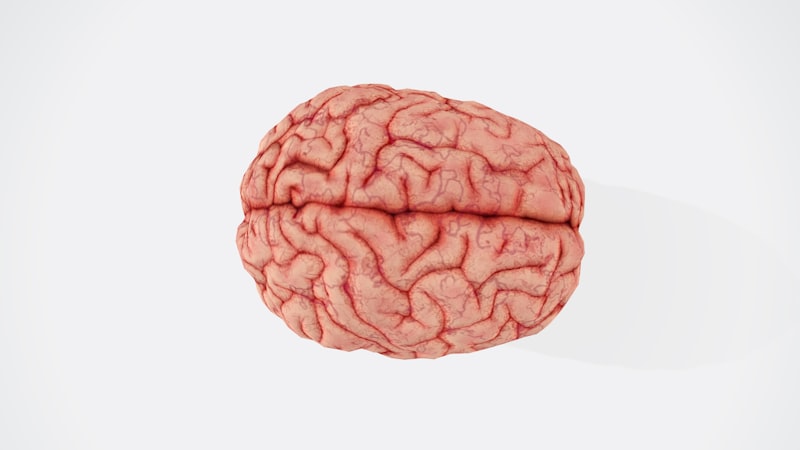
The Medial Preoptic Area, often abbreviated as the MPOA, represents a complex and highly specialized nuclear region situated within the anterior hypothalamus. This area is universally recognized in neurobiology and endocrinology as a crucial nexus responsible for integrating and modulating several fundamental homeostatic and reproductive functions essential for survival and species propagation. The MPOA serves as a primary hub where signals related to internal physiological states, such as temperature and hormonal concentration, are reconciled with external sensory inputs, culminating in coordinated behavioral and autonomic responses. Its strategic location, bridging the limbic system with the neuroendocrine axes of the hypothalamus, grants it profound influence over processes ranging from core body temperature regulation and sleep cycles to complex motivated behaviors, most notably sexual behavior and the control of gonadotropin secretion. Understanding the MPOA is paramount to comprehending the interplay between neural circuitry and the endocrine system in mammals.
Anatomically, the MPOA is not a single, monolithic structure but rather a diffuse collection of neurons characterized by specific connectivity and high sensitivity to circulating steroid hormones, particularly androgens and estrogens. It forms part of the larger preoptic area (POA), which lies immediately rostral to the main body of the hypothalamus. Its cellular architecture includes both parvocellular and magnocellular neurons, though its functional significance is often attributed to the dense concentration of hormone-sensitive cells that express receptors for various steroids and neuropeptides. The MPOA’s role as an integrator means that disruptions to its structural integrity or neurochemical balance can have widespread, debilitating effects on an organism’s capacity to maintain internal stability and successfully engage in reproductive activities, underscoring its pivotal place in neuroendocrine control.
The MPOA’s Central Role in Thermoregulation
One of the most conserved and vital functions attributed to the Medial Preoptic Area is its role as the central regulatory mechanism for thermoregulation. The MPOA acts as the primary thermostat of the body, continuously monitoring core body temperature and initiating rapid compensatory mechanisms to maintain thermal homeostasis. Specialized neurons within this region are inherently thermosensitive, meaning they respond directly to small fluctuations in blood temperature. Specifically, warm-sensitive neurons increase their firing rate when temperature rises, while cold-sensitive neurons are activated when temperature drops below the set point. This dynamic cellular response forms the basis of the negative feedback loop that governs body temperature, ensuring stability regardless of metabolic load or environmental conditions.
When the MPOA detects a deviation from the established set point—typically around 37°C in humans—it initiates a cascade of autonomic and behavioral effector mechanisms. For instance, in response to hyperthermia (overheating), the warm-sensitive neurons activate downstream pathways that promote heat dissipation. This includes the stimulation of peripheral vasodilation, increasing blood flow near the skin surface to maximize convective and radiative heat loss, and the activation of sweat glands via sympathetic nervous system outflow. Conversely, during hypothermia (cooling), the MPOA signals the need for heat generation and retention, driving processes such as shivering thermogenesis in skeletal muscles and peripheral vasoconstriction to minimize heat loss to the environment. Furthermore, the MPOA is the primary site where endogenous pyrogens, such as interleukins, act to raise the thermal set point, thereby inducing fever—a coordinated response crucial for fighting infection.
The MPOA’s thermoregulatory function is deeply intertwined with its sensory input capabilities, receiving crucial information not only from internal blood temperature but also indirectly from cutaneous thermoreceptors. This integration allows for anticipatory adjustments to temperature before core changes become detrimental. The neural outputs from the MPOA travel primarily to brainstem nuclei, including the raphe nuclei and the lateral hypothalamus, which then execute the necessary autonomic commands. Disruptions to this delicate system, whether through injury or specific pharmacological interventions targeting MPOA circuitry, can severely impair the body’s ability to cope with thermal stress, highlighting the fragility and importance of this hypothalamic nucleus in maintaining thermal equilibrium.
Integration of Sexual Behavior: Male Mechanisms
The Medial Preoptic Area is perhaps most famous for its indispensable role in the regulation and execution of male sexual behavior, serving as a critical integration center for motivational, sensory, and motor components of copulation. In males, the MPOA contains a specific subregion, often referred to as the sexually dimorphic nucleus (SDN-POA or INAH-3 in humans), which is notably larger than its counterpart in females. This morphological difference reflects the MPOA’s intense sensitivity to and organization by prenatal androgens. During adulthood, circulating testosterone and its metabolite, estradiol, act on receptors within MPOA neurons to maintain the neural circuitry required for the expression of complex sexual sequences, including mounting, intromission, and ejaculation.
The MPOA does not merely facilitate the motor act of copulation; it integrates the motivational drive. It receives crucial inputs from olfactory and vomeronasal systems, processing pheromonal cues that signal the presence and receptivity of a potential mate. This sensory information is consolidated with internal hormonal status to generate the behavioral output. Lesions targeting the MPOA in male animals typically abolish or severely impair the performance of copulatory behaviors, even if the animal retains the physical capacity to perform them, demonstrating that the MPOA is essential for the *execution* rather than just the *arousal* component of the sexual act. The MPOA projects heavily to the ventral tegmental area (VTA) and the nucleus accumbens, linking sexual performance to the brain’s reward circuits, thereby reinforcing the behavior.
Crucially, the activity of MPOA neurons is modulated by several neurotransmitters, prominently including dopamine and norepinephrine. Dopaminergic input, originating largely from the VTA, is vital for initiating and maintaining sexual motivation and performance. Pharmacological manipulation studies have consistently shown that enhancing dopamine release in the MPOA accelerates the onset of copulation, while inhibiting it suppresses sexual activity. This complex neurochemical interaction ensures that sexual behavior is not a simple reflex but a highly regulated, motivated, and hormonally dependent sequence of actions necessary for reproduction.
Integration of Sexual Behavior: Female Mechanisms
While the MPOA is structurally and functionally distinct between the sexes, its role in coordinating female sexual behavior remains equally crucial, albeit focused on different behavioral outputs necessary for successful mating. In females, the MPOA plays a significant role in modulating both sexual receptivity and proceptivity, which are highly dependent on the cyclical fluctuations of ovarian steroid hormones, primarily estrogen and progesterone. High concentrations of estrogen during the follicular phase prime MPOA neurons, making them sensitive to subsequent progesterone surges that typically accompany ovulation and peak receptivity.
In many mammalian species, the critical sexual receptivity posture is lordosis, a spinal reflex involving arching the back to facilitate copulation. While the primary circuitry for lordosis is located in the ventromedial hypothalamus (VMH) and lower brainstem, the MPOA exerts an inhibitory control over this posture. During periods of low hormonal signaling or behavioral non-receptivity, the MPOA actively suppresses the lordosis response. As estrogen and progesterone levels peak, the inhibitory influence of the MPOA is reduced, allowing the facilitatory inputs from the VMH to dominate and enable the display of lordosis. Thus, the MPOA acts as a critical gatekeeper, ensuring that sexual receptivity is displayed only at the optimal reproductive window.
Furthermore, the MPOA is implicated in proceptive behaviors—actions taken by the female to initiate or maintain sexual interaction, such as hopping, darting, or ear wiggling. These behaviors are essential for attracting the male and indicating receptivity. The MPOA integrates the hormonal status with inputs related to the male’s presence and olfactory cues, translating internal readiness into observable, motivated actions. The distinction between the sexes lies in the specific behavioral lexicon coordinated by the MPOA: organization of copulatory patterns in males versus gating and modulation of receptivity and proceptivity in females.
Regulation of Gonadotropin Secretion and Pituitary Axis
Beyond its immediate role in behavioral control, the Medial Preoptic Area holds a paramount position in the regulation of the hypothalamic-pituitary-gonadal (HPG) axis by governing the release of Gonadotropin-Releasing Hormone (GnRH). GnRH is a decapeptide hormone that is synthesized and released by specialized neurons whose cell bodies are distributed throughout the preoptic area, particularly clustering in the MPOA and immediately adjacent areas. These GnRH neurons are the final common pathway regulating pituitary function, as GnRH travels via the portal blood system to the anterior pituitary gland, where it stimulates the release of Luteinizing Hormone (LH) and Follicle-Stimulating Hormone (FSH), the essential gonadotropins.
The MPOA is responsible for the characteristic pulsatile release of GnRH, which is necessary for the proper functioning of the pituitary and gonads. The frequency and amplitude of these GnRH pulses are tightly controlled by intricate neural networks within the MPOA that integrate feedback signals from circulating sex steroids (estrogen, testosterone) and neuropeptides (such as kisspeptin). For example, the MPOA contains estrogen-sensitive neurons that mediate the negative feedback loop, slowing down GnRH pulses when steroid levels are high. However, in females, the MPOA is also responsible for generating the crucial positive feedback signal—the preovulatory GnRH/LH surge—which triggers ovulation. This surge mechanism involves a complex interplay where high, sustained estrogen levels switch the MPOA’s response from inhibitory to stimulatory, resulting in a massive, synchronized release of GnRH.
The ability of the MPOA to switch between negative and positive feedback mechanisms, particularly its coordination of the preovulatory surge, solidifies its role as the master orchestrator of reproductive cycles. Failure in MPOA function, such as damage to the GnRH pulse generator, results in hypogonadism or infertility due to the inability to maintain appropriate LH and FSH secretion patterns. Therefore, the MPOA acts as the essential interface translating internal hormonal and metabolic signals into the precise neuroendocrine commands necessary to drive the reproductive system.
Afferent and Efferent Neural Circuitry
The functional diversity of the Medial Preoptic Area is underpinned by its extensive and complex neural circuitry, positioning it as a critical hub that processes information from diverse brain regions and directs outputs to both autonomic and behavioral centers. Afferently, the MPOA receives significant input from structures associated with emotional processing and memory, including the limbic system, specifically the amygdala and the bed nucleus of the stria terminalis (BNST). These inputs convey information regarding potential threats, social context, and emotional salience, which are crucial for modulating motivated behaviors like sex and aggression.
Furthermore, substantial afferents arrive from sensory processing areas. Olfactory bulb and accessory olfactory bulb inputs, which carry pheromonal information, project heavily to the MPOA via the BNST and medial amygdala, providing the essential sensory cues necessary for reproductive timing and mate recognition. Visceral and metabolic information is also channeled to the MPOA via the lateral hypothalamus and brainstem nuclei, allowing the MPOA to integrate core physiological needs (e.g., energy balance, hydration status) into its homeostatic decisions regarding thermoregulation and hormone secretion. This convergence of sensory, emotional, and visceral data allows the MPOA to generate highly contextualized responses.
Efferent projections are equally broad, allowing the MPOA to execute its regulatory commands across the nervous system. Key outputs include projections to the periaqueductal gray (PAG) and other midbrain nuclei, which are vital for coordinating the somatic motor components of sexual behavior and defensive responses. Projections to the lateral hypothalamus regulate feeding and arousal, while projections to the brainstem autonomic centers (e.g., parabrachial nucleus) control cardiovascular, respiratory, and piloerection responses associated with thermoregulation. Finally, projections to the VTA and nucleus accumbens are crucial for linking motivated behaviors, such as seeking a mate, to reinforcement and reward pathways.
Non-Sexual and Non-Thermal Functions
While thermoregulation and sexual/endocrine control are the defining characteristics of the MPOA, evidence increasingly supports its involvement in several other critical, non-sexual, and non-thermal homeostatic behaviors, particularly parental behavior and the regulation of sleep/wake cycles. The MPOA contains specialized circuitry essential for the expression of maternal behavior in females and, to some extent, paternal behavior in males. Lesions to the MPOA in females often result in the complete abolition of maternal care, including deficits in retrieving pups, nursing, and nest building, even when hormonal conditions are favorable. This indicates that the MPOA acts as an executive center integrating hormonal priming with motivational and motor patterns necessary for nurturing.
The MPOA’s role in sleep regulation is linked to its thermoregulatory function, as body temperature is tightly coupled with the sleep cycle. The preoptic area, generally, is rich in neurons that release GABA and galanin, acting as inhibitory projections to key arousal centers, such as the tuberomammillary nucleus (TMN) and the locus coeruleus (LC). During the transition to non-rapid eye movement (NREM) sleep, these GABAergic neurons become highly active, actively suppressing the wake-promoting systems. This inhibitory drive from the MPOA is a fundamental component of the sleep switch mechanism, ensuring adequate rest cycles. Furthermore, the MPOA contributes to osmotic balance, receiving input from circumventricular organs and influencing the release of antidiuretic hormone (ADH) via connections to the supraoptic and paraventricular nuclei, thus participating in fluid homeostasis.
Clinical Significance and Related Disorders
The pivotal role of the Medial Preoptic Area in coordinating complex physiological responses makes it a significant area of interest in clinical neurology and psychiatry. Dysfunction within the MPOA circuitry can lead to a spectrum of disorders, primarily affecting reproduction, temperature control, and motivated behavior. For instance, damage to the MPOA, often resulting from tumors, trauma, or ischemic events in the anterior hypothalamus, frequently manifests as profound disruptions in sexual function, ranging from decreased libido (sexual motivation) to complete inability to perform copulatory acts, even in the presence of normal peripheral hormone levels.
In the realm of neuroendocrinology, defects in the GnRH neurons centered in the MPOA are implicated in conditions like Kallmann Syndrome, where the migration of GnRH neurons is impaired during development, resulting in hypogonadotropic hypogonadism and associated infertility and anosmia. Furthermore, chronic stress or metabolic disorders that disrupt the MPOA’s sensitivity to steroid feedback or neuropeptide modulation (e.g., leptin signaling) can lead to functional hypothalamic amenorrhea or reproductive suppression.
Finally, given its critical control over the thermal set point, MPOA damage can result in severe forms of thermoregulatory dysfunction, often presenting as poikilothermia (the inability to maintain a stable core temperature) or chronic, unexplained fevers. Emerging research also links MPOA connectivity and structure to certain psychiatric conditions, particularly those involving severe deficits in social behavior, bonding, and parental care, further solidifying the MPOA’s status as a fundamental integrating center for complex, adaptive mammalian behaviors.