Neuropsychology: How Meningitis Alters Your Mind
Scientifically Reviewed · Dr. Marwa Abd-Alazim · October 25, 2026
Review Criteria & Clinical Standards
This content undergoes rigorous scientific peer-review and medical editorial standards at Arab Psychology Network to ensure clinical accuracy, validity, and compliance with evidence-based guidelines from leading psychological and healthcare authorities (APA / WHO).
The Core Definition of Meningitis and its Neurological Basis
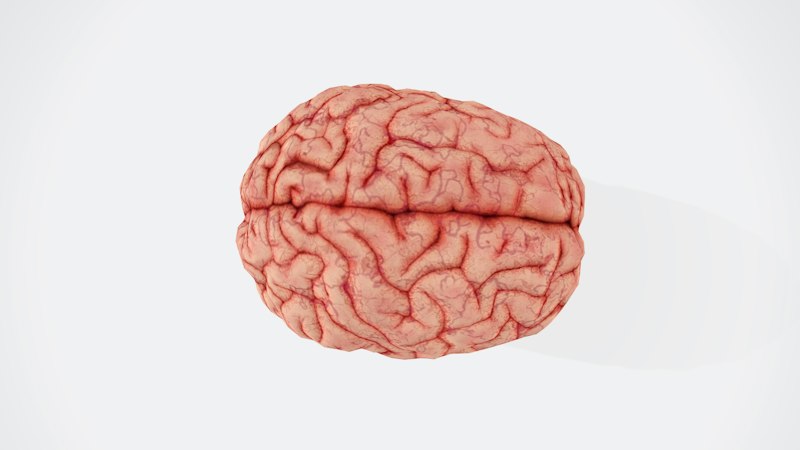
Meningitis is fundamentally defined as the inflammation of the meninges, which are the protective membranes enveloping the brain and spinal cord. This severe condition can be instigated by various pathogens, including bacterial, viral, or fungal agents. While the immediate danger lies in systemic infection and cerebral swelling, the psychological relevance stems directly from the proximity of the inflammation to critical neural structures within the Central Nervous System (CNS). The initial, concise summary highlights that untreated meningitis, regardless of its specific origin, poses a significant threat to cognitive function due to the pressure and damage exerted by the inflammatory process on the underlying brain tissue. When the meninges swell, they restrict the flow of cerebrospinal fluid and increase intracranial pressure, leading to potential hypoxia and direct neuronal death, especially in sensitive brain regions like the hippocampus and cortex, which are crucial for memory and executive control. This inflammatory cascade dictates the severity of subsequent neuropsychological deficits observed in survivors.
The core mechanism behind the psychological impact involves the disruption of the blood-brain barrier (BBB) and the resulting neurotoxicity. As infectious agents breach the protective layers, immune cells flood the area, releasing cytokines and chemokines that, while attempting to fight the infection, inadvertently damage healthy neurons and glia. This widespread damage is responsible for the acute symptoms often mistaken for milder illnesses, such as high fever, nausea, vomiting, and a generalized headache, alongside the hallmark symptom of a stiff neck. If the inflammation extends into the brain tissue itself—a condition known as meningoencephalitis—the likelihood and severity of long-term psychological and cognitive impairment increase dramatically, demanding immediate medical and careful long-term neuropsychological monitoring.
Etiology and Acute Clinical Presentation
The etiological agents determine the severity and speed of progression of the disease. Bacterial meningitis, often caused by organisms such as Neisseria meningitidis or Streptococcus pneumoniae, represents an acute medical emergency characterized by rapid onset and a high mortality rate if antibiotic intervention is delayed. This form is particularly concerning from a neurological perspective because the bacterial presence often triggers intense inflammation and widespread vascular damage, leading quickly to hydrocephalus or cerebral infarction, which are direct precursors to severe cognitive loss. In contrast, viral meningitis, frequently caused by enteroviruses, is generally milder and often self-limiting, resulting in a significantly lower incidence of permanent neurological sequelae.
The acute clinical presentation involves a constellation of symptoms that frequently lead to initial diagnostic confusion, a critical factor in patient outcomes. The typical triad of fever, stiff neck (nuchal rigidity), and altered mental status is highly suggestive of meningitis, yet in its early stages, the symptoms—particularly the fever and generalized malaise—are highly associated with the common cold or influenza. This confusion is dangerous because bacterial meningitis requires treatment initiation within hours to prevent irreversible brain damage. The psychological relevance here is twofold: firstly, the rapid deterioration of consciousness reflects the acute neurological insult; and secondly, the delay in diagnosis, driven by the ambiguity of early symptoms, often maximizes the extent of subsequent cognitive damage that psychological specialists must address later.
Historical Understanding and Neurological Discovery
While clinical descriptions of diseases involving severe headaches, fevers, and profound behavioral changes likely related to meningitis date back to antiquity, the formal scientific understanding and identification of the causative agents solidified primarily in the late 19th and early 20th centuries. This period coincided with the rapid advancement of bacteriology and microbiology, which provided the tools necessary to differentiate between various infectious diseases. Prior to this era, meningitis was often viewed generically as a type of “brain fever” or apoplexy, and the focus of treatment was purely palliative, addressing symptoms rather than the underlying pathology, which meant outcomes were almost uniformly poor.
Key researchers of the period were instrumental in isolating specific bacterial strains, thereby allowing physicians to connect the observable symptoms directly to the pathology of the meningeal inflammation. For instance, Anton Weichselbaum, an Austrian bacteriologist, successfully isolated the meningococcus (Neisseria meningitidis) in 1887, marking a pivotal moment in understanding the epidemic potential and specific neurological mechanism of the disease. This discovery initiated a critical shift in focus: from symptomatic management to understanding the specific neurological damage caused by the inflammatory cascade. This historical progression was vital for the field of psychology, as it established the biological basis for the profound mental and behavioral residues observed in survivors, paving the way for neuropsychological studies of post-infectious cognitive deficits.
Long-Term Cognitive and Psychological Sequelae
The significance of meningitis in the field of psychology lies in its potential to cause profound and lasting neuropsychological deficits, even years after the acute infection has been successfully treated. The inflammation and associated cerebral edema can lead to neuronal damage, particularly in areas highly sensitive to oxygen deprivation or increased intracranial pressure, such as the temporal lobes, which are critical for memory formation, and the frontal lobes, which govern executive function. The severity of these deficits correlates strongly with the duration of the acute illness and the presence of complications like hearing loss or hydrocephalus.
Patients who survive severe episodes frequently exhibit a wide range of long-term sequelae that significantly impair daily functioning and quality of life. These include chronic generalized fatigue, pervasive difficulties with attention, and marked slowing of processing speed. More specific cognitive impairments often involve working memory deficits, difficulty with complex problem-solving, and a reduction in cognitive flexibility. Beyond these measurable cognitive losses, the psychological burden is immense. Chronic conditions such as anxiety disorders, clinical depression, and significant behavioral changes—including increased impulsivity or emotional lability—often emerge post-recovery, necessitating comprehensive psychological intervention and support to help the individual reintegrate into social and professional life. This makes meningitis a crucial area of study for clinical and rehabilitation psychologists.
A Case Study in Post-Meningitis Cognitive Rehabilitation
To illustrate the practical application of psychological principles following neurological insult, consider a real-world scenario involving a young professional, Mark, who survived a severe case of pneumococcal meningitis. Mark’s physical recovery was complete, but he emerged with noticeable and debilitating deficits in executive function, specifically in planning, prioritizing tasks, and regulating his emotional responses under stress. This impairment prevented him from returning to his complex project management role. The psychological approach requires a structured, multi-step rehabilitation program focused on maximizing remaining neural function and teaching compensatory strategies.
The rehabilitative process is typically initiated only after medical stabilization and proceeds through a series of structured interventions. This approach moves beyond traditional talk therapy to actively retrain or compensate for damaged neural circuitry.
- Neuropsychological Assessment: The first step involves a detailed evaluation to precisely identify specific cognitive deficits, such as poor inhibition, significantly slowed processing speed, or pervasive short-term memory loss, distinguishing these from general fatigue or emotional distress.
- Goal Setting and Functional Analysis: Establishing realistic, functional goals (e.g., managing simple household budgets, remembering appointment times) and analyzing daily tasks to break them down into manageable, less cognitively demanding components.
- Compensatory Strategy Training: Teaching Mark to rely heavily on external aids, such as using customized digital planners, reminder alarms, and structured checklists to bypass the damaged neural systems responsible for internal organization and prospective memory.
- Metacognitive Training and Psychoeducation: Helping Mark develop metacognition—the ability to recognize his own cognitive limitations and self-monitor his performance during tasks. This crucial step reduces frustration and improves the accuracy of task completion by allowing him to consciously implement learned coping mechanisms when encountering a cognitive roadblock.
Treatment Modalities and Psychological Support
While the immediate treatment for meningitis focuses on acute medical stabilization—involving aggressive administration of targeted antimicrobial therapy (antibiotics for bacterial or antivirals for viral strains) and management of intracranial pressure—modern management protocols increasingly emphasize the necessity of early psychological and rehabilitative intervention. The recognition that survival often leads to significant disability has fostered multidisciplinary teams involving neurologists, infectious disease specialists, and neuropsychologists. The swift reduction of inflammation and eradication of the pathogen are paramount to limiting subsequent psychological damage.
The application of psychological expertise extends far beyond the acute phase. Specialized neuropsychological assessments are utilized post-recovery to map out the exact extent of cognitive damage, followed by tailored cognitive rehabilitation programs designed to maximize functional recovery and adaptation. Crucially, survivors often require targeted psychotherapy, such as Cognitive Behavioral Therapy (CBT) or Eye Movement Desensitization and Reprocessing (EMDR), to help them cope with the profound emotional trauma of the illness, the frustration associated with cognitive loss, and the development of secondary mood disorders like post-traumatic stress disorder (PTSD) or chronic anxiety, which significantly impede successful reintegration into society.
Intersections with Neuropsychology and Related Conditions
Meningitis falls squarely within the domain of Neuropsychology, the specialized subfield of psychology concerned with how brain structure and neurological function relate to psychological processes and observable behavior. It serves as a vital model for studying acquired brain injury, demonstrating how sudden, non-traumatic pathology can lead to specific, measurable deficits in executive function, memory, and emotional regulation. The comprehensive study of meningitis sequelae relies heavily on established principles of cognitive neuroscience and neurorehabilitation.
The consequences of meningitis share significant clinical overlap with other acquired brain injuries, most notably Traumatic Brain Injury (TBI) and encephalitis. While TBI involves external physical trauma and encephalitis involves direct inflammation of the brain parenchyma itself (rather than just the surrounding meningeal membranes), all three conditions result in similar profiles of cognitive and emotional impairment due to diffuse or localized cerebral damage. Understanding and treating meningitis survivors requires drawing heavily upon research regarding brain plasticity, functional reorganization, and the advanced rehabilitation strategies developed for broader neurological trauma, emphasizing the interconnected nature of brain health and psychological well-being.