Menstrual Taboo: Deconstructing the Psychological Silence
Scientifically Reviewed · Dr. Marwa Abd-Alazim · September 11, 2026
Review Criteria & Clinical Standards
This content undergoes rigorous scientific peer-review and medical editorial standards at Arab Psychology Network to ensure clinical accuracy, validity, and compliance with evidence-based guidelines from leading psychological and healthcare authorities (APA / WHO).
Definition and Scope of the Menstrual Taboo
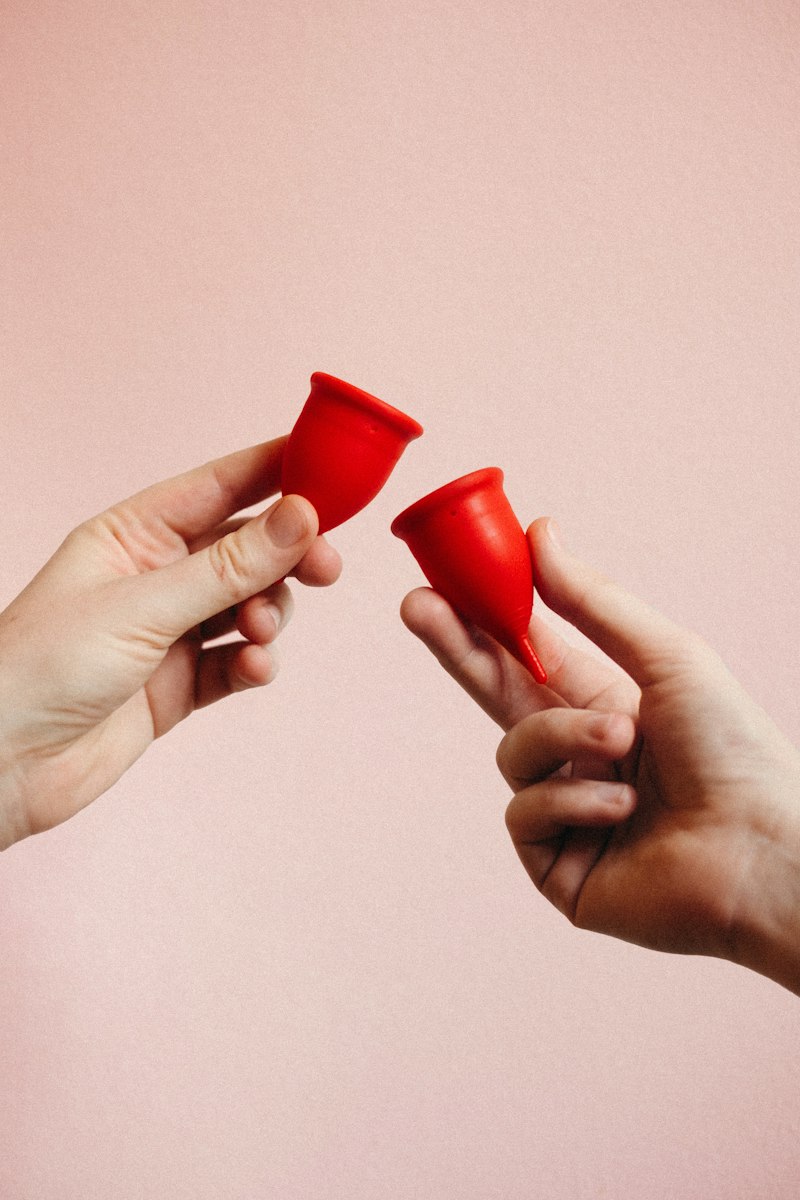
The menstrual taboo represents a universal, yet highly varied, set of cultural practices and beliefs that restrict the behavior and status of women during their menstruation. Fundamentally, it involves the temporary removal of the menstruating woman from her typical social activities, community roles, or physical proximity to specific sacred objects, food preparation areas, or even male family members, lasting until the cessation of the menstrual flow. This phenomenon is deeply embedded in the anthropological record, manifesting across diverse societies—from small hunter-gatherer groups and traditional agricultural communities to, in vestigial forms, contemporary industrialized nations. The core mechanism of the taboo is the designation of the menstruating woman as ritually unclean, potent, or dangerous, necessitating spatial and social segregation to protect the individual, the community, and the spiritual equilibrium of the surrounding environment from perceived contamination or disruptive energy.
While often categorized simply as a mechanism of exclusion, the menstrual taboo operates on complex symbolic levels, intertwining notions of fertility, danger, pollution, and supernatural power. These restrictions are not arbitrary punishments but are integral components of a society’s system of classification, hygiene (in its broadest sense), and gender organization. The specific activities forbidden vary dramatically; in some traditions, women are barred from touching livestock or certain crops, while in others, they must avoid consuming specific foods or participating in religious ceremonies. The common thread, however, is the compulsory acknowledgment of the physiological state through social distancing, emphasizing the cultural significance attributed to the cyclical shedding of the uterine lining and the associated loss of reproductive potential during that specific phase.
The enforcement of the taboo is generally maintained through deeply ingrained social norms and, often, spiritual sanctions, ensuring compliance through internalized beliefs regarding misfortune, illness, or divine retribution resulting from transgression. Anthropological studies highlight that these taboos serve multiple functions beyond mere restriction; they can reinforce gender roles by emphasizing the unique biological capacity of women, structure social time by marking cyclical changes, and provide temporary respite or specialized social space for women, though the latter interpretation is often debated. Crucially, the term taboo itself underscores the powerful, often unstated, rules that govern behavior, suggesting that the menstruating state carries an inherent ambiguity—a powerful state simultaneously associated with life-giving potential and potentially dangerous contamination.
The intensity and visibility of menstrual taboos correlate strongly with the social structure of the community, often being more rigid and formalized in societies where religious and ritual life dominates daily existence. In many cultures, the secluded space—known variously as a menstrual hut, house, or chamber—is physically segregated from the main living area, sometimes constructed specifically for this purpose and often designated as a place of ritual danger or purification. The duration of the seclusion aligns precisely with the physiological cycle, demanding that the woman remain apart until she has undergone a subsequent ritual cleansing, marking her return to her normal status within the community structure and reinstating her eligibility for regular social and domestic activities.
Anthropological Origins and Interpretations
The origins of the menstrual taboo are ancient, predating written history, and are hypothesized to stem from early human attempts to categorize and manage the unpredictable aspects of biology and existence, particularly the mystery surrounding bleeding that did not result from injury. Early anthropological theories, heavily influenced by functionalism, suggested that these taboos arose primarily from practical concerns, such as early hygienic considerations or a fear of attracting predators through the smell of blood in prehistoric environments. However, contemporary scholarship emphasizes the symbolic and structural functions, viewing the taboo less as a practical restriction and more as a powerful cultural tool for defining boundaries, managing anxiety surrounding bodily fluids, and structuring the relationship between nature and culture.
One prominent interpretation, championed by scholars like Mary Douglas, posits that the menstrual taboo is fundamentally rooted in ideas of purity and danger, where blood, particularly blood that flows uncontrollably and without injury, represents matter out of place—a violation of the established societal order. This ambiguity makes it polluting and thus dangerous to the symbolic structure of the community. In this framework, the seclusion serves as a ritual mechanism to contain this symbolic disorder, restoring the cleanliness and predictability necessary for social interaction and spiritual alignment. The menstruating woman, temporarily crossing the boundary between life (potential fertility) and non-life (blood loss), becomes a potent symbol of disorder that must be spatially contained until the body returns to its non-bleeding, ordered state.
Another major theoretical lens is the psychoanalytic perspective, which links the fear of menstrual blood to deep-seated anxieties concerning castration, female power, and male vulnerability. While controversial, this interpretation suggests that the restrictions serve to mitigate male discomfort and assert male dominance over the potentially frightening biological power of women. Conversely, some feminist interpretations view the segregation not purely as oppression, but as a form of resistance or power, arguing that the menstrual hut or period of seclusion could provide a rare, socially sanctioned space for female autonomy, bonding, and collective knowledge sharing, away from the demands and scrutiny of men.
The universality of some form of menstrual restriction across vastly different cultures suggests that while the specific rules are culturally constructed, the underlying psychological need to ritualize significant biological events is inherent to human social organization. This ritualization ensures that the transition between biological states—from fertile potential to temporary physiological change—is recognized, managed, and integrated into the cosmic or spiritual narrative of the society, thereby reinforcing the community’s core beliefs about gender, health, and the supernatural world. The anthropological consensus today rejects monocausal explanations, acknowledging that the taboo is a confluence of hygiene concerns, symbolic pollution management, gender politics, and spiritual beliefs.
Manifestations of Isolation and Restriction
The practical implementation of the menstrual taboo varies widely, yet typically involves a combination of spatial, dietary, and behavioral restrictions designed to minimize contact between the menstruating woman and the rest of the community or sacred items. The most visible and often studied manifestation is the construction and mandatory use of the menstrual hut (or isolation chamber), common in many indigenous cultures globally. These structures are often deliberately rudimentary, located on the periphery of the village, and sometimes marked with specific signs or architectural features that denote their temporary, ritually impure status. Women are expected to remain within these huts for the duration of their flow, sometimes accompanied only by other menstruating women or older, post-menopausal females, symbolizing a temporary break from the patriarchal household unit.
Behavioral restrictions often mandate that menstruating women refrain from engaging in activities critical to the community’s survival or spiritual life. This frequently includes the prohibition of preparing or handling food destined for others, especially men, due to the belief that contamination could lead to illness or loss of strength. In agrarian societies, restrictions might extend to farming activities, such as prohibitions against touching seeds, harvesting crops, or handling livestock, driven by the fear that her presence could cause crop failure or harm the animals. These prohibitions underscore the pervasive belief that the menstrual state carries a potent, negatively charged energy capable of disrupting natural processes.
Furthermore, spiritual restrictions are nearly universal within the context of the menstrual taboo. Women are often banned from entering sacred spaces, participating in religious ceremonies, or handling ritual objects, such as masks, holy books, or altars. This exclusion emphasizes the perceived incompatibility between the state of ritual impurity and the required purity for engaging with the divine or supernatural forces. In many traditions, the mere sight of a menstruating woman is believed to invalidate a religious rite or to bring bad luck upon hunters or warriors, illustrating the severe social consequences attached to violating the established boundaries of the taboo.
Dietary restrictions, while less common than spatial isolation, also form a part of the complex web of controls. In some cultures, women are restricted to bland, simple foods, or barred from consuming certain meats, spices, or dairy products during their cycle. These restrictions may serve to visually or symbolically mark the individual’s temporary status, or they may be rooted in older beliefs about balancing bodily humors or energies. The totality of these restrictions—spatial, behavioral, and dietary—demonstrates the comprehensive nature of the menstrual taboo as a system designed to regulate female biology within the male-dominated sphere of social and spiritual life.
Cultural Rationales: Purity, Danger, and Power
The persistence of menstrual taboos hinges on deep-seated cultural rationales that assign profound meaning to blood and fertility. In many traditional worldviews, the body is seen as porous and susceptible to spiritual influence, and bodily outflows, particularly blood, are imbued with powerful significance. Menstrual blood, in contrast to the controlled bleeding of childbirth or injury, is often viewed negatively because it represents wasted potential—a failed conception—or because its cyclical nature signifies a biological process beyond direct human control. This uncontrolled nature leads to its classification as polluting, demanding ritual containment.
The concept of pollution is central to understanding the rationale for isolation. Pollution, in a ritual sense, is not merely dirt; it is a spiritual or structural contamination that threatens the integrity of the community’s relationship with the divine or the natural order. Contact with a menstruating woman is believed to transmit this polluting status, thereby jeopardizing the spiritual health, economic success, or physical well-being of those contaminated. Therefore, the removal of the woman is an act of purification for the entire community, ensuring that the critical boundaries between the sacred and the profane, and the ordered and the chaotic, remain intact and clearly defined.
However, the taboo is not solely about degradation or contamination; in many contexts, menstrual blood is simultaneously viewed as possessing immense, albeit dangerous, power. This dualistic perception reflects the inherent power of the female body to sustain life. The shedding of blood without death is a unique biological event, sometimes interpreted as a sign of supernatural strength or a connection to powerful chthonic forces. In certain societies, traditional healers or shamans might utilize elements associated with menstruation in specific protective or harmful rituals, acknowledging its potent, transformative energy. The seclusion, therefore, can be interpreted as a way to respectfully contain this volatile power, preventing its uncontrolled release into the community.
Furthermore, the menstrual taboo acts as a powerful delineator of gender roles and status. By enforcing restrictions based on biological cycles, the society reinforces the fundamental distinction between male and female roles, often tying male roles to public, sacred, and war-related activities that require constant ritual purity, and restricting female roles during periods of biological impurity. The temporary exclusion serves to emphasize the dependency of women on their biological cycle, contrasting with the presumed constant readiness and stability of male ritual status. This structural reinforcement ensures the continuation of the dominant social hierarchy and the established division of labor based on perceived gender capabilities.
Psychological and Social Impact on Individuals
The psychological impact of enforced isolation inherent in the menstrual taboo can be complex and varied, depending heavily on the cultural context and the individual’s internalization of the beliefs surrounding the practice. For women, the experience can range from a source of shame, anxiety, and lowered self-esteem due to the designation as ‘unclean’ or ‘dangerous,’ to a period of welcome rest and female solidarity. Where the taboo is rigidly enforced and linked to severe social stigma, it can foster feelings of alienation and bodily betrayal, particularly if the belief system suggests that a violation will bring misfortune upon her family or community, thus imposing a heavy burden of responsibility.
Conversely, in cultures where the isolation is framed as a necessary and respected ritual, the menstrual hut can provide a unique social space. It offers temporary release from domestic labor, a rare opportunity for women of various ages to congregate, share knowledge, and solidify generational bonds free from male oversight. This interpretation suggests that the psychological burden of exclusion is mitigated by the creation of a specialized, female-centric micro-society, transforming the restriction into a period of sanctioned retreat and mutual support, thereby potentially enhancing collective female self-worth despite the inherent restrictions.
For men and boys, the taboo creates a psychological distance and reinforces certain beliefs about female mystery and power. The prohibitions often cultivate a deep-seated fear or avoidance of menstrual blood, which in turn reinforces patriarchal control over social interaction and domestic space. The male role becomes defined, in part, by the need to maintain ritual distance from the source of pollution, solidifying their status as the bearers of ritual purity necessary for public and sacred life. This strict differentiation can contribute to rigid gender stereotyping and limited understanding of female physiological processes.
The moment of return from isolation necessitates a rite of purification, which is critical for restoring the woman’s social identity. Psychologically, this ritual act—often involving washing, changing clothes, or special ceremonies—provides closure to the period of impurity and formally validates the woman’s reintegration into the main social body. Without this formal transition, the social anxiety surrounding her status might persist. The entire cycle of exclusion and inclusion reinforces the power of the communal beliefs and the necessity of individual compliance for maintaining the social and spiritual harmony of the group.
Socio-Economic Consequences and Labor Division
The existence of stringent menstrual taboos has significant, often restrictive, consequences for the socio-economic organization of a community, fundamentally shaping the division of labor and women’s access to public resources. By mandating a period of several days each month during which women are unable to engage in crucial domestic, agricultural, or economic activities, the taboo imposes a measurable reduction in female labor productivity. This recurring absence necessitates the redistribution of tasks, often placing extra burdens on non-menstruating women, older family members, or, less frequently, men, thereby affecting overall household efficiency and resource allocation.
In societies where agricultural output is precarious, the prohibition against menstruating women handling seeds, harvesting, or participating in planting rites can have direct economic consequences, reinforcing the idea that certain tasks are too important or too ritually sensitive to be performed by women in their temporarily polluted state. This institutionalized absence often limits women’s ability to participate fully in the public economy, restricting their entrepreneurial opportunities or their engagement in formalized trade, especially where such activities involve ritual blessings or contact with communal sacred objects or marketplaces.
The physical isolation necessitated by the menstrual hut also creates socio-economic disadvantages by removing women from the central flow of information, decision-making, and political discourse within the village. While the seclusion may offer rest, it simultaneously prevents women from participating in important social gatherings, negotiations, or community planning sessions that occur during that time. This marginalization can contribute to the continued lower status of women in public life, ensuring that crucial power structures remain primarily in the hands of ritually stable men who are never subject to mandatory, biologically driven exclusion.
Furthermore, the resources dedicated to maintaining the taboo—such as constructing and maintaining separate huts, providing separate food supplies, and managing the logistical complexities of periodic labor shortages—represent a constant, albeit subtle, investment by the community in reinforcing its gender hierarchy and ritual beliefs. While these costs are often internalized as necessary for spiritual survival, they highlight how deeply cultural anxieties about female biology are woven into the economic fabric of traditional societies, prioritizing ritual purity over maximal economic output.
Decline, Persistence, and Contemporary Views
While the highly formalized practices of the menstrual taboo, such as mandatory use of the menstrual hut, have declined significantly due to globalization, urbanization, missionary influence, and educational efforts, the underlying psychological and cultural attitudes toward menstruation persist globally, even in highly industrialized Western societies. The decline of explicit isolation practices is often linked to improved sanitation, access to modern menstrual products, and the assimilation of modern medical understandings of reproductive biology, which largely de-mystify the physiological process and challenge the ancient notion of inherent pollution.
However, the taboo continues to manifest in subtle, vestigial forms. In many contemporary cultures, there remains a pervasive sense of shame or secrecy surrounding menstruation, often leading to euphemistic language, the hidden purchase and disposal of sanitary products, and a general reluctance to discuss the topic openly. This contemporary secrecy aligns psychologically with the ancient need for containment and avoidance, reflecting an enduring discomfort with female bodily functions that are not directly linked to reproduction, demonstrating the powerful legacy of historical menstrual restrictions.
In certain regions, particularly South Asia and parts of Africa, explicit menstrual taboos remain strongly enforced, often maintained by deeply conservative religious interpretations. For instance, prohibitions against women entering temples, mosques, or churches while menstruating are still common, as are domestic restrictions preventing women from cooking or touching specific items during their cycle. These persistent practices often lead to significant health and safety issues, particularly in areas where inadequate sanitation or poorly built isolation huts expose women to cold, disease, or predatory behavior, highlighting the urgent need for human rights intervention and health education.
Modern psychological and sociological research increasingly focuses on the detrimental effects of these persistent taboos on women’s education and health. When girls are forced to stay home from school or work due to lack of adequate sanitation or adherence to cultural restrictions, their educational attainment and economic potential are severely hampered. Advocacy groups now frame the dismantling of the menstrual taboo not just as a cultural change, but as a critical public health and gender equality issue, emphasizing the need for open dialogue, improved infrastructure, and the global normalization of menstruation as a healthy, natural biological process rather than a source of shame or ritual contamination.
Summary of Key Psychological Functions
The study of the menstrual taboo reveals its profound utility as a psychological and social mechanism for managing fundamental human anxieties. Psychologically, it serves as a powerful coping strategy for dealing with the unpredictability of the female body and the mystery of blood, transforming a potentially frightening biological event into a structured, manageable cultural reality. By assigning roles and spaces—the exclusion zone—the community gains a sense of control over phenomena that might otherwise challenge its established worldview and spiritual integrity.
Sociologically, the taboo acts as a crucial tool for social categorization, ensuring that gender roles are clearly defined and differentiated. It provides a recurring ritual marker that reinforces the structural divide between men and women, establishing who is eligible for sacred duties and who is subject to cyclical biological constraints. This periodic exclusion maintains the coherence of the social structure by defining who is ‘in’ and ‘out’ of the ritually pure core of the community at any given time, thereby validating the existing power dynamic.
Furthermore, the menstrual taboo fulfills a key psychological function by providing ritual transition. The isolation and subsequent purification rites allow the individual and the community to recognize, process, and contain the perceived danger associated with the menstrual cycle. This structured transition reduces ambiguity and social anxiety, ensuring that the return of the woman to her normal status is clearly marked and accepted, reinforcing social cohesion through shared ritual practice and belief.
In conclusion, the menstrual taboo, in all its historical and contemporary forms, is far more than a simple restriction; it is a complex cultural institution reflecting deep anxieties about purity, power, and social order. Understanding its psychological mechanisms is essential for grasping how societies manage gender relations and integrate fundamental biological processes into coherent, functioning systems of belief and behavior.