Military Psychology: Mastering Resilience Under Fire
Scientifically Reviewed · Dr. Marwa Abd-Alazim · October 7, 2026
Review Criteria & Clinical Standards
This content undergoes rigorous scientific peer-review and medical editorial standards at Arab Psychology Network to ensure clinical accuracy, validity, and compliance with evidence-based guidelines from leading psychological and healthcare authorities (APA / WHO).
The Military Environment: A Comprehensive Definition
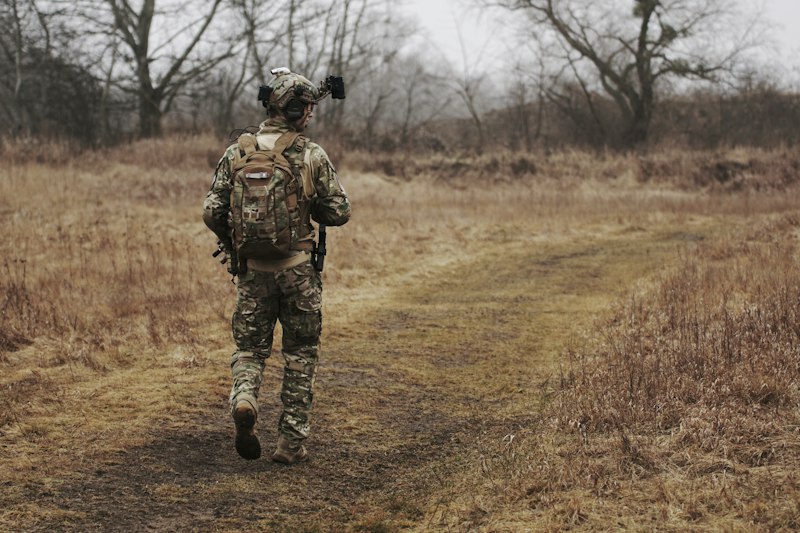
The military environment is a highly distinctive and complex setting, characterized by its unique blend of demanding operational requirements, stringent hierarchical structures, and an inherent exposure to significant risks. It encompasses a vast array of physical settings, ranging from arid deserts and dense jungles to urban combat zones and expansive naval vessels, each presenting its own set of distinct challenges. This environment fundamentally compels individuals to operate under immense stress, often far removed from familiar support systems, while confronting situations that can test the absolute limits of human endurance and psychological resilience.
The core idea behind understanding the military environment’s impact is that the constant and multifaceted stressors inherent in military service—including extreme physical exertion, persistent threat exposure, prolonged separation from family, and the rigors of strict discipline—necessitate a profound capacity for adaptation. Service members are expected to perform under conditions that are often unpredictable, dangerous, and emotionally taxing, requiring a unique blend of physical prowess, mental fortitude, and emotional regulation. This continuous state of readiness and engagement with potential hazards distinguishes military life from most civilian occupations.
This unique confluence of factors fundamentally shapes the experiences and health trajectories of service members, impacting their physical health, mental health, and emotional health in ways that are often distinct from civilian life. Understanding the military environment therefore requires appreciating the dynamic interplay between overarching organizational demands, individual capabilities and vulnerabilities, and the ever-present potential for both profound personal growth and significant health challenges. It is a field of study that seeks to unravel how these unique pressures affect human well-being across the lifespan of military personnel.
Historical Perspectives on Military Stressors
The recognition of the profound psychological toll exacted by warfare is not a modern phenomenon, though its understanding and the terminology used to describe it have evolved considerably over time. Early observations of what we now understand as war-related stress can be traced back to ancient texts describing the psychological anguish and moral injury experienced by soldiers in combat. For instance, descriptions of soldiers returning from battle exhibiting symptoms of anxiety, fear, and emotional numbness are found in historical accounts from various civilizations.
During the American Civil War, physicians noted conditions like “soldier’s heart,” characterized by symptoms such as anxiety, palpitations, chest pain, and fatigue. These early observations, though lacking a modern psychiatric framework, are now recognized as foundational descriptions of trauma-related stress reactions. However, it was during World War I that the widespread and debilitating effects of combat stress became undeniably apparent, leading to the identification of “shell shock.” This term initially attributed the severe psychological and physical symptoms to the physical concussive effects of artillery bombardments, but it soon became clear that the psychological distress caused by the prolonged horrors of trench warfare was the primary driver.
The post-Vietnam era, however, marked a pivotal shift in understanding, driven by the advocacy of veterans and mental health professionals who observed persistent and debilitating psychological conditions in returning service members. This advocacy culminated in the formal recognition of Post-Traumatic Stress Disorder (PTSD) in the Diagnostic and Statistical Manual of Mental Disorders (DSM-III) in 1980. This landmark development solidified the understanding that traumatic experiences in the military environment could lead to persistent and debilitating psychological conditions, fundamentally shaping the emerging field of military psychology and paving the way for dedicated research and treatment approaches.
The Physical Demands and Health Consequences
The military environment inherently imposes extraordinary physical demands on service members, frequently pushing the human body to its physiological limits. These demands are multifaceted, encompassing the rigorous requirements of initial training regimens, the sustained operational tempo of deployments, and direct engagement in combat activities. Personnel routinely endure strenuous physical activity such as forced marches over challenging and varied terrains, carrying heavy loads of equipment and body armor, and engaging in physically taxing combat maneuvers or humanitarian aid operations over extended periods, often with minimal rest.
Beyond sheer exertion, the potential for exposure to hazardous materials and environmental toxins is a pervasive concern within the military environment. This can range from battlefield contaminants and environmental pollutants, such as those emanating from burn pits used for waste disposal in operational zones, to highly specific chemical, biological, and radiological agents in certain specialized contexts. Furthermore, military personnel are frequently deployed to extreme climates—whether arctic conditions, scorching deserts, or high-altitude environments—which can lead to severe health issues like hypothermia, heat stroke, severe dehydration, and acute mountain sickness if not properly managed, all of which directly impact physical health.
The cumulative effect of these intense physical demands and environmental exposures can result in a wide spectrum of acute injuries, including musculoskeletal damage, fractures, and traumatic brain injuries from blasts or impacts. Additionally, these factors can contribute to chronic conditions such as persistent pain syndromes, respiratory illnesses, hearing loss due to prolonged noise exposure, and long-term cardiovascular strain. These conditions not only compromise a service member’s physical health during their active service but can also lead to debilitating long-term health problems that significantly impact their quality of life long after returning to civilian life.
Psychological Resilience and Mental Health Challenges
Beyond the physical, the military environment presents profound psychological challenges that significantly impact mental health. Service members are routinely exposed to elevated levels of stress stemming from the inherent dangers of their profession, the immense responsibility placed upon them, and the constant threat of harm to themselves or their comrades. The unrelenting operational tempo, the necessity of making life-or-death decisions, and the ethical dilemmas often encountered in conflict zones further exacerbate these stressors, pushing individuals to their psychological limits.
A critical factor in the erosion of mental health is the potential for exposure to traumatic events. These can range from direct combat exposure, witnessing atrocities or severe injuries, experiencing life-threatening incidents such as improvised explosive device (IED) attacks, or dealing with the immediate aftermath of mass casualties. Such exposures are potent risk factors for the development of severe mental health conditions, as the brain struggles to process and integrate such overwhelming experiences into a coherent narrative of safety and normalcy.
Long-term deployments, often involving protracted periods away from family and familiar social structures, can induce profound feelings of isolation, loneliness, and despair, significantly contributing to the development of depression and anxiety disorders. The psychological toll can manifest as Post-Traumatic Stress Disorder (PTSD), characterized by intrusive thoughts, nightmares, hypervigilance, and avoidance behaviors, as well as mood disorders, substance use disorders, and, tragically, an increased risk of suicide. Cultivating resilience through robust training, peer support, and access to timely mental healthcare is therefore paramount for mitigating these substantial mental health risks within the military population.
Emotional Well-being and Adaptation
The emotional health of military personnel is inextricably linked to their experiences within the demanding military environment. Exposure to traumatic events, whether directly experienced or witnessed, can trigger a complex array of powerful and often conflicting emotions. Feelings of guilt, stemming from perceived failures, moral dilemmas, or decisions made under extreme duress, are common, as are feelings of shame related to vulnerabilities, actions taken in survival contexts, or the inability to save others. Intense anger may arise from feelings of injustice, profound loss, or perceived helplessness in uncontrollable situations.
Furthermore, the pervasive stress inherent in military service, combined with the profound separation from loved ones during long deployments, can foster deep feelings of anxiety, sadness, and pervasive loneliness, frequently contributing to depression or emotional numbing. The constant vigilance required in hostile environments can make it incredibly difficult for individuals to relax or feel safe, even upon returning home, contributing to a persistent state of emotional dysregulation and hyperarousal long after the immediate threat has passed.
These intense emotional burdens not only profoundly affect the individual’s inner world but also significantly impact their interpersonal relationships, their capacity to effectively reintegrate into civilian life, and their overall emotional health and well-being. Processing and integrating these challenging experiences often requires specialized therapeutic interventions, such as cognitive-behavioral therapy or eye movement desensitization and reprocessing (EMDR), to help service members develop adaptive coping strategies and regain a sense of emotional balance and connection. The journey to restoring emotional health can be long and complex, underscoring the enduring impact of military service.
Illustrative Scenario: A Soldier’s Deployment
To illustrate the multifaceted impact of the military environment, consider the hypothetical case of Specialist Anya Sharma, a combat medic deployed to a volatile region for a nine-month tour. Before deployment, Anya underwent rigorous training, but nothing fully prepared her for the constant vigilance, the unpredictable nature of daily threats, and the profound responsibilities that awaited her.
- Initial Adaptation and Physical Strain: Upon arrival, Anya immediately faced extreme environmental conditions, including scorching heat, pervasive dust, and the relentless physical demands of carrying heavy medical equipment and body armor during extended patrols. Her initial days were marked by severe dehydration, persistent muscle fatigue, and a constant struggle with sleep deprivation, all of which significantly impacted her immediate physical health. The pervasive noise of distant gunfire, artillery, and helicopter rotors made restful sleep elusive, contributing to a state of chronic exhaustion.
- Exposure to Trauma and Mental Strain: Approximately three months into her tour, Anya was involved in a devastating incident where her patrol was ambushed. She performed life-saving first aid under direct fire, witnessing severe injuries and the tragic deaths of several comrades. This direct exposure to extreme trauma left her with persistent intrusive thoughts, vivid nightmares, and an inability to shake the images and sounds of the event, which are classic symptoms of early Post-Traumatic Stress Disorder (PTSD). She became intensely hypervigilant, constantly scanning for threats and startling easily, even in seemingly safe environments, indicating a significant and immediate impact on her mental health.
- Emotional Impact and Isolation: The emotional toll on Anya was immense and multifaceted. She felt profound grief for her fallen comrades and a pervasive sense of guilt, constantly questioning if she could have done more to save them. Communication with her family was sporadic and often interrupted due to operational security and limited connectivity, leading to deep feelings of loneliness and isolation. She began to withdraw from her unit members, finding it difficult to articulate the depth of her experiences, further impacting her emotional health and sense of connection to others.
- Reintegration Challenges: Upon returning home, Anya found it incredibly difficult to adjust to civilian life. Loud noises would trigger intense anxiety and panic, and she struggled with crowded places, feeling overwhelmed and unsafe. Her sleep remained severely disturbed, and she experienced frequent bouts of irritability, anger, and depression. While physically intact, the invisible wounds of her deployment significantly affected her personal relationships, her ability to find peace, and her overall well-being, highlighting the enduring and pervasive nature of the military environment’s impact on all aspects of a service member’s life.
This detailed scenario demonstrates how the military environment does not merely present isolated challenges but rather a complex, interconnected web of physical, mental, and emotional stressors that can profoundly alter an individual’s well-being and life trajectory over time, requiring comprehensive and sustained support.
Broader Implications for Psychology and Society
The study of the military environment and its effects holds profound significance and impact for both the field of psychology and broader society. Within psychology, it has significantly driven the advancement of trauma psychology, leading to a deeper and more nuanced understanding of Post-Traumatic Stress Disorder (PTSD), its complex neurobiological underpinnings, and the development of increasingly effective therapeutic interventions. Research into resilience and adaptive coping mechanisms in high-stress environments has also been significantly bolstered by extensive studies on military populations, offering invaluable insights applicable to other demanding professions like first responders, healthcare workers, and disaster relief personnel.
For society at large, understanding these impacts is crucial for several compelling reasons. It directly informs public policy regarding veteran support services, ensuring that those who have served receive adequate and appropriate healthcare provisions, housing assistance, and transition assistance programs to address their unique needs. It also highlights the imperative of fostering a supportive and understanding civilian environment that can effectively aid the reintegration of service members, recognizing the often invisible burdens of trauma and adjustment challenges they may carry. Furthermore, it encourages a societal dialogue about the costs of conflict and the moral obligations to those who bear its brunt.
The applications of this knowledge are incredibly diverse and far-reaching. They span the development of sophisticated pre-deployment resilience training programs designed to prepare individuals for stressors, targeted mental health interventions for returning veterans, and comprehensive public health initiatives aimed at reducing the stigma associated with seeking psychological help within military and veteran communities. Ultimately, recognizing the distinct challenges of the military environment allows for the creation of more effective systems of care and support, contributing significantly to the overall well-being of service members, their families, and the communities they ultimately rejoin.
Interconnections with Related Psychological Concepts
The psychological principles at play within the military environment are deeply interconnected with various other key concepts and broader categories within the vast field of psychology. Fundamentally, it intersects extensively with health psychology, which examines the intricate and bidirectional relationship between psychological factors, physical health, and illness. The chronic stress and trauma experienced by military personnel provide compelling case studies for understanding psychosomatic responses and the long-term physiological consequences of sustained psychological distress, such as cardiovascular disease, metabolic disorders, and chronic pain.
Furthermore, the field of trauma psychology is absolutely central, as military service often involves direct and indirect exposure to life-threatening events, making the comprehensive study of Post-Traumatic Stress Disorder (PTSD) and other trauma-related disorders paramount. Concepts from social psychology, such as group cohesion, leadership dynamics, the impact of conformity, and the critical role of social support systems, are essential in understanding unit effectiveness, morale, and the protective factors against combat stress. The bonds formed in military units are often unique and profoundly influential on individual well-being.
Cognitive psychology contributes invaluable insights into decision-making under extreme pressure, the allocation of attention in high-threat environments, and the impact of cognitive biases on perception and action in combat or crisis situations. Additionally, the military environment is a prime domain for organizational psychology, which investigates how organizational structures, military culture, leadership styles, and personnel policies influence individual and group performance, motivation, and overall well-being. This complex interplay positions the study of the military environment firmly within the broader categories of applied psychology, specifically military psychology, health psychology, and clinical psychology, offering invaluable insights into human adaptation, resilience, and vulnerability in extreme and extraordinary conditions.