Tactical Psychology: Mastering the Human-Machine Bond
Scientifically Reviewed · Dr. Marwa Abd-Alazim · October 3, 2026
Review Criteria & Clinical Standards
This content undergoes rigorous scientific peer-review and medical editorial standards at Arab Psychology Network to ensure clinical accuracy, validity, and compliance with evidence-based guidelines from leading psychological and healthcare authorities (APA / WHO).
Core Definition of Military Human-Machine Systems
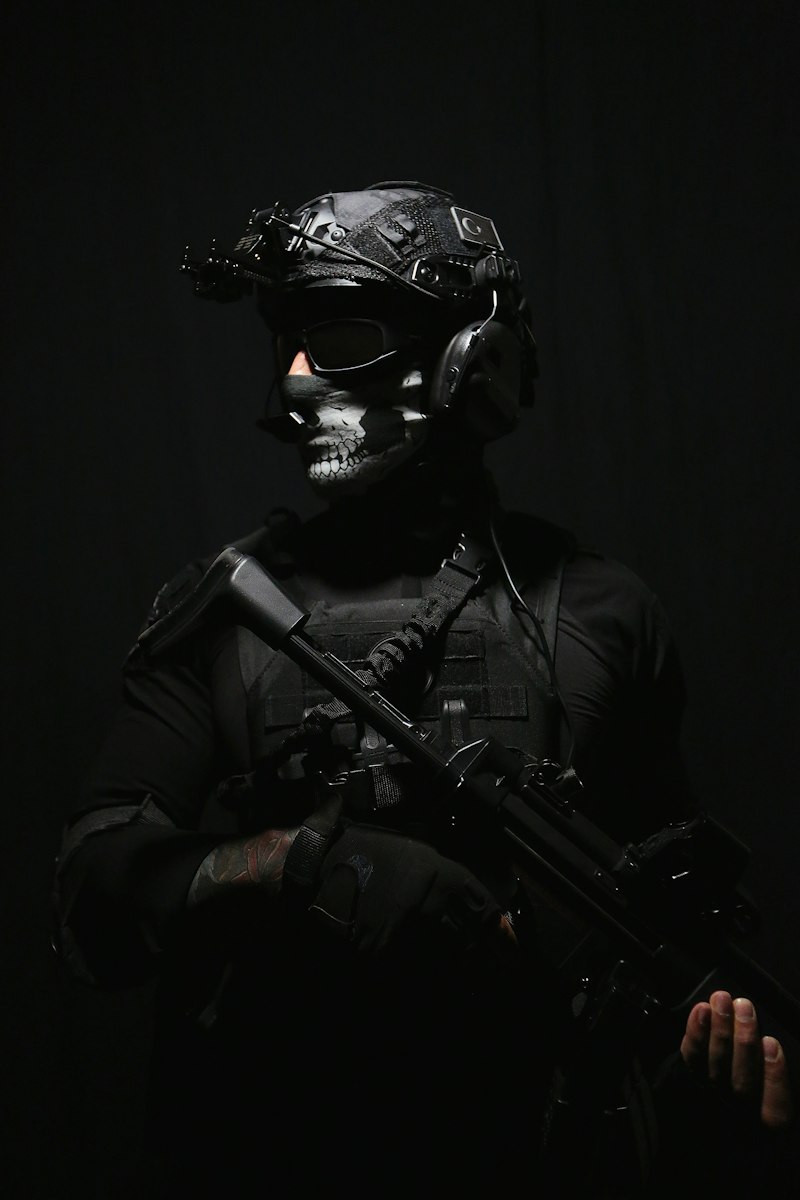
A military human-machine system (HMS) represents a sophisticated integration of human operators and technological components designed to achieve specific operational objectives within the demanding context of military affairs. At its most fundamental level, an HMS is a synergistic partnership where the strengths of human cognition and judgment are combined with the speed, precision, and endurance of machines. This integration is crucial for enhancing overall system performance, particularly in environments characterized by high complexity, rapid change, and significant risk. The overarching goal is to optimize the collaborative interaction, ensuring that both human and machine elements contribute effectively to mission success while mitigating the inherent limitations of each component when operating in isolation.
The fundamental mechanism behind effective military HMS lies in the intelligent division and dynamic allocation of tasks between human and machine. Typically, the human element is responsible for providing strategic direction, exercising ethical judgment, adapting to unforeseen circumstances, and translating broad mission objectives into actionable plans. Conversely, the machine component excels at repetitive tasks, rapid data processing, precise tactical execution, maintaining vigilance over extended periods, and operating in hazardous environments where human presence would be impractical or dangerous. This division fosters a powerful synergy, where the machine extends human capabilities, and the human provides the critical oversight, adaptability, and moral compass that machines currently lack. The effectiveness of this system hinges on seamless communication and a shared understanding of operational goals and constraints, allowing for quick and informed decision-making in real-time.
These systems are not merely about automation, where machines replace humans, but rather about augmentation, where machines empower humans to perform at higher levels. This distinction is critical in military contexts, where the ultimate responsibility for actions often remains with human commanders. The design philosophy emphasizes increasing the human operator’s situational awareness by filtering and presenting vast amounts of data in an intelligible format, thereby reducing cognitive load and enabling faster, more accurate tactical and strategic decisions. The human maintains a supervisory role, intervening when necessary, adapting strategies as conditions evolve, and providing the nuanced interpretation that complex, real-world scenarios often demand, far beyond the current capabilities of even the most advanced artificial intelligence.
Evolution and Historical Context
The conceptual roots of military human-machine systems can be traced back to the mid-20th century, particularly emerging from the fields of cybernetics and human factors engineering during and after World War II. The increasing complexity of military technology, from radar systems to aircraft cockpits, highlighted the critical need to design equipment that was compatible with human cognitive and physical capabilities. Early research focused on optimizing displays, controls, and workflows to minimize human error and maximize performance, recognizing that the human operator was often the limiting factor in weapon system effectiveness. This era laid the groundwork for understanding the intricate relationship between humans and their technological tools in high-stakes environments.
As computing power advanced in the latter half of the 20th century, the concept evolved beyond mere ergonomic design to include more dynamic interactions. The advent of digital systems allowed for greater automation and the processing of larger datasets, leading to early forms of decision support systems. Researchers began exploring how machines could assist humans in complex tasks like air traffic control, command and control, and intelligence analysis. The focus shifted from isolated human-machine interfaces to integrated systems where information was shared and processed collaboratively. This period saw the formalization of concepts like human-in-the-loop and human-on-the-loop control, distinguishing between different levels of machine autonomy and human oversight, a distinction that remains highly relevant today.
The turn of the 21st century brought about a rapid acceleration in the development of HMS, driven by advancements in artificial intelligence (AI), robotics, and sensor technologies. Modern military operations, characterized by network-centric warfare and asymmetric threats, further underscored the demand for systems that could process vast amounts of information, identify patterns, and assist in rapid response. Key psychologists and engineers, drawing on decades of research in cognitive psychology, human factors, and systems engineering, have been instrumental in shaping the theoretical frameworks and practical applications of these advanced HMS. Their work continues to address the challenges of trust, transparency, and effective collaboration between increasingly intelligent machines and human operators, particularly as machines gain greater levels of autonomy.
Components and Interaction Dynamics
A typical military human-machine system is composed of several critical elements that interact continuously to achieve mission objectives. The human component primarily encompasses the operator, commander, or analyst, bringing to the system uniquely human attributes such as intuition, ethical reasoning, abstract thought, adaptability, and the capacity for complex problem-solving in novel situations. This component is responsible for setting strategic goals, making high-level decisions, interpreting ambiguous information, and exercising oversight over the machine elements. The human’s ability to understand context, anticipate human adversary behavior, and manage unforeseen circumstances remains unparalleled, making their role indispensable for mission success and accountability.
The machine component, conversely, consists of various technological assets, which may include sensors, data processing units, communication networks, robotic platforms (e.g., drones, autonomous ground vehicles), and advanced software algorithms, including AI and machine learning. These elements are designed to excel in tasks requiring speed, precision, repetitive action, data crunching, and operation in environments too dangerous or inaccessible for humans. The machine’s role involves collecting, processing, and disseminating information; executing tactical maneuvers; maintaining persistent surveillance; and providing decision support by analyzing vast datasets and identifying potential courses of action based on predefined parameters.
The dynamic between these two components is facilitated by a sophisticated communication system, which acts as the nervous system of the HMS. This system ensures the seamless exchange of data, commands, and feedback between human and machine. It includes user interfaces that translate complex machine data into understandable visual or auditory information for the human operator, as well as input devices that allow humans to issue commands and adjust machine parameters. Effective interaction requires not only robust technical interfaces but also a shared mental model between the human and machine, fostered through clear design and training, so that each understands the other’s capabilities, limitations, and current status within the operational loop. This continuous feedback loop allows the system to be highly adaptive, responding quickly and effectively to changing environments and conditions in real-time.
Applications in Modern Military Operations
Military human-machine systems are increasingly integral to a wide array of modern military operations, significantly enhancing the capabilities of armed forces across various domains. In the realm of intelligence, surveillance, and reconnaissance (ISR), HMS play a transformative role. Autonomous drones equipped with advanced sensors can conduct persistent surveillance over vast areas, collecting high-resolution imagery, signals intelligence, and environmental data without risking human lives. The machine component processes this massive influx of data, identifying anomalies, tracking targets, and flagging critical information, which is then presented to human analysts. This collaboration allows for more comprehensive coverage, faster data analysis, and ultimately, superior situational awareness for commanders on the ground and in command centers.
Beyond intelligence gathering, HMS are crucial for mission planning and execution. In complex operational environments, human operators can leverage machine components to simulate various mission scenarios, analyze potential risks, and optimize resource allocation. For instance, AI algorithms can process terrain data, weather forecasts, and adversary disposition to suggest optimal routes or deployment strategies. During execution, autonomous platforms can assist in logistics, transport, and even combat support, reducing the physical burden and exposure to danger for human personnel. The machine provides the raw data and analytical insights, empowering human commanders to make more informed, timely, and effective decisions under pressure, leading to more precise and efficient mission outcomes.
Furthermore, HMS contribute significantly to improving the accuracy and effectiveness of weapons systems. In precision strike operations, the machine component can provide real-time targeting data, compensate for environmental factors like wind and atmospheric conditions, and track moving targets with extreme precision. This data is then relayed to human operators, who maintain the final authority to authorize engagement, ensuring adherence to rules of engagement and ethical considerations. The collaboration allows for a higher probability of striking intended targets while minimizing collateral damage. Similarly, in defensive postures, automated systems can detect and track incoming threats, alerting human operators and often initiating countermeasures faster than human reaction times alone, thereby enhancing force protection and defensive capabilities.
Illustrative Scenario: Reconnaissance Mission
To illustrate the practical application of a military human-machine system, consider a detailed reconnaissance mission aimed at gathering intelligence on an adversary’s forward operating base in a remote, hazardous territory. The objective is to identify troop movements, equipment staging areas, and potential defensive positions without alerting the adversary. This mission is inherently dangerous and requires sustained observation, making it an ideal candidate for an HMS approach.
The mission begins with a human intelligence analyst and a drone pilot collaborating during the planning phase. The analyst, leveraging their understanding of the strategic context and adversary tactics, defines the intelligence requirements and potential areas of interest. The pilot, using a machine interface, programs the autonomous reconnaissance drone’s flight path, altitude, and sensor parameters, ensuring optimal coverage of the target area while minimizing detection risks. The machine’s advanced planning software might suggest optimized routes to avoid known air defenses or challenging terrain, considering real-time weather data. This initial human-machine interaction establishes the mission’s framework, with the human providing the strategic intent and the machine translating it into a detailed, executable plan.
Once deployed, the drone, acting as the machine component, autonomously executes its programmed flight path, collecting vast amounts of data using high-resolution cameras, thermal imagers, and signal intelligence sensors. During the mission, if the drone detects an unexpected heat signature or a change in radio frequency patterns, its onboard AI algorithms immediately process this information. It then automatically flags these anomalies and transmits them, along with the raw sensor data, back to the human operator. The human operator, monitoring a multi-modal display, receives these alerts. They can then take control to manually adjust the drone’s trajectory for closer inspection, activate different sensors, or interpret the ambiguous data based on their expertise and contextual knowledge. This step-by-step interaction demonstrates the “human-on-the-loop” principle, where the machine performs routine tasks and alerts the human for critical assessment and intervention, ensuring both efficiency and robust decision-making in a dynamic environment. The human’s ability to interpret nuanced details and make subjective judgments is paramount here, particularly when dealing with incomplete or ambiguous intelligence.
Significance, Benefits, and Challenges
The significance of military human-machine systems to the field of modern warfare and beyond cannot be overstated. They represent a fundamental shift in how military operations are conceived, planned, and executed, moving towards a paradigm of enhanced capabilities and optimized resource utilization. By combining the unique strengths of humans and machines, these systems dramatically improve operational effectiveness, allowing forces to operate with greater speed, precision, and endurance than ever before. This is particularly vital in today’s complex geopolitical landscape, where threats are diverse and evolve rapidly, demanding agile and sophisticated responses. The conceptual framework of HMS also has broader implications for human factors psychology, engineering psychology, and cognitive psychology, as it deepens our understanding of human-automation interaction, trust, and workload management in high-consequence settings.
The benefits of deploying advanced HMS are manifold. Firstly, they significantly enhance situational awareness by processing and synthesizing massive amounts of data from disparate sources, presenting a coherent operational picture to human commanders. This reduces the fog of war and enables more informed and timely decision-making. Secondly, HMS improve force protection by allowing machines to undertake dangerous missions such as reconnaissance, surveillance, explosive ordnance disposal, and combat in hazardous zones, thereby reducing human casualties. Thirdly, they boost efficiency and precision in tasks ranging from logistics and maintenance to target identification and engagement, leading to more effective resource allocation and more discriminate use of force. These advantages contribute directly to achieving military objectives with greater success and reduced cost, both in terms of human lives and material resources.
Despite these profound benefits, the implementation and proliferation of military HMS also present significant challenges and potential risks. A primary concern is the potential for machine malfunction, cyberattacks, or adversarial compromise, which could lead to operational disruption, loss of control, or even unintended casualties. The increasing autonomy of machine components raises complex questions regarding accountability when errors occur. Furthermore, the integration of HMS can introduce new forms of cognitive load on human operators, who must monitor complex systems, manage alerts, and maintain vigilance over extended periods. There is also the risk of over-reliance on automation, where human skills may atrophy, leading to a diminished capacity for manual operation or critical thinking when automated systems fail. Addressing these challenges requires continuous research, robust engineering, and comprehensive training programs.
Ethical Considerations and Risk Mitigation
The development and deployment of military human-machine systems are inextricably linked with profound ethical considerations, particularly concerning the appropriate role of machines in warfare and the preservation of human control. As machines gain greater capabilities, the question of moral responsibility and accountability in lethal decision-making becomes paramount. There is a global debate surrounding fully autonomous weapon systems, often termed “killer robots,” which could select and engage targets without human intervention. The potential for such systems to violate international humanitarian law, make errors with catastrophic consequences, or dehumanize warfare necessitates stringent ethical frameworks and regulatory oversight to ensure that human judgment and moral responsibility remain central to all military actions.
To mitigate the inherent risks associated with military HMS, it is absolutely essential that these systems are designed and implemented in strict accordance with established ethical principles and international legal norms. This includes ensuring transparency in how machine algorithms operate, allowing human operators to understand the rationale behind machine recommendations and actions. Robust safeguards must be integrated into the system architecture to prevent unauthorized access, manipulation by adversaries, or unintended behavior. Furthermore, rigorous testing and validation protocols are crucial to ensure that machine components operate reliably and predictably under all foreseen operational conditions, minimizing the likelihood of malfunction or error.
Beyond technical safeguards, comprehensive training for human operators is vital. This training must focus not only on the technical aspects of operating HMS but also on the ethical implications, emphasizing the importance of human oversight, intervention, and accountability. Establishing clear rules of engagement and protocols for human intervention in autonomous or semi-autonomous operations is critical. International collaboration and dialogue are also necessary to establish global norms and regulations for the responsible development and use of military HMS. By prioritizing ethical design, comprehensive security, and continuous human oversight, the military can harness the transformative potential of these systems while upholding humanitarian values and minimizing the risks of misuse or unintended consequences.
Connections to Broader Psychological Concepts
Military human-machine systems are deeply intertwined with several core psychological concepts, primarily falling under the broader subfields of human factors psychology, cognitive psychology, and military psychology. These disciplines provide the theoretical frameworks necessary to understand and optimize the interaction between humans and technology in high-stakes operational environments. Concepts like situational awareness, for instance, are central to HMS design, as the system’s primary goal is often to enhance the operator’s understanding of their environment. Cognitive load theory helps in designing interfaces that present information efficiently, preventing overload and ensuring effective decision-making under pressure.
The relationship between humans and machines also draws heavily on research into trust in automation. Psychological studies examine how operators develop, maintain, or lose trust in automated systems, a critical factor influencing their willingness to delegate tasks and follow machine recommendations. Issues such as automation complacency, where operators become overly reliant on machines and fail to monitor them adequately, are significant areas of concern addressed by human factors specialists. Furthermore, the concept of teamwork and collaboration extends to human-machine teams, requiring an understanding of how humans and intelligent agents can effectively coordinate their actions, share information, and develop a shared mental model of the mission.
Related concepts include vigilance decrement, where human performance declines over time during prolonged monitoring tasks, a challenge that HMS can mitigate through automated monitoring and alert systems. The design of effective human-machine interfaces also relies on principles of perception and attention, ensuring that critical information is salient and easily interpretable. Ultimately, military HMS are a practical manifestation of applied psychology, aiming to leverage psychological principles to create more effective, safer, and ethically responsible technological systems that augment human capabilities in the most demanding contexts. This interdisciplinary approach is crucial for navigating the complexities of integrating advanced technology with human operators in military settings.
The Future of Military Human-Machine Systems
The future of military human-machine systems is poised for continued rapid evolution, driven by advancements in artificial intelligence, machine learning, and robotics. We can expect to see increasingly sophisticated levels of machine autonomy, where machines are capable of performing more complex tasks, adapting to dynamic environments, and even learning from experience without continuous human intervention. This will necessitate a deeper understanding of human-AI teaming, focusing on how humans can effectively supervise, train, and collaborate with highly intelligent and adaptive machine partners. The development of explainable AI (XAI) will be crucial, ensuring that humans can understand how autonomous systems arrive at their decisions, thereby fostering trust and enabling effective oversight.
Emerging technologies such as brain-computer interfaces, augmented reality, and virtual reality are also expected to play a significant role in enhancing the human-machine interface. These technologies could allow for more intuitive control of machine assets, provide immersive situational awareness displays, and enable human operators to interact with virtual representations of the battlefield in real-time. The integration of bio-sensors could monitor operator cognitive load and stress levels, allowing HMS to adapt their assistance dynamically, reducing the burden on humans during high-pressure situations. This evolution will move beyond simple data presentation to truly adaptive and personalized human-machine collaboration.
However, this future also brings heightened ethical, legal, and societal challenges. The increasing reliance on autonomous systems in military contexts will intensify debates around accountability, the potential for algorithmic bias, and the implications for international stability. Research will increasingly focus on developing robust human-machine teaming frameworks that ensure humans remain firmly in control of critical decisions, especially those involving lethal force. The emphasis will be on designing systems that empower humans, not replace them, maintaining the irreplaceable human elements of judgment, ethics, and empathy in warfare. The ongoing research and development in military HMS will continue to shape the landscape of defense, demanding a balanced approach that harnesses technological prowess while upholding human values and responsibility.