Mirror Imaging: Unlock Your Hidden Psychological Self
Scientifically Reviewed · Dr. Marwa Abd-Alazim · September 22, 2026
Review Criteria & Clinical Standards
This content undergoes rigorous scientific peer-review and medical editorial standards at Arab Psychology Network to ensure clinical accuracy, validity, and compliance with evidence-based guidelines from leading psychological and healthcare authorities (APA / WHO).
Defining Mirror Imaging in a Multidisciplinary Context
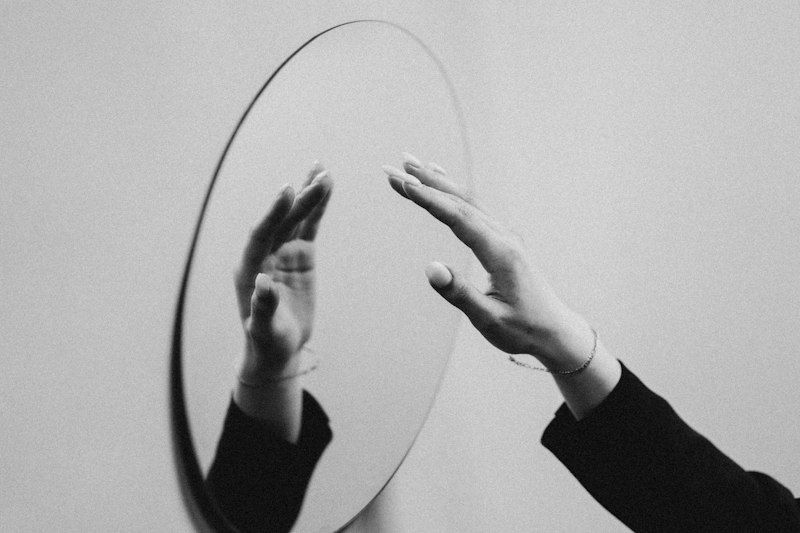
The concept of mirror imaging represents a complex phenomenon where one object, entity, or behavior serves as a precise structural or behavioral inverse of another. While the most literal interpretation involves the optical reflection of light off a polished surface, the term has expanded significantly across various academic disciplines to describe deep-seated patterns of symmetry and replication. In its most fundamental sense, mirror imaging involves the perception of lateral inversion, where the spatial orientation of an object is flipped across a central axis, creating a duality that is both identical in form and opposite in orientation. This duality serves as a foundational principle in understanding how humans perceive symmetry in the physical world and how that symmetry influences cognitive processing.
Beyond the realm of basic optics, mirror imaging serves as a vital conceptual framework in fields as diverse as art, psychology, neuroscience, and robotics. In each of these areas, the “mirror” serves as more than just a tool for reflection; it acts as a metaphor for the relationship between the self and the external world. Scientists and theorists have long been fascinated by why the human brain is so uniquely tuned to recognize and interpret these mirrored patterns. Whether analyzing the structural symmetry of a biological organism or the behavioral mimicry observed in social interactions, mirror imaging provides a lens through which we can examine the interconnectedness of form and function. This multifaceted nature ensures that the study of mirror imaging remains a central topic of inquiry for researchers seeking to decode the mysteries of human perception and social behavior.
The implications of mirror imaging extend far into the practical world, influencing how we design technology and diagnose medical conditions. By observing how objects or biological structures deviate from their expected mirrored counterparts, experts can identify anomalies that may indicate underlying pathologies or systemic failures. Furthermore, the psychological implications of seeing oneself reflected—both literally and figuratively—play a crucial role in the development of individual identity and social cohesion. As we explore the various dimensions of this phenomenon, it becomes clear that mirror imaging is not merely a visual quirk but a fundamental aspect of the human experience that shapes our understanding of reality, selfhood, and our relationships with others.
Historical Evolution and Philosophical Underpinnings
The fascination with mirror imaging is not a modern development; it dates back to the ancient Greeks, who viewed the reflection as something far more significant than a simple optical effect. To the ancient mind, a mirror image was often perceived as a reflection of the soul, a literal manifestation of one’s inner essence appearing in the physical world. This spiritual interpretation suggests that early humans recognized the profound psychological impact of seeing one’s own likeness, leading to various myths and philosophical inquiries regarding the nature of the “self” versus the “image.” These early perspectives laid the groundwork for later explorations into the duality of human nature and the philosophical divide between the material body and the ethereal mind.
Throughout the Middle Ages and into the Renaissance, the mirror became a potent symbol in art and literature, often representing truth, vanity, or introspection. Artists utilized mirrored surfaces within their compositions to create depth and to challenge the viewer’s perception of what is real versus what is merely a representation. This period saw the mirror transition from a mystical object to a tool for scientific and artistic observation, reflecting a broader cultural shift toward empirical inquiry. By studying the way light behaved and how images were reproduced, thinkers began to move away from purely spiritual explanations, favoring instead an understanding of the laws of physics and the mechanics of the human eye.
In the modern era, the philosophical inquiry into mirror imaging has evolved to include the concept of the “other.” Philosophers and psychologists alike have used the mirror as a metaphor for how individuals perceive themselves through the eyes of society. The act of mirroring—whether it be the literal reflection in glass or the figurative mirroring of social norms—is seen as essential for the construction of social identity. This historical trajectory from the soul-reflections of the Greeks to the social-reflections of contemporary theory demonstrates the enduring relevance of mirror imaging as a tool for understanding the human condition and the complexities of our internal and external lives.
Psychological Dimensions of Self-Recognition and Identity
In the field of psychology, mirror imaging is a cornerstone for studying self-recognition and the development of the ego. The ability to recognize one’s own reflection is considered a critical milestone in cognitive development, typically occurring in human infants between the ages of 18 and 24 months. This process suggests that humans recognize themselves and others by meticulously noting the differences and similarities between their perceived internal self and the external mirror image. This cognitive leap allows individuals to differentiate themselves from the environment and from other sentient beings, facilitating the emergence of a stable sense of identity and self-awareness.
Research into mirror imaging has highlighted its profound effects on self-esteem and body image. Because the mirror provides a constant stream of feedback regarding one’s physical appearance, it can significantly influence how individuals feel about themselves. Positive mirroring—where the reflected image aligns with internal expectations—can bolster confidence, whereas discrepancies between the two can lead to psychological distress or body dysmorphia. Psychological studies have often utilized mirror-based interventions to help individuals reconcile their internal self-perception with their external reality, proving that the way we interact with our reflections is deeply tied to our mental well-being.
Furthermore, the phenomenon of behavioral mirroring plays a vital role in social psychology. Humans often unconsciously mimic the gestures, speech patterns, and postures of those they are interacting with to build rapport and establish a sense of belonging. This form of mirror imaging acts as a “social glue,” signaling empathy and understanding between parties. According to Dijksterhuis (2003), mirror images are central to the study of self-recognition, providing a framework for understanding how we internalize social feedback and use it to refine our public personas. This continuous cycle of mirroring and being mirrored is essential for navigating the complexities of human social structures.
Symbolic Representations in Popular Culture and Media
Mirror imaging has long served as a versatile narrative device in art, literature, and film, used to represent themes of duality, conflict, and the subconscious. By presenting characters with their literal or figurative mirror images, creators can explore the hidden facets of a protagonist’s personality. This technique allows for a visual representation of internal struggle, where the “mirrored” character often embodies the traits or desires that the primary character has suppressed. This use of mirroring provides a bridge between the character’s external actions and their internal psychological state, making complex emotional themes more accessible to the audience.
A quintessential example of this phenomenon is found in the 1999 film Fight Club. In this narrative, the protagonist is frequently seen mirroring the actions and philosophies of his antagonist, Tyler Durden. This mirroring represents the inner turmoil and psychological fragmentation of the protagonist, as he attempts to reconcile his mundane existence with his more primal, aggressive impulses. The film uses the concept of the “double” to highlight the protagonist’s struggle for identity, ultimately revealing that the “other” is merely a reflection of his own psyche. Such cinematic uses of mirror imaging underscore the power of the reflection as a tool for storytelling and psychological exploration.
Beyond cinema, mirror imaging appears in literature as a way to challenge the reader’s perception of reality. Characters may encounter doppelgängers or enter mirrored worlds where the rules of logic are inverted. These stories often serve as allegories for the human search for truth and the difficulty of achieving true self-knowledge. By using the mirror as a gateway or a source of deception, authors can delve into existential questions about the nature of existence and the reliability of our senses. Whether in a high-budget film or a classic novel, mirror imaging remains one of the most effective ways to dramatize the complexities of the human mind and the dual nature of our identities.
The Neurobiological Basis of Social Cognition
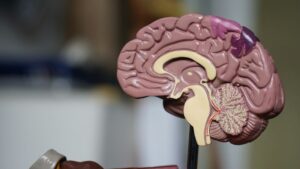
The field of neuroscience has revolutionized our understanding of mirror imaging through the discovery of mirror neurons. These specialized brain cells fire both when an individual performs an action and when they observe someone else performing that same action. This neural mechanism is believed to be the foundation of social cognition, allowing us to understand the intentions and emotions of others through a process of internal simulation. Researchers like Iacoboni (2009) have extensively studied how these neurons contribute to imitation and empathy, suggesting that our brains are “wired” to mirror the experiences of those around us, thereby facilitating social bonding and collective learning.
Through advanced neuroimaging techniques, scientists have been able to map the neural pathways involved in mirroring and mentalizing. Studies conducted by Ng and Maguire (2016) have explored how these pathways allow us to interpret complex social cues and predict the behavior of others. This research indicates that mirror imaging is not just a passive visual process but an active cognitive one that involves multiple regions of the brain working in concert. By understanding these mechanisms, researchers can gain insights into conditions where social mirroring is impaired, such as autism spectrum disorder, where the typical “mirroring” response may be diminished or absent.
The implications of this neurobiological research are vast, particularly in understanding how we learn through observation. The brain’s ability to mirror actions means that we can acquire new skills simply by watching others, a process known as observational learning. This has profound implications for education, sports training, and rehabilitation. By leveraging the brain’s natural tendency toward mirror imaging, we can develop more effective strategies for teaching and therapy. As our understanding of the neural basis of mirroring continues to grow, it opens up new possibilities for enhancing human connection and treating various cognitive and social impairments.
Diagnostic and Therapeutic Applications in Modern Medicine
In the medical field, mirror imaging has transitioned from a theoretical concept to a practical tool for diagnosis and treatment. Medical imaging technologies, such as MRI and CT scans, often rely on the principles of symmetry to identify abnormalities within the human body. By comparing an image of one side of an organ—such as the brain—to its mirrored counterpart, clinicians can detect subtle changes that might indicate the presence of brain tumors, strokes, or multiple sclerosis. This comparative analysis is crucial for early detection, as it allows doctors to spot deviations from the body’s natural bilateral symmetry long before symptoms become severe.
Beyond diagnostics, mirror imaging is also used in rehabilitative therapy, particularly for patients recovering from strokes or phantom limb pain. Mirror therapy involves using a mirror to create a visual illusion of a functioning limb, which can help “trick” the brain into reorganizing its neural pathways. For stroke victims, watching the reflection of their healthy limb move can stimulate the motor cortex associated with the affected limb, aiding in the recovery of movement. This innovative application of mirror imaging demonstrates how the brain’s reliance on visual feedback can be harnessed to promote physical healing and neuroplasticity.
The use of mirroring in medicine also extends to the study of bilateral symmetry in genetic and developmental disorders. Scientists examine how disruptions in the mirroring process during embryonic development can lead to congenital conditions. By understanding the molecular and cellular signals that govern mirroring, researchers hope to develop interventions that can prevent or mitigate these disorders. Overall, the integration of mirror imaging into clinical practice has significantly enhanced our ability to visualize the internal workings of the body and provides a non-invasive means of monitoring patient health and treatment progress.
Mirroring in Robotics and Computational Intelligence
The principles of mirror imaging are increasingly being applied to the field of robotics, where engineers strive to create machines that can interact naturally with humans. One of the primary goals in modern robotics is to develop systems that can mimic human behavior through imitation learning. By equipping robots with sensors and algorithms that allow them to “mirror” the movements of a human instructor, researchers can teach them complex tasks without the need for extensive manual programming. This bio-inspired approach to artificial intelligence relies on the same concepts of observation and replication that are found in human social learning.
In addition to physical mimicry, mirror imaging is used in the development of affective computing, where machines are designed to recognize and mirror human emotions. A robot that can mirror a user’s facial expressions or tone of voice can create a more engaging and empathetic interaction, which is particularly useful in healthcare and service industries. This form of technological mirroring helps to bridge the gap between human and machine, making the technology feel more intuitive and less “robotic.” The goal is to create a seamless feedback loop where the machine and the human are in sync, mirroring each other’s actions and intentions in real-time.
The challenges of implementing mirror imaging in robotics are significant, requiring advanced computer vision and sophisticated machine learning models. Robots must be able to accurately map the 3D movements of a human onto their own mechanical structure, a process that involves complex coordinate transformations. Despite these challenges, the potential benefits are immense. From surgical robots that mirror the precise movements of a surgeon to domestic robots that learn through observation, the application of mirror imaging is set to redefine our relationship with autonomous systems. As research progresses, we can expect to see robots that are not only more capable but also more socially integrated into our daily lives.
Comparative Psychology and Behavioral Observations
Mirror imaging also provides a fascinating window into comparative psychology, where researchers study the cognitive abilities of different species. One of the most famous experiments in this field is the “mirror test,” used to determine if an animal possesses self-awareness. While primates like chimpanzees and orangutans have passed this test, the results for other species are more varied. For instance, research by Kaminski, Call, and Fischer (2004) investigated word learning and cognitive mapping in domestic dogs, noting that while they are highly socially intelligent, their interaction with mirror images differs significantly from that of primates. This suggests that the capacity for mirror-based self-recognition may be a specialized trait linked to specific evolutionary pressures.
The study of mirroring in animals extends to social mimicry and collective behavior. Many species, from birds in a flock to fish in a school, utilize a form of behavioral mirroring to coordinate their movements and protect the group from predators. This synchronic behavior is essential for survival and demonstrates that mirroring is a deeply ingrained biological strategy. By observing these patterns, scientists can gain a better understanding of the evolutionary roots of social cognition and how mirroring functions as a survival mechanism in the natural world. This comparative approach helps to contextualize human mirroring within the broader spectrum of biological intelligence.
Furthermore, the investigation of how different species respond to mirrored stimuli can reveal insights into their sensory systems and brain structures. Some animals may view a mirror image as a rival, while others may ignore it entirely. These diverse reactions highlight the different ways in which brains process visual information and construct a sense of the external world. By comparing these responses across the animal kingdom, researchers can piece together the evolutionary history of the mirror neuron system and determine how it has been adapted to meet the unique needs of various species. This research continues to challenge our assumptions about what it means to be “self-aware.”
Future Trajectories in Mirroring Research
As we look to the future, the study of mirror imaging is poised to expand into new and exciting territories. With the advent of virtual reality (VR) and augmented reality (AR), researchers can now create immersive environments where the laws of mirror imaging can be manipulated. These technologies allow for the study of how the brain adapts to “broken” or altered reflections, providing new insights into perceptual plasticity. By systematically changing the way a user’s avatar mirrors their movements, scientists can explore the limits of the sense of agency and the malleability of the body schema. These findings could have profound implications for treating psychological disorders related to identity and body perception.
In the realm of social neuroscience, future research will likely focus on the role of mirroring in large-scale social phenomena, such as emotional contagion and the spread of ideas. Understanding how mirroring operates at a population level could help explain how social trends emerge and how collective moods are formed. This could lead to better strategies for managing public health crises or improving social cohesion in diverse communities. As we become more interconnected through digital media, the ways in which we mirror each other online—through “likes,” shares, and viral trends—represent a new frontier for mirror imaging research that combines psychology, sociology, and data science.
In conclusion, mirror imaging is a multifaceted phenomenon that touches upon every aspect of the human experience. From the ancient philosophical inquiries into the soul to the cutting-edge developments in robotics and neuroscience, the mirror remains a powerful tool for exploration and discovery. As research continues to advance, we will undoubtedly uncover new applications for mirror imaging that will enhance our health, our technology, and our understanding of ourselves. The journey from a simple reflection to a complex scientific construct illustrates the enduring power of the mirror to fascinate the human mind and drive intellectual progress across the centuries.
References
- Dijksterhuis, J. (2003). Mirror images: A study of self-recognition. Amsterdam: Elsevier.
- Fight Club. (1999). [Motion picture]. United States: Fox 2000 Pictures.
- Iacoboni, M. (2009). Imitation, empathy, and mirror neurons. Annual Review of Psychology, 60(1), 653–670. doi:10.1146/annurev.psych.60.110707.163543
- Kaminski, J., Call, J., & Fischer, J. (2004). Word learning in a domestic dog: Evidence for “fast mapping.” Science, 304(5677), 1682–1683. doi:10.1126/science.1094391
- Ng, K., & Maguire, E. A. (2016). The neural basis of mirroring and mentalizing. Trends in Cognitive Sciences, 20(2), 97–107. doi:10.1016/j.tics.2015.12.003