The Misinformation Effect: Why Your Brain Lies to You
Scientifically Reviewed · Dr. Marwa Abd-Alazim · September 20, 2026
Review Criteria & Clinical Standards
This content undergoes rigorous scientific peer-review and medical editorial standards at Arab Psychology Network to ensure clinical accuracy, validity, and compliance with evidence-based guidelines from leading psychological and healthcare authorities (APA / WHO).
The Misinformation Effect: Definition and Core Principles
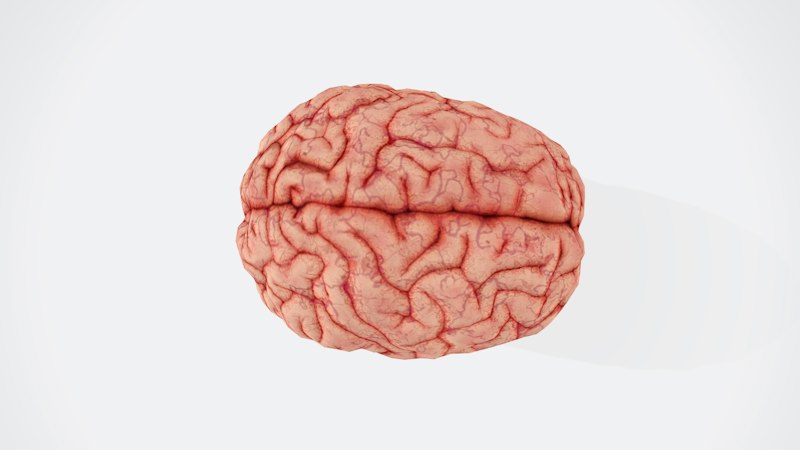
The misinformation effect represents a fundamental challenge to the notion of memory as a perfect recording device, highlighting the inherent malleability and reconstructive nature of human recollection. This robust cognitive phenomenon occurs when an individual’s memory of a past event is significantly influenced or altered by exposure to misleading or incorrect information presented subsequent to the event itself. Such post-event information is often subtle, ranging from leading questions posed during interviews to contradictory statements provided by co-witnesses or external reports, yet its impact can fundamentally reshape an individual’s subjective experience of the original memory trace. Understanding the psychological mechanisms underlying the misinformation effect is crucial for fields ranging from forensic psychology to cognitive neuroscience, as it underscores why memory retrieval is an active process of construction rather than passive playback.
Crucially, the misinformation effect is distinguished from simple memory decay or typical forgetting. Instead, it involves an active process where the new, potentially inaccurate information integrates seamlessly with the original memory representation, making it exceedingly difficult, if not impossible, for the individual to later discern which details were genuinely experienced and which were introduced externally. This integration often leads to high confidence in the false or altered memory, a factor that significantly complicates its identification and correction in real-world settings, such as legal investigations. The power of this effect is not limited to peripheral details of an event; research has consistently shown that exposure to misinformation can lead to the introduction of entirely novel, non-experienced elements into an individual’s memory, a process that forms the basis for extensive research into false memories.
The initial scientific demonstration and subsequent rigorous study of the misinformation effect solidified its place as a cornerstone of modern memory research. Cognitive psychologists utilize controlled laboratory settings to systematically introduce misleading post-event information (MPI) and then measure the subject’s subsequent recall accuracy regarding the original event. The classic experimental paradigm involves three key stages: first, participants witness an event, typically a simulated crime, accident, or complex scenario; second, they are exposed to MPI, often subtly embedded within a written narrative description or a rigorous questioning session; and third, they undergo a memory test where accuracy is compared against a control group that received no misinformation. The consistent finding across decades of research is that those exposed to MPI report details consistent with the misleading information, thereby illustrating the profound susceptibility of human memory to external influence and suggesting a deep vulnerability in the accuracy of human testimony.
Foundational Research and the Loftus and Palmer Paradigm
The pioneering work of Elizabeth Loftus and John Palmer in 1974 established the critical experimental foundation for studying the misinformation effect, particularly within the context of language and memory reconstruction. Their seminal study, titled “Reconstruction of Automobile Destruction: An Example of the Interaction between Language and Memory,” provided compelling evidence that the language used in questioning could dramatically alter a witness’s memory of a witnessed event. This research involved showing participants films of traffic accidents and subsequently asking them specific questions designed to manipulate their perception of the events, specifically focusing on the estimated speed of the vehicles involved. The linguistic manipulation lay in the verb used in the critical question regarding the accident’s intensity, demonstrating how subtle semantic cues can contaminate memory retrieval.
In the most famous variation of this foundational experiment, different groups of participants were asked, “About how fast were the cars going when they smashed into each other?” or alternative, less intense verbs such as hit, collided, bumped, or contacted. The results were remarkably clear: participants who received the emotionally charged and severe verb “smashed” provided significantly higher estimations of speed compared to those who received softer verbs like “contacted.” More critically, when these same participants were tested a week later, they were asked if they remembered seeing broken glass, an element that was entirely absent from the original film footage. Those in the “smashed” condition were significantly more likely to falsely recall seeing the non-existent broken glass. This demonstrated a powerful interaction where the post-event linguistic cue not only biased immediate numerical estimation but also actively integrated into the memory trace, altering subsequent retrieval of peripheral, non-experienced details.
The implications of the Loftus and Palmer findings were transformative, fundamentally shifting the psychological perspective on memory from a literal recording device to a highly constructive and dynamic process. This work highlighted that memory retrieval is not a passive playback function but rather an active reconstruction heavily influenced by context, expectation, and external input received after the initial encoding. This early research provided the necessary impetus for hundreds of subsequent studies aimed at elucidating the precise cognitive mechanisms by which misleading information operates, focusing particularly on factors such as the delay between the event and the misinformation exposure, the vividness or plausibility of the misinformation, and the individual differences in susceptibility among witnesses. The legacy of this research remains critical, directly influencing procedural reforms in police interviewing, court practices, and the general understanding of testimonial reliability.
Theoretical Debates: Memory Impairment versus Coexistence
The precise cognitive mechanism underlying the misinformation effect has been a primary source of theoretical debate within cognitive psychology, centering on the fate of the original memory trace following exposure to misleading information. The Memory Impairment Hypothesis, often associated with Loftus’s earlier work, posits that the post-event information actively overwrites, distorts, or merges with the original memory trace, effectively rendering the accurate, original details permanently inaccessible or eliminated. This theory suggests a genuine and irreversible memory alteration, where the new, inaccurate information fundamentally replaces the old, accurate information through processes like retroactive interference or reconsolidation errors, thereby leading to a true change in the stored representation.
Conversely, the Coexistence Hypothesis, supported by findings from studies utilizing specialized retrieval techniques, argues that the original memory trace remains intact but is temporarily overshadowed or rendered less available due to interference from the misleading information. According to this view, the misinformation acts as a highly salient and powerful competitor during retrieval. When subjects attempt to recall the event, they are more likely to retrieve the more recently processed misinformation because it is often presented closer in time to the retrieval attempt (a robust recency effect) or because it is perceived as more reliable, perhaps because it is linked to the source of the misinformation, which biases selection. Crucially, studies demonstrating that techniques designed to bypass the interference, such as providing context reinstatement cues or explicitly warning participants about potential misinformation, sometimes result in the recovery of the original details, lending strong evidence to the coexistence perspective.
A more integrative and widely accepted perspective incorporates the Source Monitoring Framework, arguing that the misinformation effect is fundamentally a failure of source memory—the ability to recall when, where, and how information was acquired. Individuals may successfully encode both the original event details and the later misinformation, but during retrieval, they struggle to accurately attribute the source of each detail. They might mistakenly attribute the details derived from the post-event narrative (the misinformation) to the actual experience of the event itself. This failure to differentiate sources is particularly likely when the misinformation is highly plausible, when the original memory trace has naturally faded due to time, or when the individual is under significant cognitive load, making the source monitoring approach a highly influential explanation for the effect’s pervasive nature and its resistance to simple correction.
The Role of Source Monitoring in Memory Errors
Source monitoring provides a critical theoretical lens through which to examine how the misinformation effect takes hold. The framework, developed by Marcia Johnson and colleagues, posits that memories are not stored with fixed, easily identifiable source tags; rather, individuals must engage in active, inferential processes at the time of retrieval to determine the origin of a particular memory content. These processes rely on assessing various qualitative characteristics of the memory, such as the amount of perceptual detail, the emotional intensity associated with the memory, or the cognitive operations required during its encoding. When an individual is exposed to misinformation, and this new information is integrated into the event memory, the memory features associated with the original event and the misinformation often become highly similar, leading to profound confusion regarding their respective origins.
For instance, if a witness genuinely sees a red backpack, but a subsequent news report mentions a blue backpack, the resulting memory might possess characteristics derived from both sources. If the misinformation (the blue backpack) was highly detailed, repeatedly discussed, or imagined vividly, its resulting memory representation might possess the rich qualitative features typically associated with an actual perceived event, making it incredibly difficult for the witness to determine if they actually saw blue or merely heard about it later. The failure to correctly attribute the source—a failure of source monitoring—leads directly to the manifestation of the misinformation effect, where the individual genuinely believes the misinformation is a recollection of the original experience. This highlights that the problem is often not one of complete loss of the original memory, but rather one of profound misattribution of the source.
Furthermore, the source monitoring framework effectively explains why certain types of misinformation are significantly more effective than others. Misinformation that is highly plausible, consistent with existing schema, or that is presented by a highly credible source (such as an authoritative figure, like a police officer or a medical professional) is more likely to be integrated and misattributed, as the individual relies on external cues of reliability when their internal memory cues are ambiguous. Research focusing on preventative strategies often attempts to bolster source monitoring ability, such as instructing witnesses to actively attend to and mentally tag the origin of every piece of information they recall. However, once the initial memory has been contaminated and the source error established, correcting the attribution proves exceedingly difficult, demonstrating the fragility of the source monitoring process in the face of contradictory or suggestive external input.
Misinformation in Eyewitness Testimony and the Legal System
The most immediate and high-stakes application of the misinformation effect lies in the realm of eyewitness testimony, where the accuracy of memory can directly determine legal outcomes, including issues of guilt and innocence. Given that eyewitness accounts often serve as powerful, primary evidence in criminal proceedings, the susceptibility of witnesses to post-event suggestion poses a severe and well-documented challenge to the integrity of the justice system. Sources of misinformation in legal settings are numerous, including suggestive or leading questions from police interviewers, interactions and discussions between co-witnesses, and inaccurate or biased media reporting, all of which can inadvertently contaminate a witness’s recollection, leading to the misidentification of suspects or fundamentally inaccurate accounts of critical details.
The vulnerability of eyewitnesses is significantly amplified by several factors inherent to the legal context. High stress and trauma experienced during the original event often impair initial encoding processes, resulting in a less detailed or more fragmented memory trace, which is consequently more susceptible to later modification and integration of external suggestions. Furthermore, traditional police interviewing techniques, particularly those involving iterative questioning or suggestive phrasing, constitute powerful forms of post-event information. Interviewers, sometimes unknowingly, may introduce details about the perpetrator’s appearance or the sequence of events that were not originally observed, often subtly reinforcing their own expectations.
When witnesses are later asked to recall the event, they may incorporate these suggested details, genuinely believing they witnessed them. The resulting testimony, though delivered with high confidence and sincerity, may be fundamentally flawed due to the pervasive influence of the misinformation effect. Recognition of the potential for grave miscarriages of justice caused by this phenomenon has spurred significant reform efforts within the legal and psychological communities. These reforms include the widespread implementation of specialized interviewing techniques, such as the Cognitive Interview, which aims to maximize accurate retrieval while strictly minimizing external suggestion, as well as guidelines regarding the immediate separation of co-witnesses and the use of strictly controlled, double-blind lineup procedures to mitigate the sources of post-event contamination and safeguard the accuracy of memory reports.
Impact on Clinical Diagnosis and Medical Decision Making
While frequently studied in legal and forensic contexts, the misinformation effect also has profound, though often overlooked, implications for clinical and medical settings, particularly concerning diagnostic processes, treatment planning, and the recall of patient histories. Medical diagnosis frequently relies on the assimilation of highly complex and sequential information, including initial patient complaints, objective observations, laboratory results, imaging data, and consultation feedback. The order, framing, and linguistic presentation of this information can subtly introduce post-event bias that significantly influences a clinician’s final judgment, mirroring the cognitive processes observed in classic memory contamination studies.
A systematic review and meta-analysis by Alldred, Gardner, and Koppel (2015) explicitly investigated the effect of post-event information on medical diagnostic decision making. In controlled experiments, participants, often medical professionals, were presented with complex medical case scenarios and asked to generate an initial diagnosis based on the presented data. They were subsequently exposed to contradictory post-event information—for instance, a consultation note suggesting an alternative, plausible diagnosis that conflicted with the objective initial data. The results demonstrated a clear susceptibility to the misinformation effect: participants were significantly more likely to alter their initial, accurate diagnosis in favor of the alternative suggested by the contradictory post-event information.
This diagnostic shift occurred even when the original objective data strongly supported the initial diagnosis, illustrating the power of framing, authority, and information sequencing in professional judgment. The consequences of the misinformation effect in medicine are severe, potentially leading to diagnostic errors, delays in treatment, or inappropriate treatment plans based on misinterpretation of patient history. Clinicians must constantly integrate new data, and if later information (e.g., a specialist’s opinion or a late-arriving test result) contradicts earlier findings, the way that new information is presented can bias the interpretation of the entire case history. This research emphatically underscores the need for procedural safeguards in clinical settings, such as structured diagnostic checklists, mandated documentation protocols, and formal debiasing training, to minimize the cognitive influence of sequential information bias and ensure that critical decisions are based on the objective totality of the evidence rather than the temporal order or psychological framing of the information presented.
The Link to False Memories and Imagination Inflation
The misinformation effect is intimately related to the generation of false memories—vivid recollections of events that never actually occurred. While the misinformation effect typically involves altering or corrupting details of a genuine experience, false memory research demonstrates that external suggestions or internal cognitive activity can implant entirely non-experienced events into an individual’s memory structure. The underlying cognitive mechanisms are often shared, relying on the same fundamental failures in source monitoring and the inherent constructive nature of memory retrieval, where the brain seeks to create a coherent narrative.
The concept of Imagination Inflation, a highly studied related phenomenon, illustrates this pathway powerfully. Imagination inflation refers to the finding that repeatedly imagining performing a specific action or experiencing a non-event significantly increases the participant’s confidence that they actually experienced that event in their past. Research, such as the seminal work by Garry, Manning, Loftus, and Sherman (1996), showed that participants who were asked to repeatedly imagine engaging in specific childhood activities, such as riding a bicycle or causing mischief, subsequently reported increased confidence that those events had actually happened to them. In this context, the act of detailed imagination functions as an internally generated form of misinformation, boosting the likelihood of forming a false memory.
This research underscores the crucial point that misinformation does not exclusively need to be provided by an external source, such as an interviewer or a news report; internal cognitive processes, such as vivid imagination, detailed rumination, or even dreaming, can act as powerful forms of post-event information, contaminating the boundary between objective reality and subjective fantasy. The critical implication for applied psychology is that techniques used in therapeutic or interview settings that encourage extensive visualization, guided imagery, or repeated recall of traumatic events must be approached with extreme caution, as they risk inadvertently creating or amplifying false memories that the individual will genuinely believe to be true. The link between the misinformation effect and imagination inflation confirms that the vulnerability of human memory is deeply rooted in its constructive nature, constantly seeking narrative coherence even at the expense of objective accuracy.
Mitigation Strategies and Conclusion
Given the pervasive influence and the potential for serious real-world consequences stemming from the misinformation effect, considerable research has been devoted to developing effective strategies for mitigation and prevention. These strategies generally fall into two broad categories: techniques applied during the initial encoding and retrieval phase to maximize accuracy, and procedural preventative measures designed to limit exposure to misleading information in the first place. One of the most effective retrieval strategies involves the use of the Cognitive Interview, a structured technique that employs empirically supported memory retrieval principles, such as context reinstatement, reporting everything (even partial details), and changing the retrieval order, specifically designed to maximize accurate recall while systematically avoiding leading or suggestive questions that constitute misinformation.
Furthermore, forewarning individuals about the potential for misinformation exposure—a process known as inoculation—can sometimes reduce susceptibility, particularly if the warning is given before the misleading information is encountered and if the warning is detailed and specific. However, once the misinformation has been processed and integrated into the memory trace, simply warning the individual about its potential inaccuracy often proves ineffective. Therefore, procedural changes are often the most reliable defense: these include ensuring that co-witnesses are immediately separated and instructed not to discuss the event before providing formal statements, and mandating that interviewers adhere strictly to non-suggestive, open-ended questioning protocols. These measures aim to create an environment that protects the integrity of the original memory trace from post-event contamination.
In conclusion, the misinformation effect is a powerful and ubiquitous cognitive phenomenon that profoundly impacts human perception and the reliability of memory. Rooted in the reconstructive nature of memory, it demonstrates unequivocally that recollections are fluid and highly susceptible to external and internal influence, rather than fixed recordings of reality. Through rigorous experimental work, including the foundational studies by Loftus and Palmer (1974) concerning eyewitness testimony, the clinical applications studied by Alldred et al. (2015) in medical diagnosis, and the connection to false memory formation highlighted by Garry et al. (1996), cognitive psychology has developed a deep and comprehensive understanding of how post-event information can distort or invent memories. These findings carry critical implications for the legal system, clinical practice, and the fundamental philosophical understanding of memory itself, urging continuous vigilance in all contexts where testimonial accuracy is paramount.