Morsicatio Buccarum: Stop the Cycle of Chronic Cheek Biting
Scientifically Reviewed · Dr. Marwa Abd-Alazim · October 22, 2026
Review Criteria & Clinical Standards
This content undergoes rigorous scientific peer-review and medical editorial standards at Arab Psychology Network to ensure clinical accuracy, validity, and compliance with evidence-based guidelines from leading psychological and healthcare authorities (APA / WHO).
The Core Definition and Mechanism of Morsicatio Buccarum
Morsicatio Buccarum is a Latin term translating literally to “biting of the cheeks,” and it refers to the chronic, habitual, and often involuntary chewing or biting of the internal lining of the cheeks, known as the buccal mucosa. This condition is classified as a type of Body-Focused Repetitive Behavior (BFRB), a category of disorders characterized by repetitive self-grooming or self-destructive actions that result in physical damage. While occasional, accidental cheek biting is common, Morsicatio Buccarum involves persistent biting or sucking of the cheek tissue, leading to visible tissue changes, irritation, and sometimes painful lesions, significantly differentiating it from simple, transient habits. The behavior often provides a temporary sense of relief or satisfaction to the individual, even though they may recognize the long-term damage they are inflicting.
The fundamental mechanism driving this compulsion is complex, often rooted in an attempt to regulate emotional states. Individuals frequently report that the behavior intensifies during periods of heightened stress, anxiety, or boredom. The repetitive action serves as a coping mechanism, diverting attention from internal distress or providing sensory stimulation during monotony. This process is frequently performed unconsciously, becoming automated over time, particularly while the individual is engaged in other activities such as reading, watching television, or driving. Physiologically, the constant trauma causes thickening and keratinization of the oral mucosa, resulting in characteristic clinical signs that aid in diagnosis, such as white, shredded, or macerated patches on the affected area.
Furthermore, the mechanism often involves a cyclical pattern of tension and release. Before engaging in the behavior, the individual might feel an overwhelming urge or increasing tension. The act of biting releases this tension, providing immediate gratification or comfort. However, this relief is often followed by feelings of guilt, shame, or self-consciousness regarding the physical damage, which can, in turn, increase anxiety and perpetuate the cycle, reinforcing the compulsive nature of the disorder. It is crucial to distinguish this condition from other oral lesions, as the diagnosis relies heavily on the self-inflicted, chronic nature of the trauma rather than an underlying pathology or infection.
Historical Context and Classification
While the act of cheek biting has likely existed throughout human history, its formal recognition and classification within the realm of psychology and dermatology are relatively modern. Morsicatio Buccarum was historically studied primarily within oral medicine, where clinicians needed to differentiate the resulting lesions from other oral mucosal pathologies, such as leukoplakia or candidiasis. The definitive shift occurred when researchers began to categorize repetitive self-mutilating habits not just as physical symptoms, but as manifestations of underlying psychological distress or impulse control issues.
The contemporary understanding of Morsicatio Buccarum places it squarely within the spectrum of Body-Focused Repetitive Behaviors (BFRBs). This categorization gained significant traction in the late 20th and early 21st centuries as psychologists developed standardized diagnostic criteria for related disorders like Trichotillomania (hair pulling) and Dermatillomania (skin picking). Although Morsicatio Buccarum is not explicitly listed as a standalone diagnosis in the current edition of the Diagnostic and Statistical Manual of Mental Disorders (DSM-5), it is recognized under the broader category of “Other Specified Obsessive-Compulsive and Related Disorders,” specifically grouped with BFRBs not otherwise specified. This clinical classification highlights the strong connection between the behavior and impulse control, anxiety, and obsessive-compulsive traits.
Key researchers in the field of BFRBs, such as those focusing on impulse control disorders, helped establish the criteria that define these conditions: the repetitive nature of the behavior, the difficulty in stopping or reducing the behavior despite conscious effort, and the resulting physical damage or functional impairment. This historical trajectory moved Morsicatio Buccarum from being viewed merely as a localized physical habit to being understood as a behavioral disorder with significant neurological and psychological underpinnings. This shift was vital for developing effective therapeutic interventions that address the underlying cognitive and emotional drivers rather than focusing solely on the physical symptom.
Clinical Presentation and Associated Factors
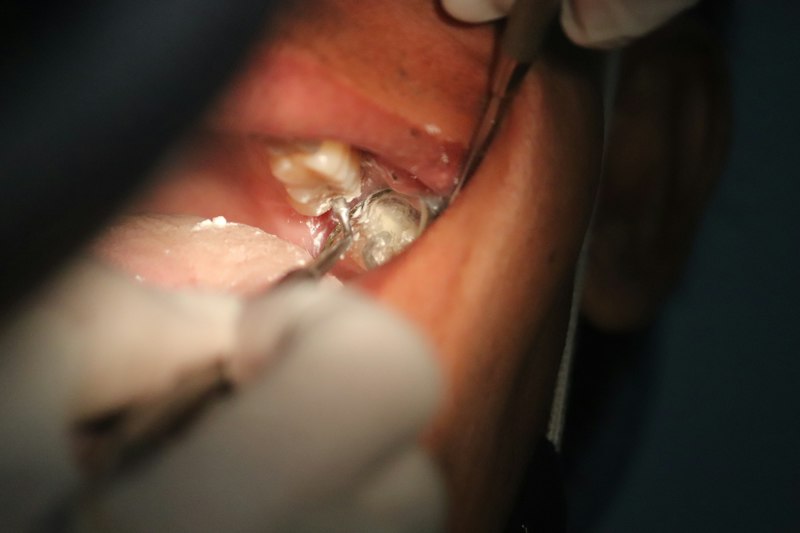
The clinical presentation of Morsicatio Buccarum is highly distinctive and easily recognizable by dental and medical professionals, though the patient may not always be consciously aware of the extent of the damage. The most common physical manifestation is the appearance of white, ragged, or shredded patches, typically bilateral, on the inner cheek lining along the line of occlusion. This is due to the repetitive trauma causing hyperkeratinization and edema of the buccal tissue. The affected area often looks uneven or ‘shaggy,’ sometimes resembling cotton candy or a persistent, localized leukoedema, but unlike true leukoedema, the lesions of Morsicatio Buccarum cannot be scraped off.
Psychological factors are inextricably linked to the onset and persistence of this condition. High levels of generalized anxiety, obsessive-compulsive traits, and significant life stressors are often reported antecedents to the compulsive biting behavior. For some individuals, the behavior is primarily focused on texture; they may feel compelled to bite or smooth out an existing irregularity on the cheek lining, only to create a new, rougher texture that subsequently drives further biting. This continuous loop makes the habit exceptionally difficult to break without targeted intervention.
Furthermore, the condition shows correlations with other addictive or compulsive behaviors. Studies have indicated that individuals who struggle with one form of BFRB are often predisposed to others. For example, a person with Morsicatio Buccarum may also exhibit mild forms of nail-biting (onychophagia) or skin picking (dermatillomania). These associated factors underscore the common underlying vulnerability related to emotional regulation and impulse control. Understanding these correlations is essential for a holistic treatment approach, ensuring that all related compulsive tendencies are addressed simultaneously to achieve lasting behavioral change.
A Practical Real-World Example
Consider the case of “Sarah,” a university student facing intense pressure to complete her final thesis while simultaneously working a part-time job. Sarah has always been prone to mild anxiety, but during the stressful examination period, she finds herself biting the inside of her cheeks almost constantly. Initially, she noticed a small, rough patch of tissue in her mouth after accidentally biting it while talking. Instead of allowing it to heal, the rough texture became a fixation.
The application of Morsicatio Buccarum principles in Sarah’s scenario follows a clear, predictable sequence. First, the Trigger: The intense stress and pressure of the thesis deadline create a state of internal tension and restlessness. Second, the Compulsion/Behavior: Unconsciously, while sitting at her computer struggling with writer’s block, Sarah begins to chew and suck on the already irritated buccal tissue. This action is not aimed at chewing food but at manipulating the tissue. Third, the Temporary Relief: For a few moments, the physical sensation of biting and the focus on the oral texture distract her from the overwhelming anxiety about her thesis, providing a momentary release of tension. Fourth, the Consequence and Reinforcement: The biting creates a larger, rougher patch of tissue, which now feels even more “wrong” or irregular in her mouth. This irregularity then serves as the next trigger, compelling her to “fix” or smooth the area by biting it again, thus reinforcing the destructive cycle.
In this practical example, the behavior is clearly linked not to hunger or an oral health issue, but to emotional regulation. Sarah is not consciously deciding to harm herself; rather, the behavior has become an entrenched, automatic response to internal discomfort. When she eventually notices the painful, swollen area and the white, macerated tissue, she feels shame, which further exacerbates her underlying stress, proving how the disorder is self-perpetuating and requires awareness and intentional interruption strategies to manage effectively.
Significance and Therapeutic Impact
Morsicatio Buccarum holds significant importance within clinical psychology and dentistry, primarily because of its role as a diagnostic marker and its impact on the patient’s quality of life. For dentists, recognizing the distinct lesions caused by chronic self-trauma is vital for making a correct differential diagnosis, preventing unnecessary and invasive procedures that might be considered if the lesions were mistaken for pre-cancerous conditions like leukoplakia or infectious processes. A simple, careful history revealing the repetitive habit often provides the definitive diagnosis, thereby saving the patient considerable distress and expense.
For psychology, the concept highlights the broad spectrum of BFRBs and their treatability through behavioral modification techniques. The most impactful intervention for Morsicatio Buccarum is generally Cognitive Behavioral Therapy (CBT), often incorporating a specific technique called Habit Reversal Training (HRT). HRT is highly effective because it directly addresses the unconscious nature of the behavior. This training involves three main components: awareness training (helping the patient recognize the exact moments, contexts, and feelings that precede the biting), competing response training (teaching the patient to substitute the biting behavior with a harmless, less noticeable action, such as gently clenching the jaw or placing the tongue against the teeth), and social support.
The successful application of HRT demonstrates that these compulsive behaviors are learned responses that can be unlearned through systematic effort and environmental awareness. Furthermore, treating Morsicatio Buccarum often involves addressing the underlying anxiety or stress that fuels the compulsion. By reducing generalized psychological distress through standard CBT techniques or medication, the frequency and intensity of the BFRB typically decrease, proving the interconnectedness of physical manifestation and emotional well-being. The significance of understanding this condition lies in offering patients a clear, non-judgmental pathway toward recovery and reducing the physical risks associated with chronic oral trauma.
Connections to Related Psychological Concepts
Morsicatio Buccarum is not an isolated phenomenon; it shares deep conceptual and etiological connections with several other key psychological terms, placing it firmly within the category of Obsessive-Compulsive Related Disorders (OCRDs). The most obvious connections are to other Body-Focused Repetitive Behaviors (BFRBs). Specifically, it is conceptually linked to Trichotillomania (compulsive hair pulling) and Dermatillomania (compulsive skin picking). All three share the core features of repetitive self-directed actions resulting in physical damage, significant distress, and repeated, failed attempts to stop the behavior. These disorders often co-occur in the same individuals, suggesting a common underlying genetic or neurological vulnerability related to impulse control and sensory processing.
Furthermore, the condition relates to general theories of habit formation and classical conditioning. The initial accidental bite (unconditioned stimulus) might cause a small irregularity, which then becomes a conditioned stimulus leading to the repetitive behavior. The momentary tension relief acts as a strong positive reinforcer, solidifying the habit loop. This perspective connects Morsicatio Buccarum to broader behaviorist principles, explaining why HRT, which focuses on breaking the conditioned response, is so effective.
Finally, Morsicatio Buccarum is categorized under the broader field of Clinical Psychology and specifically within the subfield dealing with Impulse Control Disorders and Anxiety Disorders. While the physical manifestation is oral, the root cause is behavioral and emotional dysregulation. Therefore, its study contributes to the understanding of how internal psychological states are externalized through repetitive, sometimes self-injurious, actions. The compulsion to engage in the behavior despite the known negative consequences is the hallmark that links it to the broader spectrum of impulse control challenges faced by individuals.