Morsicatio Labiorum: The Hidden Psychology of Lip Arousal
Scientifically Reviewed · Dr. Marwa Abd-Alazim · August 25, 2026
Review Criteria & Clinical Standards
This content undergoes rigorous scientific peer-review and medical editorial standards at Arab Psychology Network to ensure clinical accuracy, validity, and compliance with evidence-based guidelines from leading psychological and healthcare authorities (APA / WHO).
MORSICATIO LABIORUM LIP EROTICISM: Definition and Scope
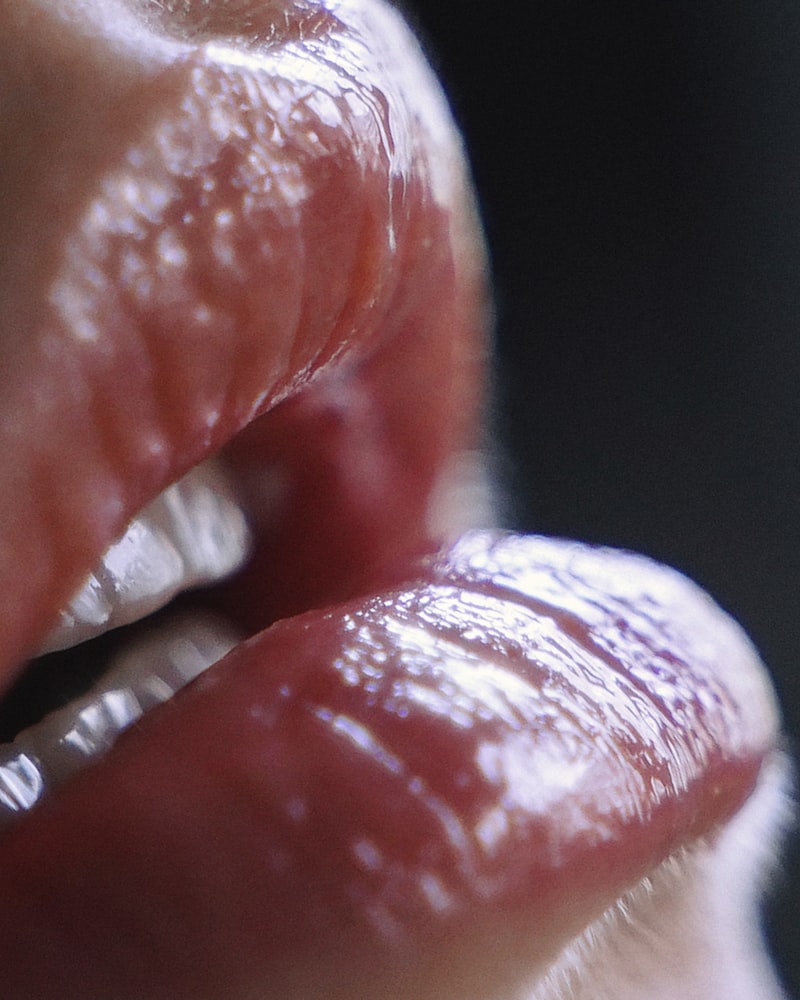
The concept of Morsicatio Labiorum Lip Eroticism serves as the definitive, clinical umbrella term employed within sexology and psychological discourse to describe the complex phenomenon where the lips are utilized as the principal or necessary means for obtaining sexual arousal, gratification, or satisfaction. Achieving sexual fulfillment through focused attention upon or manipulation of one’s own or a partner’s labial structures is thus defined by this nomenclature. This erotic focus encompasses a vast spectrum of behaviors, ranging from the universally recognized act of passionate kissing to more specific, intense manipulations, including sucking, licking, and the eponymous element of biting or intense friction, which the term morsicatio specifically denotes. It is essential to recognize that while lip contact is a fundamental component of human intimacy and affection across cultures, this classification specifically addresses those instances where the lip focus becomes sufficiently intense or central to constitute a primary erogenous zone, often superseding other forms of tactile or genital stimulation for the achievement of climax or profound sexual excitement.
Understanding the significance of Lip Eroticism necessitates an appreciation for the unique neurobiological and psychological positioning of the oral cavity. The lips themselves are densely packed with highly sensitive nerve endings, making them one of the most responsive erogenous zones on the human body, capable of transmitting intricate sensory data that contributes profoundly to the affective and physiological components of desire. Furthermore, the intimacy inherent in direct lip contact fosters powerful psychological connections, linking the behavior not merely to physical sensation but also to trust, vulnerability, and emotional bonding. When this focus elevates to the level described by Morsicatio Labiorum, the emphasis shifts toward the intensity of sensation—often involving the controlled infliction or reception of minor pain or pressure—that enhances the overall experience of sexual release. This specific focus must be analyzed through both developmental lenses, considering its roots in early psychoanalytic theory, and contemporary behavioral science, which seeks to differentiate normative sexual preferences from potentially compulsive or injurious fixations.
The application of this term is not intended to pathologize standard sexual interactions; rather, it provides a structured framework for examining the intense, sometimes exclusive, reliance on labial stimulation for sexual function. When the behavior becomes obligatory—meaning other forms of stimulation are insufficient or ineffective—or involves compulsive self-injury (lip biting independent of sexual context, sometimes known as Morsicatio buccarum, although usually focused on the cheeks), it crosses the line into clinical consideration. Therefore, while the core definition remains simple—the use of lips for sexual gratification—its psychological implications are deeply interwoven with concepts of control, sensation threshold, and early object relations, requiring careful delineation within the specialized literature of human sexuality.
Historical and Clinical Context in Sexology
The formal consideration of lip eroticism and related oral fixations traces its origins back to the foundational works of classical sexologists during the late 19th and early 20th centuries. Figures such as Richard von Krafft-Ebing and Havelock Ellis meticulously documented the wide array of human sexual expression, often cataloging behaviors that deviated from the narrow societal norms of the time. In these early texts, specific attention to the lips as a distinct erogenous focus was often subsumed under the broader category of oral paraphilia or grouped alongside other forms of tactile sadism or masochism, particularly when the component of biting (morsicatio) was prominent. Krafft-Ebing, in particular, often viewed intense forms of sexual behavior involving pain or friction as manifestations of underlying psychopathology, labeling them as deviations from procreative norms, which shaped the initial clinical perception of intensely focused lip stimulation.
Later clinical perspectives, influenced significantly by Sigmund Freud’s psychoanalytic theories, reframed the understanding of lip-based arousal. While Freud did not coin the specific term Morsicatio Labiorum, his emphasis on the oral stage of development provided the theoretical infrastructure for understanding why the mouth and lips retain such potent sexual energy into adulthood. Clinicians began to interpret adult reliance on oral and lip stimulation as a potential persistence or regression to these primary infantile zones of pleasure seeking, particularly concerning behaviors related to sucking, chewing, or biting. This developmental framework provided a non-pathological explanation for many instances of lip eroticism, viewing them as natural variations in the expression of libido rather than necessarily pathological fixations, unless the behavior was destructive or compulsive to the detriment of the individual or their relationships.
In contemporary sexological practice, the term Lip Eroticism is largely descriptive, helping to classify the specific focus of a person’s erotic interest. Modern diagnostic manuals, such as the DSM (Diagnostic and Statistical Manual of Mental Disorders), typically reserve specific diagnostic codes for sexual behaviors only when they involve non-consensual acts, cause significant distress or impairment to the individual, or rely exclusively on highly atypical stimuli for arousal. Therefore, while the intense behaviors implied by Morsicatio Labiorum are recognized as specific manifestations of sexual interest, they are generally not classified as a distinct paraphilic disorder unless they meet the criteria for fixation, compulsion, and resultant functional impairment. This nuanced clinical approach recognizes the validity of diverse erotic preferences while maintaining safeguards against behaviors that are genuinely harmful or distressing.
The Physiology of Lip Eroticism
The profound capacity of the lips to function as a primary erogenous zone is fundamentally rooted in their sophisticated neurological architecture. The lips are composed of delicate mucous membranes and possess an extraordinarily high density of various sensory receptors, particularly mechanoreceptors, which are specialized nerve endings sensitive to pressure, vibration, and texture. This dense innervation allows the lips to register subtle changes in touch with extreme precision, a sensitivity that is crucial not only for feeding and speech articulation but also for sexual stimulation. This rich sensory feedback loop ensures that even minor manipulation—a light suck, a gentle pressure, or the friction of a bite—is immediately translated into a powerful stream of neurological data.
Furthermore, the representation of the lips within the somatosensory cortex of the brain is disproportionately large compared to their physical size, a phenomenon often illustrated by the cortical homunculus. This extensive cortical mapping means that input originating from the lips occupies a significant amount of processing power in the brain, ensuring that sensations registered there receive heightened attention and are profoundly integrated into the overall experience of pleasure. When coupled with sexual arousal, this sensory input triggers the release of key neurochemicals. Specifically, kissing and intense lip contact are known to elevate levels of oxytocin (the bonding hormone) and dopamine (associated with pleasure and reward), creating a highly reinforcing cycle that links labial stimulation directly to feelings of intimacy, euphoria, and sexual satisfaction.
The physiological actions inherent in Morsicatio Labiorum, such as sucking and biting, also involve muscular engagement and the controlled application of force, which adds another layer to the physiological response. The introduction of minor, controlled pain or friction stimulates the release of endorphins, the body’s natural painkillers, which can paradoxically heighten the feeling of pleasure and excitement. For individuals whose erotic template specifically involves this element of pressure or friction, the sensation moves beyond simple pleasure, incorporating elements of power, surrender, and intensity that are essential for their gratification. This blending of intense sensory input, neurochemical reward, and the mild rush associated with controlled discomfort establishes the lips as a powerful and multifaceted focal point for erotic energy.
Manifestations and Behavioral Spectrum
The behavioral manifestations associated with Morsicatio Labiorum Lip Eroticism exist along a broad continuum, reflecting diverse levels of intensity, focus, and intent. At the most common and universally accepted end of the spectrum is passionate kissing, which involves deep tongue contact, suction, and varying degrees of pressure. This standard behavior, while often a precursor to or accompaniment of intercourse, already highlights the lips’ role as an independent source of erotic pleasure and intimate communication. However, the spectrum extends significantly when the focus shifts exclusively or primarily to the lips as the source of climax.
Moving toward more intense manifestations, the behaviors often align more closely with the literal translation of morsicatio. These involve active sucking, often sustained and rhythmic, sometimes focused specifically on the inner mucosal areas; licking, involving the deliberate use of the tongue on the partner’s lips or surrounding facial areas; and, crucially, biting. Sexual biting, when focused on the lips, is typically a controlled action—a form of “love bite”—that stops short of causing significant injury but is intense enough to create a sharp sensation that enhances arousal. For some individuals, this application of pressure and mild pain is integral to achieving the desired level of excitement, acting as a powerful sensory anchor for the sexual experience.
It is also important to note the distinction between lip-focused behaviors directed toward a partner and those directed toward oneself. While the standard definition of Morsicatio Labiorum implies dyadic interaction, some individuals may incorporate self-stimulation of the lips (intense sucking or chewing) into their masturbatory practices or as a means of building arousal. Furthermore, the erotic focus may extend beyond the standard application to the partner’s lips, encompassing the use of the lips and mouth on other parts of the body, blurring the lines with general oral eroticism, yet retaining the foundational emphasis on the sensitivity and specific manipulation techniques associated with labial focus. Understanding these diverse manifestations requires recognizing that the behavior is context-dependent, ranging from culturally acceptable forms of foreplay to highly specific, negotiated acts of sexual expression.
Psychoanalytic and Developmental Perspectives
From a psychoanalytic viewpoint, the intensity surrounding Morsicatio Labiorum Lip Eroticism is frequently interpreted through the lens of early psychological development, specifically rooted in the Oral Stage, the first phase of psychosexual development articulated by Sigmund Freud. This stage, spanning roughly from birth to eighteen months, centers the child’s pleasure-seeking and exploratory drives entirely around the mouth, involving activities like sucking, feeding, and teething (biting). The oral cavity is the primary means of interacting with the world, establishing the initial bonds of trust and pleasure.
According to classic Freudian theory, if an individual experiences unresolved conflicts, excessive gratification, or severe deprivation during this crucial oral stage, they may develop an oral fixation in adulthood. This fixation manifests as a persistent tendency to seek pleasure through oral activities. While this can present in non-sexual ways (e.g., compulsive eating, smoking, nail-biting), in the context of sexuality, it translates directly into a pronounced reliance on oral and lip-based stimulation for gratification. Morsicatio Labiorum, particularly the element of biting or strong sucking, can thus be seen as an adult reenactment of the aggressive or incorporative phases of the infant’s interaction with the mother/primary caregiver, linking intense oral activity to fundamental feelings of security and pleasure.
Moreover, object relations theory further informs this perspective, viewing the lips and the act of kissing or sucking as fundamental components in the development of intimate relationships. The mouth is the initial point of contact with the external world and the first site of shared intimacy. In adult sexual relationships, highly focused lip eroticism can therefore symbolize a return to this foundational, primal state of connection and merger. The intensity of Morsicatio Labiorum might represent a powerful, often unconscious, effort to achieve profound connection or control within the intimate dyad, using the highly charged sensory input of the lips to manage anxiety or achieve a desired state of relational proximity. The developmental significance highlights that this erotic focus is rarely purely physical; it is deeply interwoven with early established patterns of intimacy and need fulfillment.
Cultural and Societal Significance
The cultural interpretation and societal visibility of the lips and lip contact profoundly influence the expression and perception of Morsicatio Labiorum Lip Eroticism. Across human societies, the lips serve as one of the most potent symbols of desire, communication, and vulnerability. In Western cultures, the kiss—the mildest form of lip eroticism—is universally recognized as the primary marker of romantic affection and sexual interest, often acting as the symbolic threshold crossing from platonic to intimate relationship status. This cultural elevation of the lips reinforces their status as a key erogenous zone.
However, the acceptance of the more intense behaviors implied by Morsicatio Labiorum, particularly biting and aggressive sucking, varies significantly. While the “love bite” or intense kissing that leaves marks is often romanticized in modern media and understood within the context of passionate sexual expression, excessive or non-consensual biting is immediately categorized as violence or assault. The negotiation of intensity is paramount, and cultural acceptance often depends on whether the behavior is perceived as a playful, consented enhancement of pleasure or an uncontrolled, aggressive act. In many subcultures, such as those involved in BDSM or kink practices, the application of controlled pain or intense friction to the lips is explicitly negotiated and utilized as a form of powerful sexual exchange, further highlighting the agreed-upon nature of intense lip eroticism within certain contexts.
Furthermore, the lips are a dominant feature in aesthetic standards and the cosmetic industry, where augmentation and modification are common practices intended to enhance sexual appeal. This societal obsession reinforces the inherent erotic charge of the labial region, making it a focal point for both attraction and sexual interest. The attention given to the lips in art, cinema, and literature—where they frequently signify forbidden desire or profound sensuality—constantly reinforces their erotic status. Consequently, the individual whose erotic focus centers on Morsicatio Labiorum operates within a cultural framework that already imbues the lips with heightened sexual significance, lending powerful symbolic weight to their specific preference for intense labial contact.
Differentiation from Oral Fixation and Pathology
A critical distinction must be drawn between normative sexual preference for lip stimulation, a generalized oral fixation, and a clinically recognized paraphilia. The key differentiating factor lies in the degree of compulsion, the exclusivity of the focus, and the resultant level of distress or functional impairment. Many individuals enjoy intense lip-based contact, yet this is merely one aspect of a varied sexual repertoire; this is not considered pathological. Oral Fixation, in the broad psychoanalytic sense, refers to an enduring psychological dependency on oral activity, encompassing non-sexual behaviors like chewing gum, nail-biting (onychophagia), or compulsive eating, which may or may not translate into exclusive sexual preference.
The criteria for classifying Morsicatio Labiorum Lip Eroticism as a disorder or paraphilia are exceedingly strict within modern diagnostic frameworks. The behavior must generally meet the following conditions:
- The erotic focus on the lips or associated behaviors (biting, sucking) is intense, persistent, and recurrent.
- The individual requires this specific focus for sexual arousal or gratification to the exclusion of other typical sexual acts (exclusivity).
- The behavior causes clinically significant distress or impairment in social, occupational, or other important areas of functioning (e.g., repeated non-consensual injury, relationship breakdown due to compulsion).
If the behavior is merely a preferred, consensual, and enjoyable component of a healthy sexual relationship, it remains firmly outside the realm of pathology. The term becomes clinically relevant primarily when the morsicatio component is directed toward oneself compulsively outside of a sexual context (leading to self-mutilation or injury, sometimes overlapping with Body-Focused Repetitive Behaviors or BFRBs) or when it is non-consensual and injurious to a partner. Thus, the distinction hinges not on the existence of the preference, but on the capacity for control and the impact on well-being.
Therapeutic and Counseling Considerations
Therapeutic intervention concerning Morsicatio Labiorum Lip Eroticism is typically sought only under specific circumstances, primarily when the individual experiences distress due to compulsion, when the behaviors (especially biting) lead to injury or conflict in a relationship, or when the focus is so exclusive that it prevents healthy sexual function. Counseling goals are generally centered on promoting communication, establishing boundaries, and managing compulsive impulses rather than eliminating the preference itself.
For couples where intense lip eroticism, particularly biting, is a point of contention, sex therapy focuses intensely on negotiation and consent. Therapists guide partners in clearly articulating limits, discussing the desired intensity and duration of the stimulus, and establishing safety words or signals to ensure that the morsicatio remains within the bounds of consensual, non-injurious play. Techniques borrowed from BDSM relationship counseling are often employed to ensure both partners feel safe and respected while exploring intense forms of physical intimacy.
If the behavior exhibits compulsive or addictive qualities, or if the individual engages in non-sexual, self-injurious lip biting (BFRB), approaches utilizing Cognitive Behavioral Therapy (CBT) or Habit Reversal Training (HRT) may be employed. These methods focus on identifying triggers, developing competing responses, and challenging the cognitive distortions that perpetuate the compulsive cycle. Ultimately, the therapeutic approach is highly individualized, recognizing that for most people, the preference for intense lip stimulation is a normal variation of sexual expression, requiring support only when it compromises health, autonomy, or relational stability.