Motor Neuron Disease: Navigating the Loss of Control
Scientifically Reviewed · Dr. Marwa Abd-Alazim · September 21, 2026
Review Criteria & Clinical Standards
This content undergoes rigorous scientific peer-review and medical editorial standards at Arab Psychology Network to ensure clinical accuracy, validity, and compliance with evidence-based guidelines from leading psychological and healthcare authorities (APA / WHO).
Overview and Pathological Framework of Motor Neuron Disease
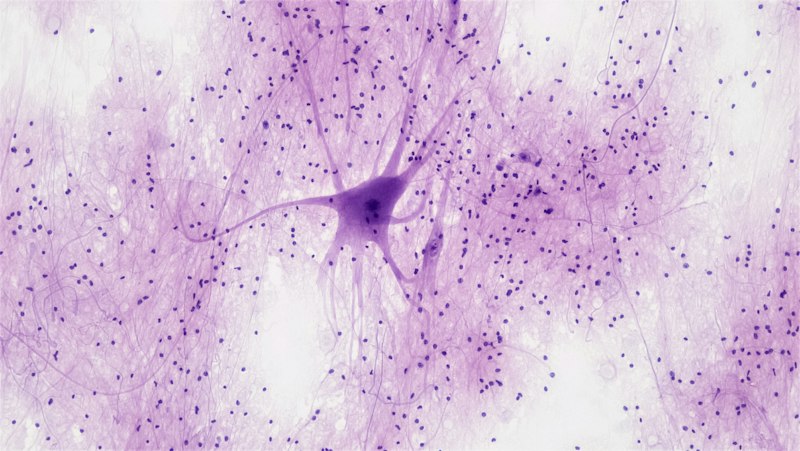
Motor Neuron Disease (MND) represents a complex and devastating cluster of neurological conditions characterized by the rapid and relentless degeneration of motor neurons. These specialized nerve cells are the primary conduits for signaling between the brain, the spinal cord, and the skeletal muscles throughout the body. When these neurons fail, the essential communication required for voluntary muscle movement is severed. Consequently, the brain loses its ability to initiate and control muscle actions, leading to a profound impact on the individual’s physical autonomy and overall physiological stability. The hallmark of this condition is its progressive nature, where the initial symptoms of mild weakness eventually evolve into comprehensive paralysis.
The underlying pathology of Motor Neuron Disease involves the systematic wasting of muscle tissue, a process clinically referred to as atrophy. As the motor neurons undergo neurodegeneration, they can no longer provide the necessary stimulation to the muscles they innervate. Deprived of these vital electrical impulses, the muscles begin to shrink and weaken over time. This deterioration is not localized; rather, it typically spreads from one region of the body to another, eventually affecting the muscles responsible for critical life functions such as breathing and swallowing. The terminal stage of the disease is often reached when the respiratory muscles are no longer capable of maintaining sufficient ventilation, leading to fatal outcomes.
Understanding the severity of Motor Neuron Disease requires an appreciation of its impact on the central nervous system. The disease targets both the upper motor neurons, located in the motor cortex of the brain, and the lower motor neurons, situated in the brainstem and the spinal cord. The destruction of these pathways creates a disconnect that is irreversible given the current limitations of medical science. Because the disease is rapidly progressive, the window between the onset of symptoms and significant disability is often tragically narrow, placing an immense burden on patients, caregivers, and the healthcare systems tasked with managing their complex needs.
Epidemiological Trends and Statistical Prevalence
In the context of global health, Motor Neuron Disease is classified as a rare condition, yet its impact is disproportionately severe relative to its prevalence. Statistical data indicates that approximately 3 to 4 individuals per 100,000 people are affected by MND each year within the United States. This data, corroborated by the National Institute of Neurological Disorders and Stroke (2020), highlights the niche but critical challenge the disease poses to the field of neurology. While the numbers may seem low in comparison to more common chronic illnesses, the high mortality rate and the intensity of required care make it a significant focus of public health research and clinical specialization.
The epidemiological profile of Motor Neuron Disease suggests that while it can affect individuals across a broad spectrum of demographics, certain patterns of incidence have been observed. The rarity of the condition often complicates early statistical analysis and the identification of regional clusters. However, the consistent reporting of 3-4 cases per 100,000 provides a baseline for understanding the scope of the disease in developed nations. Ongoing surveillance is essential for determining whether environmental shifts or changes in diagnostic precision are altering the documented prevalence and incidence rates over time.
Furthermore, the rare condition status of MND necessitates specialized centers of excellence for treatment and study. Because the average general practitioner may only encounter a handful of cases in their entire career, the concentration of epidemiological data in specialized research institutions is vital. These organizations track the progression and outcomes of the 3-4 per 100,000 affected individuals to better understand the trajectory of the disease and to identify potential correlations between patient demographics and the speed of progressive muscle wasting. This data serves as the foundation for resource allocation and the development of clinical trials aimed at addressing the unmet needs of the MND community.
Genetic Foundations and the Role of SOD1
The etiology of Motor Neuron Disease is multifaceted, involving a complex interplay between genetic factors and external influences. One of the most significant breakthroughs in the study of MND genetics was the identification of mutations in the SOD1 gene. This gene is responsible for producing the superoxide dismutase enzyme, which plays a crucial role in protecting cells from oxidative stress. Mutations in SOD1 are frequently observed in specific forms of the disease, particularly in familial cases. These genetic abnormalities lead to the production of toxic proteins that contribute directly to the death of motor neurons in the brain and spinal cord.
Despite the importance of the SOD1 mutation, it is critical to note that genetic markers are not present in every patient diagnosed with MND. The disease exhibits high levels of genetic heterogeneity, meaning that different genetic mutations can lead to similar clinical presentations. While some patients may carry a clear hereditary link, many cases are classified as sporadic, occurring in individuals with no prior family history of the condition. This suggests that while genetics provide a vital piece of the puzzle, they are not the sole determinant of who will develop the disease, pointing toward a more nuanced cause that involves other biological triggers.
Research into the genetic factors of MND continues to expand as scientists look beyond SOD1 to identify other potential markers. The study of these mutations provides essential insights into the molecular pathways that lead to neurodegeneration. By understanding how these genetic defects disrupt cellular function, researchers hope to develop targeted therapies that can bypass or repair the damaged processes. However, because these mutations are not universal across all MND cases, the search for a singular cause remains one of the most significant challenges in modern neurology.
Environmental and Immunological Factors
Beyond the realm of genetics, environmental toxins have long been suspected of playing a significant role in the development of Motor Neuron Disease. Exposure to certain heavy metals, pesticides, and other industrial chemicals has been identified as a possible risk factor that may trigger the onset of the disease in susceptible individuals. These environmental factors may interact with a person’s genetic makeup, creating a “perfect storm” that leads to the premature death of motor neurons. The investigation into these toxins is a critical component of understanding why the disease occurs in individuals without a clear genetic predisposition.
In addition to external toxins, immunological abnormalities are a significant area of concern for researchers. There is evidence to suggest that in some patients, the body’s own immune system may inadvertently attack the motor neurons, contributing to the progressive muscle weakness observed in MND. This autoimmune component suggests that the body’s natural defense mechanisms may become dysregulated, leading to chronic inflammation and cellular damage within the central nervous system. Understanding the role of the immune system is vital for developing treatments that could potentially modulate these responses and protect the neurons from further harm.
Finally, the potential role of viruses in the pathogenesis of Motor Neuron Disease cannot be ignored. Some theories suggest that certain viral infections may lie dormant in the nervous system for years before triggering a neurodegenerative process later in life. These viruses might interfere with cellular machinery or provoke a persistent immune response that eventually exhausts the motor neurons. While a definitive viral cause has not been established for all cases, the possibility remains a subject of intense scientific inquiry as experts seek to uncover every possible contributor to this rapidly progressive neurological condition.
Clinical Classifications: ALS and Related Variants
Motor Neuron Disease is not a single entity but rather a group of related disorders, the most common of which is amyotrophic lateral sclerosis (ALS). Statistics show that ALS accounts for over 90% of MND cases, making it the primary focus of clinical study and public awareness. ALS is characterized by the involvement of both upper and lower motor neurons, leading to a combination of muscle stiffness and muscle wasting. Because of its prevalence, the terms “MND” and “ALS” are often used interchangeably in common parlance, although they technically represent different levels of classification.
Other specific types of Motor Neuron Disease include progressive bulbar palsy, primary lateral sclerosis, and spinal muscular atrophy. Each of these variants presents with unique clinical features and varying rates of progression. For instance:
- Progressive Bulbar Palsy: Primarily affects the muscles involved in speech and swallowing, often presenting earlier in the disease course with these specific difficulties.
- Primary Lateral Sclerosis: A rarer form that primarily affects the upper motor neurons, leading to significant stiffness and spasticity but often progressing more slowly than ALS.
- Spinal Muscular Atrophy: Often characterized by the degeneration of lower motor neurons in the spinal cord, leading to profound muscle weakness and atrophy.
The classification of these diseases is essential for clinicians to provide accurate prognoses and tailored care plans. While they all share the common thread of motor neuron loss, the specific patterns of muscle weakness and the initial areas of the body affected can vary significantly between the types. Understanding these distinctions allows for better management of symptoms and helps researchers categorize patients for clinical trials, ensuring that the efficacy of new treatments is measured against the correct disease phenotype.
Symptomatology: From Muscle Atrophy to Respiratory Failure
The symptoms of Motor Neuron Disease are diverse and depend largely on the specific type of the condition and the stage of its progression. However, the unifying symptom across all forms is progressive muscle weakness and wasting. In the early stages, patients may notice subtle changes, such as a weakened grip, stumbling while walking, or a slight change in the quality of their voice. As the disease advances, these minor inconveniences transform into significant impairments that hinder the ability to perform basic daily activities, eventually necessitating total assistance for mobility and self-care.
One of the most distressing aspects of MND is the impact on speaking, swallowing, and breathing. As the muscles of the throat and mouth weaken, patients experience dysphagia (difficulty swallowing) and dysarthria (difficulty speaking). This not only compromises nutrition and communication but also increases the risk of aspiration pneumonia. Furthermore, the involvement of the diaphragm and intercostal muscles leads to respiratory insufficiency. Breathing becomes labored, and many patients eventually require mechanical ventilation or non-invasive respiratory support to maintain oxygen levels and manage carbon dioxide clearance.
Beyond the primary motor symptoms, patients may also experience a range of secondary clinical manifestations. These can include a loss of sensation in the limbs, although this is less common than motor loss, as well as fatigue, painful muscle cramps, and spasticity. Spasticity involves an abnormal increase in muscle tone or stiffness, which can interfere with movement and cause significant discomfort. The combination of these symptoms creates a complex clinical picture that requires a high level of supportive care to manage the physical and emotional toll of the progressive paralysis associated with the disease.
Diagnostic Procedures and Neurological Assessment
The diagnosis of MND is a comprehensive process that relies heavily on a detailed medical history and a thorough physical examination. Because there is no single “test” that can definitively confirm the presence of the disease, neurologists must look for a specific pattern of symptoms that indicate both upper and lower motor neuron involvement. The physical exam focuses on identifying signs of muscle wasting, fasciculations (muscle twitches), and changes in reflexes. This clinical assessment is the cornerstone of the diagnostic journey and helps to narrow down the possibilities among various neurological disorders.
To support the clinical findings, several laboratory tests and imaging studies are utilized to rule out other conditions that might mimic MND. Electromyography (EMG) is a critical tool in this process; it measures the electrical activity of muscles at rest and during contraction. When motor neurons die, the electrical patterns in the muscles change in a way that is characteristic of MND. Similarly, nerve conduction studies are used to evaluate how well the nerves are transmitting signals. These tests are essential for confirming that the weakness is caused by motor neuron degeneration rather than a primary muscle disease or a disorder of the peripheral nerves.
In some diagnostic protocols, a spinal tap (lumbar puncture) may be performed to analyze the cerebrospinal fluid for signs of inflammation or other biomarkers. While not always necessary, this procedure can help exclude inflammatory or infectious causes of neurological symptoms. Additionally, advanced imaging studies, such as MRI, are used to visualize the brain and spinal cord to ensure that the symptoms are not being caused by structural issues like tumors or herniated discs. The goal of this rigorous diagnostic process is to provide a definitive answer as early as possible, allowing the patient to begin treatments that may help manage the condition.
Multidisciplinary Treatment and Management Paradigms
Currently, there is no cure for MND, which makes the focus of medical intervention primarily about slowing the progression of the disease and improving the quality of life for the patient. Medications are often prescribed to address the underlying disease process or to manage specific symptoms like cramps and spasticity. While these pharmacological options cannot reverse the damage already done to the motor neurons, they are vital for extending the period of functional independence and providing comfort as the disease moves through its various stages.
A multidisciplinary approach is essential for the effective management of Motor Neuron Disease. This team typically includes physical therapy and speech therapy professionals who work together to address the functional challenges faced by the patient. Physical therapy focuses on maintaining muscle strength and flexibility for as long as possible, as well as providing assistive devices like wheelchairs or braces. Speech therapy is crucial for managing swallowing difficulties and helping patients utilize augmentative and alternative communication (AAC) devices when they can no longer speak clearly.
In the later stages of the disease, surgical interventions or more intensive medical procedures may become necessary. For example, a gastrostomy tube may be surgically inserted to provide nutrition when swallowing becomes too dangerous or difficult. Additionally, various respiratory interventions are used to support failing lungs. The overarching goal of these treatments is to provide a supportive environment that addresses the physical, nutritional, and communicative needs of the patient, ensuring they receive the highest standard of care throughout the course of this rapidly progressive illness.
Conclusion and Future Outlook
In conclusion, Motor Neuron Disease is a devastating and rapidly progressive neurological condition that fundamentally alters the lives of those it affects. By targeting the motor neurons in the brain and spinal cord, it strips away the ability to move, speak, and eventually breathe. The disease is driven by a complex array of genetic and environmental factors, with amyotrophic lateral sclerosis standing as the most common manifestation. While the prevalence of 3-4 in 100,000 highlights its rarity, the severity of the muscle wasting and paralysis underscores the urgent need for continued research and clinical innovation.
The diagnosis of MND remains a rigorous process of elimination, relying on specialized tests like electromyography and imaging studies to confirm the neurodegenerative patterns. Despite the lack of a definitive cure, the medical community has made strides in slowing the progression and managing the symptoms through a combination of medications, physical therapy, and speech therapy. These interventions, coupled with surgical options when necessary, are the current pillars of care, providing essential support to patients as they navigate the profound challenges of progressive muscle weakness.
Looking forward, the focus of neurology is on uncovering the molecular secrets of the SOD1 gene and other genetic markers, as well as identifying the precise environmental toxins and immunological triggers that lead to the disease. Every new discovery brings the global medical community closer to more effective therapies and, eventually, a cure. Until then, the primary objective remains the provision of high-quality, multidisciplinary care that honors the dignity and quality of life of every individual living with Motor Neuron Disease.
References
- Gillespie, R. (2017). Motor Neuron Disease. Retrieved from http://emedicine.medscape.com/article/1147878-overview
- National Institute of Neurological Disorders and Stroke. (2020). Motor Neuron Diseases Fact Sheet. Retrieved from https://www.ninds.nih.gov/disorders/all-disorders/motor-neuron-diseases-fact-sheet