Dance/Movement Therapy: Heal Your Mind Through Motion
Scientifically Reviewed · Dr. Marwa Abd-Alazim · October 1, 2026
Review Criteria & Clinical Standards
This content undergoes rigorous scientific peer-review and medical editorial standards at Arab Psychology Network to ensure clinical accuracy, validity, and compliance with evidence-based guidelines from leading psychological and healthcare authorities (APA / WHO).

Introduction to the Holistic Framework of Movement Therapy
Movement therapy, fundamentally known as Dance/Movement Therapy (DMT), represents a sophisticated psychotherapeutic approach that centers on the use of movement as a primary vehicle for achieving emotional, cognitive, physical, and social integration. This modality is built upon the foundational premise that the human mind and body are inextricably linked, operating as a unified system where changes in one domain inevitably influence the other. By engaging the body’s creative and expressive capacities, movement therapy provides a unique pathway for individuals to explore their inner landscapes, process complex emotions, and foster a deeper sense of self-awareness. Unlike traditional talk-based therapies that rely heavily on verbal articulation, movement therapy prioritizes the non-verbal dimension of human experience, allowing for the exploration of psychological material that may be repressed, forgotten, or simply beyond the reach of spoken language.
The core philosophy of movement therapy suggests that an individual’s movement repertoire serves as a direct reflection of their personality, developmental history, and current psychological state. Every gesture, posture, and rhythmic pattern conveys a wealth of information about a person’s internal world. Within a therapeutic setting, a trained practitioner observes these physical expressions to gain insight into the client’s relational patterns and emotional blocks. Through a collaborative process involving structured exercises, spontaneous improvisation, and authentic movement, clients are encouraged to expand their physical vocabulary. This expansion is not merely for the sake of physical fitness but serves as a metaphor for psychological flexibility, enabling the individual to experiment with new ways of being and interacting with the world around them.
The objectives of movement therapy are inherently multifaceted, designed to meet the specific clinical needs of a diverse range of populations. Therapeutically, the practice seeks to reduce symptoms of stress and anxiety, enhance emotional regulation, and improve body image and self-esteem. For those who have experienced profound trauma or struggle with chronic illness, movement therapy offers a safe environment to reconnect with a body that may feel alienated or betrayed. By fostering a heightened interoceptive awareness—the ability to sense the internal state of the body—clients can reclaim a sense of agency and vitality. This experiential process empowers individuals to move from a state of fragmentation toward a more integrated and resilient sense of self, utilizing the inherent wisdom of the body as a catalyst for profound psychological change.
The Fundamental Principles and Somatic Intelligence
At the heart of movement therapy lies the principle that the body is a living repository of memory and emotion. Psychological research has long suggested that traumatic events and unresolved conflicts are not only stored in the brain but are also manifested physically through chronic muscle tension, restricted range of motion, and specific postural alignments. Movement therapists operate on the conviction that by consciously engaging with these somatic manifestations, individuals can access and release the emotional energy bound within their physical structures. This approach recognizes somatic intelligence as a vital source of knowledge, often providing the “missing piece” in a client’s healing journey that cognitive interventions alone cannot address.
The therapeutic process utilizes a variety of techniques to bridge the gap between the conscious mind and the physical self. These include rhythmic synchrony, which fosters a sense of connection; mirroring, which builds empathy and interpersonal rapport; and movement metaphors, which allow clients to enact internal struggles through physical space. For instance, a client struggling with boundary issues might work on movements that define their personal space, while someone experiencing depression might be guided toward expansive, upward-reaching movements to counter feelings of heaviness and stagnation. The therapist serves as a compassionate witness and guide, ensuring that the exploration remains within the client’s window of tolerance while encouraging the gradual integration of suppressed feelings.
Another pivotal principle is the emphasis on symbolic representation. Movement provides a powerful alternative language for expressing complex experiences that are difficult to put into words. Through movement, a client can symbolically “push away” a perceived threat or “embrace” a part of themselves they have previously rejected. This symbolic enactment allows for a necessary distance from overwhelming emotions, providing a safe container for processing. By translating internal sensations into external movements, the client gains a new perspective on their struggles, transforming abstract psychological pain into tangible, manageable physical expressions that can be altered and resolved through the therapeutic relationship.
Historical Roots and the Evolution of the Profession
The origins of movement therapy are deeply rooted in the early 20th century, emerging at the intersection of modern dance, expressive arts, and the pioneering fields of psychology. Marian Chace is widely celebrated as the primary founder of dance/movement therapy in the United States. In the 1940s, Chace began working with psychiatric patients at St. Elizabeth’s Hospital in Washington, D.C., observing that individuals who were non-communicative or highly agitated responded positively to rhythmic movement. She realized that dance could serve as a bridge to social interaction and emotional release for those who were unreachable through conventional psychiatric methods. Her work laid the essential groundwork for the clinical application of dance, emphasizing the therapeutic relationship and the power of group synchrony.
Parallel to Chace’s work, other influential figures developed specialized methodologies that expanded the field’s theoretical depth. Mary Whitehouse, a student of Martha Graham and a student of Jungian psychology, developed what is now known as Authentic Movement. This practice emphasizes the “mover” following internal impulses with their eyes closed, allowing unconscious material to emerge spontaneously while being observed by a “witness.” Additionally, the work of Rudolf Laban, a visionary dance theoretician, provided the field with a rigorous analytical framework. His system, Laban Movement Analysis (LMA), offers a comprehensive vocabulary for observing and documenting movement through the lenses of Body, Effort, Shape, and Space, giving therapists a scientific basis for interpreting physical behavior.
The mid-20th century marked a period of formalization for the profession, driven by a growing demand for diverse mental health interventions following World War II. As society sought more holistic ways to treat trauma and psychiatric disorders, movement therapy gained credibility. The establishment of the American Dance Therapy Association (ADTA) in 1966 was a landmark event, providing the infrastructure for professional standards, ethical guidelines, and specialized training programs. Today, movement therapy is recognized globally as a distinct profession, with practitioners working in hospitals, schools, rehabilitation centers, and private practices, continuing to evolve through the integration of contemporary psychological theories and empirical research.
Core Modalities and Specialized Movement Approaches
While the term “movement therapy” is often used broadly, it encompasses several distinct modalities, the most prominent being Dance/Movement Therapy (DMT). DMT is characterized by its use of movement as a psychotherapeutic tool to support the emotional and social well-being of the individual. In a typical DMT session, the therapist might use rhythmic music to facilitate group cohesion or use improvisation to help a client discover new ways of expressing their current mood. The versatility of DMT allows it to be adapted for various age groups and clinical settings, making it a cornerstone of the expressive arts therapy movement.
Another significant modality is Somatic Experiencing (SE), developed by Dr. Peter Levine. While not a dance-based therapy, SE is a potent movement-oriented approach focused specifically on the resolution of trauma. It works by helping clients track their internal “felt sense” and discharge the “stuck” survival energy—such as the fight, flight, or freeze response—that remains in the nervous system after a traumatic event. By facilitating small, incremental movements and physiological releases, SE helps the nervous system return to a state of equilibrium. This modality is particularly effective for those suffering from Post-Traumatic Stress Disorder (PTSD), as it addresses the physiological roots of the condition without requiring the client to recount the trauma verbally.
The field also utilizes Laban Movement Analysis (LMA) and Bartenieff Fundamentals as specialized tools for assessment and intervention. LMA allows therapists to identify specific “effort” patterns—such as whether a client’s movement is direct or indirect, strong or light—which can reveal underlying psychological defenses or needs. Bartenieff Fundamentals focus on the efficient and expressive functioning of the body, helping clients develop better coordination and physical support for their emotional expression. Together, these modalities offer a rich toolkit for practitioners, allowing them to tailor their interventions to the unique somatic and psychological profile of each client.
Clinical Application: A Practical Scenario of Healing
To illustrate the practical application of movement therapy, consider the case of Sarah, a woman in her mid-30s struggling with chronic anxiety and unresolved grief. Sarah describes herself as feeling “paralyzed” and “heavy,” reporting that traditional talk therapy has helped her understand her situation intellectually but has failed to shift her underlying feelings of dread. In a movement therapy session, the therapist would first observe Sarah’s postural habits, noting her shallow breathing, rounded shoulders, and lack of eye contact. These physical cues suggest a state of “collapse” or emotional protection, providing a starting point for the somatic intervention.
The therapeutic process would likely begin with grounding exercises designed to help Sarah feel the support of the floor and the presence of her own body. The therapist might encourage her to slowly shift her weight from foot to foot or to press her hands against a wall, helping her transition from an anxious, “head-centered” state to a more embodied one. Once Sarah feels a sense of safety, the therapist might invite her to explore the “heaviness” she feels through movement. Sarah might choose to move slowly through the room, allowing her arms to hang low, which gives a physical form to her grief. By externalizing this internal weight, she begins to move from a passive experience of suffering to an active exploration of her emotion.
As the session progresses, the therapist might use mirroring techniques, reflecting Sarah’s movements back to her to provide a sense of being seen and understood. This non-verbal validation often leads to a spontaneous shift in movement; Sarah might eventually transition from heavy, slow gestures to a more fluid or expansive movement as she feels the emotional release. The session concludes with a period of verbal processing, where Sarah is invited to share any insights or sensations that arose during the movement. This final step is crucial for integrating the somatic experience into her conscious self-narrative, helping her bridge the gap between her physical breakthroughs and her daily life.
Therapeutic Significance and Broad Clinical Impact
The significance of movement therapy lies in its ability to address the mind-body disconnect that characterizes many modern psychological ailments. In a society that often prioritizes cognitive functioning over bodily awareness, movement therapy serves as a vital corrective, reminding individuals that their physical selves are essential to their mental health. It is particularly effective for populations who find verbal communication challenging, such as children with Autism Spectrum Disorder (ASD) or individuals with certain cognitive impairments. For these clients, movement becomes a primary means of social connection and self-expression, fostering a sense of competence and belonging that might otherwise be unattainable.
The clinical impact of movement therapy extends across a wide spectrum of disorders and conditions. Research has demonstrated its efficacy in:
- Eating Disorders: Helping clients improve body image and develop a more compassionate relationship with their physical selves.
- Depression and Anxiety: Using movement to alter neurochemistry, reduce cortisol levels, and increase the production of endorphins and dopamine.
- Chronic Pain Management: Assisting individuals in finding ways to move that minimize pain and reduce the psychological distress associated with physical limitations.
- Geriatric Care: Enhancing mobility, reducing the risk of falls, and providing a sense of community for elderly individuals in assisted living settings.
Beyond these specific clinical applications, movement therapy has a significant role in trauma-informed care. Because trauma is often “pre-verbal”—occurring before a child has language or involving events so horrific they defy description—movement therapy provides a way to process these experiences without re-traumatization. It allows the individual to safely discharge the physiological arousal associated with the trauma, helping them move from a state of hyper-vigilance to one of calm and safety. This ability to work directly with the autonomic nervous system makes movement therapy an indispensable tool in the modern mental health landscape.
Interdisciplinary Connections and Theoretical Frameworks
Movement therapy does not exist in a vacuum; it is deeply interconnected with various psychological theories and related disciplines. It aligns closely with Humanistic Psychology, emphasizing the individual’s inherent drive toward self-actualization and the importance of the client-centered relationship. In this framework, the therapist is not an “expert” who fixes the client, but a collaborator who facilitates the client’s own discovery of their movement potential. Additionally, movement therapy draws from Psychodynamic Theory, suggesting that movement can reveal unconscious “defense mechanisms” and that the relationship between mover and witness can mirror early developmental attachments.
The field also shares a strong bond with Expressive Arts Therapy, which posits that the creative process itself is healing. By integrating movement with art, music, or drama, therapists can provide a multi-modal approach that engages the client’s senses and imagination. For example, a client might draw a picture of their “anxiety” and then be asked to move in a way that represents that drawing. This cross-modal shifting encourages neuroplasticity and allows for a more comprehensive exploration of the psyche. Furthermore, the principles of movement therapy are increasingly being integrated into Somatic Psychology, a broader field that examines the relationship between the body, mind, and environment in the context of psychological health.
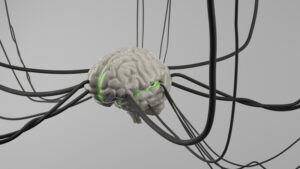
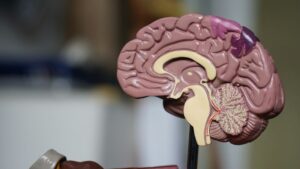
Modern Neuroscience has provided empirical support for the theoretical claims of movement therapy. Studies on the vagal nerve and the “polyvagal theory” explain how certain types of movement and breathing can stimulate the parasympathetic nervous system, promoting relaxation and social engagement. Neuroimaging research has also shown that rhythmic movement and dance can strengthen the connections between the brain’s emotional centers (the limbic system) and the executive functioning areas (the prefrontal cortex). These scientific insights validate the long-held beliefs of movement therapists, providing a robust biological foundation for why moving the body is so effective at healing the mind.
The Future Landscape: Technology and Global Expansion
The future of movement therapy is marked by exciting possibilities for innovation and increased accessibility. One of the most promising trends is the integration of Virtual Reality (VR) and digital technology. VR can create immersive environments that encourage movement in individuals who might be physically limited or socially anxious. For example, a client could engage in a “virtual dance” that helps them practice social boundaries or explore expansive movements in a safe, controlled space. Additionally, biofeedback sensors and wearable technology can provide real-time data on heart rate and muscle tension, allowing therapists to fine-tune their interventions based on the client’s physiological responses.
As the global mental health crisis continues to escalate, there is an increasing move toward community-based and preventative applications of movement therapy. Beyond the clinical office, movement therapy principles are being applied in public health initiatives, corporate wellness programs, and schools. These programs aim to foster resilience and emotional literacy in the general population, recognizing that regular, conscious movement is a powerful tool for maintaining mental well-being. This expansion into non-clinical settings helps to de-stigmatize mental health care and makes the benefits of movement therapy available to a much broader audience.
Finally, the continued growth of the field depends on the expansion of evidence-based research. As more rigorous clinical trials are conducted, movement therapy is likely to gain even greater recognition within mainstream healthcare systems and insurance providers. The goal is to establish standardized protocols for specific conditions while maintaining the creative, individualized heart of the practice. By bridging the gap between ancient wisdom—the intuitive knowledge that dance is healing—and modern scientific rigor, movement therapy is poised to play a vital role in the future of integrative healthcare, offering a path to flourishing that honors the whole human being.