Social Persuasion: Unlock the Hidden Power of Influence
Scientifically Reviewed · Dr. Marwa Abd-Alazim · September 28, 2026
Review Criteria & Clinical Standards
This content undergoes rigorous scientific peer-review and medical editorial standards at Arab Psychology Network to ensure clinical accuracy, validity, and compliance with evidence-based guidelines from leading psychological and healthcare authorities (APA / WHO).
Introduction to the Psychological Construct of Persuasion
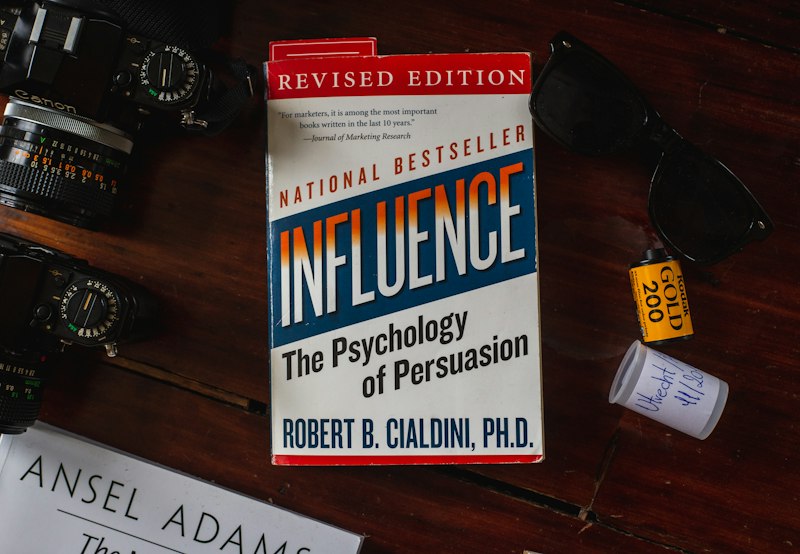
Persuasion represents a fundamental pillar of human social interaction, serving as the primary mechanism through which individuals influence the cognitive and behavioral states of others. Formally defined, persuasion is the process of leading people to think, act, or believe in a specific manner by intentionally swaying their opinions or behaviors toward a desired objective. As noted by Robert Cialdini in his seminal work, this process is not merely a collection of isolated tactics but is a pervasive and powerful force that permeates every facet of daily life. From the subtle nuances of interpersonal relationships to the broad strokes of global marketing and political maneuvering, the capacity to alter a person’s mental trajectory is a skill and a phenomenon that has been extensively studied by social scientists for decades. This article seeks to delve into the intricate concept of multiple roles in persuasion, exploring how the adoption of various personas and functions can significantly impact the efficacy of a message.
The multifaceted nature of persuasion necessitates an understanding of its applications across diverse domains. In the realm of consumer psychology, persuasion is the engine that drives brand loyalty and purchasing decisions, while in the political arena, it is the tool used to galvanize support and shape public policy. Because the stakes in these fields are often exceptionally high, the methods employed are frequently sophisticated, drawing upon deep-seated psychological triggers. By examining how roles are constructed and deployed, we can better understand the underlying mechanics of influence and the ways in which human beings process information and respond to external stimuli. The study of these roles reveals that persuasion is rarely a linear event but is instead a dynamic exchange influenced by the perceived identity of the communicator.
This comprehensive examination focuses specifically on the concept of multiple roles within the persuasive process. It highlights how various functions—ranging from the provider of evidence to the visionary leader—can intersect to create a more compelling and persuasive narrative. By analyzing these roles, we gain insight into how communicators can adapt their approach based on the specific needs and vulnerabilities of their audience. The following sections will explore the theoretical foundations of these roles, the specific steps involved in the persuasive process, and the practical applications of these concepts in real-world scenarios, ultimately illustrating the synergistic effect that occurs when multiple roles are effectively integrated.
Theoretical Frameworks: Cialdini’s Influence on Persuasion Models
Theories of persuasion have long sought to decode the mystery of why certain messages resonate while others fail. Among the most influential contributions to this field is the work of Robert Cialdini, whose 1993 research laid the groundwork for modern influence models. While Cialdini is often associated with the six principles of influence, his broader models also describe a structured approach to the persuasive encounter. According to the six-step model frequently cited in behavioral science, the process of persuasion is a sequential journey that moves an individual from a state of neutrality to a state of committed action. This model emphasizes that success is not found in a single argument but in the careful execution of several distinct stages: establishing credibility, gaining attention, creating a need, providing evidence, inducing action, and conveying confidence.
Each of these six steps requires the communicator to inhabit a specific role, or a set of roles, that aligns with the psychological requirements of that particular stage. For instance, the initial stage of establishing credibility requires the communicator to project an image of expertise and trustworthiness, effectively acting as an authority figure. Without this foundation, the subsequent steps are unlikely to succeed, as the audience will lack the necessary foundation of trust to engage with the message. As the process moves into gaining attention, the role shifts toward that of a captivator or an innovator, using novel or high-stakes information to break through the cognitive noise of the audience’s environment. This transition highlights the necessity of role flexibility in the persuasive process.
The complexity of these theories lies in the fact that these roles are not mutually exclusive; rather, they are often used in various combinations to maximize their persuasive impact. A communicator who can seamlessly transition between being an objective expert and a passionate advocate is far more likely to influence a person’s attitude and behavior than one who remains static. This theoretical perspective suggests that the most effective persuaders are those who possess a high degree of social intelligence, allowing them to read the room and adopt the role that is most needed at any given moment. By understanding these theoretical steps, we can begin to see how multiple roles serve as the building blocks of successful influence strategies.
The Primary Phase: Establishing Credibility and Gaining Attention
The initial phase of any persuasive endeavor is perhaps the most critical, as it sets the tone for all future interactions. Establishing credibility is the first step in Cialdini’s model, and it requires the communicator to adopt the role of a “credible authority.” In this role, the individual must demonstrate a high level of competence and reliability. This is often achieved through the use of expert testimony, the presentation of credentials, or the citation of verifiable data. The psychological goal here is to minimize the audience’s natural skepticism and create a sense of safety. When a communicator is perceived as a credible authority, their message is given more weight, and the audience is more likely to process the information through a lens of acceptance rather than critique.
Once credibility is established, the persuader must pivot to the role of a “captivator” to gain the audience’s attention. In an era of information overload, securing focus is a significant challenge. This role involves the use of rhetorical devices, emotional appeals, or startling facts to ensure that the message stands out. The transition from authority to captivator is essential because even the most credible message will fail if it is not heard. By successfully gaining attention, the communicator creates a cognitive opening, allowing the audience to become receptive to the more detailed arguments that will follow. This dual-role approach at the beginning of the process ensures that the foundation is both stable and engaging.
Furthermore, the interplay between credibility and attention-grabbing is a delicate balance. If a communicator focuses too heavily on attention-grabbing tactics without first establishing credibility, they may be perceived as a “charlatan” or a “sensationalist,” which can lead to immediate rejection. Conversely, if they are highly credible but fail to gain attention, their expertise remains unutilized and ignored. Therefore, the successful persuader must master the art of being both an expert and an entertainer, weaving these roles together to create a compelling entrance into the listener’s consciousness. This primary phase is the gateway to deeper influence, making the mastery of these initial roles indispensable.
The Cognitive Phase: Creating Need and Providing Substantive Evidence
After the audience’s attention has been secured and the communicator’s credibility has been established, the process enters a more cognitive phase centered on creating a need. In this stage, the persuader adopts the role of a “problem-identifier” or a “need-creator.” This involves highlighting a gap between the audience’s current state and their desired state, thereby creating a sense of psychological tension. By demonstrating that a problem exists—or that a current situation is inadequate—the communicator makes the audience eager for a solution. This role requires empathy and insight, as the persuader must understand the underlying motivations and fears of the audience to effectively articulate a need that resonates on a personal level.
Once the need has been established, the communicator must transition into the role of a “persuasive advocate” to provide evidence. This stage is where the substance of the argument is delivered. The advocate provides data, logical reasoning, and testimonials that support their proposed solution. The goal is to provide enough cognitive support to justify the shift in attitude or behavior that the persuader is seeking. This role is distinct from the initial “credible authority” because it is more active and argumentative; the focus is not just on who the speaker is, but on the strength and validity of the information they are presenting. High-quality evidence serves to reinforce the credibility established earlier while simultaneously satisfying the need created in the previous step.
The synergy between creating a need and providing evidence is what transforms a simple suggestion into a persuasive mandate. Without a clearly defined need, the evidence may seem irrelevant or unnecessary. Without strong evidence, the need may remain unaddressed, leading to frustration rather than action. By playing these roles effectively, the communicator guides the audience through a logical progression that makes the desired outcome feel like the only rational choice. This phase of the process is deeply rooted in the cognitive processing of the audience, requiring the persuader to be both a skilled storyteller and a rigorous analyst.
The Conative Phase: Inducing Action and Conveying Confidence
The final stages of the persuasive process move from the realm of thought into the realm of action. Inducing action is the step where the communicator asks the audience to make a commitment. In this phase, the persuader adopts the role of a “motivator” or a “closer.” This role involves providing a clear call to action, often accompanied by incentives or the highlighting of potential losses if action is not taken (the principle of scarcity). The motivator must be able to overcome the audience’s natural inertia and fear of making a mistake. By providing a clear and easy path forward, the communicator facilitates the transition from belief to behavior, which is the ultimate goal of the persuasive process.
Complementing the induction of action is the final step: conveying confidence. In this role, the communicator acts as a “confident persuader,” projecting an air of certainty about the outcome. This confidence serves as a psychological safety net for the audience; if the persuader is certain, the audience feels more secure in their decision. Confidence is contagious, and it helps to silence any lingering doubts that may arise after the commitment has been made. This role is crucial for post-decisional satisfaction and long-term behavioral change, as it reinforces the idea that the audience has made the right choice. A confident persuader leaves the audience feeling empowered rather than pressured.
It is important to recognize that these final roles—motivator and confident persuader—must be handled with care. If the attempt to induce action is too aggressive, it can lead to psychological reactance, where the audience feels their freedom is being threatened and rebels against the message. However, if the communicator is too passive, the audience may agree with the message but never actually change their behavior. The balance lies in being firm yet supportive, using confidence to lead rather than to dominate. When these roles are executed correctly, they turn a persuasive message into a transformative experience for the recipient.
The Multifaceted Role of the Salesperson in Commercial Transactions
In the world of commerce, the salesperson serves as a primary example of how an individual can inhabit multiple roles simultaneously to achieve a persuasive goal. A successful salesperson does not merely sell a product; they manage a complex interpersonal relationship by shifting through various personas. Initially, they may take on the role of a “credible authority” by demonstrating an exhaustive knowledge of their product and the industry at large. By citing expert testimony and technical specifications, they build the trust necessary for the customer to even consider a purchase. This foundational role is what allows the salesperson to be viewed as a consultant rather than just a vendor.
As the interaction progresses, the salesperson shifts into the role of a “persuader” to gain attention and “need-creator” to identify the customer’s pain points. They might use probing questions to uncover challenges the customer is facing, effectively creating a psychological need for the solution they offer. Once the customer acknowledges the need, the salesperson becomes a “persuasive advocate,” providing targeted evidence and demonstrations that show exactly how their product addresses the customer’s specific situation. This role requires a high degree of adaptability, as the evidence must be tailored to the unique concerns of each individual client.
Finally, the salesperson concludes the process by acting as a “confident persuader.” They provide the necessary nudge to induce action, often by offering a guarantee or showing confidence in the long-term value of the product. This multi-role approach is highly effective because it addresses the customer’s needs at every level—intellectual, emotional, and practical. By playing these various roles, the salesperson is able to guide the customer through the entire decision-making journey, from initial curiosity to final purchase. This demonstrates that in professional environments, the ability to switch between roles is a key determinant of success.
Strategic Role Distribution in Political Communication and Campaigns
Political persuasion offers another compelling look at the use of multiple roles, though the roles themselves are often distributed across a team or used to define a candidate’s public persona. In a political campaign, the roles are frequently specialized to maximize impact. For instance, the “visionary leader” role is usually inhabited by the candidate, who sets the overall tone and direction of the campaign. This role is designed to inspire and create a sense of hope or urgency. The visionary leader focuses on the “big picture,” leaving the granular details of policy and strategy to others while they focus on emotional resonance and broad appeal.
Behind the scenes, the “strategist” plays a vital role in developing and executing the campaign plan. This individual is responsible for the “how” of persuasion, determining which messages will be most effective for specific demographics and when they should be delivered. The strategist acts as the analytical backbone of the operation, ensuring that the visionary’s message is translated into actionable steps. Meanwhile, the “spokesperson” or “surrogate” serves as the primary communicator to the public and the media. This role requires the ability to stay “on message” while defending the candidate against criticism, acting as a buffer and a persuasive advocate on a mass scale.
The effectiveness of a political campaign often depends on how well these roles are synchronized. If the spokesperson contradicts the visionary leader, or if the strategist fails to account for the public’s needs, the entire persuasive effort can collapse. Furthermore, a single politician must often play these multiple roles themselves, appearing as a visionary during a rally, a strategist during a debate, and a credible authority during a policy briefing. The ability to inhabit these different roles depending on the context is what defines a charismatic and effective political figure. This highlights the importance of role-shifting not just in sales, but in the governance and leadership of society.
The Fluidity of Role Adoption within a Single Communicator
One of the most fascinating aspects of persuasion theory is the realization that a single individual can, and often must, play multiple roles at the same time. This role fluidity is essential for maintaining the momentum of a persuasive encounter. For example, a doctor explaining a new treatment to a patient must simultaneously be a “credible authority” (providing medical expertise), a “need-creator” (explaining the risks of not treating the condition), and a “confident persuader” (reassuring the patient about the treatment’s success). The ability to blend these roles seamlessly prevents the interaction from feeling like a mechanical process and instead makes it feel like a supportive and informative dialogue.
This internal role-shifting is governed by what psychologists call self-monitoring. High self-monitors are particularly adept at sensing the needs of their audience and adjusting their role accordingly. If they sense the audience is skeptical, they lean more into the “credible authority” role; if they sense the audience is bored, they pivot to “attention-grabbing.” This dynamic adjustment is what allows a persuader to maintain influence even when faced with resistance. The concept of multiple roles suggests that persuasion is not a “one size fits all” endeavor but is a highly tailored experience where the communicator is constantly recalibrating their identity to match the situation.
To master this fluidity, individuals must develop a diverse toolkit of communication skills. This includes:
- Active listening to identify which role the audience needs most at any given moment.
- Emotional intelligence to gauge the audience’s level of trust and engagement.
- Rhetorical flexibility to shift between logical evidence and emotional appeals.
- Consistency to ensure that even while shifting roles, the core message remains stable.
By cultivating these skills, a communicator can move beyond simple messaging and become a master of influence, capable of navigating complex social landscapes with ease.
Contextual Variables and the Effectiveness of Persuasive Roles
While the roles used in persuasion are powerful, their effectiveness is heavily dependent on the context in which they are deployed. A role that works perfectly in a corporate boardroom may be entirely inappropriate in a casual social setting or a crisis situation. For instance, the “confident persuader” role is highly effective when a group is looking for direction during an emergency, but the same level of assertiveness might be viewed as arrogance or aggression in a collaborative team meeting. Understanding the context allows the persuader to select the most appropriate role and avoid the pitfalls of “role-mismatch.”
Cultural context also plays a significant role in how these personas are received. In some cultures, the “credible authority” role is best established through age and tradition, while in others, it is established through innovation and disruption. Similarly, the way a “need” is created or “action” is induced must be sensitive to the values and norms of the audience. A persuader who fails to account for these contextual variables risks alienating their audience, regardless of how well they execute the six steps of persuasion. Contextual awareness is the filter through which all persuasive roles must pass to be effective.
Moreover, the medium of communication—whether it is face-to-face, via video, or through written text—changes how these roles are performed. In a written format, the “credible authority” role is often conveyed through polished prose and professional formatting, whereas in a video, it might be conveyed through body language and tone of voice. The “attention-grabber” role in digital marketing often involves visual stimuli that are not present in traditional speech. Therefore, the modern persuader must be adept at role-translation, ensuring that their persona is effectively communicated across all platforms and environments. This adaptability is what ensures the longevity and reach of a persuasive message.
Conclusion: The Evolutionary Nature of Persuasion
In conclusion, the concept of multiple roles is an essential factor in the complex process of persuasion. As we have examined, the transition through various stages—from establishing credibility to inducing action—requires a communicator to be versatile, moving between roles such as the authority, the advocate, and the motivator. The research pioneered by Cialdini and others highlights that these roles are not just incidental but are fundamental components of how human beings influence one another. Whether in a sales meeting, a political rally, or a simple conversation, the roles we choose to play determine the extent to which our message is accepted and acted upon.
It is also clear that the most effective persuasion occurs when these roles are used in strategic combinations and adapted to the specific context of the interaction. A single individual’s ability to play multiple roles simultaneously or in rapid succession is a hallmark of high-level social influence. By understanding the psychological mechanisms behind these roles, individuals can become more intentional and ethical in their communication. Persuasion, when understood as a collection of roles, becomes less about manipulation and more about the art of effective and empathetic communication, aimed at moving people toward a common goal or a better understanding.
As the landscape of human interaction continues to evolve with new technologies and shifting social norms, the roles we play in persuasion will likely continue to diversify. However, the core principles of credibility, need, and confidence remain timeless. Future research in psychology will undoubtedly continue to explore how these roles adapt to digital environments and artificial intelligence, but the human element—the need for trust and the desire for clear direction—will always be at the heart of the persuasive process. This article has sought to illuminate the vital importance of multiple roles in persuasion, providing a framework for understanding how we can meaningfully influence the world around us.
References
Cialdini, R. B. (1993). Influence: The psychology of persuasion. New York: HarperCollins.