Spinal Psychology: Unlocking the Mind-Body Connection
Scientifically Reviewed · Dr. Marwa Abd-Alazim · October 1, 2026
Review Criteria & Clinical Standards
This content undergoes rigorous scientific peer-review and medical editorial standards at Arab Psychology Network to ensure clinical accuracy, validity, and compliance with evidence-based guidelines from leading psychological and healthcare authorities (APA / WHO).
Introduction and Definition of Myelitis
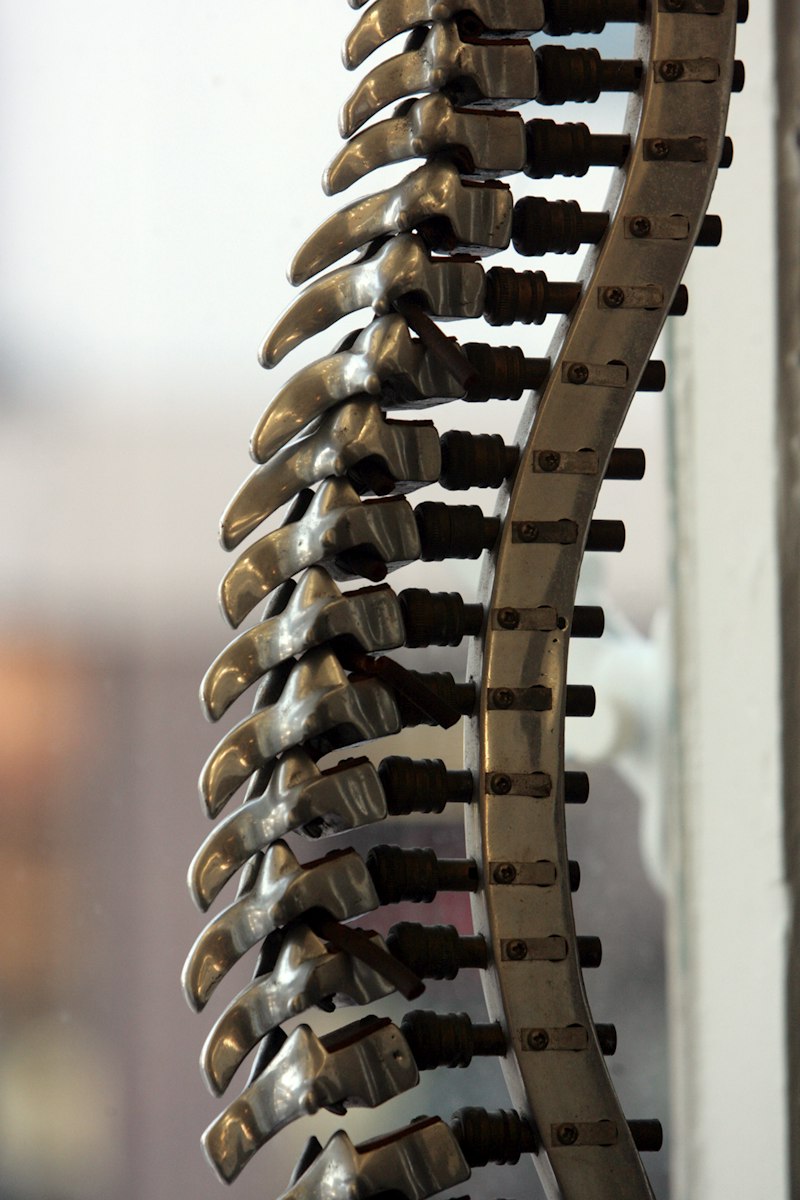
The term myelitis refers to a broad spectrum of inflammatory disorders affecting the spinal cord, which is a foundational element of the central nervous system. The spinal cord serves as the primary conduit for transmitting sensory, motor, and autonomic signals between the brain and the peripheral nervous system. When inflammation occurs within this structure, it disrupts these vital pathways, leading to a wide array of neurological deficits. The etymological roots of the word trace back to the Greek “myelos,” meaning marrow or spinal cord, combined with the suffix “-itis,” which denotes inflammation. Because of the spinal cord’s compact anatomy and critical functional pathways, any inflammatory process within it is considered a medical emergency due to the high risk of rapid, irreversible tissue damage.
Clinical presentations of this condition vary extensively based on the temporal onset of symptoms and the spatial distribution of the inflammatory lesions. Clinicians categorize the condition as acute when symptoms develop rapidly over a period of hours to a few days, or subacute when the clinical picture evolves over several weeks. Furthermore, the anatomical extent of the inflammation can be localized to a single segment, known as focal myelitis, or it can span multiple continuous segments, which is described as longitudinally extensive transverse myelitis. The specific neurological manifestations, ranging from mild sensory disturbances to complete paralysis, are directly dictated by which pathways and tracts within the spinal cord are compromised by the inflammatory process.
The fundamental pathophysiology of this disorder involves an immune-mediated attack on the cellular structures of the spinal cord. This destructive process can be triggered either by a direct pathogen invasion or by an autoimmune response where the body’s immune system mistakenly targets host neural tissues. The resulting inflammatory cascade leads to localized tissue swelling, demyelination, and axonal degeneration. Demyelination impairs the rapid propagation of electrical impulses along the nerve fibers, while axonal damage can permanently sever the pathways. Together, these pathological changes block the transmission of electrical signals, manifesting as the characteristic deficits observed in affected patients.
Given the potential for catastrophic and permanent neurological disability, early recognition and rapid intervention are paramount. It is vital for clinicians to differentiate inflammatory spinal cord diseases from non-inflammatory etiologies, such as mechanical compression caused by herniated discs, epidural abscesses, or spinal tumors. Because the therapeutic interventions for these conditions differ fundamentally, and because delayed treatment of inflammatory processes significantly increases the likelihood of permanent disability, establishing an accurate and timely diagnosis is a critical factor in preserving long-term neurological function.
Historical Evolution of Spinal Cord Pathology
The medical community’s understanding of spinal cord diseases and inflammatory myelopathies has undergone a profound transformation over the centuries. In ancient Greek and Roman medical literature, healers documented clinical presentations of paralysis and sensory loss, but they lacked the anatomical and physiological frameworks necessary to identify the spinal cord as the source of these symptoms. Instead, these early observations attributed such motor and sensory deficits to generalized humoral imbalances or metaphysical causes. It was not until the emergence of detailed post-mortem anatomical dissections during the Renaissance that physicians began to correlate clinical paralysis with physical lesions of the spinal cord.
The nineteenth century represented a golden era for neurology, during which pioneering scientists began to systematically catalog and differentiate various neurological disorders. Prominent figures like Jean-Martin Charcot made seminal contributions to the field by correlating clinical symptoms observed in living patients with pathological changes identified in post-mortem tissue. During this period, the medical community began to distinguish inflammatory spinal cord diseases from traumatic injuries and neoplastic compressions. The term “myelitis” gained widespread acceptance and was frequently associated with post-infectious complications, particularly in patients suffering from advanced syphilis or viral infections.
The advent of the lumbar puncture in the early twentieth century provided clinicians with a revolutionary diagnostic tool, allowing them to analyze cerebrospinal fluid in living patients. This analysis offered direct evidence of active central nervous system inflammation through the detection of elevated white blood cells and protein levels. Histopathological studies of spinal cord tissue further characterized the inflammatory infiltrates and demyelinating plaques that define the disease. Despite these diagnostic advancements, identifying the precise underlying causes remained a significant challenge, and a large proportion of cases were classified as idiopathic due to the primitive state of immunological science.
In the latter half of the twentieth century and the early twenty-first century, the introduction of Magnetic Resonance Imaging (MRI) revolutionized the field of neurology. For the first time, clinicians could visualize active spinal cord inflammation, edema, and demyelination in real time without invasive procedures. Simultaneously, breakthroughs in molecular immunology led to the discovery of specific serum and cerebrospinal fluid autoantibodies. The identification of targets like aquaporin-4 and myelin oligodendrocyte glycoprotein transformed the classification of myelitis from a generic clinical syndrome into a collection of distinct, molecularly defined autoimmune diseases with targeted, evidence-based therapeutic protocols.
Etiological Classification and Diverse Forms of Myelitis
Myelitis is not a single, isolated disease entity but rather a complex clinical syndrome with diverse etiologies. These underlying causes are broadly categorized to guide diagnostic investigations and formulate effective treatment strategies. Identifying the specific etiological driver is crucial, as the therapeutic approach for an infectious process is fundamentally different from the immunosuppressive strategies required for autoimmune disorders. The primary etiological classifications include:
- Infectious myelitis: Occurs when pathogens directly invade the spinal cord parenchyma, causing localized cellular destruction and triggering a robust inflammatory response.
- Autoimmune myelitis: Characterized by an aberrant immune response where host antibodies or T-cells mistakenly target self-antigens within the spinal cord tissue.
- Paraneoplastic myelitis: A rare, immune-mediated phenomenon triggered by an underlying systemic malignancy, where the immune response against tumor cells cross-reacts with healthy neural tissue.
- Idiopathic transverse myelitis: A diagnosis of exclusion applied when a patient exhibits clear clinical and radiographic evidence of spinal cord inflammation, but exhaustive testing fails to identify a specific infectious, systemic, or autoimmune cause.
In cases of infectious origin, a wide variety of pathogens can be responsible for the disease. Viral agents are common culprits and include Herpes Simplex Viruses, Varicella-Zoster Virus, Cytomegalovirus, Epstein-Barr Virus, and Enteroviruses. Bacterial infections can also cause spinal cord inflammation, with notable examples including Mycobacterium tuberculosis, which can cause tuberculous myelitis, as well as the causative agents of Lyme disease and syphilis. These pathogens cause damage through direct cellular lysis during replication, the release of microbial toxins, or by triggering a localized, destructive immune response aimed at clearing the infection.
Autoimmune etiologies represent a rapidly expanding category of spinal cord inflammatory disorders. Acute Disseminated Encephalomyelitis (ADEM) is a monophasic demyelinating disorder that typically occurs in pediatric populations following a viral infection or vaccination. Multiple Sclerosis (MS) is a chronic, immune-mediated demyelinating disease of the central nervous system where spinal cord lesions frequently serve as the presenting manifestation. Additionally, Neuromyelitis Optica Spectrum Disorder (NMOSD) is a severe, relapsing autoimmune disease characterized by immune attacks targeting the optic nerves and spinal cord, often driven by specific autoantibodies against the aquaporin-4 water channel or myelin oligodendrocyte glycoprotein.
Pathophysiological Mechanisms of Spinal Cord Injury
The core pathophysiological process across all forms of this condition is acute inflammation within the spinal cord parenchyma. This process begins when systemic immune cells, including T-lymphocytes, B-lymphocytes, and macrophages, successfully breach the blood-spinal cord barrier. Once inside the spinal cord, these cells release a cascade of pro-inflammatory cytokines and chemokines. These chemical messengers recruit additional inflammatory cells and promote local vasodilation, leading to significant tissue edema. Because the spinal cord is enclosed within the rigid, unyielding bony structure of the vertebral canal, even moderate tissue swelling can lead to mechanical compression, further compromising local blood flow and exacerbating tissue hypoxia.
In infectious forms of the disease, the direct interactions between the invading pathogen and the host cells drive the pathology. For instance, neurotropic viruses infect neurons and glial cells, replicating intracellularly and ultimately causing cell lysis and death. Bacterial pathogens can lead to localized purulent collections or microabscesses within the spinal cord tissue. Furthermore, the host’s immune response, while essential for clearing the pathogen, often contributes to bystander tissue damage. Cytotoxic T-cells searching for infected cells can inadvertently destroy neighboring healthy neurons and supporting glial cells, worsening the overall neurological injury.
In autoimmune forms of the disease, the injury is driven by targeted, antigen-specific immune attacks. In NMOSD, circulating anti-AQP4 antibodies bind to aquaporin-4 water channels located on the feet of astrocytes. This binding activates the classical complement pathway, leading to the formation of the membrane attack complex, which destroys astrocytes, compromises the blood-brain barrier, and causes secondary demyelination and axonal loss. In MS, autoreactive T-cells recognize myelin basic protein, initiating an inflammatory cascade that strips the protective myelin sheath from axons, disrupting saltatory conduction and leaving the exposed axons vulnerable to permanent transection.
The downstream consequences of demyelination and axonal damage within the spinal cord are severe. When the protective myelin sheath is lost, action potentials are either slowed or completely blocked, resulting in functional deficits. If the inflammatory process is severe enough to cause axonal transection, the damage becomes permanent, as the central nervous system has a highly limited capacity for axonal regeneration. Over time, the area of active inflammation is replaced by a glial scar, a process known as astrogliosis, which physically and chemically inhibits future nerve regeneration. The specific clinical symptoms are a direct reflection of which fiber tracts are damaged, illustrating the precise relationship between anatomical pathology and clinical presentation.
Clinical Presentation and Symptomatology
The clinical presentation of myelitis is characterized by the rapid onset of progressive neurological deficits that reflect the location and severity of the spinal cord inflammation. Patients often report an initial prodrome of localized back pain or radicular pain that radiates along the distribution of the affected spinal nerve roots. This pain is frequently described as sharp, burning, or aching, and it serves as a valuable clinical marker for localizing the superior boundary of the inflammatory lesion. Within hours or days of the initial pain, patients begin to experience sensory disturbances, which typically manifest as paresthesias, numbness, tingling, or an abnormal band-like sensation wrapping tightly around the torso or limbs.
As the inflammatory process compromises the descending motor tracts, patients develop progressive motor weakness. This weakness typically starts in the lower extremities, presenting as difficulty climbing stairs, a heavy feeling in the legs, or frequent tripping, and it can rapidly progress to severe paresis or complete flaccid paralysis. In cases of cervical spinal cord involvement, the weakness can ascend to involve the upper extremities, leading to quadriparesis. Furthermore, severe cervical lesions can compromise the phrenic nerve nucleus, leading to diaphragmatic weakness and acute respiratory failure, which represents a life-threatening emergency requiring immediate mechanical ventilatory support.
In addition to motor and sensory deficits, autonomic dysfunction is a hallmark of significant spinal cord inflammation. Patients frequently experience acute urinary retention due to detrusor-sphincter dyssynergia, which requires urgent urinary catheterization to prevent bladder rupture and kidney injury. Autonomic impairment also manifests as severe constipation, fecal incontinence, and vasomotor instability. In patients with lesions above the major splanchnic outflow, autonomic dysreflexia can occur, characterized by life-threatening fluctuations in blood pressure and heart rate in response to noxious stimuli below the level of the lesion, highlighting the profound systemic impact of spinal cord injury.
Diagnostic Methodology and Clinical Evaluation
The diagnostic evaluation of a patient with suspected spinal cord inflammation must be rapid and systematic, aiming to confirm the presence of myelitis, localize the lesion, and identify the underlying etiology. Clinicians rely on a structured diagnostic workflow to differentiate inflammatory myelopathy from compressive or vascular etiologies. The standard diagnostic sequence includes:
- Magnetic Resonance Imaging (MRI): High-resolution imaging of the affected spinal cord segments using T2-weighted and gadolinium-enhanced sequences to identify active areas of inflammation, edema, and blood-spinal cord barrier breakdown.
- Lumbar Puncture and Cerebrospinal Fluid (CSF) Analysis: Collection of CSF to evaluate for elevated white blood cells, elevated protein levels, oligoclonal bands, and to perform PCR testing for viral pathogens and cultures for bacterial organisms.
- Comprehensive Serological Screening: Laboratory testing of blood samples to identify autoimmune biomarkers, such as anti-AQP4 and anti-MOG antibodies, and to screen for systemic infections or inflammatory disorders.
Neuroimaging with MRI is the most sensitive tool for confirming the diagnosis. On T2-weighted sequences, active inflammation appears as areas of high signal intensity within the spinal cord parenchyma. The administration of gadolinium contrast helps identify areas of active blood-spinal cord barrier disruption, which appear as enhancing regions. The spatial distribution of these lesions provides critical diagnostic clues; for example, short-segment, eccentric lesions are highly characteristic of MS, whereas centrally located lesions spanning three or more contiguous vertebral segments are indicative of NMOSD or systemic autoimmune disorders.
Analysis of the cerebrospinal fluid obtained via lumbar puncture is essential for establishing the inflammatory nature of the disease. A typical inflammatory profile includes a lymphocytic pleocytosis and elevated protein levels, reflecting the cellular infiltration and blood-brain barrier disruption. The presence of oligoclonal bands in the CSF that are absent in the serum strongly supports a diagnosis of MS. Additionally, CSF samples are analyzed using polymerase chain reaction assays and cultures to rule out active viral, bacterial, or fungal infections, which is a mandatory step before initiating high-dose immunosuppressive therapies.
Therapeutic Interventions and Management Protocols
The primary objective of acute therapeutic intervention is to halt the inflammatory cascade as rapidly as possible, thereby minimizing bystander tissue damage and preserving neurological function. The first-line therapy for acute, non-infectious spinal cord inflammation is the administration of high-dose intravenous corticosteroids, typically methylprednisolone, administered daily for three to five consecutive days. These agents work through multiple mechanisms, including stabilizing the compromised blood-spinal cord barrier, reducing local tissue edema, and suppressing the activation and migration of inflammatory lymphocytes and macrophages.
For patients who exhibit a poor response to corticosteroid therapy or those who present with rapidly progressive, severe neurological deficits, plasma exchange (PLEX) is indicated as an adjunctive or second-line therapy. Plasma exchange involves the mechanical separation of the patient’s blood cells from the plasma, which is then replaced with a donor albumin solution. This procedure physically removes pathogenic autoantibodies, circulating immune complexes, active complement proteins, and pro-inflammatory cytokines from the bloodstream. Clinical studies have demonstrated that early initiation of plasma exchange in steroid-refractory patients significantly increases the likelihood of meaningful neurological recovery.
Following the stabilization of an acute autoimmune attack, the clinical focus shifts to long-term maintenance therapy to prevent disease relapses. For patients diagnosed with chronic, relapsing autoimmune conditions such as MS or NMOSD, the initiation of disease-modifying therapies (DMTs) is essential. These long-term therapies include broad-spectrum immunosuppressants and highly targeted monoclonal antibodies, such as rituximab, which depletes B-lymphocytes, or eculizumab, which inhibits the terminal complement pathway. Conversely, if an infectious etiology is identified, immunosuppression is carefully minimized, and targeted antimicrobial, antiviral, or antifungal regimens are immediately instituted to eradicate the pathogen.
Symptomatic management is an equally vital component of the comprehensive treatment plan, as many patients are left with residual neurological deficits. Pharmacological interventions are utilized to manage chronic neuropathic pain using gabapentinoids or tricyclic antidepressants, while muscle relaxants such as baclofen or tizanidine are prescribed to alleviate debilitating spasticity. Neurogenic bladder dysfunction is managed with anticholinergic medications and structured clean intermittent catheterization protocols to protect renal function. A coordinated, multidisciplinary approach is required to address these complex, interrelated symptoms and maximize the patient’s functional capacity.
Prognosis, Complications, and Rehabilitation
The long-term prognosis for individuals diagnosed with myelitis is highly variable and depends on several critical prognostic indicators. Factors associated with a more favorable outcome include a subacute onset, incomplete neurological deficits at the nadir of the illness, rapid initiation of first-line immunomodulatory therapies, and a localized lesion on neuroimaging. Conversely, patients who experience a hyperacute onset, complete flaccid paralysis, respiratory compromise, or longitudinally extensive lesions on MRI typically face a higher risk of permanent disability. The clinical course can be monophasic, with a single inflammatory event followed by variable recovery, or relapsing, characterized by recurrent inflammatory attacks that cause cumulative neurological damage.
The chronic complications of spinal cord injury can significantly impact a patient’s health and overall quality of life. Spasticity, characterized by increased muscle tone and painful involuntary spasms, can lead to joint contractures and severely restrict mobility. Chronic neuropathic pain, resulting from damage to the spinothalamic tracts, is often refractory to standard analgesics and requires specialized pain management strategies. Furthermore, neurogenic bladder and bowel dysfunction pose ongoing risks for recurrent urinary tract infections, nephrolithiasis, and fecal impaction, requiring diligent, long-term urological and gastroenterological surveillance.
Physical rehabilitation is the cornerstone of long-term recovery and is initiated as soon as the acute inflammatory process has stabilized. A structured, individualized rehabilitation program is designed to promote neuroplasticity, maximize residual motor function, and prevent secondary complications. Physical therapy focus areas include strength training, balance exercises, stretching to prevent contractures, and gait training using assistive devices or orthotics. Occupational therapy helps patients adapt to their functional limitations by teaching modified techniques for performing activities of daily living, such as dressing, eating, and bathing, and by recommending home modifications to enhance independence.
For patients with high cervical lesions, speech therapy may be required to address swallowing difficulties and coordinate respiratory exercises. The rehabilitation process is dynamic and requires regular reassessment by a multidisciplinary team, including neurologists, physiatrists, therapists, and social workers. By focusing on functional goals and adaptive strategies, comprehensive rehabilitation helps patients regain independence and reintegrate into their communities, mitigating the long-term physical and social impact of spinal cord injury.
Psychosocial Dynamics and Future Research Frontiers
The sudden onset of spinal cord inflammation and the resulting physical limitations often have a profound psychological impact on patients and their support networks. The rapid loss of mobility, bodily control, and independence can disrupt a patient’s sense of self-identity, leading to high rates of reactive depression, generalized anxiety disorder, and adjustment disorders. The psychological burden is often compounded by the unpredictable nature of relapsing disorders and the challenges of managing chronic pain and bowel or bladder dysfunction. Addressing these mental health challenges is essential, as untreated psychological distress can significantly hinder a patient’s active participation in physical rehabilitation and worsen overall clinical outcomes.
Providing comprehensive psychosocial support requires a proactive, integrated approach within the medical care team. Patients benefit from early access to psychological counseling, neuropsychological evaluations, and evidence-based psychotherapies such as Cognitive Behavioral Therapy (CBT), which helps patients develop effective coping mechanisms for chronic pain and physical disability. Peer support groups offer valuable opportunities for patients to connect with others facing similar challenges, reducing feelings of isolation and providing practical advice for navigating daily life with a spinal cord injury. Family-centered support and counseling are also vital, as family members often transition into demanding caregiver roles and experience substantial emotional and physical strain.
The landscape of research into spinal cord inflammatory disorders is advancing rapidly, with scientists focusing on improving diagnostic accuracy and therapeutic outcomes. A major area of investigation is the identification of novel serum and cerebrospinal fluid biomarkers that can facilitate earlier diagnosis, predict disease severity, and monitor therapeutic responses. Researchers are also conducting clinical trials to evaluate highly targeted monoclonal antibodies that selectively block specific inflammatory cytokines or cellular adhesion molecules, aiming to prevent immune cells from crossing the blood-spinal cord barrier and causing tissue damage.
Perhaps the most promising frontier in research lies in the development of neuroprotective and regenerative therapies. While current treatments are highly effective at suppressing inflammation, they cannot repair pre-existing axonal damage. Researchers are investigating neuroprotective agents designed to shield vulnerable axons from oxidative stress and excitotoxicity during acute inflammatory attacks. Additionally, preclinical studies exploring stem cell transplantation, biomaterial scaffolds, and molecular therapies aimed at neutralizing myelin-associated inhibitory factors hold the potential to stimulate axonal regeneration and remyelination, offering hope for restoring lost neurological function in individuals living with chronic disability.