Psychosomatic Health: How Your Mind Shapes Muscle Strength
Scientifically Reviewed · Dr. Marwa Abd-Alazim · September 29, 2026
Review Criteria & Clinical Standards
This content undergoes rigorous scientific peer-review and medical editorial standards at Arab Psychology Network to ensure clinical accuracy, validity, and compliance with evidence-based guidelines from leading psychological and healthcare authorities (APA / WHO).

Definition and Scope of Myopathic Disorders
The term myopathy refers to a diverse group of clinical conditions characterized by the primary structural or functional impairment of skeletal muscle tissue. Unlike neurogenic disorders, which originate in the central or peripheral nervous system, myopathies arise from defects within the muscle fibers themselves, leading to muscle weakness, exercise intolerance, and often progressive disability. In the context of a psychology encyclopedia, understanding myopathy is essential because the physical limitations imposed by these diseases frequently intersect with psychological well-being, cognitive development, and social integration. The distinction between myopathy and other neuromuscular conditions is paramount for accurate diagnosis and the formulation of appropriate psychological support strategies.
Historically, myopathic conditions were often grouped together based solely on visible muscle wasting, but modern medical science has refined these categories through advancements in genetics and molecular biology. A primary myopathy is one where the disease process is intrinsic to the muscle, whereas a secondary myopathy results from systemic issues such as endocrine imbalances, toxic exposures, or inflammatory responses. From a psychological perspective, the onset of these disorders—whether congenital or adult-onset—significantly dictates the patient’s developmental trajectory and their internal self-schema. The persistent nature of muscle dysfunction necessitates a comprehensive understanding of the motor unit, which includes the motor neuron, the neuromuscular junction, and the muscle fibers it innervates.
The epidemiological landscape of myopathy is broad, affecting individuals across all age groups, ethnicities, and socioeconomic backgrounds. While some forms, such as Duchenne Muscular Dystrophy, are relatively well-known due to their severity and early childhood onset, many other metabolic and inflammatory myopathies may remain undiagnosed for years. This delay in diagnosis can lead to significant psychological distress, as patients struggle with unexplained physical decline and the social stigma of perceived “laziness” or “clumsiness.” Therefore, the clinical definition must encompass not only the physiological markers but also the biopsychosocial impact of living with a chronic, often invisible, physical limitation.
In summary, the conceptual framework of myopathy involves a complex interplay between genetic predispositions and environmental triggers that compromise muscle integrity. As a field of study, it requires a multidisciplinary approach involving neurologists, geneticists, and psychologists to address the multifaceted needs of the patient. The following sections will explore the etiology, classification, and profound psychological ramifications of these disorders, emphasizing the need for holistic care that addresses both the cellular and the emotional aspects of the condition.
Etiological Diversity and Genetic Determinants
The etiology of myopathy is remarkably diverse, ranging from clear Mendelian inheritance patterns to complex interactions between autoimmune triggers and environmental toxins. Genetic myopathies are typically caused by mutations in genes responsible for the production of proteins essential to muscle structure, such as dystrophin, or those involved in muscle metabolism and ion channel function. These mutations can lead to the instability of the muscle cell membrane, or sarcolemma, making the muscle fibers susceptible to damage during normal contraction. The resulting cycle of fiber necrosis and failed regeneration eventually leads to the replacement of muscle tissue with fat and connective tissue, a process known as fibrosis.
In contrast to hereditary forms, acquired myopathies may stem from inflammatory processes where the body’s immune system mistakenly attacks muscle tissue. Conditions such as polymyositis and dermatomyositis exemplify this category, often presenting with subacute muscle weakness and systemic symptoms. Furthermore, toxic myopathies can be induced by various pharmacological agents, including statins used for cholesterol management or certain corticosteroids, which, paradoxically, are also used to treat inflammation. The psychological burden of an acquired myopathy is often distinct, as individuals must cope with a sudden loss of function and the side effects of intensive immunosuppressive therapy.
Metabolic myopathies represent another critical etiological category, characterized by defects in the chemical pathways that provide energy to muscle cells. These disorders often involve impairments in glycogen metabolism or mitochondrial function, leading to symptoms that fluctuate based on physical activity or fasting states. Patients with metabolic myopathies may experience “second wind” phenomena or acute rhabdomyolysis—a life-threatening breakdown of muscle tissue—following strenuous exercise. The unpredictability of these symptoms often leads to heightened anticipatory anxiety and a restricted lifestyle as patients attempt to avoid triggers that could cause a metabolic crisis.
Recent advances in genomic sequencing have revolutionized our understanding of these etiological pathways, allowing for the identification of specific molecular targets for therapy. However, the discovery of a genetic cause often brings a new set of psychological challenges, including concerns regarding family planning and the emotional weight of “genetic guilt” among parents. Understanding the specific cause of a myopathy is therefore not only a clinical necessity for physical treatment but also a critical component in providing tailored psychological counseling and support for the patient and their extended family.
Clinical Manifestations and Symptomatic Evolution
The hallmark of most myopathic disorders is proximal muscle weakness, typically affecting the muscles of the hips, shoulders, and upper limbs more severely than the distal muscles of the hands and feet. This distribution of weakness manifests in daily activities as difficulty rising from a seated position, climbing stairs, or lifting objects above head height. A classic clinical sign observed in children with muscular dystrophy is the Gower sign, where the individual must use their hands to “walk up” their own legs to stand upright, reflecting significant pelvic girdle weakness. The progression of these symptoms is often slow and insidious, allowing for various compensatory behaviors that may mask the severity of the underlying condition for a time.
Beyond weakness, patients may exhibit muscle atrophy or, conversely, pseudohypertrophy, where muscles (particularly the calves) appear enlarged but are actually infiltrated by fatty tissue. Other common symptoms include muscle pain (myalgia), stiffness, and myotonia, which is a delayed relaxation of the muscle after voluntary contraction. These physical sensations contribute to a constant state of physical discomfort and can interfere with sleep patterns, further exacerbating the psychological strain of the disease. The chronic nature of these symptoms often leads to a “new normal” for the patient, where their perceived level of function is significantly lower than that of their healthy peers.
In many forms of myopathy, the clinical picture extends beyond the skeletal muscles to involve the cardiac and respiratory systems. Cardiomyopathy and conduction defects are common in disorders like Myotonic Dystrophy and Emery-Dreifuss Muscular Dystrophy, necessitating regular cardiac monitoring. Similarly, weakness of the diaphragm and intercostal muscles can lead to nocturnal hypoventilation and respiratory failure. The threat of these life-limiting complications introduces a significant layer of existential anxiety for the patient, as they must confront the reality of their own mortality and the potential need for mechanical ventilation or cardiac interventions.
The symptomatic evolution of myopathy is highly variable, depending on the specific diagnosis and the age of onset. While some congenital myopathies remain relatively stable throughout life, others, such as Duchenne Muscular Dystrophy, follow a relentless downhill course. This progression often mirrors the developmental stages of the individual, where the loss of ambulation in adolescence coincides with critical periods of identity formation and social development. Understanding the timing and nature of these physical changes is essential for psychologists to provide developmentally appropriate interventions that foster resilience and adaptive coping strategies during periods of transition.
Diagnostic Methodologies and Differential Assessment
The diagnostic journey for an individual suspected of having a myopathy is often complex and requires a systematic approach to rule out other neuromuscular conditions. The initial phase usually involves a detailed clinical history and a physical examination focused on the pattern of muscle weakness and the presence of tendon reflexes, which are typically preserved in myopathies until the disease is advanced. Laboratory testing often begins with the measurement of serum creatine kinase (CK) levels; elevated CK indicates muscle fiber breakdown and is a sensitive, though non-specific, marker of myopathic processes. High CK levels are particularly characteristic of dystrophic and inflammatory myopathies.
Electromyography (EMG) and nerve conduction studies are pivotal in the differential diagnosis, as they help distinguish between myopathic and neurogenic causes of weakness. In myopathy, the EMG typically reveals “small, short, and polyphasic” motor unit action potentials (MUAPs), reflecting the loss of individual muscle fibers within a motor unit. While these tests can be physically uncomfortable, they provide essential data on the electrical activity of the muscles and the integrity of the peripheral nerves. For many patients, the diagnostic odyssey—the period between the onset of symptoms and a definitive diagnosis—is a time of significant psychological stress and uncertainty.
The “gold standard” for many years has been the muscle biopsy, where a small sample of muscle tissue is surgically removed and examined under a microscope. Histopathological analysis can reveal characteristic features such as fiber size variability, central nuclei, inflammation, or specific inclusions (e.g., nemaline rods). Advanced staining techniques, such as immunohistochemistry, allow clinicians to detect the absence of specific proteins like dystrophin. However, the invasive nature of a biopsy means it is increasingly being supplemented or replaced by genetic testing, which can identify the underlying mutation through peripheral blood samples or saliva.
Modern diagnostic protocols also increasingly utilize Muscle MRI to visualize the pattern of muscle involvement and fatty replacement, which can guide the selection of a biopsy site and monitor disease progression. A comprehensive assessment must also include an evaluation of the patient’s psychological state, as the diagnostic process itself can be traumatizing. Providing clear communication and psychological support during this period is vital, as the diagnosis of a chronic myopathy often marks the beginning of a lifelong adjustment process for both the patient and their support system.
Psychological Adjustment and Mental Health Interventions
Living with a myopathic disorder necessitates a profound and ongoing psychosocial adjustment. The progressive loss of physical autonomy can lead to a grief reaction, as individuals mourn the loss of their former selves and the future they had envisioned. This process is not linear; patients may cycle through stages of denial, anger, and depression as they encounter new physical milestones, such as the transition to a wheelchair. The psychological impact is often compounded by the unpredictability of certain myopathies, where the rate of decline is uncertain, leading to a chronic state of stress that can tax the individual’s coping resources.
Research indicates a higher prevalence of depressive disorders and generalized anxiety among the myopathic population compared to the general public. These mental health challenges are not merely a reaction to physical limitations but are often influenced by the social isolation and economic strain associated with chronic disability. For many, the “invisible” nature of fatigue and pain in the early stages of myopathy can lead to a lack of validation from others, further contributing to feelings of loneliness and self-stigma. Mental health interventions must therefore focus on validating the patient’s experience while promoting a sense of agency and self-worth independent of physical ability.
Cognitive Behavioral Therapy (CBT) has proven effective in helping patients manage the chronic pain and fatigue associated with myopathy by altering maladaptive thought patterns and developing pacing strategies. Additionally, Acceptance and Commitment Therapy (ACT) can assist individuals in finding meaning and value in their lives despite their physical constraints. Peer support groups also play a crucial role, providing a space for shared experiences and the exchange of practical advice. These interventions are most effective when integrated into a multidisciplinary care plan, ensuring that the patient’s mental health is given as much priority as their physical rehabilitation.
Furthermore, the role of the family cannot be overstated in the psychological management of myopathy. Caregiver burden is a significant concern, as family members often take on extensive physical and emotional responsibilities, leading to their own mental health challenges. Family-centered therapy can help improve communication, redistribute caregiving tasks, and address the shifting dynamics within the household. By fostering a supportive and resilient home environment, clinicians can significantly improve the quality of life for the patient and ensure that the psychological challenges of myopathy are met with collective strength and understanding.
Cognitive and Neurodevelopmental Correlates
While myopathy is primarily defined by muscle dysfunction, certain forms of the disease are associated with significant neuropsychological and cognitive manifestations. This is most notably observed in Duchenne Muscular Dystrophy (DMD), where the protein dystrophin is not only absent in the muscles but is also missing in certain regions of the brain, such as the hippocampus and cerebellum. Consequently, a subset of children with DMD may exhibit intellectual disabilities, specific learning disorders (particularly in reading and phonological processing), and a higher incidence of Attention-Deficit/Hyperactivity Disorder (ADHD) and Autism Spectrum Disorder (ASD).
The presence of cognitive deficits in myopathic patients challenges the traditional view of these disorders as purely physical. These neurodevelopmental correlates require early screening and intervention to ensure that children with myopathy receive the necessary educational support and accommodations. For example, a child struggling with both physical weakness and executive function deficits will face unique barriers in the classroom that cannot be addressed by physical therapy alone. Neuropsychological evaluations are therefore a critical component of the diagnostic workup, providing a roadmap for academic and social success.
In adult-onset myopathies, such as Myotonic Dystrophy Type 1 (DM1), cognitive changes may manifest as executive dysfunction, personality changes, or excessive daytime sleepiness (hypersomnia). These symptoms are often related to the underlying genetic defect affecting central nervous system function and can significantly impact the patient’s ability to maintain employment and manage their own healthcare. The frontal lobe involvement in DM1 can lead to apathy, which family members may mistake for depression or a lack of motivation, leading to interpersonal conflict. Understanding the biological basis of these behavioral changes is essential for providing effective counseling and support.
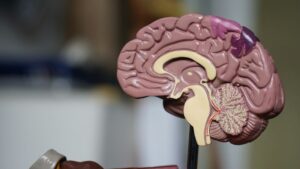
The intersection of muscle and brain function in myopathy highlights the complexity of the brain-body connection. It underscores the need for a holistic approach to patient care that recognizes the potential for cognitive and emotional symptoms to be direct manifestations of the disease rather than just secondary reactions to physical disability. By addressing these neurocognitive challenges, healthcare providers can help patients achieve a higher level of functional independence and improve their overall social and vocational outcomes. Continuous research into the role of muscle proteins in the brain remains a vibrant area of study in the field of neuro-myology.
Multidisciplinary Management and Rehabilitation
The management of myopathy is inherently multidisciplinary, requiring a coordinated effort from a team of specialists to address the various systems affected by the disease. Pharmacological interventions often form the cornerstone of treatment, particularly for inflammatory myopathies where corticosteroids and immunosuppressants are used to reduce muscle inflammation and preserve function. In the case of Duchenne Muscular Dystrophy, steroids are the standard of care to prolong ambulation and protect cardiac and respiratory function, although they come with a range of side effects, including weight gain and behavioral changes, that require careful monitoring.
Physical and Occupational Therapy are vital for maintaining mobility, preventing contractures, and enhancing the patient’s ability to perform activities of daily living. Physical therapists focus on stretching and low-impact aerobic exercises that do not overtax the weakened muscles, while occupational therapists provide assistive technologies and environmental modifications to foster independence. These rehabilitative efforts are not aimed at “curing” the weakness but at optimizing the patient’s current function and preventing secondary complications such as scoliosis or joint stiffness. The psychological benefit of maintaining even a small degree of functional autonomy is immense.
Respiratory and cardiac management are equally critical, especially as the disease progresses. Regular monitoring of forced vital capacity (FVC) and echocardiograms allows for the early initiation of non-invasive ventilation (e.g., BiPAP) or the use of ACE inhibitors to manage heart failure. Nutritional support is also essential, as many patients with advanced myopathy develop dysphagia (difficulty swallowing), which puts them at risk for aspiration pneumonia and malnutrition. A speech-language pathologist can help manage these issues, ensuring that the patient maintains adequate nutrition and a safe airway while also addressing communication needs.
Emerging therapies, including gene therapy and exon-skipping technologies, represent the frontier of myopathy treatment. These treatments aim to address the underlying genetic cause by restoring the production of missing proteins or modulating the immune response at a molecular level. While many of these therapies are still in clinical trials, they offer a sense of hope that was previously absent in the field of myology. However, the ethical and psychological implications of these high-cost, experimental treatments must be carefully navigated, as patients and families weigh the potential benefits against the risks and the reality of limited access.
Future Perspectives and Research Trajectories
The future of myopathy research is characterized by a shift toward personalized medicine and the integration of advanced biotechnologies. Researchers are increasingly utilizing CRISPR/Cas9 gene editing to explore the possibility of correcting genetic mutations directly within the patient’s cells. While still in the early stages of development, this technology holds the potential to provide long-term, perhaps even curative, solutions for previously untreatable hereditary myopathies. Furthermore, the development of biomarkers—measurable indicators of disease activity—is facilitating more efficient clinical trials and allowing for more precise monitoring of treatment efficacy.
Another promising area of research involves the use of stem cell therapy to regenerate damaged muscle tissue. By transplanting healthy myogenic progenitor cells, scientists hope to restore muscle bulk and strength in patients with degenerative conditions. However, significant challenges remain, including ensuring the survival and proper integration of the transplanted cells within the host’s muscle architecture. The psychological impact of these “cutting-edge” developments is significant, as patients must balance cautious optimism with the reality of the slow pace of clinical translation. Managing expectations is a key role for psychologists working in this space.
Social and vocational research is also gaining prominence, focusing on how to better integrate individuals with myopathy into the workforce and broader community. This includes advocating for universal design in public spaces and the workplace, as well as developing policies that support flexible working arrangements for those with fluctuating energy levels. The goal is to move beyond a purely medical model of disability toward a social model, where the focus is on removing the barriers that prevent individuals with myopathy from participating fully in society. This shift in perspective is essential for fostering a sense of belonging and purpose among the myopathic population.
In conclusion, while myopathy remains a challenging and often life-altering diagnosis, the landscape of care and research is rapidly evolving. The integration of advanced diagnostics, multidisciplinary clinical management, and targeted psychological support is improving the longevity and quality of life for many patients. As we look to the future, the continued collaboration between basic scientists, clinicians, and social advocates will be crucial in unlocking the mysteries of the muscle and ensuring that every individual with myopathy has the opportunity to lead a meaningful and productive life. The ongoing study of myopathy serves as a testament to human resilience and the power of scientific inquiry to transform the experience of chronic disease.