Myotonic Dystrophy: The Hidden Mind-Body Connection
Scientifically Reviewed · Dr. Marwa Abd-Alazim · September 9, 2026
Review Criteria & Clinical Standards
This content undergoes rigorous scientific peer-review and medical editorial standards at Arab Psychology Network to ensure clinical accuracy, validity, and compliance with evidence-based guidelines from leading psychological and healthcare authorities (APA / WHO).

Introduction and Definition of Myotonic Muscular Dystrophy
Myotonic Muscular Dystrophy (MMD), frequently recognized as Steinert’s disease, stands as the most prevalent form of adult-onset muscular dystrophy, distinguishing itself through a complex and pervasive involvement of multiple organ systems. This progressive, genetically inherited disorder is fundamentally characterized by two defining clinical features: persistent muscle wasting and myotonia. Myotonia manifests as the delayed relaxation of skeletal muscles following voluntary contraction or external stimulation, leading to stiffness and functional impairment. The associated muscle wasting is often substantial, resulting in significant functional decline, and is most immediately apparent in the distal musculature, notably the hands, and in the intricate muscles of the face, lending the condition a highly recognizable physical signature.
The clinical trajectory of MMD demonstrates considerable variability but consistently results in profound and systemic functional deterioration. Unlike many other forms of muscular dystrophy primarily confined to skeletal muscle weakness, MMD affects nearly every major organ system, requiring a multi-disciplinary approach to diagnosis and management. Crucially, the disorder universally impacts the ocular system, leading to the premature development of cataracts, and critically involves the cardiovascular system, where severe and potentially fatal cardiac abnormalities frequently dictate the patient’s long-term prognosis. This extensive systemic involvement underscores the necessity of viewing MMD not merely as a neuromuscular condition but as a wide-ranging cellular and genetic disorder affecting tissues derived from multiple germ layers.
The earliest clinical presentation of MMD often involves subtle functional difficulties directly resulting from myotonia, such as the inability to swiftly release a handshake or open a tight jar. As the disease advances, the pronounced muscle wasting becomes strikingly visible, particularly as temporal wasting and the characteristic ‘tent-shaped’ mouth, caused by severe weakening of the facial and jaw muscles. This pattern of proximal and distal weakness, coupled with the persistent myotonic stiffness, defines the physical challenges of the disease, demanding comprehensive therapeutic strategies focused on mitigating both physical disability and the associated multi-systemic complications that contribute to decreased life expectancy.
Clinical Manifestations: Musculoskeletal System
The musculoskeletal presentation in Myotonic Muscular Dystrophy is a highly unique combination of progressive muscle atrophy and the pathognomonic phenomenon of myotonia. The pattern of muscle wasting is distinct, often preferentially targeting the distal muscle groups before involving the proximal ones, a reversal of the typical pattern seen in Duchenne or Becker muscular dystrophies. Patients commonly exhibit significant weakness in the small muscles of the hands and feet, resulting in severe limitations in fine motor skills, difficulties with gripping and releasing objects, and the development of bilateral foot drop, which profoundly affects gait and mobility. This distal predilection explains why the large degree of muscle wasting is so noticeably visible around the hands and face.
Myotonia serves as the physiological hallmark of the disease, representing a sustained muscle contraction resulting from prolonged electrical discharges across the muscle fiber membrane. This stiffness is often exacerbated by environmental factors, such as cold temperatures, or by repeated forceful muscle use. Clinically, myotonia is frequently assessed through percussion of the thenar eminence or the tongue, eliciting a visible, delayed relaxation response, or by observing the slow, awkward release of grip. While myotonia can cause temporary functional issues, the progressive, relentless nature of the muscle atrophy is the primary driver of long-term functional loss. This atrophy eventually impacts large muscle groups, leading to difficulties with activities requiring anti-gravity muscle use, such as rising from low seating or navigating stairs.
The involvement of the facial musculature is central to the clinical phenotype. Atrophy of the temporalis, masseter, and orbicularis oculi muscles creates a characteristic ‘myopathic face,’ often featuring bilateral ptosis (drooping eyelids), a generally expressionless appearance, and pronounced facial elongation. This weakness extends to the pharyngeal and laryngeal muscles, resulting in significant challenges with speech articulation (dysarthria) and swallowing (dysphagia). Dysphagia is a particularly serious complication, increasing the risk of malnutrition and, critically, aspiration pneumonia, which frequently contributes to morbidity and mortality. The pervasive nature of the weakness, encompassing the visibly wasted muscles of the face and hands, illustrates the generalized impact of the underlying genetic dysfunction.
Ocular and Cardiovascular Complications
The classification of MMD as a multi-systemic disorder is strongly supported by the mandatory involvement of non-skeletal striated muscle tissues, specifically the eyes and the cardiac conduction system. Ocular pathology is one of the most consistent and early features of MMD, typically manifesting as the development of posterior subcapsular cataracts. These cataracts often emerge decades earlier in MMD patients—commonly in the third or fourth decade of life—compared to the age-related cataracts seen in the general population. Although surgically correctable, their presence serves as a highly sensitive and reliable diagnostic indicator, often appearing before the onset of profound muscle weakness and reflecting the widespread cellular defect caused by the RNA gain-of-function mechanism.
The most critical determinant of prognosis and the leading cause of premature mortality in MMD patients are the severe cardiac abnormalities. The genetic defect affects the specialized cells of the heart’s electrical conduction system, leading to a spectrum of life-threatening arrhythmias and conduction blocks. The most frequent issues include first-degree atrioventricular (AV) block, prolonged PR intervals, and various degrees of bundle branch block. These conduction system defects significantly elevate the risk of sudden cardiac death due to complete heart block or ventricular fibrillation. Consequently, mandatory, rigorous cardiac surveillance, encompassing annual electrocardiograms (ECGs) and potentially long-term monitoring, is essential for all individuals diagnosed with MMD, regardless of the severity of their peripheral muscle symptoms.
While the electrical defects are paramount, MMD can also lead to cardiomyopathy, though less frequently than the conduction abnormalities. The necessity for proactive management of the cardiac system often translates into the early implantation of cardiac devices. Many asymptomatic MMD patients with high-grade conduction abnormalities or significant ventricular ectopic activity require a permanent pacemaker or an implantable cardioverter-defibrillator (ICD) to prevent fatal arrhythmic events. The simultaneous occurrence of early-onset cataracts and severe, progressive cardiac involvement firmly establishes Myotonic Muscular Dystrophy as a complex systemic disorder demanding integrated care from multiple medical specialties.
Genetic and Pathophysiological Basis
Myotonic Muscular Dystrophy is a highly instructive example of an autosomal dominant genetic disorder caused by trinucleotide repeat expansions. MMD is categorized into two main types: Type 1 (DM1) and Type 2 (DM2). DM1, which is the classical and generally more severe form, results from an expansion of a CTG repeat sequence within the 3′ untranslated region of the DMPK (Dystrophia Myotonica Protein Kinase) gene, located on chromosome 19. A defining feature of DM1 is anticipation, where the number of CTG repeats increases across generations, leading to earlier disease onset and heightened severity, culminating in the severe congenital form when repeat numbers are extremely high.
The core mechanism of MMD pathogenesis is not a simple loss of DMPK protein function but a toxic RNA gain-of-function. The abnormally long CUG-containing messenger RNA transcript produced from the expanded gene sequence does not efficiently leave the nucleus. Instead, it aggregates within the nucleus, forming toxic RNA foci. These aggregated RNA molecules act as molecular sponges, sequestering essential RNA-binding proteins, most notably the muscleblind-like proteins (MBNL). By rendering MBNL proteins functionally unavailable, the toxic RNA effectively disrupts the cellular machinery responsible for alternative splicing.
This widespread disruption of alternative splicing provides the molecular explanation for the multi-systemic nature of MMD. MBNL proteins regulate the splicing of hundreds of pre-mRNAs. When MBNL is sequestered, these target genes revert to expressing immature, fetal-like protein isoforms in adult cells. For instance, the mis-splicing of the skeletal muscle chloride channel gene (ClC-1) directly causes the characteristic myotonia. Similarly, mis-splicing affects genes responsible for insulin signaling (contributing to insulin resistance), lens transparency (causing cataracts), and cardiac electrical function (leading to cardiac abnormalities). Thus, MMD is fundamentally a disease of global gene expression misregulation, explaining its profound impact across numerous distinct tissues.
Types of Myotonic Muscular Dystrophy (DM1 and DM2)
While both DM1 and DM2 share the core symptoms of myotonia and progressive muscle weakness, they are genetically distinct and possess significant differences in their clinical topography and severity. DM1, or Steinert’s Disease, is the more frequently diagnosed and typically more severe phenotype. It is strongly characterized by the phenomena of anticipation and is associated with profound systemic involvement, including the highest risk for severe cardiac and respiratory complications, the most prominent distal and facial muscle wasting, and the unique presentation of congenital myotonic dystrophy.
Myotonic Dystrophy Type 2 (DM2), conversely, is caused by a CCTG repeat expansion in the CNBP gene on chromosome 3. DM2 generally presents later in life and follows a milder, slower disease course compared to DM1. The defining clinical distinction lies in the pattern of muscle weakness: DM2 is primarily a proximal myopathy, affecting the muscles of the neck, shoulders, and hips more severely than the distal extremities. Although myotonia is present, it is often less severe than in DM1. Systemic involvement is still present—cataracts and cardiac involvement are common—but the risk of severe cardiac conduction block and the degree of cognitive impairment are typically lower than those observed in DM1.
Accurate differentiation between the two types is paramount for clinical management and genetic counseling. DM1 is the only form associated with the catastrophic Congenital Myotonic Dystrophy, which involves neonatal respiratory failure and severe intellectual disability. In contrast, DM2 does not present in a congenital form and generally has a better overall life expectancy. Therefore, targeted genetic testing is essential to confirm the specific subtype, ensuring that patients receive appropriate subtype-specific surveillance, particularly in relation to the vastly different levels of cardiac risk.
Cognitive and Psychological Impact
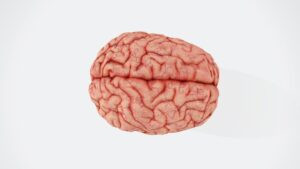
The involvement of the central nervous system (CNS) constitutes a crucial domain of Myotonic Muscular Dystrophy, particularly relevant to the field of psychology. CNS manifestation is most pronounced in DM1, where patients exhibit a characteristic neurocognitive profile marked by non-progressive, fixed deficits. These deficits frequently include significant executive dysfunction (planning, organization, abstract reasoning), difficulties with visual-spatial processing, and a pervasive reduction in overall information processing speed. These cognitive challenges profoundly impede academic success, occupational function, and the capacity for independent living.
In addition to measurable cognitive impairments, MMD is strongly linked to distinct psychological and behavioral phenotypes. Patients commonly experience severe, chronic daytime hypersomnia that is often resistant to conventional stimulant treatment, contributing substantially to poor quality of life, fatigue, and reduced productivity. Furthermore, a pronounced sense of apathy is a frequent neurological manifestation of the disease, often mistakenly interpreted as depression or lack of motivation. This intrinsic lack of initiation complicates therapeutic adherence, as patients may struggle to consistently engage in necessary physical rehabilitation or follow-up protocols.
The compounded burden of living with a progressive physical illness, coupled with intrinsic neurological changes, results in elevated rates of mood disorders. While primary apathy is neurological, true major depressive disorder is also common and requires careful clinical differentiation and psychiatric intervention. Moreover, the characteristic facial muscle weakness impairs the patient’s ability to outwardly express emotion, potentially leading to misunderstandings in social settings and contributing to social isolation. Comprehensive care for MMD must therefore integrate specialized neuropsychological assessment and psychological support to address these complex behavioral and cognitive challenges.
Diagnosis and Differential Diagnosis
The definitive diagnosis of Myotonic Muscular Dystrophy is initiated by recognizing the pathognomonic clinical triad: myotonia, progressive muscle weakness (especially visible about the face and hands), and systemic involvement such as early cataracts. The physical examination confirms the presence of myotonia, often elicited by percussion or demonstrated by delayed grip release. Electromyography (EMG) provides supportive evidence by detecting the characteristic myotonic electrical discharges, often described acoustically as “dive-bomber” sounds, which confirm persistent muscle fiber hyperexcitability.
Despite strong clinical suspicion, the definitive confirmation of MMD necessitates genetic testing. DM1 is confirmed by quantifying the pathological CTG repeat expansion on chromosome 19, while DM2 is confirmed by identifying the CCTG expansion on chromosome 3. Genetic verification is critical for distinguishing MMD from other neuromuscular conditions that share overlapping symptoms, such as the non-dystrophic myotonias (e.g., myotonia congenita) or various forms of limb-girdle muscular dystrophy.
Key differentiating features that favor an MMD diagnosis include the specific multi-systemic pattern. The presence of early-onset cataracts, significant cardiac conduction abnormalities, and the specific pattern of facial and distal atrophy are highly suggestive of MMD and help to rule out purely skeletal muscle disorders. Furthermore, a detailed family history revealing anticipation—the worsening of the disease in successive generations—is a powerful clinical clue strongly indicating the presence of DM1. A thorough diagnostic process ensures accurate prognostication and allows for the timely initiation of risk-mitigation strategies, particularly concerning critical cardiac and respiratory surveillance.
Management and Prognosis
The current management of Myotonic Muscular Dystrophy is entirely supportive and focused on symptom mitigation, maximizing residual function, and preventing life-threatening complications, as no curative treatment for the underlying genetic defect is yet available. Due to the pervasive systemic nature of the disease, management requires a highly integrated team approach involving specialists in cardiology, neurology, respiratory medicine, ophthalmology, and rehabilitation.
Symptomatic treatment is tailored to the specific manifestations. Myotonia, while less functionally disabling than the weakness, can be treated pharmacologically with membrane-stabilizing agents such as mexiletine, which reduces the electrical excitability of the muscle fibers. The progressive muscle weakness and atrophy are addressed through intensive physical and occupational therapy aimed at preserving joint flexibility, maximizing endurance, and teaching compensatory strategies. Assistive devices, most commonly ankle-foot orthoses (AFOs), are frequently necessary to manage the distal weakness manifesting as foot drop, thus improving safety and mobility.
The prognosis for MMD is highly dependent on the subtype and the age of onset. Congenital DM1 carries a poor prognosis, often leading to severe disability and early mortality due to profound respiratory failure. Adult-onset DM1 typically results in a shortened lifespan, primarily due to sudden cardiac death or chronic respiratory failure caused by diaphragm weakness and recurrent aspiration pneumonia. Consequently, rigorous, lifelong cardiac surveillance is the most vital component of management, often leading to the prophylactic implantation of pacemakers or ICDs to manage the high-risk cardiac abnormalities. While therapeutic research is advancing rapidly, particularly focusing on antisense oligonucleotide strategies to neutralize the toxic RNA transcripts, current therapeutic efforts remain centered on mitigating the broad, progressive functional decline imposed by this debilitating systemic disorder.