Cognitive Linguistics: Bridging the Human-Machine Mind
Scientifically Reviewed · Dr. Marwa Abd-Alazim · September 27, 2026
Review Criteria & Clinical Standards
This content undergoes rigorous scientific peer-review and medical editorial standards at Arab Psychology Network to ensure clinical accuracy, validity, and compliance with evidence-based guidelines from leading psychological and healthcare authorities (APA / WHO).
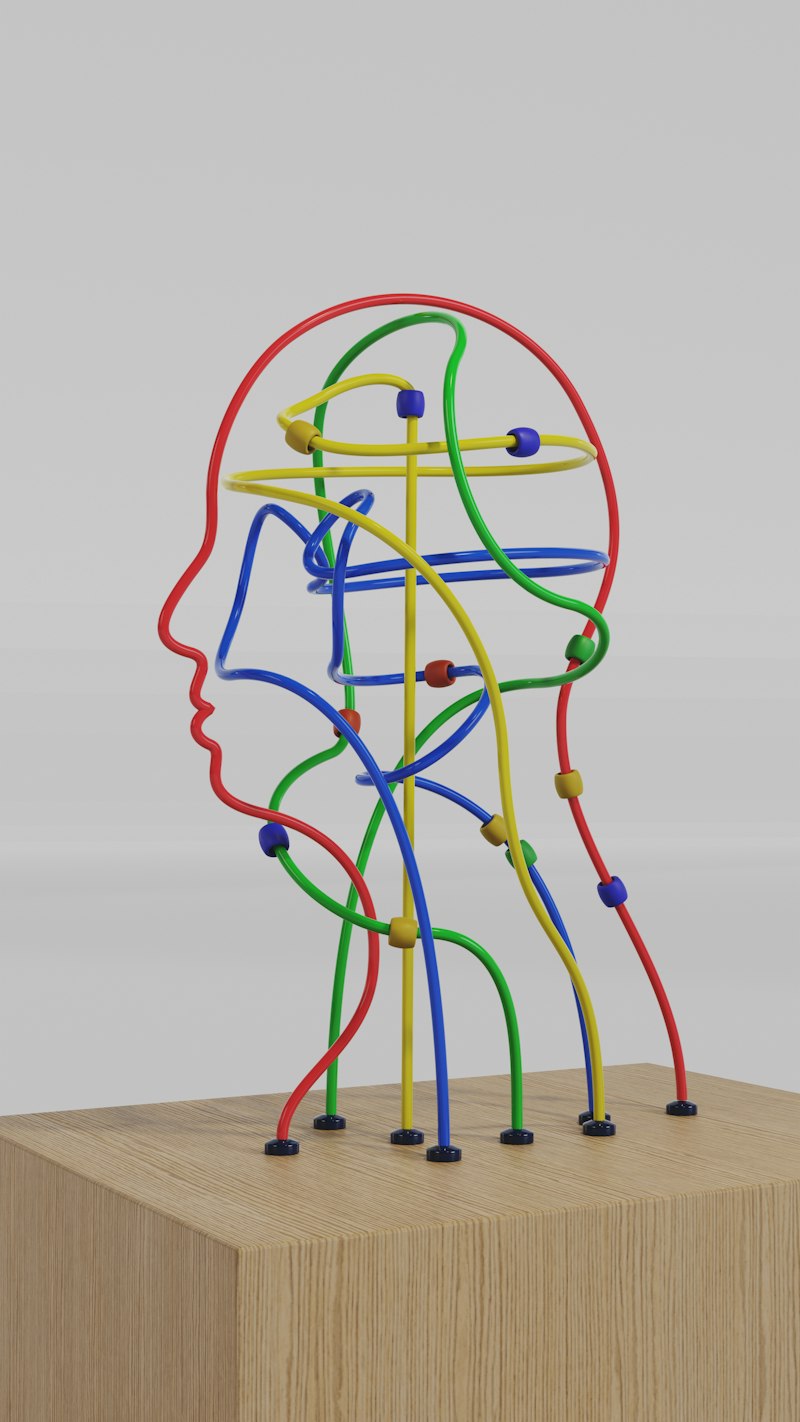
The Conceptual Framework of Natural Language in Artificial Intelligence
The emergence of Natural Language Processing (NLP) represents a transformative milestone in the trajectory of Artificial Intelligence (AI), serving as the critical interface between human cognition and computational logic. At its core, NLP is a sophisticated subfield of AI that investigates the intricate interactions between computer systems and human languages, aiming to equip machines with the ability to process, interpret, and generate language in a manner that mirrors human proficiency. This endeavor is not merely a technical challenge but a multidisciplinary pursuit that draws upon linguistics, computer science, and cognitive psychology to bridge the gap between binary data and the fluid, often chaotic nature of human speech and text.
The fundamental objective of Natural Language Processing is to enable computers to understand the full nuance of language, including the underlying intent and the specific context in which communication occurs. Unlike structured data, such as database entries or mathematical formulas, human language is inherently unstructured and dynamic, posing significant hurdles for traditional algorithmic approaches. Consequently, the field has evolved from simple rule-based systems to complex neural networks that attempt to simulate the recursive and hierarchical nature of human thought processes, allowing for a more profound level of human-computer interaction.
This encyclopedia entry explores the multifaceted challenges inherent in NLP, ranging from lexical ambiguity to the vast variability of global dialects, while also examining the revolutionary applications that have emerged from this research. As the digital landscape continues to expand, the role of Natural Language as a primary tool for information exchange becomes increasingly vital, necessitating a deeper understanding of how AI can be leveraged to interpret the complexities of human expression. Through the lens of Natural Language Understanding (NLU) and Natural Language Generation (NLG), we can observe the potential for AI to not only assist in routine tasks but to fundamentally reshape how knowledge is synthesized and communicated across the globe.
Linguistic Complexity and the Challenge of Contextual Interpretation
One of the primary obstacles in the advancement of Natural Language Processing is the inherent complexity of human language, which is deeply rooted in context dependence. For a computer to accurately interpret a sentence, it must look beyond the literal definitions of individual words and consider the situational variables, the speaker’s intent, and the surrounding discourse. This contextual sensitivity is second nature to humans, who utilize a vast repository of background knowledge and cultural awareness to decode meaning; however, for a machine, this requires a massive computational effort to simulate the “common sense” that guides human conversation.
The difficulty of contextual interpretation is exacerbated by the fact that the meaning of a single phrase can shift dramatically based on the environment in which it is uttered. For instance, a simple statement may carry different weights in a formal academic setting compared to a casual social gathering. Computers often struggle to identify these subtle shifts, leading to errors in sentiment analysis or intent recognition. The challenge lies in developing models that can maintain a “memory” of previous interactions or external world facts, ensuring that the processing of current input is informed by the broader narrative framework.
Moreover, the recursive nature of language, where phrases can be embedded within phrases, adds a layer of structural complexity that demands sophisticated parsing techniques. Natural Language is not a linear sequence of symbols but a hierarchical structure where the relationship between words is governed by complex grammatical rules and semantic dependencies. Achieving a high level of accuracy in NLP requires systems that can navigate these structures in real-time, effectively managing the high degree of variability that characterizes natural, spontaneous human dialogue.
Navigating the Obstacles of Ambiguity and Polysemy
A significant hurdle in the realm of Natural Language Processing is the pervasive issue of linguistic ambiguity, where a single word or sentence can support multiple interpretations. This phenomenon, often referred to as polysemy when a word has several related meanings, or homonymy when unrelated words share the same form, presents a major challenge for computational models that rely on precision. For example, the word “bank” can refer to a financial institution, the side of a river, or even a specific type of movement in aviation, and without sufficient context, a machine may fail to select the appropriate semantic category.
To address these ambiguities, researchers have developed various word sense disambiguation techniques that utilize statistical probabilities and semantic networks. However, even with these tools, the nuance of language remains difficult to capture. Ambiguity is not limited to individual words but extends to the syntax of entire sentences. A classic example is the sentence “I saw the man with the telescope,” which can imply that the speaker used a telescope to see the man, or that the man being observed was in possession of a telescope. Distinguishing between these structural possibilities requires an understanding of probabilistic linguistics and the likely intent of the communicator.
Furthermore, the presence of irony, sarcasm, and metaphors further complicates the task of Natural Language interpretation. These rhetorical devices rely on the listener’s ability to recognize that the literal meaning of the words is intentionally at odds with the intended message. For AI systems, which are traditionally literal-minded, detecting sarcasm remains one of the most elusive goals in the field. The inability to resolve these ambiguities can lead to significant failures in applications such as automated translation or automated customer support, where a misunderstanding of tone can result in a complete breakdown of communication.
Sociolinguistic Variability and the Nuances of Dialect
The vast variability of human language, encompassing a multitude of dialects, colloquialisms, and regional variations, presents a formidable challenge for Natural Language Processing systems. Language is not a static entity; it is a living, breathing phenomenon that evolves differently across various geographic and social groups. This variability means that a system trained on standard, formal English may struggle to interpret the nuances of African American Vernacular English (AAVE), regional British dialects, or the rapid evolution of “internet slang” used by younger generations.
The difficulty in interpreting these nuances lies in the fact that colloquialisms often ignore standard grammatical rules or assign entirely new meanings to existing words. For an AI to be truly effective, it must be inclusive of these linguistic variations, yet most training datasets are heavily biased toward formal, written language. This bias can lead to algorithmic exclusion, where certain demographics are unable to effectively use voice-activated assistants or other NLP-based technologies because the systems do not recognize their patterns of speech or vocabulary.
In addition to regional dialects, the professional and social context also introduces specialized jargon and technical terminology that can be difficult for general-purpose NLP models to process. Medical, legal, and scientific fields each have their own “sub-languages” that require specialized training data to master. As AI technology continues to improve, there is a growing emphasis on creating more robust models that can adapt to different sociolinguistic contexts, ensuring that the benefits of NLP are accessible to a diverse range of users regardless of their linguistic background or social identity.
Theoretical Foundations of Natural Language Understanding (NLU)
Natural Language Understanding (NLU) is a critical component of the broader NLP ecosystem, focusing specifically on the machine’s ability to derive meaning and intent from human input. While NLP encompasses the entire process of handling language, NLU is concerned with the deeper semantic layer—the “why” and “what” behind the words. The primary goal of NLU is to transform unstructured text into a structured format that a computer can act upon, involving several key processes:
- Intent Recognition: Determining the primary goal of the user’s communication, such as making a reservation or asking a question.
- Entity Extraction: Identifying specific pieces of information, such as names, dates, locations, or product types, within a sentence.
- Semantic Mapping: Linking the identified entities and intents to a knowledge base or a set of executable actions.
- Sentiment Analysis: Assessing the emotional tone of the communication to determine if the user is frustrated, satisfied, or neutral.
The implementation of Natural Language Understanding requires sophisticated algorithms that can handle the intricacies of syntax and semantics simultaneously. By utilizing machine learning models, particularly those based on deep learning architectures like transformers, NLU systems can now achieve remarkable accuracy in understanding complex requests. These systems are designed to parse the relationships between words, identifying the subject, verb, and object to build a comprehensive internal representation of the message’s meaning.
NLU is particularly vital in the development of intelligent agents and virtual assistants. For example, when a user says, “Remind me to call the doctor tomorrow at ten,” the NLU component must recognize the intent (create a reminder), the action (call), the recipient (doctor), and the time (tomorrow at 10:00 AM). This level of comprehension is the foundation for all modern human-computer interaction, enabling machines to serve as proactive assistants rather than just passive tools. As NLU technology advances, the potential for more natural and intuitive interactions between humans and machines becomes increasingly tangible.
The Mechanics and Utility of Natural Language Generation (NLG)
While NLU focuses on comprehension, Natural Language Generation (NLG) is the process of producing coherent, human-like text from non-linguistic data. This “data-to-text” transformation is essential for making complex information accessible and understandable to a general audience. NLG systems take structured data—such as financial figures, weather statistics, or sports scores—and synthesize it into a narrative format that reads as though it were written by a human. This capability is increasingly used by news organizations and businesses to automate the production of routine reports and summaries.
The process of Natural Language Generation typically involves several stages, including content planning, sentence realization, and linguistic realization. During content planning, the system decides which pieces of data are most relevant to the intended message. Sentence realization involves determining the most effective way to structure those pieces of information into grammatical sentences, while linguistic realization ensures that the final output adheres to the rules of syntax, morphology, and punctuation. The result is a fluid and professional text that conveys the necessary information without the need for manual intervention.
Beyond report generation, Natural Language Generation plays a crucial role in descriptive tasks, such as generating captions for images or providing descriptions for videos. This has profound implications for accessibility, allowing visually impaired users to receive detailed auditory descriptions of visual content. Furthermore, NLG is a core component of generative AI models that can produce creative writing, poetry, and even technical documentation. As these models become more sophisticated, the distinction between human-authored and machine-generated content continues to blur, raising important questions about authorship and the future of professional writing.
Architecting Natural Language Dialogue Systems
The synthesis of NLU and NLG culminates in the creation of Natural Language Dialogue Systems, which are designed to engage in multi-turn conversations with human users. These systems, commonly known as chatbots or conversational agents, have become ubiquitous in the digital economy, particularly within the realm of customer service. Unlike simple command-line interfaces, dialogue systems must manage the “state” of a conversation, remembering previous exchanges to provide contextually relevant responses and maintain the flow of the interaction.
Effective dialogue systems are built upon a complex architecture that includes a dialogue manager, which acts as the “brain” of the system. The dialogue manager determines the next best action based on the user’s input and the current goals of the interaction. This requires a delicate balance between being helpful and being efficient, as the system must guide the user toward a resolution while remaining flexible enough to handle unexpected queries or shifts in the conversation. Modern systems utilize reinforcement learning to improve their performance over time, learning from successful and unsuccessful interactions to refine their conversational strategies.
The popularity of Natural Language Dialogue Systems is driven by their ability to handle high volumes of simple requests, such as tracking a package or resetting a password, which frees up human agents to focus on more complex issues. However, the true potential of these systems lies in their ability to provide personalized, human-like assistance across a wide range of fields, including healthcare, education, and finance. As AI technology continues to evolve, these systems will become increasingly capable of handling nuanced emotional cues and complex problem-solving tasks, making them an indispensable part of the modern technological ecosystem.
Psychological and Cognitive Implications of NLP
From the perspective of psychology, the development of Natural Language Processing offers a unique window into the mechanics of human cognition. By attempting to replicate language in a machine, researchers gain insights into how humans process information, store semantic knowledge, and utilize grammar. The computational models used in NLP often mirror theoretical frameworks in cognitive psychology, such as the way humans use mental schemas to organize information or how we rely on heuristics to resolve linguistic ambiguity. This intersection of AI and psychology allows for a reciprocal exchange of ideas, where psychological theories inform AI design, and AI performance provides a testbed for psychological hypotheses.
One of the most interesting psychological aspects of NLP is the study of human-computer rapport and how users perceive and interact with linguistic machines. When a computer uses natural language, humans tend to attribute social and even emotional qualities to it, a phenomenon known as the “Media Equation.” This psychological tendency has significant implications for the design of dialogue systems, as the tone, personality, and “voice” of an AI can profoundly impact user trust and satisfaction. Understanding the psychological impact of natural language interaction is essential for creating AI that is not only functional but also ethical and user-centric.
Furthermore, the use of NLP in psychological assessment and therapy is an emerging field of great potential. AI systems can analyze patterns in a person’s speech or writing to detect markers of mental health conditions, such as depression, anxiety, or cognitive decline. By monitoring changes in vocabulary, syntax, and sentiment over time, these systems can provide early warnings and support for clinical interventions. This application demonstrates the power of Natural Language as a diagnostic tool, leveraging the precision of AI to enhance the reach and effectiveness of psychological care.
Future Trajectories and the Advancement of AI Technology
As AI technology continues to advance at an exponential rate, the capabilities of Natural Language Processing are expected to reach unprecedented levels of sophistication. We are currently witnessing a shift toward large-scale language models that are trained on massive datasets comprising nearly the entirety of the internet’s text. these models are capable of performing a wide range of tasks with minimal specific training, demonstrating a level of “zero-shot” or “few-shot” learning that was previously thought impossible. The future of NLP lies in these versatile systems, which can seamlessly transition between translation, summarization, and creative composition.
One of the key areas of future development is the improvement of multimodal NLP, where language is processed in conjunction with other forms of data, such as images, audio, and sensor inputs. This will allow AI systems to have a more “grounded” understanding of the world, linking words to physical objects and actions in real-time. For example, a robot equipped with multimodal NLP could understand a command like “pick up the red mug on the table” by correlating the linguistic input with its visual perception of the environment. This level of integration is essential for the development of truly autonomous and helpful robotic assistants.
Moreover, the ethical considerations surrounding NLP will become increasingly prominent as the technology becomes more integrated into daily life. Issues such as data privacy, algorithmic bias, and the potential for the generation of misinformation must be addressed to ensure that NLP is used for the benefit of society. As we move forward, the focus will likely shift from merely increasing the power of these models to ensuring their transparency, fairness, and alignment with human values. The continued evolution of Natural Language as a tool of AI holds the promise of a future where communication between humans and machines is as natural and meaningful as communication between humans themselves.
Conclusion and Scholarly References
In summary, Natural Language Processing stands as one of the most challenging and rewarding frontiers of Artificial Intelligence. By navigating the complexities of context, ambiguity, and variability, NLP researchers are creating systems that can understand and generate human language with increasing accuracy and nuance. The applications of this technology, from Natural Language Understanding and Generation to sophisticated Dialogue Systems, are already transforming industries and reshaping the way we interact with information. As the field continues to mature, the integration of psychological insights and advanced computational models will drive further innovation, making AI an even more powerful ally in our quest to understand and navigate the world through language.
The following references provide a comprehensive overview of the foundational concepts and recent advancements in the field of Natural Language Processing:
- Lopez, J., & Ginter, F. (2019). Natural language processing: An introduction. Digital Scholarship in the Humanities, 34(2), 359-373.
- Prakash, A., & Thakur, P. (2019). Natural language processing: A comprehensive overview. Frontiers in Artificial Intelligence and Applications, 32, 1-12.
- Wang, Y., & Duh, H. (2018). An overview of natural language processing. In Handbook of Natural Language Processing (pp. 1-12). Springer, Singapore.