Necromania: Unveiling the Dark Psychology of Death
Scientifically Reviewed · Dr. Marwa Abd-Alazim · September 27, 2026
Review Criteria & Clinical Standards
This content undergoes rigorous scientific peer-review and medical editorial standards at Arab Psychology Network to ensure clinical accuracy, validity, and compliance with evidence-based guidelines from leading psychological and healthcare authorities (APA / WHO).
Defining Necromania and Its Conceptual Framework in Psychology
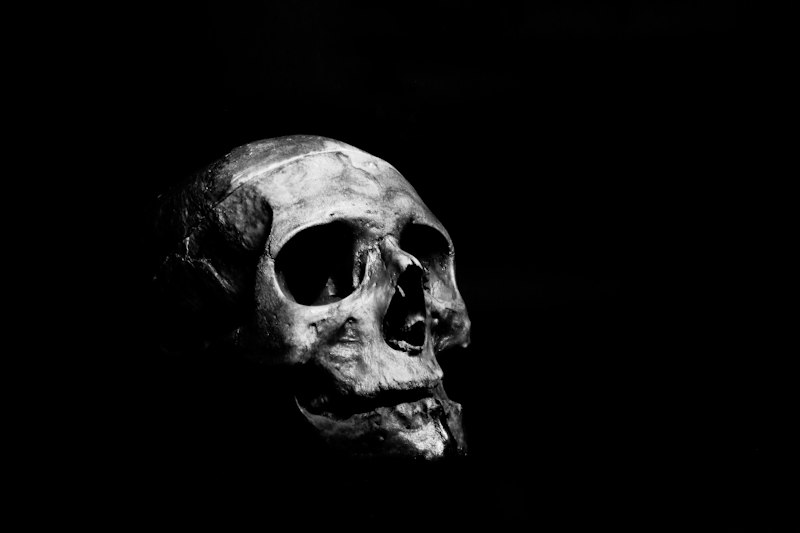
The term necromania is derived from the Greek words “nekros,” meaning dead, and “mania,” signifying madness or obsession. In a psychological context, it refers to an intense, often pathological preoccupation or obsession with death and the deceased. Unlike necrophilia, which specifically denotes a sexual attraction to corpses, necromania is a broader conceptualization that encompasses a wide range of fixations, including an over-reliance on mourning rituals, an unhealthy fascination with the physical process of decay, and a cognitive preoccupation with the “other side.” This phenomenon is not merely a passing interest in the macabre but is characterized by a persistent and intrusive mental focus that can significantly alter an individual’s daily functioning and worldview.
Understanding necromania requires a clear distinction between healthy curiosity and maladaptive fixation. Most human beings experience a natural level of thanatophobia (fear of death) or curiosity about what happens after life ends; however, the necromaniac moves beyond these standard existential inquiries. For such individuals, the dead occupy a central role in their emotional and intellectual life, often eclipsing their relationships with the living. This obsession can manifest as a compulsive need to visit cemeteries, a fixation on collecting items associated with the deceased, or an immersive engagement with media that prioritizes the aesthetics of death over the sanctity of life. By framing death as a source of primary psychological stimulation, necromania challenges standard developmental paradigms regarding grief and loss.
In the contemporary clinical landscape, necromania is often viewed through the lens of obsessive-compulsive spectrum disorders or as a symptom of complex post-traumatic stress disorder. The psychological framework suggests that an obsession with the dead may serve as a defense mechanism against the unpredictability of life. Because the dead are static and unchanging, they provide a sense of perceived control for the individual suffering from the obsession. This article seeks to explore the multidimensional nature of this phenomenon, examining how it has evolved from ancient religious rituals into a modern psychological concern, and how it continues to be shaped by cultural narratives and media representations.
Several key characteristics are often associated with necromania in clinical observations, including:
- Hyper-fixation on funerary rites and the physical remains of the deceased.
- Persistent ruminative thoughts regarding the nature of the afterlife and the state of the dead.
- Engagement in compulsive behaviors related to mourning, such as excessive visits to gravesites or the preservation of dead biological matter.
- A profound emotional detachment from the living world in favor of a perceived connection to the dead.
The Historical Roots of Necromania in Ancient Civilizations
Historically, the obsession with death was not always categorized as a psychological ailment; rather, it was often the cornerstone of societal structure. In Ancient Egypt, for example, the culture was fundamentally oriented toward the preservation of the body and the navigation of the Duat (the underworld). The cult of Osiris represented a formalized version of what might today be termed necromania, as an entire civilization devoted its resources, architecture, and daily labor to the comfort and veneration of the dead. For the Egyptians, the continuity between life and death was so absolute that the living were required to maintain a constant, obsessive dialogue with the deceased to ensure cosmic balance and personal salvation.
Similarly, Ancient Greek culture exhibited a profound fascination with the spirits of the departed, particularly through the practice of necromancy. This involved rituals designed to summon the “shades” of the dead to gain hidden knowledge or prophecy. The goddess Hecate, associated with crossroads, magic, and the underworld, served as a focal point for those who sought to bridge the gap between the living and the dead. In these contexts, the obsession with death was sanctioned by religious authority and served a functional purpose within the community, providing a sense of order and continuity in a world where life was often precarious and short-lived.
The transition from communal religious ritual to individual necromania occurred as these practices were stripped of their theological frameworks. When the rituals of the ancient world were divorced from their original spiritual intent, the remaining fascination often transformed into a private obsession. The historical record suggests that as societies became more secularized, the vacuum left by the loss of formal death rituals was sometimes filled by individual pathologies. This shift highlights a critical psychological transition: the move from a socially integrated “cult of the dead” to a marginalized, individual obsession that lacks the mitigating structure of a shared cultural belief system.
The Victorian Era and the Aestheticization of Death
The Victorian Era represents a unique period in history where the preoccupation with death reached a societal fever pitch, bordering on collective necromania. Following the death of Prince Albert, Queen Victoria entered a state of perpetual mourning that lasted forty years, effectively normalizing an obsessive focus on the deceased. This period saw the rise of elaborate mourning etiquette, including the use of memento mori jewelry made from the hair of the dead and the widespread practice of post-mortem photography. These “death portraits,” where the deceased were posed as if they were still alive, demonstrate a profound psychological resistance to the finality of death and a desire to maintain a tangible connection to the departed at any cost.
The Victorian obsession with the macabre was also reflected in the popular literature of the time, which frequently explored themes of premature burial, ghosts, and the physical decay of the body. This cultural atmosphere created a space where necromania was not only tolerated but encouraged as a sign of deep emotional sensitivity and moral character. However, beneath the surface of these polite rituals lay a darker anxiety regarding mortality and the limitations of science. The rigid structures of Victorian mourning provided a socially acceptable outlet for what might otherwise be considered a pathological obsession, illustrating how cultural norms can mask or even facilitate psychological disorders.
Furthermore, the Spiritualist movement of the 19th century capitalized on this widespread fascination, promising the living that they could communicate directly with the spirits of the dead. This movement moved necromania into the realm of the domestic, as séances became a common form of evening entertainment. The psychological impact of this cannot be overstated; it fostered a belief that the dead were constantly present and watching, which for many individuals led to a state of heightened hyper-vigilance and a refusal to move through the natural stages of grief. This era serves as a primary example of how an obsession with death can become a defining characteristic of an entire historical epoch.
Necromania in Literature: Lovecraft, King, and the Cosmic Macabre
The literary exploration of necromania has played a significant role in shaping contemporary psychological understanding of the term. H.P. Lovecraft, a seminal figure in horror fiction, frequently depicted characters who were consumed by an unnatural interest in the dead and the ancient. In his short story “The Tomb,” the protagonist becomes so obsessed with an ancestral mausoleum that he begins to identify more with his dead relatives than with his living peers. Lovecraft’s work often suggests that necromania is a gateway to madness, a psychological unraveling that occurs when the human mind attempts to grasp the “forbidden knowledge” of the afterlife and the cosmic indifference of the universe.
In the modern era, Stephen King has further refined the depiction of necromania by grounding it in the psychological trauma of the everyday. In novels such as “The Shining” and “Pet Sematary,” King explores the devastating consequences of refusing to let the dead remain dead. His characters are often driven by a desperate, obsessive love that blinds them to the inherent danger of their fixations. King’s work highlights the psychological vulnerability that leads to necromania, suggesting that it is often a byproduct of unresolved grief and the inability to accept the finality of loss. By presenting the dead as a source of both terror and irresistible attraction, King mirrors the clinical reality of necromania as a dualistic force of fascination and anxiety.
This literary tradition has contributed to a “romanticized” version of necromania in popular culture, where the obsession with death is seen as a mark of a complex, albeit troubled, soul. However, from a psychological perspective, these narratives serve as cautionary tales regarding the erosion of the self. The necromantic protagonist is almost always a figure of isolation, whose obsession with the dead eventually leads to a complete severance from reality. The enduring popularity of these stories suggests a collective human fascination with the boundary between life and death, reinforcing the idea that necromania is a deeply ingrained, if potentially dangerous, aspect of the human psyche.
Psychological Mechanisms and the Fascination with Morbidity
To understand why individuals develop necromania, one must examine the underlying psychological mechanisms that drive curiosity toward the morbid. According to Terror Management Theory (TMT), much of human behavior is driven by an unconscious fear of death. For most people, this fear is managed through cultural beliefs and self-esteem; however, for those with necromantic tendencies, the management strategy is inverted. Instead of avoiding death, they immerse themselves in it as a way of “neutralizing” the threat. By becoming intimately familiar with the dead, the individual may feel they have gained a psychological advantage over their own mortality, effectively desensitizing themselves to the ultimate unknown.
Another factor is the role of sensation seeking and the “morbid curiosity” that exists on a spectrum in all humans. Research suggests that some individuals possess a higher threshold for emotional arousal and require more extreme stimuli to feel a response. For these people, the dead represent the ultimate taboo, and the exploration of this taboo provides a powerful dopaminergic reward. In this sense, necromania can function similarly to an addiction, where the individual requires increasingly intense encounters with the macabre to achieve the same psychological state. This can lead to a cycle of escalation, where a simple interest in history or horror movies evolves into a full-blown obsession with real-world death.
Additionally, necromania can be a manifestation of arrested development in the grieving process. When an individual is unable to navigate the “detachment” phase of grief, they may develop a pathological fixation on the deceased as a way of maintaining the relationship. This is often seen in cases of complicated grief, where the bereaved person remains “stuck” in a state of chronic mourning. The obsession with the dead becomes a way of keeping the person “alive” in the mind of the sufferer, even as it prevents them from engaging with the reality of their current life. This psychological stalemate is a core component of many clinical cases of death-fixation.
- Phase 1: Initial fascination triggered by a significant loss or exposure to macabre media.
- Phase 2: Increased consumption of death-related content and a withdrawal from social activities.
- Phase 3: Development of compulsive rituals or ruminations centered on the deceased.
- Phase 4: Integration of the obsession into the individual’s core identity, leading to clinical impairment.
Necromania vs. Paraphilia: Navigating Clinical Boundaries
It is essential for clinicians to distinguish between necromania and various paraphilic disorders. While necromania involves an obsession with death, it does not necessarily include a sexual component. Necrophilia is a distinct diagnostic category in the DSM-5, characterized by sexual arousal from corpses. In contrast, necromania is more aligned with obsessive-compulsive personality traits or schizotypal patterns of thinking. An individual with necromania may spend hours in a graveyard studying headstones or researching the details of decomposition, but their motivation is typically intellectual, emotional, or existential rather than erotic. Misdiagnosing these conditions can lead to inappropriate treatment plans and a failure to address the actual psychological root of the behavior.
The boundaries between “normal” interest and “pathological” obsession are often blurred by cultural context. For instance, a forensic pathologist or a funeral director may spend their entire professional life focused on the dead, yet this is not considered necromania because the behavior is socially sanctioned and professionally bounded. The clinical threshold for necromania is reached when the interest becomes “ego-dystonic” (causing distress to the individual) or when it results in significant functional impairment. If an individual’s obsession with death prevents them from maintaining employment, health, or social connections, it moves from a personality quirk to a psychological disorder requiring intervention.
Treatment for necromania often involves Cognitive Behavioral Therapy (CBT) aimed at identifying the catastrophic thoughts associated with death and mortality. Exposure therapy may also be used to help the individual confront their fears of death in a controlled environment, reducing the need for obsessive “coping” mechanisms. In cases where the necromania is a symptom of a larger depressive or anxiety disorder, pharmacological interventions such as SSRIs may be beneficial. The goal of treatment is not to eliminate interest in death—as death is a natural part of the human experience—but to reintegrate the individual into the world of the living and foster a more balanced perspective on mortality.
Contemporary Context: The Digital Afterlife and Media Influence
In the 21st century, the phenomenon of necromania has found a new outlet through digital media and the internet. The rise of true crime culture, with its millions of followers and endless podcasts, has created a “socially acceptable” form of obsession with death. Fans of true crime often engage in “digital sleuthing,” where they obsessively research the details of murders and the lives of the deceased. While this is often framed as a quest for justice, the psychological underpinnings frequently mirror the morbid curiosity and ruminative patterns found in necromania. The internet allows for an unprecedented level of immersion in the details of death, providing a constant stream of stimuli for those prone to fixation.
Social media has also introduced the concept of the digital graveyard. Platforms like Facebook and Instagram are now populated by millions of “memorialized” accounts of deceased individuals. For some, these accounts become a focal point for digital necromania, where the living continue to interact with the profiles of the dead for years or even decades. This digital presence can complicate the grieving process, as it provides a false sense of “permanence” and prevents the necessary psychological detachment from the deceased. The constant availability of images and videos of the dead can fuel an unhealthy preoccupation, making it difficult for the individual to move forward in time.
Furthermore, the “Dark Academia” and “Goth” subcultures on platforms like TikTok and Tumblr have aestheticized death in a way that appeals to younger generations. While these movements are often primarily about fashion and atmosphere, they can provide a gateway for more intense necromantic fixations. By framing death as an “aesthetic choice,” these subcultures can desensitize individuals to the gravity of mortality, potentially leading to a romanticized view of death that obscures the reality of loss. This contemporary context demonstrates that necromania is not a relic of the past but a dynamic phenomenon that adapts to the technological and cultural landscape of the era.
Implications for Mental Health and Psychological Well-being
The implications of necromania for long-term mental health are complex and multifaceted. On one hand, a controlled fascination with death can lead to “death positivity,” a movement that encourages people to talk openly about mortality to reduce anxiety and prepare for the end of life. When managed correctly, an interest in death can lead to a more profound appreciation for life and a more authentic existence. However, when this fascination crosses into the realm of necromania, the results are often detrimental. The persistent focus on the dead can lead to chronic anxiety, as the individual becomes overwhelmed by the inevitability of decay and the perceived meaninglessness of life.
There is also a significant risk of social isolation. Because necromania is often viewed with stigma or discomfort by the general public, individuals with these obsessions may withdraw from society to avoid judgment. This isolation further reinforces the obsession, as the individual loses the “reality check” provided by social interaction with others. Over time, the internal world of the necromaniac can become a closed loop, where the only “company” they keep is that of the dead, leading to a profound sense of existential loneliness and a potential decline into severe depressive states.
Finally, the impact on psychological well-being depends largely on the individual’s ability to integrate their interest into a healthy worldview. Further research is needed to determine the long-term effects of chronic exposure to morbid stimuli, particularly in the context of modern media. It is concluded that while necromania may be a source of fascination and insight, it carries a high potential for psychological distress. Clinicians must remain vigilant in identifying when a patient’s interest in the macabre has transitioned from a hobby or a cultural identity into a debilitating obsession that threatens their mental health and their ability to thrive in the world of the living.
Conclusion and Future Directions in Thanatological Research
In summary, necromania is a persistent and complex psychological phenomenon that bridges the gap between historical ritual and modern pathology. From the elaborate cults of Ancient Egypt to the digital graveyards of the 21st century, the human obsession with death has remained a constant, if evolving, presence in our collective psyche. While the term itself may not yet be a formal diagnosis in the same vein as clinical depression, the behaviors it describes are well-documented and present significant challenges for mental health professionals and researchers alike. The dual nature of necromania—as both a source of profound fascination and a source of crippling anxiety—makes it a critical area of study within the field of thanatology.
Future research should focus on the neurobiological correlates of morbid curiosity and the specific triggers that cause a healthy interest in death to devolve into a pathological obsession. Longitudinal studies are needed to understand how early exposure to death-related media affects the development of existential anxiety in children and adolescents. Additionally, as our society continues to move toward a more digital existence, the psychological impact of “immortal” digital personas must be explored. We must ask how the presence of the digital dead alters the human capacity for mourning and whether it contributes to a rise in necromantic tendencies among the general population.
Ultimately, necromania serves as a mirror for our own fears and desires regarding the finality of life. It reminds us that while death is the end of biological function, it is often the beginning of a complex psychological journey for those left behind. By continuing to examine this obsession through historical, literary, and clinical lenses, we can gain a better understanding of the human condition and develop more effective ways to support those who find themselves lost in the shadow of the dead. Understanding necromania is not just about studying a disorder; it is about exploring the very boundaries of what it means to be alive in a world defined by its own mortality.
References
- Borghouts, J. F. (1978). Ancient Egyptian magical texts. Leiden: E. J. Brill.
- Krul, O. (2013). Necromantic magic and the exploration of the afterlife in ancient Greek religion. Numen, 60(3), 344–366. https://doi.org/10.1163/1568527X-12341262
- Lovecraft, H. P. (1923). The tomb. In Dagon and other macabre tales (pp. 22–32). Sauk City, WI: Arkham House Publishers.
- King, S. (1977). The Shining. New York, NY: Doubleday.
- Becker, E. (1973). The Denial of Death. New York, NY: Free Press.
- Jupp, P. C., & Gittings, C. (1999). Death in England: An Illustrated History. Manchester University Press.