Cellular Trauma: The Psychology of Unregulated Decay
Scientifically Reviewed · Dr. Marwa Abd-Alazim · September 13, 2026
Review Criteria & Clinical Standards
This content undergoes rigorous scientific peer-review and medical editorial standards at Arab Psychology Network to ensure clinical accuracy, validity, and compliance with evidence-based guidelines from leading psychological and healthcare authorities (APA / WHO).
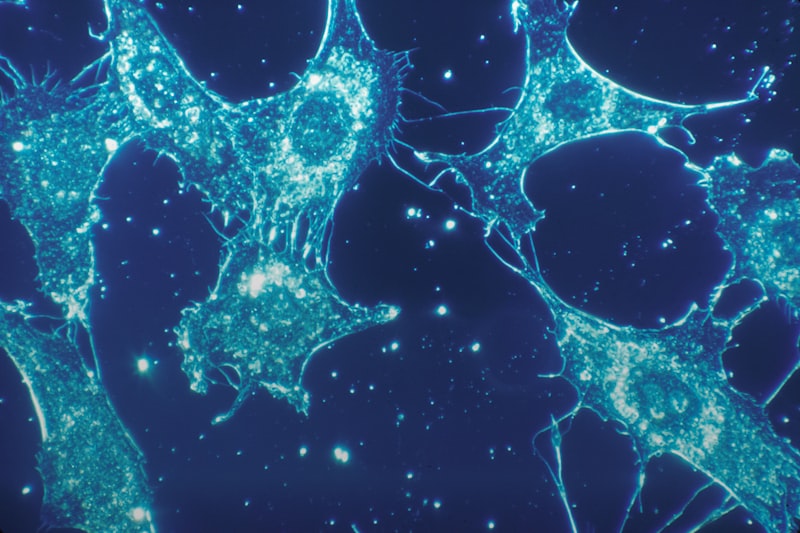
Introduction: Defining Necrosis
Necrosis represents a catastrophic and unregulated form of accidental cell death (ACD) occurring within living tissue. Unlike the controlled, programmed cellular dismantling known as apoptosis, necrosis is characterized by the premature death of cells in a localized area, typically as a direct result of overwhelming external or internal cellular injury. This process is inherently pathological, meaning it invariably indicates tissue damage caused by severe environmental disturbances, infectious agents, toxins, trauma, or profound ischemic events. The hallmark of necrosis is the rapid loss of cell membrane integrity, leading to cellular swelling, rupture, and the uncontrolled release of intracellular contents into the surrounding extracellular space.
This release of cellular debris and digestive enzymes initiates a vigorous local inflammatory response, which is a key distinguishing feature of necrotic processes in contrast to other forms of cell death. The inflammatory cascade is essential for clearing the dead cells and damaged tissue but often contributes to further collateral injury in the affected region. Consequently, necrosis is not merely an endpoint of cellular viability but an active pathological process that drives disease progression, tissue dysfunction, and often, systemic complications throughout the organism. Understanding the precise mechanisms of necrosis is fundamental to fields ranging from histology and pathology to pharmacology and clinical medicine.
The term itself, derived from the Greek word ‘nekros’ meaning “dead body,” accurately reflects the dramatic, destructive nature of this cellular demise. Because it is directly linked to massive cellular damage, necrosis is almost universally associated with clinically significant tissue injury, whether acute, such as following a myocardial infarction (heart attack), or chronic, as seen in certain neurodegenerative conditions or persistent inflammatory states. The extent and type of necrosis often dictate the severity and prognosis of the underlying disease.
Historical Context and Early Discoveries
The recognition of localized tissue death dates back centuries, but the formal scientific description and pathological understanding of necrosis were solidified in the mid-19th century. The German physician and pathologist, Rudolf Virchow (1821–1902), is credited with pioneering the modern cellular pathology concept and was the first to rigorously describe the process of cellular death in a pathological context. In his seminal work, Virchow observed the death of cells in tissues, such as the liver of a patient suffering from cirrhosis, and distinguished this process as fundamentally different from normal tissue turnover. His observations, published around 1858, laid the groundwork for differentiating various forms of tissue pathology and established the cellular basis of disease.
Virchow’s early descriptions focused primarily on the morphological changes visible under the microscope—cellular swelling, nuclear changes, and eventual tissue dissolution. Following his initial findings, subsequent generations of histopathologists expanded this knowledge base, linking macroscopic signs of gangrene and ulceration to the underlying microscopic process of necrosis. The early 20th century saw increased focus on the specific causes of necrosis, particularly in the context of vascular occlusion (ischemia) and infectious diseases, leading to the classification of different morphological types, such as coagulative and liquefactive necrosis, which are still central to pathology today.
The distinction between necrosis and other forms of cell death, particularly apoptosis, became clear much later. While scientists understood that cells could die, the mechanistic difference—whether the death was accidental and inflammatory (necrosis) or programmed and orderly (apoptosis)—was not fully appreciated until the latter half of the 20th century. Modern research continues to elucidate the complex molecular pathways that govern necrotic cell fate, moving beyond purely morphological descriptions to include detailed analyses of receptor signaling, reactive oxygen species production, and membrane permeabilization, leading to the identification of regulated necrosis pathways like necroptosis.
Etiology: Primary Causes and Triggers of Necrosis
The underlying causes of necrosis are universally linked to stresses that overwhelm the cell’s homeostatic mechanisms, leading to catastrophic energy failure or structural damage. The primary causes can generally be categorized into physical, chemical, biological, and metabolic insults. Ischemia, the interruption of blood supply leading to oxygen and nutrient deprivation (anoxia), is arguably the most common and clinically relevant trigger, particularly in vital organs like the heart, brain, and kidneys. When oxygen debt is prolonged, mitochondrial oxidative phosphorylation fails, ATP stores are rapidly depleted, and essential ion pumps (like the Na+/K+ ATPase) cease function, leading directly to uncontrolled cellular swelling and death.
Physical damage, such as severe mechanical trauma, extreme thermal insult (burns or frostbite), or excessive ionizing radiation, can directly disrupt the cell membrane and internal organelles, causing immediate, non-reversible injury. Chemical agents and toxins represent another major category. These substances may act by disrupting mitochondrial function (e.g., certain poisons), generating massive amounts of reactive oxygen species (ROS), or directly damaging cellular structural components. Examples include strong acids or bases, high concentrations of therapeutic drugs, and specific environmental toxins that induce direct cytotoxicity.
Furthermore, infection plays a critical role in inducing necrosis. Pathogens, particularly virulent bacteria, can produce potent toxins (e.g., pore-forming toxins) that directly compromise the integrity of the host cell membrane. Additionally, overwhelming or chronic inflammatory responses—often triggered to combat infection—can lead to excessive release of lytic enzymes and free radicals by immune cells like neutrophils, resulting in widespread collateral tissue damage and subsequent necrosis, as frequently observed in abscess formation and septic shock. Regardless of the specific trigger, the common pathway involves an inability of the cell to maintain energy production and osmotic integrity, sealing its fate.
Morphological and Ultrastructural Characteristics
The morphological changes that characterize necrosis are typically rapid and destructive, observable through standard histological staining (Hematoxylin and Eosin, H&E). Unlike the cellular shrinkage seen in apoptosis, necrotic cells exhibit marked cellular and mitochondrial swelling (oncosis), often resulting from osmotic imbalances caused by the failing cell membrane and energy depletion. The cell cytoplasm often appears more eosinophilic (pinker) due to the denaturation of intracellular proteins and the loss of cellular RNA (which is normally basophilic).
Crucial diagnostic hallmarks of necrosis involve irreversible changes to the cell nucleus, collectively known as karyolysis. These nuclear alterations proceed sequentially and are highly characteristic of uncontrolled cell death:
- Pyknosis: The nucleus shrinks dramatically, and the chromatin condenses into a dense, dark, solid, and often irregular mass. This is generally the first recognizable sign of irreversible injury.
- Karyorrhexis: The pyknotic nucleus fragments violently into several small, highly condensed pieces scattered throughout the cytoplasm.
- Karyolysis: The final stage where the nuclear fragments dissolve completely due to the action of deoxyribonucleases (DNases) released from damaged lysosomes. This leaves behind an anucleated, phantom cell remnant.
Following these cellular disruptions, the ruptured cell releases its contents, including powerful digestive enzymes (such as lysosomal hydrolases) and damage-associated molecular patterns (DAMPs), into the interstitial space. This release is the direct trigger for the inevitable local inflammatory response. Macrophages, neutrophils, and other inflammatory cells rapidly infiltrate the area to phagocytose the cellular debris, a process that, while necessary for cleanup, contributes significantly to the surrounding tissue damage and clinical symptoms like edema, heat, and pain.
Classification of Morphological Necrosis Types
Pathologists classify necrosis based on the resulting macroscopic and microscopic appearance of the dead tissue, which often provides clues regarding the underlying cause and the tissue involved. While the fundamental process of cellular rupture is similar, the subsequent enzymatic digestion and structural preservation differ significantly across tissue types and causative agents, leading to distinct patterns.
The major morphological patterns include:
- Coagulative Necrosis: This is the most prevalent form, typically caused by ischemia (e.g., in myocardial infarction or kidney infarcts). It results from denaturation of structural proteins and enzymatic proteins, which inhibits the autolytic activity of lysosomal enzymes. Crucially, the cellular architecture is preserved for several days, creating a firm, pale, ghostly appearance of the tissue where cell outlines remain visible but nuclear staining is lost. This is characteristic of dead tissue in solid organs, except for the brain.
- Liquefactive Necrosis (Colliquative Necrosis): Characteristic of focal bacterial or fungal infections (which recruit inflammatory cells rich in hydrolytic enzymes), and ischemic injury in the central nervous system (CNS). In this type, enzymatic digestion dominates protein denaturation. The dead cells are completely digested, resulting in the transformation of the solid tissue into a viscous liquid mass (often containing pus). This occurs rapidly in cerebral infarcts because the brain lacks a substantial supporting protein matrix and contains high levels of lipolytic enzymes.
- Caseous Necrosis: A distinct form most commonly associated with tuberculosis infection (Mycobacterium tuberculosis), but also seen in some fungal infections. Microscopically, the tissue structure is completely obliterated, but the material is not fully liquefied; instead, it adopts a crumbly, white, cheese-like gross appearance (“caseous”). Histologically, it presents as amorphous granular debris enclosed within a distinctive border of activated macrophages and inflammatory cells, forming a specialized lesion called a granuloma.
- Fat Necrosis: Specifically involves adipose tissue and is caused by the release of powerful lipases, often due to acute pancreatitis or severe trauma to fatty tissues. The lipases hydrolyze triglycerides into fatty acids, which then combine with calcium ions to form visible, chalky white deposits, a process known as saponification.
- Fibrinoid Necrosis: Typically observed in immune reactions involving blood vessels (vasculitis) and in severe malignant hypertension. It involves the deposition of immune complexes and plasma proteins, including fibrin, within the arterial walls, resulting in a bright pink, amorphous appearance under H&E staining, resembling fibrin.
A clinically significant gross pattern is Gangrenous Necrosis, which is usually a modification of coagulative necrosis (often due to peripheral limb ischemia). Dry gangrene is purely ischemic coagulative necrosis of an extremity, while wet gangrene involves the subsequent superimposed infection of the dead tissue by saprophytic bacteria, leading to a massive liquefactive component and systemic toxicity.
Distinction from Programmed Cell Death (Apoptosis)
The distinction between necrosis and apoptosis is one of the most fundamental concepts in cellular pathology. While both processes result in cell death, they differ dramatically in their mechanism, morphology, and physiological significance. Necrosis is uncontrolled, passive, and pathological, resulting from severe injury; apoptosis is controlled, active, genetically programmed, and often physiological, essential for development and tissue homeostasis.
A primary difference lies in membrane integrity and cellular volume. Necrosis involves cellular swelling (oncosis) and eventual rupture, leading to the uncontrolled release of highly immunostimulatory intracellular contents (DAMPs). Apoptosis, conversely, involves cellular shrinkage and the systematic formation of small, membrane-bound apoptotic bodies. This careful packaging ensures that the cellular contents remain contained, and the apoptotic bodies are swiftly cleared by phagocytes without causing inflammation.
Mechanistically, necrosis is often characterized by rapid ATP depletion, mitochondrial failure leading to severe oxidative stress, and the non-specific activation of lytic enzymes. Apoptosis, in sharp contrast, is an energy-dependent process requiring ATP for the precise activation of caspases—a family of cysteine proteases responsible for the orderly and stepwise dismantling of the cell’s internal structure without compromising the plasma membrane until the final engulfment. The end goal of apoptosis is quiet, orderly removal, whereas the end result of necrosis is severe tissue destruction and acute inflammation.
Clinical Significance and Associated Pathologies
As a ubiquitous pathological process, necrosis is central to the pathogenesis of numerous acute and chronic human diseases. Any condition that severely compromises blood flow (ischemia), introduces overwhelming cytotoxic agents, or induces massive inflammatory damage will inevitably lead to widespread necrotic tissue death. The most critical manifestation of necrosis is seen in cardiovascular events, such as myocardial infarction (heart attack) and cerebral infarction (ischemic stroke), where interruption of arterial supply leads to massive coagulative or liquefactive necrosis, respectively, resulting in irreversible organ damage and functional deficit.
Beyond acute ischemic events, necrosis is a defining feature in severe infectious diseases, autoimmune disorders, and traumatic injuries. In conditions like severe acute pancreatitis, the uncontrolled release of active digestive enzymes into the surrounding tissue causes extensive peripancreatic fat necrosis. Chronic bacterial infections, particularly those caused by mycobacteria, induce the distinctive caseous necrosis seen in granulomatous inflammation. Furthermore, certain rapidly growing cancers can outgrow their limited blood supply, leading to large central necrotic areas within tumors, a feature that often correlates negatively with patient prognosis.
The detection of specific intracellular enzymes in the bloodstream serves as a vital diagnostic tool, directly indicating that cell rupture and release of contents—the definition of necrosis—has occurred in a specific organ. For instance, elevated levels of creatine kinase (CK) and cardiac troponins signal myocardial necrosis, while elevated transaminases signal hepatic necrosis. The extent of necrotic damage often determines the clinical outcome, necessitating prompt diagnosis and intervention to limit further tissue loss and manage the severe inflammatory sequelae.
Therapeutic Management of Necrotic Tissue
The therapeutic approach to managing necrosis focuses on two primary goals: halting the underlying cause of cell death and removing the resultant dead tissue to prevent secondary infection and facilitate healing. Immediate intervention is required to restore blood flow in ischemic conditions, such as administering thrombolytics or performing angioplasty during an acute myocardial infarction to limit the zone of necrotic tissue expansion and prevent further cellular damage in the ischemic penumbra.
For areas of localized necrosis, particularly those resulting from infection, pressure, or trauma (e.g., deep burns, pressure ulcers, gangrene), the standard of care is debridement—the surgical, mechanical, or enzymatic removal of dead, damaged, or infected tissue. Debridement is essential because necrotic tissue acts as a perfect, non-viable substrate for rapid bacterial proliferation and prevents healthy tissue granulation and effective wound closure. If the necrotic area is large, such as in gangrene of a limb, amputation may be required to save the patient from systemic sepsis.
Advanced wound care techniques, including negative pressure wound therapy (NPWT) and hyperbaric oxygen therapy (HBOT), are often employed adjunctively to optimize local tissue conditions, promote oxygenation, and encourage the influx of healing cells to the periphery of the necrotic zone. Research into pharmacological interventions aimed at modulating the molecular pathways of regulated necrosis (necroptosis) continues to offer future potential for limiting uncontrolled cell death in acute injuries like stroke, traumatic brain injury, and reperfusion injury, offering new avenues for therapeutic limitation of irreversible tissue damage.
References and Further Reading
- Krishnamurthy, S., & Nugent, M. (2018). Necrosis: Definition, Types, Causes, and Treatment. Frontiers in Medicine, 5, 1-8.
- Halla, S., & Kollipara, R. (2015). Necrosis: Understanding the Causes, Types, and Treatment. Journal of Clinical and Experimental Pathology, 5(2), 43-50.
- Mishra, S., & Agarwal, R. (2014). Necrosis and Apoptosis: A Comparison of the Two Cell Death Pathways. Current Biology, 24(18), R837-R842.
- Kumar, S., & Sharma, S. (2012). Necrosis: Mechanisms, Types and Clinical Significance. Indian Journal of Clinical Biochemistry, 27(3), 244-250.