Neonatal Attachment: The Foundation of Lifelong Security
Scientifically Reviewed · Dr. Marwa Abd-Alazim · October 11, 2026
Review Criteria & Clinical Standards
This content undergoes rigorous scientific peer-review and medical editorial standards at Arab Psychology Network to ensure clinical accuracy, validity, and compliance with evidence-based guidelines from leading psychological and healthcare authorities (APA / WHO).
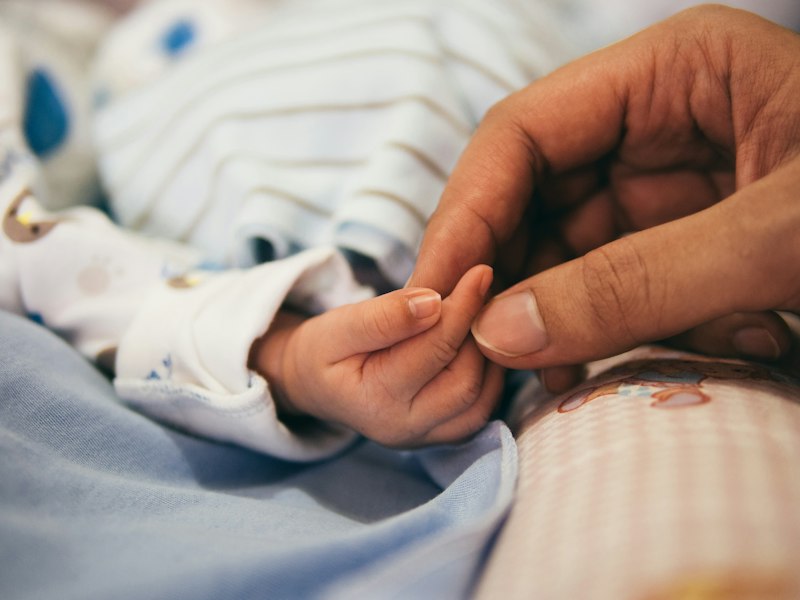
Core Definition of Neonatal Care
Neonatal care is a highly specialized branch of medicine exclusively dedicated to the medical treatment and comprehensive health management of newborn infants, typically encompassing the critical period from birth through the first 28 days of life, also known as the neonatal period. This initial month is characterized by rapid physiological adjustments as the infant transitions from the intrauterine environment to independent extrauterine existence, making it a period of heightened vulnerability and intense developmental processes. The fundamental goal of neonatal care is to facilitate this complex transition, proactively identify and manage potential health complications, and ensure optimal growth and development from the earliest stages of life.
The key idea underpinning neonatal care is the recognition that newborns, especially those born prematurely or with medical challenges, possess uniquely sensitive and fragile physiological systems that differ significantly from those of older children or adults. Their organ systems are still maturing, their immune responses are nascent, and their homeostatic mechanisms are less robust. Consequently, they require meticulously tailored medical interventions, specialized environmental controls, and a precise understanding of their developmental trajectory. This specialized attention ensures that any deviations from healthy development or emergent health issues are detected promptly and addressed with targeted, effective strategies designed to safeguard the infant’s immediate survival and long-term well-being.
While often considered a subset of pediatrics, neonatal care distinguishes itself by its singular focus on this extremely early stage of life, where the physiological challenges are distinct and often life-threatening. Unlike general pediatricians who treat children across a broad age range, neonatologists possess expertise in conditions specific to newborns, such as respiratory distress syndrome, neonatal jaundice, and complications associated with preterm birth. This dedicated specialization allows for the provision of sophisticated, evidence-based care that is crucial for improving outcomes in this vulnerable population, addressing not just immediate medical needs but also laying the groundwork for healthy development into childhood and beyond.
Historical Context and Evolution
The provision of specialized care for newborns is a relatively modern development in medicine. For much of human history, infant mortality rates were tragically high, with little understanding of the specific medical needs of neonates. Early forms of “neonatal care” were largely confined to basic midwifery practices, focusing on safe delivery and maternal well-being, with sick or premature infants often receiving minimal, if any, medical intervention beyond rudimentary warmth and nutrition. The concept of a dedicated medical specialty for infants only began to emerge in the late 19th and early 20th centuries, driven by increasing scientific understanding of physiology and disease, coupled with a growing societal concern for infant welfare.
Significant breakthroughs began to materialize with the advent of scientific inquiry into infant diseases. Key figures like Dr. Pierre-Constant Budin in France, in the late 19th century, are often credited with pioneering early efforts in neonatology, advocating for specific feeding regimens, hygiene, and the use of primitive incubators to keep premature infants warm. His work, particularly his emphasis on reducing infant mortality through systematic care and careful observation, laid foundational principles. The early 20th century saw gradual improvements in understanding infant infections, nutrition, and respiratory physiology, leading to the development of more advanced incubators and the first dedicated hospital units for premature infants, though these were still far from the comprehensive facilities we know today.
The true formalization of neonatology as a distinct medical specialty accelerated in the mid-20th century, particularly after the 1960s. This period witnessed rapid advancements in medical technology, including the development of mechanical ventilation for infants, improved intravenous nutrition, and sophisticated monitoring equipment. The understanding of conditions like hyaline membrane disease (now known as respiratory distress syndrome) and the introduction of surfactant therapy revolutionized the survival rates of extremely premature infants. This confluence of technological innovation, deeper physiological understanding, and the establishment of dedicated training programs for neonatologists solidified the field, transforming what was once a largely fatal prognosis for many newborns into a condition with increasingly positive outcomes.
The Neonatal Intensive Care Unit (NICU)
The most advanced form of neonatal care is provided within a Neonatal Intensive Care Unit (NICU), a highly specialized ward designed to care for critically ill or premature infants. NICUs are categorized into different levels, reflecting their capabilities: Level I provides basic care for healthy full-term infants; Level II offers specialized care for moderately ill or preterm infants; and Level III and IV NICUs provide the most comprehensive, subspecialty care for the sickest and most complex newborns, including those requiring advanced respiratory support, surgical interventions, and highly specialized diagnostics. These units are equipped with state-of-the-art medical technology, including advanced incubators that precisely regulate temperature and humidity, sophisticated cardiac and respiratory monitors, and specialized equipment for administering medications and nutrition.
Care within a NICU is inherently a team-based endeavor, involving a diverse array of highly trained professionals. At the core are neonatologists, pediatricians with extensive subspecialty training in neonatal medicine, who lead the medical management. They work in close collaboration with neonatal nurses, who provide continuous bedside care and administer treatments; respiratory therapists, who manage breathing support; and a host of other specialists. This interdisciplinary team may include pediatric surgeons, cardiologists, neurologists, ophthalmologists, dietitians, pharmacists, social workers, and developmental therapists, all contributing their expertise to address the multifaceted needs of these vulnerable patients. The coordinated efforts of this team are crucial for providing holistic care, encompassing medical treatment, developmental support, and crucial emotional support for the infant’s family.
Advanced technologies and interventions are hallmarks of modern NICU care, enabling the survival and improved outcomes for infants who, just decades ago, would not have survived. This includes sophisticated mechanical ventilators capable of delivering precise levels of respiratory support, ranging from conventional ventilation to high-frequency oscillatory ventilation; extracorporeal membrane oxygenation (ECMO) for severe heart and lung failure; and various forms of phototherapy for treating neonatal jaundice. Furthermore, NICUs utilize advanced imaging techniques, such as cranial ultrasounds and MRI scans, and employ specialized nutritional strategies, including total parenteral nutrition (TPN) and carefully fortified breast milk, to support growth and development in infants who cannot feed orally. The continuous innovation in these areas underscores the dynamic and life-saving nature of NICU care.
Key Health Concerns and Interventions
Neonatal care primarily addresses a spectrum of unique health concerns that arise during the first month of life, with prematurity being one of the most significant. Infants born before 37 weeks of gestation face numerous challenges due to underdeveloped organ systems. Common issues include respiratory distress syndrome (RDS), caused by insufficient surfactant in the lungs, making breathing difficult. Other respiratory complications can include apnea of prematurity, where infants periodically stop breathing, and bronchopulmonary dysplasia (BPD), a chronic lung disease. Management often involves respiratory support through ventilators, CPAP, and administration of artificial surfactant to aid lung function.
Beyond prematurity, other critical conditions frequently managed in neonatal care include infections, congenital anomalies, and metabolic disorders. Neonatal sepsis, a severe systemic infection, can be rapidly life-threatening due to the infant’s immature immune system, necessitating prompt diagnosis and aggressive antibiotic treatment. Neonatal jaundice, a yellow discoloration of the skin and eyes caused by elevated bilirubin levels, is very common and requires monitoring and often phototherapy to prevent neurological damage. Infants born with congenital malformations affecting the heart, brain, kidneys, or gastrointestinal tract often require complex surgical interventions and long-term specialized care, coordinating efforts across multiple pediatric subspecialties.
A wide array of specific treatments and monitoring techniques are employed to address these challenges. Nutritional support is paramount, often beginning with intravenous feeding (parenteral nutrition) for infants unable to tolerate oral feeds, gradually transitioning to specialized formulas or fortified breast milk. Temperature regulation is critical, maintained through incubators or radiant warmers. Continuous monitoring of vital signs, including heart rate, respiratory rate, oxygen saturation, and blood pressure, allows for immediate detection of changes. Specialized screenings for genetic and metabolic disorders, hearing, and vision are also routine components of neonatal care, ensuring early diagnosis and intervention for conditions that could impact long-term development.
A Practical Example: Care for a Preterm Infant
To illustrate the comprehensive nature of neonatal care, consider the real-world scenario of an infant born extremely prematurely, for instance, at 26 weeks of gestation. This infant, let’s call her “Baby Emily,” weighs barely two pounds and is critically fragile. Her lungs are severely underdeveloped, her skin is thin and translucent, and her neurological system is immature. Upon birth, Baby Emily would immediately be transferred to a Level III or IV NICU, where a specialized team is ready to provide immediate, life-sustaining interventions. This scenario highlights the intensive, multi-faceted approach required for such vulnerable patients.
The “how-to” of Baby Emily’s care begins moments after delivery. She would be placed in a specialized incubator to maintain her core body temperature, as preterm infants cannot regulate their own heat effectively. Respiratory support would be initiated immediately, likely with a mechanical ventilator to assist her immature lungs in breathing, and she would receive surfactant therapy directly into her lungs to help them expand. Intravenous lines would be established to provide essential fluids, medications, and total parenteral nutrition (TPN) since her digestive system is too immature to process milk. Continuous monitoring of her heart rate, oxygen levels, blood pressure, and brain activity would be paramount, with alarms set to alert nurses to any subtle changes.
As Baby Emily stabilizes over weeks, her care would evolve. The goal would be to gradually wean her off the ventilator, moving to less invasive breathing support like CPAP. Her nutrition would transition from TPN to fortified breast milk, initially delivered through a feeding tube, and eventually, she would begin oral feeding when her suck and swallow reflexes mature. Throughout her NICU stay, she would receive developmental care, including gentle handling, minimal stimulation, and positioning support to encourage healthy growth. Regular screenings for retinopathy of prematurity (ROP) and hearing loss would be performed, alongside follow-up ultrasounds of her brain to monitor for potential complications. Upon discharge, which could be months later, Emily would enter a comprehensive follow-up program involving neonatologists, physical therapists, and other specialists to monitor her long-term development.
Significance and Broader Impact
The significance of neonatal care to the field of medicine and public health cannot be overstated. It has fundamentally transformed the landscape of infant mortality and morbidity, dramatically improving survival rates for infants, especially those born prematurely or with critical conditions. Before the advent of modern neonatology, many conditions that are now treatable were invariably fatal. The dedicated focus on the unique physiology and pathology of newborns has led to groundbreaking research and clinical advancements that directly translate into saved lives and significantly better health outcomes for millions of infants worldwide, contributing substantially to global public health metrics related to child survival.
Beyond immediate survival, neonatal care plays a crucial role in improving the long-term developmental outcomes and overall quality of life for infants who overcome early challenges. Through early identification and intervention for conditions like cerebral palsy, developmental delays, and sensory impairments, neonatologists and their teams help mitigate the long-term sequelae of prematurity and illness. The emphasis on neurodevelopmental follow-up, early intervention therapies (such as physical, occupational, and speech therapy), and family-centered care ensures that infants receive the comprehensive support needed to reach their full potential, thereby reducing the burden of lifelong disability and enhancing their integration into society.
The application of neonatal concepts extends beyond the hospital walls, influencing public health policies, parental education, and even medical ethics. Public health initiatives, such as widespread newborn screening programs for metabolic and genetic disorders, are direct outgrowths of neonatology’s focus on early detection. The principles of family-centered care, emphasizing parental involvement in decision-making and care provision, have become a cornerstone of modern pediatric practice. Furthermore, the ethical dilemmas surrounding the beginning of life, particularly regarding viability and quality of life for extremely premature or severely compromised infants, are frequently discussed and debated within the context of neonatal care, underscoring its profound societal and ethical implications.
Connections to Other Fields of Psychology and Medicine
Neonatal care is inherently interdisciplinary, drawing upon and contributing to numerous other fields of psychology and medicine. Within psychology, it has strong connections to developmental psychology, particularly concerning the understanding of early brain development, sensory processing, and the emergence of cognitive and emotional capacities. Research in neonatology often informs theories of attachment and bonding, as the unique circumstances of NICU care can impact the initial interactions between infants and their parents, leading to specific psychological interventions aimed at fostering healthy family dynamics and mitigating potential stressors on parental mental health.
Medically, neonatal care is deeply intertwined with obstetrics, the branch of medicine dealing with childbirth and the care of women during pregnancy. The concept of perinatal medicine exemplifies this connection, focusing on the health of both mother and fetus during pregnancy, delivery, and the immediate postnatal period. Collaboration between obstetricians and neonatologists is critical for managing high-risk pregnancies, planning deliveries for infants with anticipated complications, and initiating immediate care upon birth. Additionally, neonatology collaborates extensively with pediatric subspecialties such as pediatric cardiology, neurology, gastroenterology, and surgery, as many conditions originating in the neonatal period require ongoing specialized care into childhood and adolescence.
More broadly, neonatal care belongs to the overarching category of Perinatal Medicine and Pediatrics. It also has significant links to fields like medical ethics, particularly regarding decisions about life support, palliative care for infants with life-limiting conditions, and the allocation of intensive care resources. Public health and epidemiology also benefit from neonatology, as data on neonatal mortality and morbidity are crucial indicators of a society’s health and the effectiveness of its healthcare systems. The continuous dialogue and collaboration across these diverse fields ensure that neonatal care remains at the forefront of medical innovation and compassionate patient care.