The Nervous System: Unlock Your Body’s Hidden Potential
Scientifically Reviewed · Dr. Marwa Abd-Alazim · September 27, 2026
Review Criteria & Clinical Standards
This content undergoes rigorous scientific peer-review and medical editorial standards at Arab Psychology Network to ensure clinical accuracy, validity, and compliance with evidence-based guidelines from leading psychological and healthcare authorities (APA / WHO).
Foundations of Neural Architecture and Systemic Organization
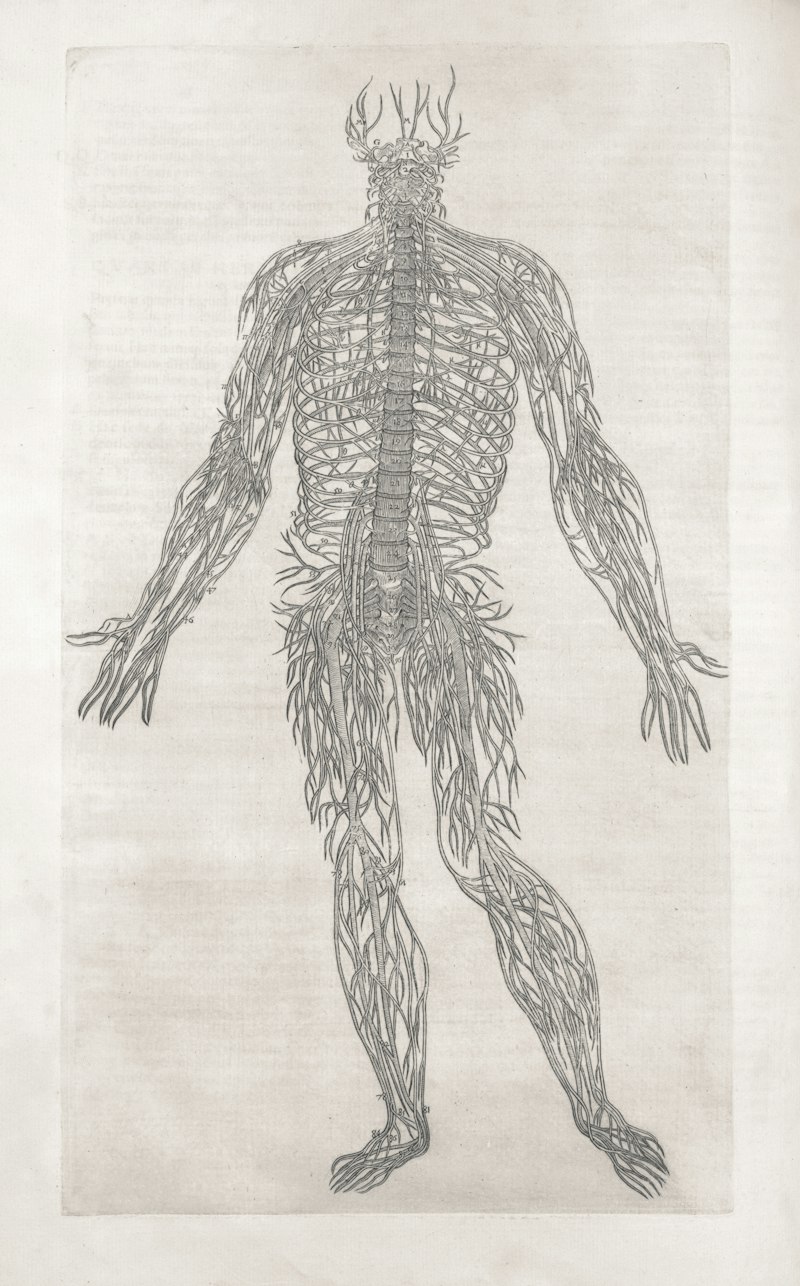
The nervous system represents an extraordinarily intricate and highly specialized network of cells, tissues, and organs that serves as the primary mechanism for coordinating and controlling the vast array of functions within the human body. As a sophisticated communication infrastructure, it integrates internal and external stimuli to produce coherent responses that ensure survival and homeostatic balance. This system is fundamentally organized into two primary divisions: the central nervous system (CNS) and the peripheral nervous system (PNS). The structural integrity and functional synergy between these two components are essential for the regulation of everything from basic physiological processes to the most complex aspects of human cognition and behavior.
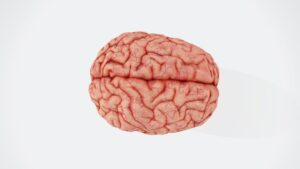
The central nervous system acts as the processing and command center for the entire organism, consisting of the brain and the spinal cord. Within this hub, sensory information is interpreted, decisions are formulated, and motor commands are initiated. The spinal cord serves as the vital conduit for signals traveling between the brain and the rest of the body, while also managing certain reflexive actions that bypass higher-order processing for the sake of speed. By consolidating these functions, the CNS ensures that the body operates as a unified entity rather than a collection of disparate parts, allowing for the high-level integration of thought, memory, and emotion.
Conversely, the peripheral nervous system encompasses all the neural tissues located outside the CNS, primarily consisting of sensory and motor nerve fibers. These fibers act as the interface between the central processing units and the body’s various systems, including the limbs, skin, and internal organs. The PNS is responsible for the bidirectional flow of information, carrying sensory data from the environment toward the CNS and delivering motor instructions from the CNS to the muscles and glands. This continuous loop of feedback and execution is what enables an individual to interact effectively with their surroundings and respond to changing internal states.
Together, the CNS and PNS work in concert to regulate and integrate the body’s myriad activities, ranging from high-level cognitive processes like abstract reasoning to fundamental biological necessities such as digestion and respiration. According to Buttner & Stüttgen (2017), this duality of the nervous system is what allows for the seamless transition between conscious movement and the involuntary maintenance of life-sustaining functions. The complexity of this network is a testament to the evolutionary refinement of the human species, providing a robust framework for adapting to complex environments and maintaining internal stability across the lifespan.
The Specialized Biology of Neurons and Nerve Cells
At the most fundamental level, the nervous system is composed of neurons, or nerve cells, which function as the essential building blocks of all neural activity. These specialized cells are uniquely adapted to perform the task of transmitting information throughout the body with remarkable speed and precision. Unlike other cells in the body, neurons possess a unique morphology that includes a cell body, dendrites for receiving signals, and a long axon for sending signals to distant targets. This structural specialization is critical for the formation of the vast networks that underpin every aspect of human sensation and action.
The primary role of neurons is to facilitate the transmission of information through electrical and chemical means. These cells possess specialized membranes that allow them to generate and propagate electrical signals, known as action potentials, which travel along the length of the axon. As noted by Gould (2019), these structures enable the nervous system to receive sensory input from the environment and transmit corresponding electrical signals to the brain for interpretation. This rapid signaling is the basis for all bodily control, from the split-second reaction to a painful stimulus to the sustained coordination required for complex motor tasks.
Communication between neurons is not a purely electrical process but involves a sophisticated chemical exchange at specialized junctions called synapses. When an electrical signal reaches the end of an axon, it triggers the release of chemical messengers known as neurotransmitters. These chemicals cross the synaptic gap and bind to receptors on the receiving neuron, either stimulating or inhibiting further electrical activity. This chemical signaling allows for a level of complexity and nuance in neural communication that electrical signaling alone could not achieve, enabling the brain to process information with incredible sensitivity.
The health and efficiency of neurons are paramount to the overall functionality of the nervous system. Because neurons are highly metabolic and often have very long axons, they require significant support from auxiliary cells and a steady supply of nutrients. Any disruption in the ability of neurons to maintain their structural integrity or their signaling capabilities can lead to a breakdown in communication within the body. Therefore, the basic building blocks of the nervous system are not only the vehicles for information but also the critical points of vulnerability where diseases and injuries can have the most profound impacts on human health.
Functional Divisions: The Somatic and Autonomic Systems
The nervous system can be functionally categorized into two major divisions: the somatic nervous system and the autonomic nervous system. This distinction is based on the type of functions they control and the degree of conscious awareness involved in their operation. The somatic system is primarily associated with the body’s interaction with the external environment. It governs voluntary movements by controlling skeletal muscles and facilitates sensation by relaying information from the skin, muscles, and sensory organs to the central nervous system, thereby allowing us to perceive and navigate the world around us.
In contrast, the autonomic nervous system is responsible for the regulation of the body’s internal environment, managing involuntary functions that occur without conscious effort. This includes the modulation of heart rate, the regulation of blood pressure, the process of digestion, and the control of respiratory rates. By automating these essential life-support processes, the autonomic system frees the conscious mind to focus on external tasks and higher-level cognitive functions. Gould (2019) emphasizes that while these systems are distinct in their roles, they are deeply interconnected, ensuring that the body’s internal state is always optimized for its external activities.
The somatic system’s role in voluntary movement is facilitated by motor neurons that exit the spinal cord and terminate directly on skeletal muscle fibers. This direct connection allows for the precise control of movement, from the fine motor skills required for writing to the powerful contractions needed for running. On the sensory side, the somatic system utilizes specialized receptors to detect changes in temperature, pressure, and pain, providing the CNS with a constant stream of data about the body’s physical state and its immediate surroundings.
The autonomic system is further subdivided into two complementary branches: the sympathetic and parasympathetic systems. These two branches typically act in opposition to one another to maintain homeostasis. The sympathetic branch prepares the body for action during times of stress or perceived threat, while the parasympathetic branch promotes “rest and digest” activities that conserve energy and maintain long-term health. The balance between these two systems is critical for the body’s ability to respond to challenges while also ensuring that it can recover and rebuild its resources during periods of calm.
The Autonomic Subdivisions: Sympathetic and Parasympathetic Dynamics
The sympathetic nervous system is often described as the “fight or flight” mechanism of the body. When an individual encounters a stressful or dangerous situation, this branch of the autonomic system is activated to prepare the body for immediate physical exertion. It triggers a cascade of physiological changes, including an increase in heart rate, the dilation of bronchial passages to improve oxygen intake, and the mobilization of glucose for quick energy. Additionally, it diverts blood flow away from non-essential systems, such as digestion, and toward the skeletal muscles and brain to enhance alertness and physical performance.
Conversely, the parasympathetic nervous system serves as the “rest and digest” or “feed and breed” counterpoint to the sympathetic branch. Its primary role is to bring the body back to a state of equilibrium after a stressor has passed and to manage routine maintenance functions during periods of inactivity. Activation of the parasympathetic system results in a decreased heart rate, the stimulation of digestive enzymes and gastrointestinal motility, and the constriction of pupils. By promoting energy conservation and nutrient absorption, the parasympathetic system ensures the long-term viability and health of the organism.
The interplay between the sympathetic and parasympathetic systems is a dynamic and continuous process of adjustment. Rather than being a simple “on/off” switch, these systems operate like a see-saw, where one may be more active than the other depending on the requirements of the moment. This dual innervation of most internal organs allows for extremely fine-tuned control over physiological states. For instance, the regulation of heart rate is a constant balance between sympathetic acceleration and parasympathetic deceleration, allowing the body to adapt instantly to changes in physical activity or emotional state.
This sophisticated regulatory mechanism is essential for survival, as it allows the body to prioritize immediate safety without neglecting the long-term maintenance of internal organs. Chronic imbalances in this system, such as a perpetually overactive sympathetic response due to chronic stress, can lead to significant health issues, including hypertension and digestive disorders. Understanding the sympathetic and parasympathetic dynamics is therefore crucial for grasping how the nervous system maintains the delicate balance of life under varying environmental conditions.
Sensory Integration and Motor Execution
The nervous system’s ability to integrate sensory information and execute motor commands is what allows for purposeful interaction with the world. This process begins with sensory receptors throughout the body that detect various forms of energy, such as light, sound, heat, and mechanical pressure. These receptors convert environmental stimuli into electrical impulses that travel via the peripheral nervous system to the central nervous system. Once in the CNS, these signals are sorted, prioritized, and interpreted, a process known as sensory integration, which forms the basis of our perception of reality.
Following the integration of sensory data, the brain must often formulate a response, which is then carried out through motor execution. This involves sending signals from the motor cortex of the brain down the spinal cord and out through the motor fibers of the PNS to the appropriate muscles. This pathway is responsible for every movement we make, whether it is a complex sequence of actions like playing a musical instrument or a simple reflex like pulling a hand away from a hot stove. The speed at which this sensory-motor loop operates is a testament to the efficiency of neural signaling.
Effective motor execution also requires continuous feedback from the muscles and joints, a sense known as proprioception. This feedback allows the central nervous system to make real-time adjustments to movements, ensuring they are smooth, accurate, and coordinated. Without this constant stream of information, even the simplest tasks would become clumsy and difficult. The integration of proprioceptive data with other sensory inputs like vision and balance is what enables the high degree of athletic and artistic skill seen in human performance.
Furthermore, the nervous system also manages motor functions that are not entirely voluntary, such as the maintenance of posture and the coordination of rhythmic activities like walking. These functions are often managed by lower centers of the brain and the spinal cord, allowing the higher-order cognitive centers to remain focused on more complex decision-making. This hierarchical organization of the nervous system ensures that the body can perform a multitude of tasks simultaneously, managing both the fine details of movement and the broad goals of behavior.
Consequences of Neural Damage and Trauma
The nervous system is as vulnerable as it is vital, and any damage to its delicate structures can have profound and often irreversible consequences. Damage can occur through physical trauma, such as a spinal cord injury or a traumatic brain injury, or through internal events like a stroke or an infection. Because neurons have a limited capacity for regeneration compared to other cell types, injuries to the central nervous system are particularly devastating, often leading to a permanent loss of function in the areas of the body controlled by the damaged neural tissue.
Physical symptoms of nervous system damage are perhaps the most visible consequences and can range from mild weakness to total paralysis. For example, damage to the motor pathways in the spinal cord can interrupt the flow of signals between the brain and the limbs, resulting in a loss of voluntary movement and sensation below the level of the injury. As noted by Gould (2019), such injuries not only impact physical mobility but also interfere with the autonomic regulation of internal organs, leading to complications in bladder control, blood pressure regulation, and respiratory function.
Beyond the physical manifestations, damage to the nervous system frequently results in significant cognitive and emotional symptoms. Injuries to the brain can alter a person’s personality, impair their memory, and diminish their ability to process information or regulate their emotions. Symptoms such as confusion, depression, anxiety, and irritability are common in individuals who have suffered neural trauma. These changes can be just as debilitating as physical paralysis, as they affect an individual’s identity, their relationships, and their ability to engage with the world around them.
The broad spectrum of symptoms associated with neural damage highlights the systemic importance of the nervous system. Because it is the master regulator of both the body and the mind, its impairment is never a localized issue; it ripples through every aspect of a person’s life. The rehabilitation process for neural damage is often long and difficult, focusing on neuroplasticity—the brain’s limited ability to reorganize itself and form new neural connections to compensate for the lost functions. This underscores the critical need for protective measures and rapid medical intervention in cases of neural injury.
Neurodegenerative Diseases and Chronic Impairment
In addition to acute trauma, the nervous system is susceptible to a variety of chronic, progressive conditions known as neurodegenerative diseases. These disorders are characterized by the gradual loss of structure or function of neurons, which eventually leads to cell death. Two of the most prominent examples of such conditions are Alzheimer’s disease and Parkinson’s disease. These diseases represent a significant challenge to modern medicine, as they are currently incurable and place a heavy burden on both the individuals affected and their caregivers.
Alzheimer’s disease primarily affects the cognitive functions of the brain, starting with mild memory loss and progressing to severe cognitive decline. It is characterized by the accumulation of abnormal protein deposits in the brain, which disrupt communication between neurons and eventually lead to widespread cell death. As the disease advances, individuals may lose the ability to recognize loved ones, perform basic daily tasks, and communicate effectively. The impact on the quality of life is profound, as the disease slowly erodes the very essence of the person’s cognitive identity.
Parkinson’s disease, on the other hand, is primarily a motor system disorder, although it also involves cognitive and emotional symptoms in its later stages. It is caused by the loss of dopamine-producing neurons in a specific region of the brain responsible for coordinating movement. The hallmarks of the disease include tremors, rigidity, slowness of movement, and postural instability. According to Gould (2019), the progression of Parkinson’s can significantly impair a person’s independence, making simple actions like walking or eating increasingly difficult and eventually leading to severe physical disability.
The prevalence of these diseases is increasing as the global population ages, making the study of the nervous system and its pathologies more urgent than ever. Research into the underlying mechanisms of neurodegeneration focuses on genetic factors, environmental influences, and the role of cellular processes like inflammation and oxidative stress. While current treatments can often help manage the symptoms and improve quality of life for a period, the search for disease-modifying therapies that can stop or reverse the progression of these conditions remains a top priority in the field of neuroscience.
The Vital Role of Homeostatic Integration
The nervous system’s role in maintaining homeostasis—the body’s state of internal stability—cannot be overstated. By constantly monitoring variables such as body temperature, blood pH, glucose levels, and hydration, the nervous system ensures that the internal environment remains within the narrow range necessary for life. This monitoring is largely performed by the hypothalamus and other specialized regions of the brain that receive input from the autonomic nervous system and the endocrine system. When deviations from the norm are detected, the nervous system initiates corrective actions to restore balance.
This homeostatic control is achieved through complex feedback loops. For instance, when body temperature rises, the nervous system triggers sweating and the dilation of blood vessels in the skin to dissipate heat. Conversely, if temperature drops, it induces shivering and the constriction of blood vessels to conserve warmth. These responses are involuntary and highly efficient, demonstrating the nervous system’s capacity to manage the body’s survival needs without the requirement for conscious thought. This level of integration is essential for the organism’s ability to survive in diverse and changing environments.
Furthermore, the nervous system coordinates the body’s response to nutritional and metabolic needs. Feelings of hunger and thirst are generated by the brain in response to signals from the digestive tract and the blood, prompting the individual to seek out food and water. Once consumed, the autonomic nervous system manages the complex processes of digestion and nutrient absorption, ensuring that the body has the energy and raw materials it needs to function. This seamless integration of behavioral drives and physiological processes is a hallmark of the nervous system’s regulatory power.
In summary, the nervous system is the ultimate integrator of human biology. It bridges the gap between the internal world of the cell and the external world of the environment, ensuring that all systems work together in harmony. The maintenance of this harmony is vital for health, and its disruption can lead to systemic failure. As we continue to explore the complexities of neural function, we gain a deeper appreciation for the nervous system as the foundation of both our physical existence and our conscious experience.
Summary of Scholarly Perspectives
The study of the nervous system is a multidisciplinary endeavor that combines insights from anatomy, physiology, and behavioral neuroscience. Scholars like Buttner & Stüttgen (2017) provide a comprehensive structural overview, emphasizing the anatomical divisions of the CNS and PNS and their respective roles in human neuroanatomy. Their work highlights the physical complexity of the neural pathways that allow for the regulation of the body’s most basic functions. This structural foundation is essential for understanding how the nervous system operates as a unified communication network across the entire organism.
From a more functional and pathological perspective, Gould (2019) explores the behavioral and clinical implications of neural activity and dysfunction. By examining the impact of diseases and injuries, this research underscores the fragility of the nervous system and the high stakes involved in its preservation. The transition from healthy neural communication to the debilitating symptoms of neurodegenerative disease illustrates the delicate balance required for optimal human functioning. These scholarly contributions provide the academic framework necessary for both clinical practice and continued scientific discovery.
The ongoing research in this field continues to reveal new layers of complexity, such as the role of glial cells in supporting neurons and the influence of the gut-brain axis on mental health. As our understanding of the nervous system evolves, so too does our ability to treat its disorders and enhance its function. The integration of molecular biology, imaging technology, and psychological theory is paving the way for a more holistic understanding of the nervous system’s role in the human experience. Ultimately, the nervous system remains one of the most fascinating and vital areas of scientific inquiry.
Academic References
- Buttner, P., & Stüttgen, G. (2017). The Nervous System: An Overview. In K.N. Prabhu, J.K. Khandelwal, & S.K. Khandelwal (Eds.), Textbook of Human Neuroanatomy (2nd ed., pp. 1-50). New Delhi, India: Jaypee Brothers Medical Publishers.
- Gould, E. (2019). Nervous System. In M.J. Aminoff, F. Boller, & D. Swaab (Eds.), Encyclopedia of Behavioral Neuroscience (3rd ed., pp. 103-110). Amsterdam, Netherlands: Elsevier.