The Nervous System: Decoding Your Body’s Command Center
Scientifically Reviewed · Dr. Marwa Abd-Alazim · September 26, 2026
Review Criteria & Clinical Standards
This content undergoes rigorous scientific peer-review and medical editorial standards at Arab Psychology Network to ensure clinical accuracy, validity, and compliance with evidence-based guidelines from leading psychological and healthcare authorities (APA / WHO).
The Integrative Role of the Nervous System
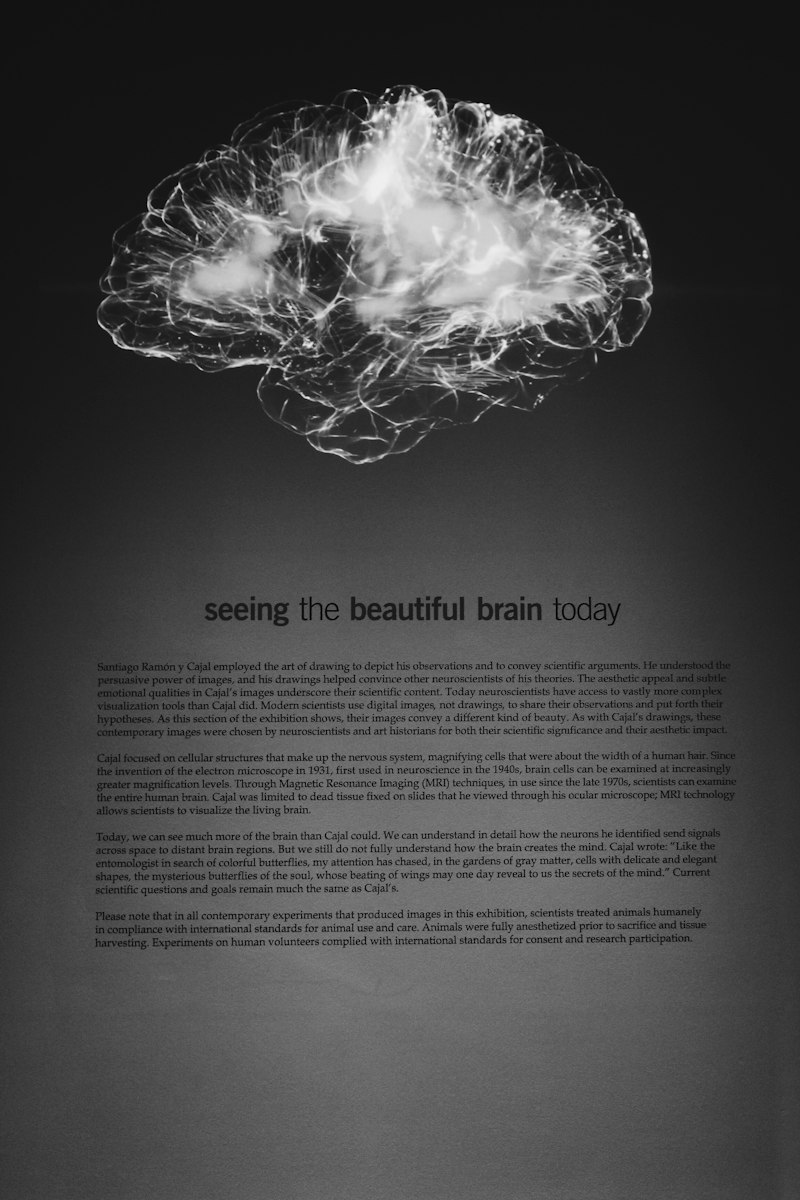
The nervous system represents an extraordinarily intricate network of biological structures, encompassing a diverse array of organs, specialized cells, and neural pathways that facilitate seamless communication between the brain and the remainder of the physiological body. This system functions as the primary command center, orchestrating a vast spectrum of activities ranging from fundamental survival instincts to the most sophisticated cognitive processes. By integrating internal and external stimuli, the nervous system ensures that an organism can interact effectively with its environment, maintain internal stability, and exhibit complex behaviors. The coordination of movement, the precision of perception, and the nuances of human behavior are all deeply rooted in the functional integrity of this system.
In the realm of psychology and physiology, the nervous system is recognized for its dual role in both immediate reactive processes and long-term adaptive changes. It operates through a combination of electrical impulses and chemical signals, allowing for rapid-fire responses to threats or opportunities in the environment. This high-speed communication is essential for the survival of the organism, as it enables the body to adjust its internal states and external actions in real-time. Furthermore, the system’s ability to process and interpret vast quantities of data simultaneously allows for the emergence of consciousness and the complex psychological traits that define human existence.
The overarching architecture of the nervous system is designed to provide a comprehensive coverage of the entire human anatomy. From the microscopic level of individual cells to the macroscopic level of major nerve bundles and the brain itself, every component is specialized to contribute to the overall homeostasis and functionality of the individual. As a result, any disruption in this network can lead to profound changes in physical capability, emotional regulation, and cognitive clarity. Understanding the nervous system requires an appreciation of its hierarchical organization and the specialized roles of its constituent parts, which work in concert to sustain life and facilitate growth.
Structural Organization: Central and Peripheral Systems
The anatomical framework of the nervous system is fundamentally divided into two primary subsystems: the central nervous system (CNS) and the peripheral nervous system (PNS). This division is not merely structural but also functional, reflecting the different roles each part plays in the processing and transmission of information. The CNS acts as the core processing hub, where data is received, interpreted, and acted upon. It serves as the seat of intelligence, emotion, and decision-making, providing the blueprint for all voluntary and involuntary actions that the body undertakes throughout its lifespan.
The central nervous system is composed exclusively of the brain and the spinal cord. The brain, housed within the protective casing of the skull, is the most complex organ in the human body, containing billions of interconnected cells that manage everything from basic life support to abstract reasoning. The spinal cord acts as the primary conduit for signals traveling between the brain and the rest of the body. It is responsible for transmitting sensory information upward to the brain and motor commands downward to the limbs and organs. Additionally, the spinal cord is capable of managing certain reflex actions independently of the brain, showcasing its vital role in immediate physical safety.
Complementing the CNS is the peripheral nervous system, which consists of the cranial nerves, spinal nerves, and the autonomic nerves. The PNS serves as the extensive communication network that bridges the gap between the CNS and the body’s extremities, skin, and internal organs. It is further categorized into the somatic nervous system, which governs voluntary muscle movements and sensory reception, and the autonomic nervous system, which regulates involuntary functions such as heart rate and digestion. Together, these systems ensure that the brain remains informed about the state of the body and the environment, while maintaining the ability to influence every physiological process.
The Functional Unit: Neuronal Morphology and Physiology
At the cellular level, the nervous system is composed primarily of neurons, which are highly specialized cells designed for the rapid transmission of electrical and chemical signals. These cells are the fundamental building blocks of all neural activity, possessing unique structural features that enable them to communicate over both short and long distances within the body. A single neuron is a marvel of biological engineering, capable of integrating inputs from thousands of other cells and deciding whether to pass that information along to the next link in the chain. The efficiency of this cellular network is what allows for the near-instantaneous processing of information that characterizes human thought and action.
A typical neuron consists of three primary regions: the soma (or cell body), the dendrites, and the axon. The soma serves as the metabolic and genetic center of the cell, containing the nucleus and the organelles necessary for the generation and maintenance of the neuron’s electrical signal. It integrates the various signals received from other cells and determines the overall state of the neuron. Without a healthy soma, the neuron would be unable to sustain the energy levels required for continuous signaling, nor would it be able to repair itself or maintain its structural integrity over time.
Extending from the soma are the dendrites, which are branch-like structures specialized for receiving incoming signals from neighboring neurons. These structures significantly increase the surface area of the cell, allowing it to form connections with a vast number of other neurons. Once the dendrites receive a signal, they transmit it toward the soma. On the opposite side of the cell body is the axon, a long, slender projection that functions as the primary transmission line of the neuron. The axon sends electrical signals, known as action potentials, away from the soma and toward the next neuron, muscle, or gland. This directional flow of information is critical for the organized functioning of the entire nervous system.
Mechanisms of Homeostatic Regulation
One of the most critical functions of the nervous system is the regulation of homeostasis, which is the maintenance of a stable and constant internal environment despite fluctuations in external conditions. Life depends on the body’s ability to keep various physiological parameters, such as temperature, pH levels, and glucose concentrations, within a very narrow and optimal range. The nervous system, particularly through the autonomic branch, monitors these variables constantly and initiates corrective actions whenever a deviation is detected. This regulatory capability ensures that the body’s internal machinery operates efficiently and safely.
The nervous system plays a direct role in regulating body temperature and blood pressure. When the body becomes too warm, the nervous system triggers mechanisms such as sweating and the dilation of blood vessels near the skin to dissipate heat. Conversely, if the body temperature drops, it induces shivering and the constriction of blood vessels to conserve warmth. Similarly, the system monitors blood pressure through specialized sensors called baroreceptors, adjusting heart rate and vessel diameter to ensure that oxygen and nutrients are delivered to tissues effectively without damaging the circulatory system. These processes occur largely below the level of conscious awareness, highlighting the sophisticated, automated nature of neural regulation.
Beyond physical parameters, homeostasis also involves the regulation of energy balance and fluid levels. The nervous system interacts with the endocrine system to control hunger, thirst, and the excretion of waste. By processing signals from the digestive tract and the kidneys, the brain can trigger the sensation of thirst to prevent dehydration or the feeling of satiety to prevent overconsumption. This holistic approach to internal management demonstrates that the nervous system is not just a processor of external data, but also a vigilant guardian of the body’s internal biological integrity, ensuring survival through constant vigilance and adjustment.
Sensory Perception and Environmental Awareness
The nervous system enables the sensation of the environment by detecting a wide array of physical and chemical stimuli. This process, known as sensory perception, involves the conversion of environmental energy—such as light, sound, or heat—into electrical signals that the brain can interpret. Specialized sensory receptors located throughout the body, particularly in the skin and sense organs, are tuned to specific types of stimuli. For instance, photoreceptors in the eyes respond to light, while mechanoreceptors in the skin respond to pressure and vibration. This constant influx of data provides the brain with a detailed and dynamic map of the world surrounding the individual.
The ability to detect changes in temperature, light, sound, and other stimuli is vital for both safety and interaction. Sensory pathways transmit this information to specific regions of the brain, where it is filtered, organized, and integrated with existing knowledge. This allows an individual to recognize the warmth of sunlight, the sound of a familiar voice, or the potential danger of a sharp object. Without this sensory input, the nervous system would be isolated, unable to guide the body through the complexities of the physical world. Perception is thus the bridge between the external reality and the internal mental state of the organism.
Furthermore, the nervous system does not merely record stimuli; it interprets them to create a meaningful experience. The brain can distinguish between a gentle touch and a painful strike, or between the background noise of a crowded room and a specific warning signal. This high level of detail in sensing the environment allows for nuanced behavioral responses. For example, sensing an increase in ambient heat might lead a person to seek shade, while detecting a sudden movement in the peripheral vision might trigger a defensive reflex. The integration of sensory data is a continuous process that informs every decision and action taken by the individual.
Motor Coordination and Behavioral Execution
In addition to receiving information, the nervous system is responsible for the coordination of movement and the execution of behavior. This involves a complex interplay between the motor cortex in the brain, the spinal cord, and the muscular system. When a decision is made to move, the brain generates a sequence of electrical impulses that travel down the spinal cord and through the peripheral nerves to reach specific muscles. These signals tell the muscles when to contract and when to relax, allowing for everything from the fine motor skills required for writing to the gross motor movements needed for running or jumping.
The precision of movement is maintained through constant feedback loops. As muscles move, sensory receptors within the muscles and joints send information back to the brain regarding the position and tension of the limbs. This allows the nervous system to make real-time adjustments, ensuring that movements are smooth, balanced, and accurate. This coordination is essential for maintaining posture and navigating uneven terrain. The nervous system essentially acts as a sophisticated flight controller, managing multiple inputs and outputs simultaneously to achieve a desired physical outcome without the individual needing to consciously consider every muscle fiber involved.
Behavioral execution also encompasses involuntary movements, such as the beating of the heart and the rhythmic contractions of the respiratory system. These movements are managed by the autonomic nervous system, ensuring that vital functions continue without interruption, even during sleep. The ability of the nervous system to manage both voluntary and involuntary actions demonstrates its versatility and its role as the ultimate regulator of physical activity. By providing the instructions and the oversight necessary for movement, the system enables the organism to interact with its environment, obtain resources, and protect itself from harm.
Information Processing and Memory Formation
The nervous system is profoundly involved in the processing of information and the formation of memories. This function represents the highest level of neural activity, where raw data is transformed into knowledge, experience, and identity. When information is received from the senses, it is sent to various regions of the brain for analysis. Here, different attributes of the information—such as its emotional significance, its relationship to past events, and its potential future utility—are evaluated. This processing allows the individual to make sense of the world and to formulate appropriate responses to complex situations.
Memory formation is a multi-stage process that involves the encoding, storage, and retrieval of information. At the cellular level, this is achieved through changes in the strength and number of connections between neurons, a phenomenon known as synaptic plasticity. When an experience is repeated or carries significant weight, the neural pathways associated with that experience are reinforced, making the information easier to recall in the future. These memories are not stored in a single “hard drive” but are distributed across various parts of the brain, including the hippocampus and the cerebral cortex, allowing for a robust and interconnected web of knowledge.
The ability to store and process information is what allows for learning and adaptation. By drawing on past experiences, the nervous system can predict future outcomes and adjust behavior accordingly. This cognitive capacity is fundamental to human intelligence and the development of culture and technology. The nervous system’s role in memory ensures that an individual is not just reacting to the present moment but is also informed by a lifetime of accumulated wisdom. Consequently, the processing and storage of information are central to the psychological development and functional autonomy of the human being.
Essentiality of Neural Integrity
The nervous system is undeniably essential for the functioning of the body, serving as the master architect of all physiological and psychological processes. Its components work in a highly synchronized manner to enable communication between disparate parts of the anatomy, while simultaneously allowing for the sophisticated processing of information and the preservation of personal history through memory. The reliance of the body on this system cannot be overstated; every breath, every heartbeat, and every thought is a direct product of neural activity. Without the nervous system, the body would be a collection of disconnected organs without a means of coordination or a way to respond to the world.
The structural integrity of neurons and the functional balance of the CNS and PNS are the foundations upon which health and well-being are built. Because the nervous system is responsible for the regulation of homeostasis, the coordination of movement, and the sensing of the environment, any impairment to its structure can have wide-ranging consequences. From the loss of sensory perception to the inability to control motor functions, the impact of neural damage highlights how integrated this system is with the very essence of life. Protecting and maintaining this system is therefore a primary biological necessity for the continued survival and flourishing of the individual.
In conclusion, the nervous system stands as the most complex and vital system within the human organism. It is the seat of the mind, the regulator of the body, and the bridge to the environment. Through its specialized cells and organized structures, it facilitates a level of communication and integration that is unmatched by any other biological system. By understanding its functions—from the microscopic firing of a single neuron to the macroscopic coordination of complex behaviors—we gain a deeper appreciation for the biological basis of human life and the remarkable efficiency of the natural world.
References
- Butler, A. B., & Hodges, H. (2019). Nervous system. In Encyclopedia Britannica. Retrieved from https://www.britannica.com/science/nervous-system
- Gonzalez, R., & Zehr, E. (2004). The structure and function of neurons. Nature Reviews Neuroscience, 5(6), 563-573. https://doi.org/10.1038/nrn1411
- Kolb, B., & Whishaw, I. Q. (2009). Fundamentals of human neuropsychology (6th ed.). New York, NY: Worth Publishers.
- Kumar, V., Abbas, A. K., & Fausto, N. (2015). Robbins and Cotran pathologic basis of disease (9th ed.). Philadelphia, PA: Elsevier.