Neurasthenia: The Forgotten History of Modern Exhaustion
Scientifically Reviewed · Dr. Marwa Abd-Alazim · September 13, 2026
Review Criteria & Clinical Standards
This content undergoes rigorous scientific peer-review and medical editorial standards at Arab Psychology Network to ensure clinical accuracy, validity, and compliance with evidence-based guidelines from leading psychological and healthcare authorities (APA / WHO).
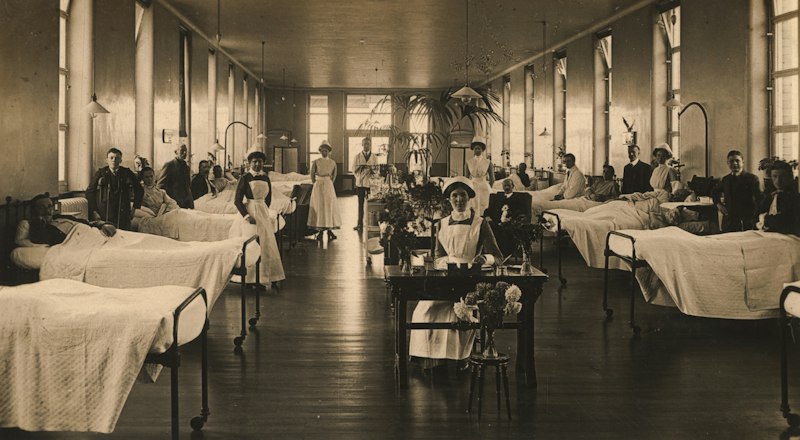
NEURASTHENIA (literally, nerve weakness)
Introduction: Definition and Modern Context
Neurasthenia, a term literally translating to nerve weakness, represents a fascinating yet complex chapter in the history of psychiatry and neurology. Originating in the late 19th century, it served as a catch-all diagnosis encompassing a vast array of mental and physical symptoms, reflecting the unique societal anxieties and medical paradigms of the era. This condition was once considered a pervasive modern malady, particularly afflicting the educated and middle classes whose nervous systems were believed to be overtaxed by the pressures of industrialization and rapid social change. Although historically significant, neurasthenia is now widely regarded by Western medical institutions as an obsolete diagnosis, having been systematically removed from the primary diagnostic manuals used globally, such as the American Psychiatric Association’s Diagnostic and Statistical Manual of Mental Disorders (DSM).
The decline of neurasthenia in Western medicine began accelerating in the mid-20th century, primarily due to the rise of more scientifically rigorous diagnostic categories, including specific anxiety disorders, major depressive disorder, and chronic fatigue syndrome. Critics argued that the concept lacked specificity, relying on vague somatic complaints that could often be better explained by underlying physical diseases or newly recognized psychological conditions. However, the legacy of neurasthenia is far from negligible. Its historical prevalence provided crucial insights into the evolving understanding of psychosomatic illness and the interaction between mind and body, paving the way for modern stress-related models. Moreover, understanding neurasthenia is essential for interpreting historical medical literature and appreciating the cultural context of illness during the transition from the Victorian age to modernity.
Despite its obsolescence in much of the Western world, the symptoms and underlying concept of neurasthenia continue to hold relevance in specific cultural and diagnostic contexts. For example, while the DSM has largely abandoned the term, the World Health Organization (WHO) maintained a version of neurasthenia in its International Classification of Diseases (ICD) for many years, recognizing its continued clinical application in certain non-Western societies, particularly in parts of Asia and Eastern Europe. This enduring presence highlights a crucial distinction: what is considered an outdated neurological concept in one culture may remain a valid, culturally sanctioned expression of distress in another. Therefore, a comprehensive analysis of neurasthenia requires examining not only its historical origins and decline but also its persistent cross-cultural relevance as a descriptor of profound physical and mental exhaustion coupled with somatic complaints.
Etymology and Formal Definition
The medical term neurasthenia is a compound word constructed from classical Greek roots, precisely defining the perceived nature of the ailment. It combines neuron (νεῦρον), meaning “nerve” or “sinew,” and asthenia (ἀσθένεια), meaning “weakness,” or lack of strength. Thus, the literal interpretation—nerve weakness—perfectly encapsulates the foundational theory proposed by its originator: that the condition resulted from an exhaustion or depletion of the body’s finite supply of nervous energy. This etymological precision gave the diagnosis an immediate sense of scientific legitimacy during a period obsessed with physiological explanations for psychological distress, suggesting a clear, albeit unproven, organic basis for the suffering experienced by patients.
Formal definitions of neurasthenia, particularly those prevalent in the late 19th and early 20th centuries, centered primarily on persistent, debilitating fatigue that was not alleviated by rest, coupled with a wide array of associated symptoms affecting multiple bodily systems. These definitions emphasized that the core problem was a functional disorder of the central nervous system, which had become depleted through excessive mental exertion, emotional strain, or the rapid pace of modern life. Early diagnostic criteria typically included both psychic symptoms, such as irritability, inability to concentrate, and emotional lability, and somatic symptoms, including headaches, insomnia, dyspepsia, and generalized muscular aches. The sheer breadth of these criteria contributed significantly to its widespread application, allowing physicians to categorize almost any collection of vague, chronic complaints under this single, convenient umbrella term.
When examining the formal definition within the ICD system—which retained a classification for neurasthenia (e.g., in ICD-10, under F48.0)—the focus narrows slightly compared to the broad Victorian conceptualization. The ICD definition typically requires persistent complaints of increased fatigability after minimal mental effort or physical exertion, often accompanied by feelings of bodily weakness and specific physical discomforts. Unlike modern diagnoses of chronic fatigue syndrome (CFS) or anxiety disorders, the ICD classification emphasizes the subjective experience of mental and physical depletion as the primary feature, where the fatigue is the central organizing complaint, rather than merely a symptom secondary to depression or anxiety. This distinction attempts to capture the original spirit of the diagnosis, emphasizing the nervous system’s functional failure rather than a purely affective disturbance.
Historical Origins: George Miller Beard and the American Context
The medical concept of neurasthenia was formally introduced and popularized in the United States in 1869 by George Miller Beard (1839–1883), an influential American neurologist. Beard published extensively on the topic, arguing passionately that neurasthenia was a uniquely modern disease, a direct consequence of the extraordinary stresses imposed upon the human nervous system by the rapid advancements of the 19th century. He posited that factors such as the telegraph, high-speed rail travel, the competitive business environment, the complexity of modern science, and the increasing pace of urban life acted as chronic stimuli that continuously drew upon and eventually exhausted the limited supply of nervous force inherent in the human body.
Beard’s theory resonated powerfully with the American public, particularly the urban, professional class. It offered a socially acceptable explanation for exhaustion, anxiety, and malaise that did not carry the stigma associated with madness or moral failing. If one suffered from neurasthenia, it implied that one was working hard, intelligent, and highly sensitive—qualities valued in the emerging capitalist society. This medical framing allowed sufferers, both male and female, to seek treatment without professional or social disgrace. Beard meticulously documented numerous symptoms, including mental irritability, phobias, digestive issues, sexual dysfunction, and profound fatigue, weaving them into a coherent syndrome that captured the perceived fragility of the modern, civilized individual confronting an increasingly complex world.
The immediate success of the neurasthenia diagnosis cemented Beard’s reputation and launched a medical trend that quickly spanned the globe. In America, the treatment often involved rest cures (famously promoted by Silas Weir Mitchell, often applied to women), travel, hydrotherapy, and dietary changes, all aimed at conserving and replenishing the depleted nervous energy. The condition became so prevalent that it was often dubbed “American nervousness,” suggesting that the unique demands of American ambition and technological progress made its citizens particularly susceptible. This cultural specificity underscores how medical diagnoses are often deeply intertwined with national identity and socio-economic pressures, providing a medical vocabulary for shared cultural experiences of stress and adaptation.
The Golden Age of Neurasthenia: 19th and Early 20th Centuries
Following Beard’s introduction, neurasthenia experienced a “golden age” during the late 19th and early 20th centuries, becoming one of the most frequently diagnosed conditions across Europe and North America. European physicians, including figures like Jean-Martin Charcot and Sigmund Freud, engaged extensively with the concept, though often adapting it to fit their own theoretical frameworks. Freud, in his early psychoanalytic work, initially categorized certain neurotic conditions—specifically those related to anxiety and specific somatic complaints—as “actual neuroses,” which included neurasthenia and anxiety neurosis. He hypothesized that these conditions had a toxic or physiological origin related to the frustration of sexual needs (libido), distinguishing them from psychoneuroses, which were rooted in psychological conflict.
The widespread acceptance of neurasthenia was fueled by its utility as a diagnostic bridge between strictly physical ailments and purely psychological disorders. In an era where many physicians resisted purely psychological explanations for illness, the concept of nerve energy depletion provided a convenient, physiologically grounded model for symptoms that defied traditional organic pathology. It allowed doctors to treat patients presenting with vague, chronic ailments—many of whom would now be diagnosed with generalized anxiety disorder or somatoform disorders—while maintaining a somatic focus. Furthermore, the diagnosis was highly adaptable, easily applied to diverse populations, though often differentiated by gender: women were frequently diagnosed with hysterical forms requiring the isolation of the “rest cure,” while men were seen as suffering from occupational stress requiring travel and recuperation.
However, the very adaptability that made neurasthenia popular eventually contributed to its downfall. As the diagnosis became ubiquitous, encompassing everything from mild fatigue to severe hypochondriasis and anxiety, its clinical utility diminished. The lack of specific, objective biological markers and the arbitrary nature of its boundaries meant that different physicians used the term inconsistently. By the time psychoanalysis gained prominence and specific psychological theories of neurosis emerged, the broad, physiological model of “nerve weakness” began to seem intellectually simplistic and scientifically unsound. This period marked the beginning of a critical reassessment, where specialized diagnostic categories started to peel away the disparate symptoms previously grouped under the neurasthenic label.
Core Symptomatology and Manifestations
The clinical picture of neurasthenia was historically defined by a constellation of symptoms centered around profound, persistent fatigue. This fatigue was described as distinct from normal tiredness; it was often overwhelming, not significantly relieved by sleep or leisure, and characterized by a subjective feeling of mental and physical depletion. The core manifestations were typically categorized into psychological, physical, and autonomic domains, illustrating the systemic nature of the perceived nervous system failure. In the psychological realm, patients reported significant difficulty concentrating, memory problems, increased irritability, and emotional instability, often manifesting as disproportionate reactions to minor stressors, reflecting the nervous system’s heightened sensitivity and lowered threshold for stimulation.
The physical symptoms were equally pervasive and often led patients to seek consultation with various specialists. Common complaints included persistent, dull headaches, often described as a “band around the head” (a tension headache pattern), and various forms of musculoskeletal pain, including backaches and generalized muscle weakness (myasthenia). Digestive complaints were almost universal, ranging from dyspepsia, bloating, and constipation to irritable bowel symptoms, reflecting the perceived influence of the nervous system on visceral function. Furthermore, sleep disturbances, particularly insomnia—often difficulty falling asleep or non-restorative sleep—were hallmark features, further exacerbating the cyclical pattern of fatigue and nervous tension.
Beyond the explicit physical and mental complaints, neurasthenia also frequently involved prominent features related to autonomic nervous system dysfunction and hypochondriacal concerns. Symptoms such as dizziness (vertigo), palpitations, excessive sweating, and vasomotor instability (flushing or pallor) were commonly reported, suggesting a general deregulation of bodily functions previously attributed to nervous exhaustion. Patients often became preoccupied with their bodily functions and minor physical sensations, leading to heightened anxiety about their health, a feature that overlaps significantly with modern concepts of health anxiety or somatoform disorders. The vast scope of these symptoms underscores why neurasthenia functioned as a useful, if scientifically imprecise, umbrella term for chronic, stress-related illness that lacked clear organic pathology.
Decline and Diagnostic Shift
The decline of neurasthenia in mainstream Western medical practice was a gradual but decisive process driven by evolving scientific standards and the emergence of competing diagnostic frameworks. By the mid-20th century, particularly after World War II, psychiatry began moving toward more empirical, verifiable diagnostic criteria. The publication of the first edition of the DSM (DSM-I) in 1952 provided categories that were increasingly specific, such as anxiety reaction and depressive reaction, which absorbed many of the symptoms previously attributed to nerve weakness. As diagnostic systems became more operationalized, the vague, theoretical concept of nervous energy depletion lost credibility among researchers and clinicians seeking reproducible classifications.
Crucially, the rise of modern psychopharmacology provided effective treatments targeting specific symptom clusters, further fragmenting the neurasthenia syndrome. Antidepressants and anxiolytics demonstrated efficacy against the affective and anxiety components of the condition, suggesting that the underlying pathology was often affective (mood-related) rather than purely neurological (nerve-related). Furthermore, specific psychosomatic illnesses, such as chronic fatigue syndrome (CFS) or myalgic encephalomyelitis (ME), began to be defined separately, incorporating the severe, unrelenting fatigue element while seeking distinct biological etiologies. This process of diagnostic splitting effectively dismantled neurasthenia, assigning its constituent symptoms to more precisely defined and treatable conditions.
The final removal of neurasthenia as a primary, standalone category in the American system was confirmed with subsequent editions of the DSM, reflecting a consensus that the diagnosis was too broad and lacked cross-cultural diagnostic stability within the Western context. However, this shift was not universal. The concept remained influential, particularly in the ICD system. The persistence of neurasthenia in the ICD, especially in classifications like ICD-10 (under F48.0), recognized that in many parts of the world, patients prefer to express distress through somatic complaints, and a diagnosis emphasizing physical exhaustion is often more culturally acceptable than one focusing on psychological disturbance like depression or anxiety. This divergence highlights a significant challenge in global mental health: the need to balance universal diagnostic reliability with cultural sensitivity in symptom presentation.
Modern Relevance and Cross-Cultural Perspectives
While neurasthenia is scientifically defunct in Western psychiatry, its cultural and clinical shadow remains significant, manifesting in several modern diagnostic equivalents and culturally bound syndromes. The most direct contemporary parallel is often drawn with Chronic Fatigue Syndrome (CFS) or Systemic Exertion Intolerance Disease (SEID), given the shared emphasis on debilitating, unremitting fatigue that is not improved by rest. However, CFS/SEID focuses more heavily on post-exertional malaise and specific immunological or inflammatory markers, distinguishing it from the older, purely functional explanation of nerve depletion. Despite these clinical differences, the patient experience of overwhelming exhaustion and multisystem complaints echoes the neurasthenic suffering of the past.
The most compelling evidence for the enduring relevance of the neurasthenic concept lies in its continued inclusion in the WHO’s diagnostic framework. In many parts of the world, particularly China, Russia, and countries in the Middle East, a diagnosis similar to neurasthenia (often translated as “weakness of the nerves”) is still commonly applied. In Chinese culture, for example, conditions like shenjing shuairuo (Nerve Weakness) are often diagnosed using criteria very similar to historical neurasthenia. This preference stems from deeply ingrained cultural norms where discussing or admitting to psychological distress (e.g., admitting to depression or anxiety) carries high levels of stigma. Thus, somatic complaints and the physical diagnosis of “nerve weakness” provide a culturally sanctioned illness narrative that allows individuals to receive care and social support without incurring the shame associated with mental illness.
Understanding neurasthenia, therefore, provides crucial insight into the phenomenon of somatic expression of distress. It illustrates how societal values shape the presentation and recognition of illness. The historical prevalence of neurasthenia in the West reflected a culture grappling with industrial stress, while its persistence in non-Western contexts reflects cultures where the mind-body dichotomy is either less rigid or where stigma dictates that emotional turmoil must be channeled through the body. For clinicians working globally, recognizing the neurasthenic presentation—characterized by fatigue, somatic complaints, and irritability—as a potential manifestation of underlying anxiety or mood disorders is essential for effective diagnosis and treatment, even if the formal label “neurasthenia” is no longer employed.
Conclusion
Neurasthenia stands as a profound historical artifact in the evolution of medical thought, serving as a critical diagnostic concept during a transformative period in Western history. Originating as George Miller Beard’s theory of nerve depletion caused by modern life, it provided a necessary framework for understanding a wide spectrum of chronic, non-organic ailments in the late 19th and early 20th centuries. While its utility eventually waned due to scientific imprecision and the emergence of more specific psychological and physiological diagnoses, its legacy remains deeply embedded in current understandings of stress, psychosomatic illness, and the complex interaction between mental and physical health.
The symptoms historically associated with neurasthenia—including debilitating fatigue, insomnia, pervasive anxiety, and various somatic complaints—did not vanish; rather, they were redistributed into modern categories such as generalized anxiety disorder, major depressive disorder, and chronic fatigue syndrome. This diagnostic evolution reflects the triumph of empirical specificity over generalized functional syndromes in Western medical practice. However, the continued clinical relevance of the neurasthenia concept in global health, particularly in cultures that favor somatic expression of distress, mandates that clinicians understand its history and manifestation as a persistent form of culturally sanctioned suffering.
Ultimately, the study of neurasthenia reminds us that medical diagnoses are not immutable truths but rather culturally and historically contingent frameworks used to organize human suffering. It highlights how the pressures of societal change can create new forms of perceived illness, and how the vocabulary used to describe nervous exhaustion has dramatically shifted over time, moving from a physiological theory of nerve weakness to complex psychological and neurobiological models.
References
-
Bennett, A. J. (2017). Neurasthenia: A historical review. Neuropsychiatric Disease and Treatment, 13, 1061–1066. https://doi.org/10.2147/NDT.S135372
-
Kirby, M., & Carstairs, G. (1955). Neurasthenia: A historical review. British Medical Journal, 2, 1286–1289.
-
Ma, L., Chen, C., & Chen, H. (2013). A historical review of neurasthenia: From beard to DSM-V. Chinese Journal of Nervous and Mental Diseases, 39(5), 301-306.
-
Mentzos, S. (1985). Neurasthenia: From clinical entity to cultural label. Psychotherapy and Psychosomatics, 43, 12–17. https://doi.org/10.1159/000285844
-
Beard, G. M. (1869). Neurasthenia, or Nervous Exhaustion. The Boston Medical and Surgical Journal, 3(13), 217-221.