Neurological Impairment: Deciphering the Hidden Mind
Scientifically Reviewed · Dr. Marwa Abd-Alazim · October 11, 2026
Review Criteria & Clinical Standards
This content undergoes rigorous scientific peer-review and medical editorial standards at Arab Psychology Network to ensure clinical accuracy, validity, and compliance with evidence-based guidelines from leading psychological and healthcare authorities (APA / WHO).
Introduction: Defining Neurological Impairment
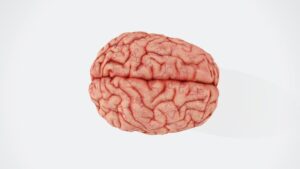
Neurological impairment is a comprehensive term that describes a vast spectrum of conditions adversely affecting the body’s nervous system, specifically the brain, spinal cord, and peripheral nerves. These conditions can manifest in a myriad of ways, presenting as a diverse array of physical, cognitive, sensory, and emotional symptoms that significantly impact an individual’s daily functioning and overall quality of life. The central theme underlying all neurological impairments is a disruption to the intricate communication pathways or the structural integrity within the nervous system, which is responsible for controlling virtually every bodily function, from thought and movement to sensation and emotion.
The fundamental mechanism behind neurological impairment involves damage, dysfunction, or disease within the nervous system, leading to an inability for specific parts of the brain, spinal cord, or nerves to transmit signals effectively or to process information correctly. This can arise from a variety of pathological processes, including the loss of neurons, demyelination of nerve fibers, reduced blood flow, abnormal electrical activity, or the presence of structural abnormalities such as tumors or lesions. Consequently, the brain’s capacity to interpret sensory input, initiate motor commands, regulate autonomic functions, or engage in higher cognitive processes like memory and executive function becomes compromised, leading to the characteristic symptoms associated with specific neurological disorders.
Understanding neurological impairment necessitates a holistic perspective, acknowledging that its effects extend beyond mere physical limitations. Individuals may experience profound changes in their cognitive abilities, such as difficulties with attention, memory recall, or problem-solving. Emotional regulation can also be significantly impacted, leading to conditions like depression, anxiety, or altered personality traits, often as a direct consequence of brain changes or as a psychological response to living with a chronic condition. Thus, the assessment and management of neurological impairment require a multidisciplinary approach that addresses the complex interplay of biological, psychological, and social factors.
The Neurological System: An Overview
To fully grasp neurological impairment, it is essential to appreciate the complexity and critical functions of the nervous system. This intricate biological network is broadly divided into two main components: the central nervous system (CNS) and the peripheral nervous system (PNS). The CNS, comprising the brain and spinal cord, serves as the command center, processing all incoming sensory information, orchestrating motor responses, and facilitating higher cognitive functions such as thought, learning, and emotion. The brain, housed within the skull, is responsible for consciousness, perception, memory, and voluntary actions, while the spinal cord acts as a vital conduit for signals traveling between the brain and the rest of the body, also mediating reflexes.
The peripheral nervous system extends from the CNS throughout the body, encompassing all the nerves that lie outside the brain and spinal cord. It includes the somatic nervous system, which controls voluntary muscle movements and transmits sensory information from the body to the CNS, and the autonomic nervous system, which regulates involuntary bodily functions like heart rate, digestion, respiration, and blood pressure. The autonomic nervous system is further subdivided into the sympathetic and parasympathetic systems, which work in opposition to maintain internal balance (homeostasis). Any damage or disease affecting these delicate neural pathways, whether in the CNS or PNS, can lead to a disruption of their designated functions, thereby resulting in a neurological impairment.
The intricate design of the nervous system means that even localized damage can have widespread effects. For instance, a lesion in a specific area of the brain responsible for language processing can lead to aphasia, while damage to peripheral nerves can cause weakness, numbness, or pain in the extremities. The brain itself is a highly specialized organ, with different lobes and regions dedicated to distinct functions. The frontal lobe is involved in planning and decision-making, the parietal lobe in sensory processing, the temporal lobe in memory and hearing, and the occipital lobe in vision. The cerebellum coordinates movement and balance, and the brainstem controls vital life functions. Understanding these anatomical and functional distinctions is crucial for diagnosing and localizing the source of neurological impairments.
Historical Perspectives on Neurological Disorders
The study of neurology and neurological impairments has a rich and extensive history, dating back to ancient civilizations. Early observations of conditions like epilepsy, stroke, and paralysis can be found in ancient Egyptian medical texts and Greek writings. Hippocrates, often considered the “Father of Medicine,” recognized the brain as the seat of intelligence and emotion, challenging earlier beliefs that attributed these functions to the heart. He also made astute observations about head injuries and their effects, laying some of the earliest foundations for understanding brain-behavior relationships. However, for centuries, neurological conditions were often attributed to supernatural forces, divine punishment, or imbalances of bodily humors, hindering scientific inquiry.
The Renaissance brought renewed interest in human anatomy, with figures like Leonardo da Vinci making detailed drawings of the brain. However, it wasn’t until the 17th and 18th centuries, with the advent of microscopy and more systematic anatomical studies, that a clearer picture of the nervous system began to emerge. Physicians like Thomas Willis made significant contributions, coining terms such as “neurology” and providing detailed descriptions of brain structures and their presumed functions. The 19th century marked a pivotal era, often referred to as the birth of modern neurology. This period saw the emergence of systematic clinical observation and the development of the neurological examination, allowing clinicians to correlate specific symptoms with localized brain lesions.
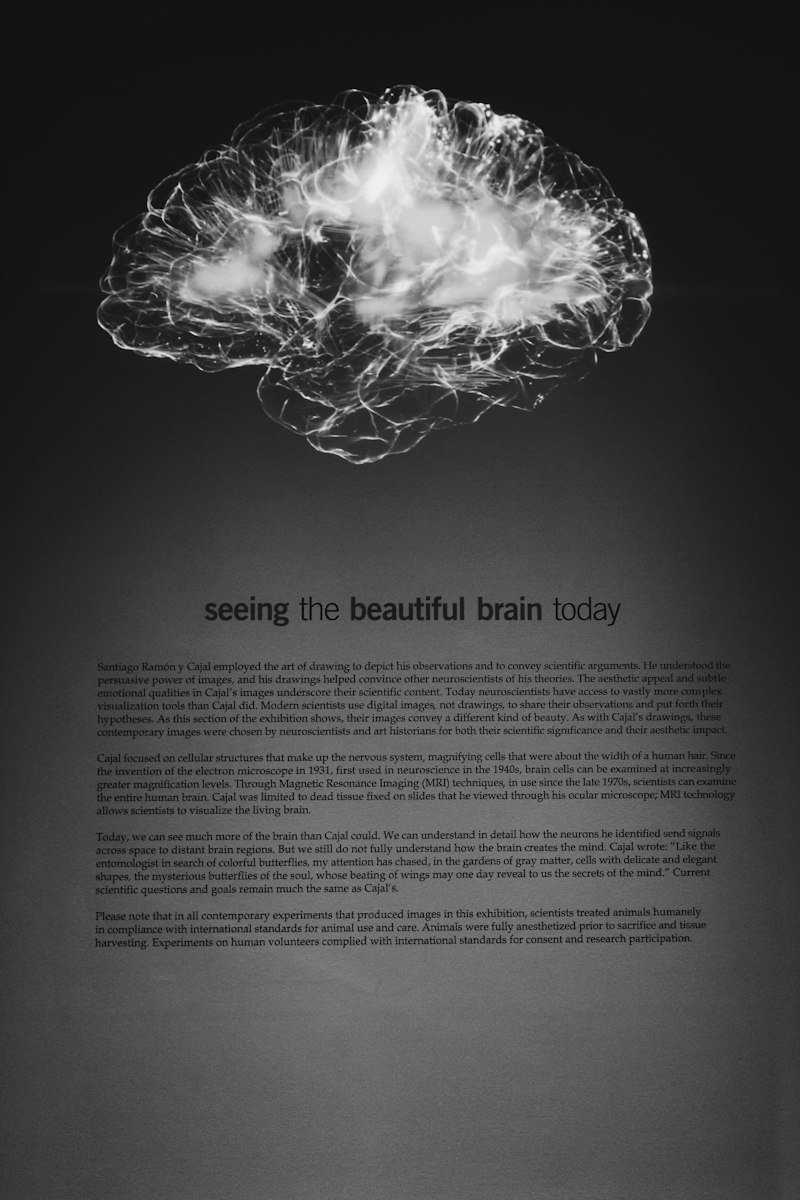
Key figures like Jean-Martin Charcot, a French neurologist, made groundbreaking contributions, systematically describing and classifying numerous neurological diseases, including multiple sclerosis, Parkinson’s disease, and amyotrophic lateral sclerosis. His clinical-pathological correlation approach, linking clinical symptoms observed in living patients with post-mortem brain findings, became a cornerstone of neurological diagnosis. Concurrently, Santiago Ramón y Cajal’s pioneering work in neurohistology revealed the cellular structure of the nervous system, demonstrating that it was composed of individual neurons rather than a continuous network, a discovery that earned him the Nobel Prize and laid the groundwork for modern neuroscience. These historical advancements transformed the understanding of neurological impairment from a realm of mystery to a field of scientific investigation, paving the way for contemporary diagnostic and therapeutic strategies.
Diverse Etiologies: Causes of Neurological Impairment
Neurological impairment can arise from a wide array of underlying causes, reflecting the nervous system’s vulnerability to various forms of damage and disease. One significant category includes congenital disabilities, which are present at birth and often result from developmental abnormalities during pregnancy. Examples include spina bifida, where the spinal cord does not fully close, leading to motor and sensory deficits, and cerebral palsy, a group of disorders affecting movement and muscle tone due to brain damage that occurs before or during birth, or in early childhood. These conditions often necessitate lifelong management and rehabilitation to optimize function and quality of life.
Another major cause is traumatic brain injuries (TBI), which occur when an external force impacts the head, causing damage to the brain. TBIs can range from mild concussions to severe injuries resulting in prolonged unconsciousness or permanent disability. Common causes include falls, motor vehicle accidents, assaults, and sports injuries. The immediate and long-term consequences of TBI can be profound, affecting cognitive functions like memory and attention, physical abilities, and emotional regulation. Similarly, vascular disorders, particularly stroke, represent a leading cause of neurological impairment, where blood flow to a part of the brain is interrupted either by a clot (ischemic stroke) or a burst blood vessel (hemorrhagic stroke), leading to rapid brain cell death and subsequent neurological deficits.
Progressive neurodegenerative diseases constitute a devastating group of causes, characterized by the gradual and irreversible loss of neurons. Alzheimer’s disease, the most common form of dementia, leads to progressive memory loss and cognitive decline. Parkinson’s disease involves the degeneration of dopamine-producing neurons, resulting in motor symptoms like tremor, rigidity, and bradykinesia. Multiple sclerosis (MS) is an autoimmune disease where the body’s immune system attacks the myelin sheath protecting nerve fibers, causing inflammation and demyelination that disrupt nerve signal transmission. Furthermore, infections of the nervous system, such as meningitis (inflammation of the meninges) and encephalitis (inflammation of the brain itself), can cause acute and severe neurological damage if not promptly treated.
Beyond these common etiologies, neurological impairment can also stem from exposure to environmental toxins, such as lead or mercury, which can accumulate in the nervous system and disrupt neuronal function. Certain medications, particularly some antipsychotics, can induce neurological side effects like tardive dyskinesia, characterized by involuntary, repetitive movements. Nutritional deficiencies, especially of B vitamins like B12, can lead to peripheral neuropathy and cognitive issues. Autoimmune disorders, where the immune system mistakenly attacks healthy nerve tissue, as seen in Guillain-Barré syndrome, and metabolic disorders, which disrupt the brain’s energy supply, further expand the diverse range of conditions that can compromise neurological function.
Diagnostic Approaches and Methodologies
The accurate diagnosis of neurological impairment is a complex process that typically involves a meticulous combination of physical, cognitive, and psychological evaluations. The initial step usually entails a comprehensive medical history, where the clinician gathers detailed information about the patient’s symptoms, their onset, progression, and any relevant family history or environmental exposures. This is followed by a thorough neurological examination, a cornerstone of diagnosis, which assesses various aspects of nervous system function. This examination includes evaluating mental status (orientation, attention, language), cranial nerve function (vision, hearing, facial movement), motor strength, coordination, reflexes, sensation, and gait. Any abnormalities identified during this physical assessment can provide crucial clues to the location and nature of the neurological issue.
To gain a more precise understanding of the structural and functional integrity of the nervous system, advanced imaging techniques are routinely employed. Magnetic Resonance Imaging (MRI) is invaluable for visualizing soft tissues like the brain and spinal cord with high detail, allowing for the detection of tumors, lesions, inflammation, or areas of tissue loss. Computed Tomography (CT scans), while providing less soft tissue detail than MRI, is faster and excellent for detecting acute hemorrhages, skull fractures, or calcifications. Other imaging modalities such as Positron Emission Tomography (PET) scans can assess metabolic activity in the brain, useful for identifying areas of dysfunction in conditions like Alzheimer’s, while functional MRI (fMRI) can map brain activity in response to specific tasks.
Beyond imaging, a battery of specialized neurological tests helps to evaluate nerve and muscle function. Electromyography (EMG) measures the electrical activity of muscles in response to nerve stimulation, helping to diagnose nerve and muscle disorders. Nerve conduction velocity tests (NCV) measure how quickly electrical signals travel along a nerve, identifying nerve damage or demyelination. Electroencephalography (EEG) records the brain’s electrical activity, proving essential in the diagnosis of epilepsy and other seizure disorders. For certain conditions, a lumbar puncture, or spinal tap, may be performed to collect and analyze cerebrospinal fluid (CSF) for signs of infection, inflammation, or specific biomarkers associated with neurodegenerative diseases.
Finally, cognitive and psychological evaluations play a critical role, particularly when impairments affect higher brain functions or emotional well-being. Neuropsychological testing involves a comprehensive assessment of memory, attention, language, executive functioning (e.g., planning, problem-solving), and visuospatial skills. These tests can identify specific cognitive deficits, track their progression, and differentiate between various neurological and psychiatric conditions. Psychological assessments may also be conducted to evaluate mood disturbances, personality changes, or other emotional symptoms that frequently accompany neurological impairments, helping to formulate a holistic treatment plan that addresses both the physical and mental aspects of the condition.
Therapeutic Interventions and Management Strategies
The treatment of neurological impairment is highly individualized, contingent upon the underlying cause, the severity of symptoms, and the specific needs of the patient. For conditions resulting from acute events like traumatic brain injuries or strokes, immediate medical interventions focus on stabilizing the patient, minimizing further damage, and restoring function. For instance, in ischemic stroke, thrombolytic medications may be administered to dissolve blood clots, while hemorrhagic strokes may require surgery to stop bleeding and relieve pressure on the brain. Following the acute phase, rehabilitation becomes paramount. Physical therapy is crucial for regaining motor strength, balance, and coordination; occupational therapy helps individuals relearn daily living activities such as dressing and eating; and speech therapy addresses communication, swallowing difficulties, and cognitive-linguistic impairments.
For progressive neurological diseases, treatment typically aims to manage symptoms, slow disease progression, and maintain the individual’s quality of life. In Alzheimer’s disease, medications like cholinesterase inhibitors and NMDA receptor antagonists can help manage cognitive symptoms, while lifestyle modifications, including cognitive stimulation, regular exercise, and a healthy diet, are encouraged. For Parkinson’s disease, medications such as Levodopa help to replenish dopamine levels, alleviating motor symptoms. In some advanced cases, surgical interventions like deep brain stimulation (DBS) may be considered to implant electrodes in specific brain areas to regulate abnormal brain activity, significantly improving motor control for some patients.
Beyond specific disease-modifying therapies, symptomatic management is a critical component of care for most neurological impairments. This includes medications to control pain, reduce spasticity, manage seizures, or alleviate depression and anxiety. Assistive devices, such as wheelchairs, walkers, orthoses, and communication aids, play a vital role in enhancing independence and functional abilities. Psychological support, including counseling, psychotherapy, and participation in support groups, is essential for patients and their families to cope with the emotional and psychological challenges associated with living with a chronic neurological condition. The overarching goal of these diverse interventions is to empower individuals to achieve the highest possible level of function, adapt to their challenges, and maintain a meaningful and fulfilling life.
Real-World Manifestations: A Practical Example
To illustrate the practical application of understanding neurological impairment, consider the real-world scenario of Mr. John Smith, a 72-year-old retired teacher who experiences a sudden onset of symptoms indicative of a stroke. One morning, while having breakfast, his wife notices that the right side of his face is drooping, he struggles to lift his right arm, and his speech is slurred and difficult to understand. Recognizing these as potential signs of a stroke, she immediately calls emergency services. This prompt recognition and action are crucial, as time is of the essence in treating acute neurological events.
Upon arrival at the hospital, Mr. Smith undergoes a rapid diagnostic workup. An emergency CT scan of his brain is performed, which quickly rules out a hemorrhagic stroke (bleeding in the brain) and suggests an ischemic stroke (a clot blocking blood flow to a part of the brain). Given his symptoms and the imaging findings, and if he arrives within the critical time window, he may receive thrombolytic therapy, such as tissue plasminogen activator (tPA), to dissolve the clot and restore blood flow to the affected brain area. This acute intervention aims to minimize the extent of brain damage and subsequent neurological impairment. The specific areas of his brain affected, likely in the left hemisphere which controls speech and motor function on the right side of the body, are directly responsible for the hemiparesis (weakness on one side of the body) and aphasia (difficulty with language) he is experiencing.
Following the acute treatment, Mr. Smith’s journey shifts to intensive rehabilitation. He begins a rigorous regimen of physical therapy to regain strength and coordination in his right arm and leg, occupational therapy to practice activities of daily living like dressing and eating using adaptive strategies, and speech therapy to improve his ability to communicate and swallow safely. Therapists work to harness the brain’s inherent neuroplasticity, encouraging other parts of the brain to take over functions previously performed by the damaged area. Over several months, with consistent effort and a multidisciplinary team approach, Mr. Smith gradually regains significant function, though he may continue to experience some residual weakness and mild speech difficulties. His example highlights how a neurological impairment, when swiftly diagnosed and comprehensively managed, can lead to remarkable recovery and adaptation, demonstrating the profound impact of timely intervention and dedicated rehabilitation.
Profound Significance and Societal Impact
The significance of understanding neurological impairment to the field of psychology and society at large cannot be overstated. From a psychological perspective, these conditions offer profound insights into the intricate relationship between the brain and behavior, emotion, and cognition. Studying how specific brain lesions or degenerative processes lead to predictable deficits in memory, personality, or motor control has advanced our understanding of normal brain function and the neural underpinnings of mental processes. This knowledge is fundamental for developing theories of learning, memory, and consciousness, and for mapping the complex architecture of the human mind. Furthermore, the psychological impact of living with a neurological impairment—such as coping with chronic pain, loss of independence, or changes in identity—is a critical area of study within health psychology and rehabilitation psychology, leading to the development of tailored support strategies.
The applications of this understanding are vast and far-reaching. In clinical psychology and neuropsychology, the principles of neurological impairment guide the assessment and diagnosis of cognitive and behavioral changes associated with brain injury or disease. This informs the development of personalized rehabilitation programs designed to maximize recovery and adaptation. In medical practice, a deep knowledge of neurological impairments underpins the work of neurologists, neurosurgeons, and physiatrists, enabling them to diagnose conditions accurately, select appropriate treatments, and manage patient care comprehensively. It also influences public health initiatives, such as campaigns for stroke awareness (e.g., “FAST” recognition) or concussion management in sports, aimed at preventing injuries and promoting early intervention.
Beyond direct clinical applications, the study of neurological impairment drives significant advancements in research and technology. Ongoing research into neurodegenerative diseases aims to uncover their fundamental mechanisms, leading to the development of new diagnostic biomarkers and potential disease-modifying therapies. Research into neuroplasticity, the brain’s ability to reorganize itself, informs rehabilitation strategies and the design of brain-computer interfaces or prosthetic devices that can restore lost function. Socially, understanding neurological impairment fosters greater empathy and awareness, leading to improved accessibility, disability rights advocacy, and the creation of supportive communities for individuals and families affected by these conditions. The societal burden of neurological disorders, in terms of healthcare costs and lost productivity, also underscores the critical importance of continued investment in research, prevention, and effective management strategies.
Interconnectedness: Related Concepts and Broader Fields
Neurological impairment is not an isolated concept but is deeply interconnected with numerous other fields and theories within psychology and medicine, forming a rich tapestry of understanding. It fundamentally bridges the gap between biological and psychological sciences. Within psychology, it has strong ties to cognitive psychology, particularly in how brain damage can illuminate the modularity and function of cognitive processes such as memory, attention, language, and executive functions. For example, studying individuals with specific aphasias after stroke has provided invaluable insights into the neural pathways underlying language production and comprehension. Similarly, cases of amnesia due to hippocampal damage have deepened our understanding of memory formation and retrieval.
The concept also heavily overlaps with neuroscience, which is the scientific study of the nervous system. While neurology focuses on the diagnosis and treatment of nervous system disorders, neuroscience provides the foundational biological understanding of how the brain and nerves function at molecular, cellular, and systems levels. This includes research into neurotransmitters, neural networks, genetic predispositions to neurological diseases, and the cellular mechanisms of neurodegeneration or neuroprotection. Neurological impairment serves as a powerful natural experiment for neuroscientists to observe the consequences of disruptions to these biological processes.
Furthermore, neurological impairment is closely related to clinical neurology and neuropsychology. Clinical neurology is the medical specialty dedicated to diagnosing and treating disorders of the nervous system, encompassing the full spectrum of neurological impairments. Neuropsychology, on the other hand, is a specialized field within clinical psychology that focuses on the relationship between brain function and behavior. Neuropsychologists assess cognitive and emotional changes resulting from brain injury or disease, contributing significantly to diagnosis, rehabilitation planning, and understanding the long-term psychological impact of neurological impairments. It also intersects with rehabilitation psychology, which focuses on helping individuals with disabilities achieve optimal physical, psychological, and social functioning, often integrating principles from behavioral psychology to shape adaptive behaviors.
Conclusion: Navigating the Landscape of Neurological Impairment
In summary, neurological impairment represents a vast and complex domain encompassing a multitude of conditions that disrupt the delicate functions of the brain, spinal cord, and peripheral nerves. From congenital anomalies and traumatic injuries to insidious neurodegenerative diseases and acute infections, the etiologies are diverse, each presenting unique challenges to diagnosis and treatment. The journey from initial symptom presentation to definitive diagnosis often involves a meticulous process combining detailed clinical examination with advanced imaging and specialized neurophysiological tests, all aimed at precisely identifying the nature and location of the nervous system compromise.
While the specific therapeutic strategies are as varied as the conditions themselves, ranging from targeted medications and surgical interventions to intensive multidisciplinary rehabilitation, the overarching goal remains consistent: to mitigate symptoms, halt or slow disease progression, maximize functional recovery, and enhance the overall quality of life for affected individuals. The profound impact of neurological impairment extends beyond the individual, influencing families, healthcare systems, and society at large, underscoring the critical importance of continued research, public awareness, and compassionate care.
Ultimately, the study of neurological impairment offers invaluable insights into the fundamental workings of the human nervous system, deepening our understanding of what it means to think, feel, move, and interact with the world. Its intricate connections to fields like neuroscience, cognitive psychology, and rehabilitation medicine highlight the collaborative effort required to navigate its complexities. As scientific understanding and technological capabilities continue to advance, the prospects for improved diagnostics, more effective treatments, and enhanced quality of life for those living with neurological impairments grow ever brighter, promising a future where the challenges of these conditions can be met with greater efficacy and empathy.