Neuromuscular Health: Bridging the Mind and Body Connection
Scientifically Reviewed · Dr. Marwa Abd-Alazim · October 5, 2026
Review Criteria & Clinical Standards
This content undergoes rigorous scientific peer-review and medical editorial standards at Arab Psychology Network to ensure clinical accuracy, validity, and compliance with evidence-based guidelines from leading psychological and healthcare authorities (APA / WHO).
Core Definition of Neuromuscular Disorders
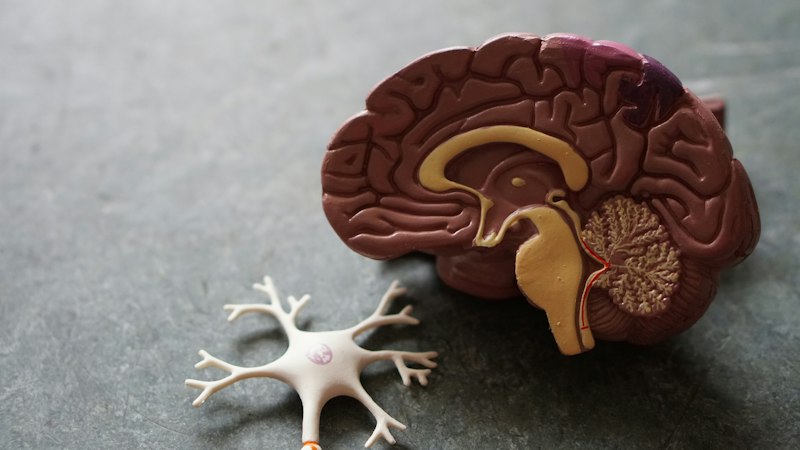
A neuromuscular disorder represents a broad category of conditions that affect the proper functioning of the muscles and the nerves that control them. Fundamentally, these disorders disrupt the intricate communication pathway between the central nervous system, peripheral nerves, and the voluntary muscles, which are essential for movement, balance, and many vital bodily functions. This disruption can manifest in various ways, often leading to progressive weakness, atrophy, and functional impairments that significantly impact an individual’s quality of life. The core idea is a breakdown in the signal transmission or the muscle’s ability to respond, rendering the musculoskeletal system unable to perform its intended tasks efficiently or at all.
The human body relies on a sophisticated system where electrical impulses originate in the brain and spinal cord, travel down motor neurons, and ultimately activate muscle fibers. This process, known as neuromuscular transmission, involves a delicate interplay of chemical neurotransmitters and receptor sites at the neuromuscular junction. When any component of this pathway is compromised—be it the motor neuron itself, the nerve sheath, the neuromuscular junction, or the muscle tissue—a neuromuscular disorder can arise. These conditions are typically chronic and often progressive, meaning their symptoms tend to worsen over time, though the rate of progression varies widely depending on the specific disorder and individual factors.
Understanding the fundamental mechanism behind these disorders is crucial for both diagnosis and treatment. It is not merely a problem with the muscles, but rather a complex interplay involving the neural control over those muscles. The impairment can stem from genetic predispositions, autoimmune responses, infections, metabolic disturbances, or environmental factors. Consequently, the wide spectrum of neuromuscular disorders encompasses conditions like muscular dystrophies, motor neuron diseases (e.g., ALS), peripheral neuropathies, and disorders of the neuromuscular junction (e.g., myasthenia gravis), each with its unique pathology but shared commonality of affecting movement and muscle function.
Historical Understanding and Early Discoveries
The recognition and understanding of what we now classify as neuromuscular disorders have evolved significantly over centuries, beginning with early observations of muscle weakness and paralysis. While ancient physicians likely described symptoms consistent with these conditions, a scientific understanding only began to emerge with advancements in anatomy and physiology. Key figures such as Sir Charles Bell in the early 19th century contributed to mapping the nervous system, differentiating between sensory and motor nerves, which laid foundational groundwork for understanding neural control over muscles. This period marked a shift from purely symptomatic descriptions to an investigative approach seeking anatomical and physiological explanations for debilitating conditions affecting movement.
The late 19th and early 20th centuries saw crucial developments in identifying specific neuromuscular disorders. For instance, Guillaume Duchenne de Boulogne meticulously documented a progressive muscle wasting disease in boys in 1861, now known as Duchenne muscular dystrophy, providing detailed clinical descriptions that are still relevant today. Around the same time, Jean-Martin Charcot’s work at the Salpêtrière Hospital in Paris illuminated other neurological conditions, including amyotrophic lateral sclerosis (ALS), which he described in detail. These clinicians, often working without the benefit of modern diagnostic tools, relied on careful observation, detailed clinical histories, and, eventually, microscopic examination of affected tissues to differentiate between various forms of muscle and nerve diseases, thereby categorizing distinct pathologies.
The mid-20th century brought the advent of electrophysiology, allowing researchers to study nerve conduction and muscle activity more directly, further refining diagnostic capabilities. The discovery of the genetic basis for many neuromuscular disorders, particularly with the mapping of the human genome towards the end of the 20th century and into the 21st, revolutionized the field. This genetic understanding has not only improved diagnostic accuracy but also opened new avenues for targeted therapies, including gene therapies, marking a profound shift from merely managing symptoms to addressing the root causes of these complex conditions. The ongoing research continues to build upon these historical foundations, constantly refining our understanding and expanding therapeutic horizons.
Diverse Causes of Neuromuscular Disorders
The etiology of neuromuscular disorders is remarkably diverse, ranging from inheritable genetic defects to acquired conditions influenced by environmental factors. One of the most common and significant causes involves genetic mutations. These mutations can be inherited from parents or occur spontaneously, leading to the production of faulty proteins or the absence of essential proteins required for nerve function, muscle development, or the integrity of the neuromuscular junction. For example, in muscular dystrophies, specific genetic defects lead to the degeneration of muscle fibers, while in some forms of Charcot-Marie-Tooth disease, mutations affect the nerves responsible for transmitting signals to the muscles, causing progressive weakness and sensory loss.
Beyond genetics, a substantial number of neuromuscular disorders are acquired, meaning they develop later in life due to various external or internal factors. Autoimmune diseases, where the body’s immune system mistakenly attacks its own healthy cells, are a prominent example. Myasthenia gravis, for instance, involves antibodies attacking receptors at the neuromuscular junction, impairing nerve-to-muscle communication. Other acquired causes include infections, which can directly damage nerves or muscles, and exposure to certain environmental toxins or drugs that interfere with neuromuscular function. Heavy metal poisoning, certain medications, or even some types of radiation exposure have been implicated in the development of various neuropathies and myopathies.
In some instances, the specific cause of a neuromuscular disorder remains idiopathic, meaning it is unknown despite extensive diagnostic efforts. This lack of a clear etiology can be particularly challenging for both patients and clinicians, as it hinders targeted treatment strategies. However, ongoing research continues to uncover new genetic markers, environmental triggers, and immunological pathways, slowly reducing the number of cases classified as idiopathic. The complex interplay between an individual’s genetic predisposition and environmental exposures is increasingly recognized as a critical factor in the onset and progression of many neuromuscular disorders, highlighting the multifactorial nature of these debilitating conditions.
Manifestation of Symptoms and Clinical Presentation
The symptoms of neuromuscular disorders are highly variable, depending on the specific condition, the nerves or muscles affected, and the stage of the disease. However, a common thread across most of these conditions is progressive muscle weakness, which can range from mild, barely noticeable fatigue to severe paralysis. This weakness often begins in specific muscle groups, such as those in the limbs, face, or trunk, before potentially spreading. Patients might experience difficulty with activities that were once effortless, such as climbing stairs, lifting objects, or even holding their head up. The insidious onset of weakness can make early diagnosis challenging, as individuals may initially attribute their symptoms to normal aging or overexertion.
Beyond primary weakness, individuals with neuromuscular disorders frequently experience a constellation of other debilitating symptoms. Fatigue is a pervasive complaint, often disproportionate to the level of activity, significantly impacting daily life. Muscle cramps, spasms, and involuntary twitching (fasciculations) are also common, reflecting abnormal electrical activity within the nerves or muscles. Many patients report muscle pain, which can be a direct result of muscle damage, inflammation, or compensatory strain on other muscle groups. As the disease progresses, balance and coordination can be severely compromised, leading to an increased risk of falls and difficulty with ambulation, potentially necessitating mobility aids.
In more advanced stages, neuromuscular disorders can impact critical involuntary functions. Swallowing difficulties (dysphagia) can lead to malnutrition and aspiration pneumonia, while weakness of the respiratory muscles can result in respiratory failure, a life-threatening complication that often requires mechanical ventilation. Speech difficulties (dysarthria) are also common when the muscles of the mouth, tongue, and larynx are affected, significantly impacting communication. The broad array of symptoms underscores the systemic nature of these disorders, affecting not just gross motor movements but also fine motor skills, vital organ functions, and overall quality of life, necessitating comprehensive medical and supportive care.
Diagnosis and Assessment Methodologies
Diagnosing neuromuscular disorders is a multifaceted process that typically involves a thorough clinical evaluation, detailed medical history, and a battery of specialized tests designed to pinpoint the exact nature and location of the impairment. The initial clinical assessment by a neurologist is crucial, focusing on observed muscle weakness, reflexes, sensory function, coordination, and gait abnormalities. The medical history will often seek information about family history of similar conditions, the onset and progression of symptoms, and any potential environmental exposures or co-existing medical conditions that might contribute to the presentation. This initial phase helps to narrow down the potential categories of neuromuscular disorders.
Instrumental diagnostic tests play a pivotal role in confirming a diagnosis and differentiating between various neuromuscular disorders. Electromyography (EMG) and nerve conduction studies (NCS) are cornerstone investigations. NCS measures the speed and strength of electrical signals traveling through nerves, identifying nerve damage or demyelination. EMG involves inserting a thin needle electrode into a muscle to record its electrical activity, both at rest and during contraction, revealing muscle disease or nerve damage patterns. These tests help distinguish between conditions primarily affecting the nerve, the neuromuscular junction, or the muscle itself, providing objective evidence of neuromuscular impairment.
Further specialized tests may include muscle biopsy or nerve biopsy, where small tissue samples are taken for microscopic examination to identify characteristic pathological changes, such as muscle fiber degeneration, inflammation, or specific protein deficiencies. Genetic testing has become increasingly important, especially for inherited neuromuscular disorders, allowing for precise diagnosis, family planning, and sometimes guiding specific therapeutic choices. Blood tests can also be informative, checking for elevated muscle enzymes (like creatine kinase), antibodies associated with autoimmune conditions (e.g., myasthenia gravis), or metabolic markers. The combination of these diagnostic tools provides a comprehensive picture, enabling clinicians to arrive at an accurate diagnosis, which is fundamental for initiating appropriate management and support strategies.
Therapeutic Approaches and Management Strategies
The treatment of neuromuscular disorders is highly individualized, depending on the specific diagnosis, its severity, and the patient’s symptoms. While many neuromuscular disorders currently lack a cure, therapeutic approaches primarily focus on managing symptoms, slowing disease progression, improving function, and enhancing the patient’s quality of life. A multidisciplinary team, often including neurologists, physical therapists, occupational therapists, speech therapists, respiratory therapists, and dieticians, is typically involved in providing comprehensive care.
Physical therapy and occupational therapy are cornerstones of management for nearly all neuromuscular disorders. Physical therapy aims to maintain muscle strength and flexibility, prevent contractures, improve balance, and optimize mobility through exercises, stretches, and assistive devices. Occupational therapy focuses on adapting daily activities and environments to compensate for functional limitations, helping patients maintain independence in tasks such as dressing, eating, and hygiene. Lifestyle modifications, such as regular rest periods, avoiding activities that exacerbate symptoms, and maintaining a balanced diet, are also crucial components in managing fatigue and preserving energy levels.
Pharmacological interventions play a significant role, particularly for disorders with inflammatory or autoimmune components. Corticosteroids and other immunosuppressive drugs can reduce inflammation and modulate the immune response in conditions like myositis or myasthenia gravis. Symptomatic medications are used to address specific issues such as pain, muscle spasms, or severe fatigue. For some genetic neuromuscular disorders, targeted therapies, including enzyme replacement therapies or gene-modulating drugs, are emerging, offering the potential to modify the disease course. In severe cases, or when structural abnormalities contribute to the symptoms, surgical interventions might be considered, for example, to correct spinal deformities or release tight tendons, thereby improving function and reducing discomfort. Respiratory support, ranging from non-invasive ventilation to tracheostomy, becomes critical when respiratory muscles are compromised, highlighting the importance of proactive management to prevent life-threatening complications.
A Practical Illustration: Living with a Neuromuscular Disorder
To illustrate the profound impact of a neuromuscular disorder, consider the hypothetical case of a person named Sarah, who is diagnosed in her late 20s with a form of Charcot-Marie-Tooth disease (CMT), a hereditary peripheral neuropathy. Initially, Sarah notices a subtle clumsiness in her feet and ankles, often tripping over uneven surfaces or finding it difficult to lift her feet properly when walking. This is due to the progressive weakness and atrophy of the muscles in her lower legs, a hallmark of CMT, as the nerves supplying these muscles slowly degenerate. The “how-to” of this principle applies as the impaired nerve signals prevent her brain from effectively commanding these specific muscles, leading to foot drop and an altered gait.
As the disorder progresses, Sarah’s symptoms gradually become more pronounced. She starts to experience tingling and numbness in her feet and hands, indicating sensory nerve involvement. Tasks that require fine motor skills, such as buttoning shirts or writing, become increasingly challenging due to weakness in her hand muscles. The principle here is the progressive nature of the nerve damage; as more nerve fibers are affected, a wider range of muscles and sensory functions become impaired. To adapt, Sarah begins using ankle-foot orthoses (AFOs) to support her feet and prevent tripping, and she learns adaptive strategies from an occupational therapist to manage daily tasks, such as using larger buttons or voice-to-text software for typing.
Eventually, the cumulative effect of muscle weakness and sensory loss significantly impacts Sarah’s independence. Walking long distances becomes arduous, necessitating the use of a cane or even a wheelchair for mobility outside her home. She requires regular physical therapy to maintain muscle strength and flexibility, preventing contractures that could further limit her movement. This example demonstrates how a neuromuscular disorder progressively erodes physical capabilities, requiring continuous adaptation, supportive care, and the integration of various therapeutic interventions to maintain a reasonable quality of life amidst persistent and evolving challenges.
Profound Significance and Societal Impact
The study and understanding of neuromuscular disorders hold immense significance for the broader field of psychology and medicine, primarily because they illuminate the intricate relationship between the nervous system, muscle function, and an individual’s psychological well-being. These conditions serve as critical models for investigating neurodegenerative processes, genetic expression, and the mechanisms of muscle atrophy and regeneration. The insights gained from studying neuromuscular disorders contribute significantly to basic neuroscience research, helping to unravel the fundamental principles of motor control, nerve impulse transmission, and muscle physiology. This knowledge is not only vital for understanding the diseases themselves but also for advancing our comprehension of healthy bodily function.
Beyond the biological aspects, the impact of neuromuscular disorders extends deeply into the psychological and social spheres. Living with a progressive condition that erodes physical abilities can lead to significant psychological distress, including depression, anxiety, and a diminished sense of self-efficacy. Psychology plays a crucial role in providing coping strategies, support systems, and therapeutic interventions to help individuals and their families navigate the emotional and practical challenges of chronic illness. Understanding the psychological adaptation to disability, the dynamics of caregiver burden, and the impact on social participation are all areas where psychological research and clinical practice are directly applied, striving to improve mental health outcomes alongside physical health.
In practical applications, the knowledge derived from neuromuscular disorders is utilized across various domains. In medical therapy, it informs the development of new drugs, gene therapies, and rehabilitative strategies. In public health, it guides advocacy efforts for accessibility, research funding, and patient support networks. Furthermore, the understanding of muscle and nerve function gained from these disorders can even influence fields like sports science and ergonomics, offering insights into optimal physical performance and injury prevention. The continuous pursuit of knowledge in this area directly translates into improved diagnostic tools, more effective treatments, and better support for millions worldwide affected by these challenging conditions, underscoring their profound societal and scientific importance.
Interconnections with Related Concepts and Subfields
Neuromuscular disorders are intricately linked to several other key psychological and medical concepts, providing a rich area for interdisciplinary study. They frequently intersect with the field of neurodegeneration, as many of these conditions involve the progressive loss of nerve cells or muscle fibers. For example, Amyotrophic Lateral Sclerosis (ALS) is a prominent motor neuron disease characterized by the degeneration of motor neurons in the brain and spinal cord, leading to profound muscle weakness and paralysis. Understanding the mechanisms of neuronal death in ALS contributes to broader research into neurodegenerative diseases like Alzheimer’s and Parkinson’s, even though the specific cell types and pathways differ.
These disorders also have strong connections to genetics and molecular biology. The identification of specific genetic mutations responsible for conditions like Duchenne muscular dystrophy or spinal muscular atrophy has revolutionized diagnosis and opened avenues for gene therapy. This highlights the importance of understanding how genetic codes translate into protein function and how errors in this process can lead to devastating diseases. Furthermore, the study of neuromuscular disorders informs our understanding of autoimmunity, particularly in conditions like myasthenia gravis, where the immune system attacks components of the neuromuscular junction. Research into these autoimmune mechanisms contributes to our broader knowledge of immunological disorders and their treatments.
The broader category of psychology to which the understanding and management of neuromuscular disorders are most closely related is Health Psychology and Rehabilitation Psychology. These subfields focus on the psychological, emotional, and social impacts of chronic illness and disability. They examine how individuals cope with physical limitations, pain, and dependence, and how psychological interventions can enhance adjustment, adherence to treatment, and overall well-being. Additionally, there are strong ties to Clinical Neuropsychology, particularly when cognitive impairments co-occur with certain neuromuscular disorders, or when understanding the brain’s role in motor control and its pathology is crucial. The comprehensive management of these conditions necessitates an integrated approach that acknowledges both the biological pathology and the psychological experience of living with a chronic, often progressive, physical disability.