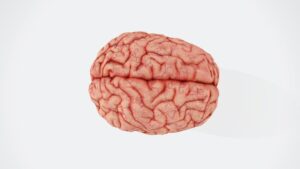
Neuropathology: Deciphering the Secrets of Your Mind
Scientifically Reviewed · Dr. Marwa Abd-Alazim · September 29, 2026
Review Criteria & Clinical Standards
This content undergoes rigorous scientific peer-review and medical editorial standards at Arab Psychology Network to ensure clinical accuracy, validity, and compliance with evidence-based guidelines from leading psychological and healthcare authorities (APA / WHO).

The Foundational Principles and Multidisciplinary Scope of Neuropathology
Neuropathology is a highly specialized branch of medicine and pathology that focuses on the study of diseases affecting the nervous system and the underlying pathological processes that govern them. This discipline serves as a critical bridge between clinical neurology, neurosurgery, and laboratory science, providing the definitive diagnosis for a vast array of conditions that impact the central nervous system (CNS) and the peripheral nervous system (PNS). By examining tissues from the brain, spinal cord, and nerves, neuropathologists are able to characterize structural and functional abnormalities that manifest as neurological symptoms. The field is inherently multidisciplinary, requiring a synthesis of clinical history, radiological imaging, and microscopic findings to reach an accurate diagnostic conclusion that guides patient management and therapeutic interventions.
The complexity of the nervous system necessitates a unique approach to pathological examination, as the brain and spinal cord possess distinct anatomical and physiological features not found in other organ systems. Neuropathologists must have an expert understanding of neuroanatomy and the intricate relationships between various cell types, including neurons, astrocytes, oligodendrocytes, and microglia. When disease strikes, these cells react in specific patterns—such as gliosis or demyelination—that the neuropathologist must interpret to determine the etiology of the disorder. Whether investigating inflammatory, infectious, neoplastic, or degenerative processes, the neuropathologist’s role is to translate these cellular changes into a coherent diagnostic framework that informs the clinical team’s next steps.
In the modern era, neuropathology is a rapidly evolving field, propelled by significant advancements in molecular and genetic technology. While traditional microscopic evaluation remains the “gold standard,” the integration of molecular markers has revolutionized how diseases are classified and treated. This evolution has led to the development of new methods for diagnosis that are far more precise than those available in previous decades. As our understanding of the genetic basis of neurological disease expands, neuropathologists are increasingly called upon to perform sophisticated genomic profiling, ensuring that the diagnosis reflects the true biological nature of the ailment. This commitment to integrating cutting-edge science with classical pathology ensures that neuropathology remains at the forefront of medical innovation.
Furthermore, the practice of neuropathology extends beyond the diagnostic laboratory into the realms of research and education. Neuropathologists often lead investigations into the mechanisms of brain disease, utilizing laboratory techniques to explore how proteins misfold or how tumors resist conventional therapies. Their findings contribute to the global body of knowledge that drives the development of new drugs and treatment protocols. In academic settings, they are responsible for training the next generation of neurologists and pathologists, emphasizing the importance of understanding the physical basis of neurological dysfunction. This holistic approach to the field underscores its importance as a cornerstone of both clinical practice and scientific discovery.
Core Objectives and the Diagnostic Process in Neuro-Analysis
The primary objective of neuropathology is to provide a comprehensive and accurate characterization of diseases that affect the nervous system. This process begins with the careful correlation of clinical data with physical tissue findings, a task that requires the neuropathologist to act as a diagnostic consultant. By reviewing the patient’s clinical presentation, including symptoms like cognitive decline, motor weakness, or sensory loss, the neuropathologist can narrow the differential diagnosis before even looking at a slide. This correlation is essential because many neurological disorders can mimic one another clinically, but they often possess distinct histopathological signatures that can only be identified through direct tissue examination.
To achieve this high level of diagnostic precision, neuropathologists utilize a variety of specialized laboratory techniques. The foundation of this work is histopathology, which involves the preparation and staining of thin tissue sections for examination under a light microscope. Standard stains, such as Hematoxylin and Eosin (H&E), allow for the visualization of basic cellular architecture and the identification of obvious abnormalities like inflammation, necrosis, or tumor growth. However, many neurological diseases require more specific visualization methods, such as silver stains for identifying neurofibrillary tangles or specialized myelin stains to assess the integrity of the white matter in demyelinating conditions.
Beyond basic staining, immunohistochemistry (IHC) has become an indispensable tool in the neuropathologist’s arsenal. IHC uses antibodies to detect specific proteins and antigens within the tissue, allowing for the precise identification of cell types and the detection of pathological protein accumulations. For example, IHC can distinguish between different types of brain tumors by identifying specific markers like GFAP for glial cells or Synaptophysin for neuronal differentiation. This level of detail is crucial for subtyping diseases and predicting their clinical behavior. Additionally, electron microscopy (EM) may be employed to observe the ultrastructural components of cells, such as the detailed structure of the myelin sheath or the presence of storage material in lysosomal disorders, providing a resolution that light microscopy cannot achieve.
The diagnostic process also involves a rigorous evaluation of the gross anatomy of the brain and spinal cord, particularly in post-mortem examinations. Neuropathologists examine the brain for signs of atrophy, hemorrhage, or mass lesions, providing a macroscopic context for the microscopic findings. This comprehensive evaluation is vital for understanding the full extent of a disease process and for validating the accuracy of clinical diagnoses made during the patient’s life. By combining these macroscopic and microscopic techniques, neuropathologists ensure that every diagnosis is backed by a robust body of physical evidence, providing the clarity needed to manage complex neurological conditions effectively.
The Impact of Molecular and Genetic Advancements on Modern Practice
One of the most transformative developments in the history of neuropathology is the shift toward molecular and genetic analysis. This “molecular revolution” has fundamentally changed how diseases of the nervous system are categorized, moving the field away from purely descriptive morphology toward a more objective, biologically based system. In the realm of neuro-oncology, for example, the classification of brain tumors is now heavily reliant on the identification of specific genetic mutations, such as IDH1/2 mutations, 1p/19q co-deletions, and MGMT promoter methylation status. These molecular markers are often more predictive of a patient’s prognosis and response to therapy than the traditional histological grade alone, making them a mandatory component of the modern diagnostic report.
Genetic technology has also provided new insights into hereditary neurological conditions and the underlying causes of complex neurodegenerative disorders. Techniques such as next-generation sequencing (NGS) and fluorescence in situ hybridization (FISH) allow neuropathologists to detect subtle chromosomal abnormalities and gene variants that predispose individuals to certain diseases. This is particularly important in the diagnosis of pediatric neurological disorders and rare genetic syndromes, where a definitive genetic diagnosis can provide closure for families and guide genetic counseling. The ability to pinpoint the exact molecular driver of a disease has also paved the way for personalized medicine, where treatments are tailored to the specific genetic makeup of a patient’s tumor or disorder.
The integration of these advanced technologies requires neuropathologists to maintain a high level of expertise in molecular biology and bioinformatics. They must be able to interpret complex genetic data and integrate it with traditional pathological findings to produce a cohesive integrated diagnosis. This role is increasingly important as new targeted therapies are developed that specifically address the molecular pathways identified in the pathology lab. For instance, the identification of BRAF mutations in certain low-grade gliomas has led to the use of targeted inhibitors that can significantly improve outcomes for patients who might not respond to conventional chemotherapy. This synergy between molecular discovery and clinical application is a hallmark of contemporary neuropathology.
Moreover, the use of molecular diagnostics is not limited to oncology; it is also playing an expanding role in the study of infectious and inflammatory diseases of the CNS. Neuropathologists use molecular techniques to identify viral DNA or RNA in brain tissue, providing a rapid and accurate diagnosis for conditions like herpes simplex encephalitis or progressive multifocal leukoencephalopathy (PML). This speed is often critical for initiating life-saving treatments. As molecular tools become more accessible and cost-effective, their use in routine neuropathological practice will continue to grow, further refining our ability to diagnose and understand the vast spectrum of diseases that affect the human nervous system.
Pathological Insights into Neurodegenerative Diseases: Alzheimer’s and Parkinson’s
Neuropathology is the definitive discipline for diagnosing and studying neurodegenerative diseases, which are characterized by the progressive loss of neurons and the accumulation of abnormal protein aggregates. Alzheimer’s disease, the most common form of dementia, is characterized by the presence of extracellular amyloid-beta plaques and intracellular neurofibrillary tangles composed of hyperphosphorylated tau protein. The neuropathologist’s role is to map the distribution and density of these lesions throughout the brain, using standardized staging systems like the Braak stages to determine the severity of the disease. This post-mortem analysis remains the only way to confirm a definitive diagnosis of Alzheimer’s, making the work of the neuropathologist essential for research into potential cures and the validation of new diagnostic biomarkers.
In addition to Alzheimer’s, neuropathologists are central to the diagnosis of Parkinson’s disease and other alpha-synucleinopathies. Parkinson’s is pathologically defined by the loss of dopaminergic neurons in the substantia nigra and the presence of Lewy bodies, which are spherical protein inclusions found within the cytoplasm of surviving neurons. Neuropathological examination allows for the differentiation of Parkinson’s from other movement disorders that may present with similar clinical features, such as multiple system atrophy (MSA) or progressive supranuclear palsy (PSP). Each of these conditions has a unique “pathological footprint” that the neuropathologist identifies, providing critical information for understanding the heterogeneity of neurodegenerative syndromes.
The study of multiple sclerosis (MS) also falls within this domain, focusing on the pathology of demyelination and the inflammatory response within the CNS. Neuropathologists examine MS plaques to determine their activity—whether they are active, chronic-active, or inactive—and to assess the degree of axonal damage. This research is vital for understanding why some patients experience more aggressive disease courses than others and for developing neuroprotective strategies that aim to preserve neuronal function and promote remyelination. By studying the interactions between the immune system and the nervous system in MS, neuropathologists are helping to uncover the mechanisms that drive disability in this chronic and often devastating condition.
The investigation of prion diseases, such as Creutzfeldt-Jakob disease, represents another specialized area of neurodegenerative pathology. These diseases are characterized by a unique “spongiform” change in the brain tissue, caused by the misfolding of the prion protein. Neuropathologists must use stringent safety protocols when handling these tissues, as the infectious agents are highly resistant to standard sterilization methods. The identification of the specific strain of prion disease is essential for public health monitoring and for understanding the risk of transmission. The expertise required to diagnose these rare but rapidly progressive conditions highlights the specialized nature of neuropathological practice and its role in protecting the broader community.
Traumatic Brain Injury and Vascular Neuropathology
Traumatic brain injury (TBI) is a major focus of neuropathological study, involving the analysis of both primary and secondary injury mechanisms. Primary injury refers to the immediate physical damage caused by mechanical forces, such as contusions, lacerations, and diffuse axonal injury (DAI). Neuropathologists use specialized immunohistochemical stains for proteins like amyloid precursor protein (APP) to detect axonal disruption that is often invisible on standard CT or MRI scans. This work is essential for correlating the physical trauma with the clinical outcome and for providing forensic evidence in cases of accidental or non-accidental injury. Understanding the biomechanics of these injuries is critical for developing better protective equipment and safety protocols in sports and industry.
Secondary injury processes in TBI involve a complex cascade of inflammation, cerebral edema, and metabolic failure that occurs in the hours and days following the initial impact. Neuropathologists investigate these secondary changes to understand how they contribute to further tissue loss and the development of long-term complications. This research has led to a greater understanding of chronic traumatic encephalopathy (CTE), a neurodegenerative condition found in individuals with a history of repetitive head impacts. By identifying the unique pattern of tau protein deposition in CTE, neuropathologists have been able to distinguish it from other forms of dementia, leading to significant changes in how head injuries are managed in professional and amateur athletics.
Vascular disorders, including ischemic stroke and intracranial hemorrhage, represent another significant area of neuropathological expertise. Neuropathologists examine brain tissue to determine the age and extent of an infarction and to identify the underlying cause of the vascular event. This may involve assessing the health of the cerebral blood vessels for signs of atherosclerosis, vasculitis, or cerebral amyloid angiopathy (CAA). CAA, in particular, is a major cause of spontaneous lobar hemorrhage in the elderly and is characterized by the deposition of amyloid protein within the walls of small to medium-sized arteries. Identifying these vascular changes is essential for guiding clinical management and for preventing future strokes in at-risk populations.
The study of hypoxic-ischemic encephalopathy, which occurs when the brain is deprived of oxygen and blood flow, is also a critical component of vascular neuropathology. This condition can occur in various clinical scenarios, including cardiac arrest, neonatal asphyxia, or carbon monoxide poisoning. Neuropathologists evaluate the specific patterns of neuronal loss in vulnerable areas of the brain, such as the hippocampus and cerebellum, to provide a detailed assessment of the brain injury. This information is vital for prognosticating recovery and for understanding the long-term neurological consequences of global brain ischemia. The insights gained from these studies are essential for improving the care of patients who have survived life-threatening vascular events.
Specialized Training and Professional Requirements for Neuropathologists
Neuropathology is a highly specialized field that requires a rigorous and extensive educational pathway. To become a neuropathologist, an individual must first complete a medical degree followed by a residency in anatomic pathology or a combined program that includes neurology. After completing their residency, they must then undertake a dedicated two-year fellowship in neuropathology. This fellowship provides intensive training in the microscopic diagnosis of brain tumors, neurodegenerative diseases, and muscle and nerve pathology. This extensive training ensures that the neuropathologist has the deep anatomical and clinical knowledge necessary to interpret complex cases and to serve as a reliable consultant to other medical specialists.
A core requirement for a successful career in neuropathology is the ability to correlate clinical and laboratory findings. Neuropathologists do not work in isolation; they are integral members of a clinical team that includes neurosurgeons, neurologists, neuroradiologists, and oncologists. They often participate in “tumor boards” or clinical-pathological conferences (CPCs), where they present their findings and discuss the best course of action for complex patient cases. This collaborative environment requires excellent communication skills and the ability to explain complex pathological concepts in a way that is relevant to clinical decision-making. The neuropathologist’s report is often the final word in a patient’s diagnostic journey, and it must be both accurate and actionable.
In addition to their diagnostic duties, neuropathologists are expected to remain at the forefront of scientific research and technological advancement. This requires a commitment to continuing medical education and a willingness to adopt new diagnostic platforms, such as digital pathology and molecular profiling. Many neuropathologists also lead their own research laboratories, where they investigate the fundamental causes of nervous system diseases. This involvement in research ensures that their clinical practice is informed by the latest scientific discoveries, and it allows them to contribute to the development of new diagnostic tools and therapeutic strategies. This dual role as both a clinician and a scientist is a defining characteristic of the profession.
The professional landscape for neuropathologists also includes forensic applications, where they may be called upon to perform autopsies for medical examiners or coroners. In this capacity, they investigate sudden or unexplained deaths that may be related to neurological disease or trauma. This work requires a high degree of precision and the ability to provide expert testimony in a legal setting. Whether working in an academic hospital, a private laboratory, or a forensic setting, neuropathologists must adhere to the highest ethical and professional standards, ensuring that their work provides the maximum benefit to patients, their families, and the medical community at large.
Future Frontiers: Stem Cells, AI, and Digital Pathology
The future of neuropathology is being shaped by groundbreaking innovations that promise to redefine the field’s diagnostic and therapeutic capabilities. One of the most promising areas of research is stem cell therapy and its potential to treat currently incurable neurological conditions. Neuropathologists are playing a crucial role in this area by evaluating how transplanted stem cells integrate into the host brain tissue and whether they can successfully differentiate into functional neurons or glial cells. Their expertise in tissue analysis is essential for monitoring the safety of these therapies and for identifying any adverse reactions, such as the formation of tumors or abnormal inflammatory responses. This work is foundational for the development of regenerative medicine strategies for stroke, spinal cord injury, and neurodegeneration.
Another major shift in the field is the adoption of digital pathology and the integration of artificial intelligence (AI) into the diagnostic workflow. Digital pathology involves the high-resolution scanning of glass slides into digital images, which can then be shared instantly with experts around the world for consultation. AI and machine learning algorithms are being developed to assist neuropathologists in identifying subtle pathological features, such as the number of mitotic figures in a tumor or the density of amyloid plaques in a biopsy. These tools have the potential to increase diagnostic accuracy and consistency, reducing the subjectivity that can sometimes occur in human interpretation. As these AI models become more sophisticated, they will likely become an essential part of the neuropathologist’s toolkit, allowing for faster and more precise diagnoses.
The ongoing exploration of the blood-brain barrier (BBB) and neuro-immunology also represents a significant future frontier. Neuropathologists are investigating how the immune system interacts with the brain in various disease states, from autoimmune encephalitis to the chronic inflammation associated with neurodegeneration. Understanding these interactions is key to developing new treatments that can cross the BBB or modulate the immune response within the CNS. As we develop more targeted and effective therapies, the neuropathologist’s role in characterizing the tissue response to these interventions will be critical for ensuring their success. These advancements highlight the dynamic nature of neuropathology and its central role in the future of neuroscience and medicine.
Finally, the field is increasingly focused on the use of liquid biopsies, which involve the detection of brain-derived biomarkers—such as circulating tumor DNA or specific proteins—in the blood or cerebrospinal fluid. While tissue biopsy remains the definitive diagnostic method, liquid biopsies offer a less invasive way to monitor disease progression and response to treatment. Neuropathologists are working to validate these biomarkers by correlating them with findings from traditional tissue samples. This integration of fluid-based and tissue-based diagnostics represents a significant step toward a more comprehensive and patient-friendly approach to neurological care, ensuring that neuropathology continues to adapt to the needs of modern medicine.
Summary and Conclusion
In summary, neuropathology is a sophisticated and essential medical specialty that provides the biological foundation for our understanding of neurological disease. Through the integration of clinical knowledge, advanced laboratory techniques, and cutting-edge molecular analysis, neuropathologists offer a level of diagnostic precision that is vital for the effective management of patients with disorders of the brain, spinal cord, and nerves. Their work bridges the gap between the laboratory and the clinic, ensuring that medical treatments are based on a rigorous understanding of the physical changes occurring within the nervous system. As the field continues to evolve, the neuropathologist’s role as a diagnostic expert and scientific investigator will only become more critical.
The ongoing advancements in genetics, digital technology, and regenerative medicine are opening new chapters in the history of neuropathology, providing tools that were once the stuff of science fiction. These innovations are allowing for more personalized and effective care, tailored to the specific molecular and cellular profile of each patient’s disease. However, even as technology advances, the core principles of neuropathology—careful observation, clinical correlation, and a deep respect for the complexity of the human brain—remain unchanged. The neuropathologist’s ability to interpret the physical manifestations of disease remains a cornerstone of modern neuroscience and a primary driver of medical progress.
Ultimately, the field of neuropathology is dedicated to improving the lives of patients suffering from some of the most challenging and devastating conditions in medicine. By providing accurate diagnoses, uncovering the mechanisms of disease, and helping to develop new treatments, neuropathologists play a vital role in the global effort to combat neurological dysfunction. As we look to the future, the continued dedication of these specialists to scientific excellence and patient care will ensure that the mysteries of the nervous system continue to be unraveled, leading to better outcomes and a deeper understanding of the human condition.
References and Further Reading
The following resources provide additional information on the standards, practices, and foundational knowledge of the field of neuropathology:
- American Association of Neuropathologists. (2020). About Neuropathology. Retrieved from https://www.aan.com/about-neuropathology/
- Grandin, L. (2018). Neuropathology: The Basics. ScienceDirect. Retrieved from https://www.sciencedirect.com/topics/neuroscience/neuropathology
- Lovato, L. D., & Torgerson, C. J. (2017). Neuropathology: An Overview. NCBI. Retrieved from https://www.ncbi.nlm.nih.gov/pmc/articles/PMC5693677/