Neurophysiology: Decoding the Biological Roots of Thought
Scientifically Reviewed · Dr. Marwa Abd-Alazim · October 2, 2026
Review Criteria & Clinical Standards
This content undergoes rigorous scientific peer-review and medical editorial standards at Arab Psychology Network to ensure clinical accuracy, validity, and compliance with evidence-based guidelines from leading psychological and healthcare authorities (APA / WHO).
Introduction to Neurophysiology
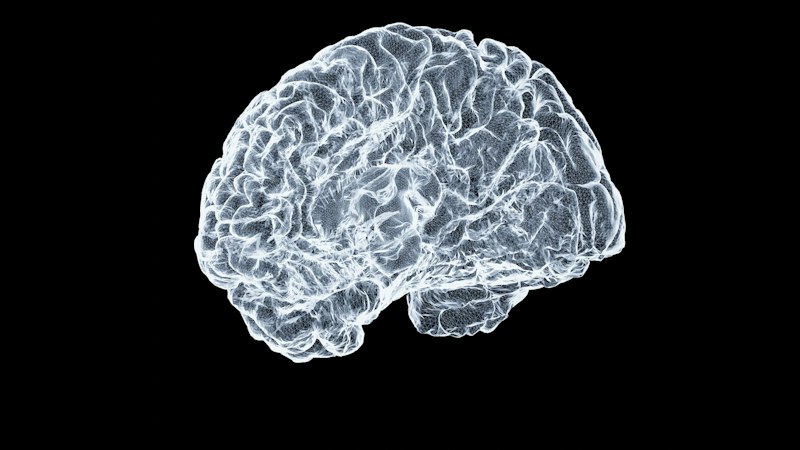
Neurophysiology serves as a vital cornerstone of physiological science, focused specifically on decoding the multifaceted electrical and chemical dynamics of neurons and their communicative networks. This field aims to illuminate the precise biological mechanisms that govern all nervous system operations, spanning from elementary autonomic reflexes to the highly sophisticated cognitive landscapes of the human mind. To build a comprehensive, multi-dimensional understanding of these systems, neurophysiology seamlessly integrates insights from an array of scientific fields, including molecular anatomy, biochemistry, cellular biology, and genetics, thereby mapping the development, structural framework, and functional orchestration of both the central nervous system, composed of the brain and spinal cord, and the peripheral nervous system, which spans the rest of the body.
At its fundamental core, this scientific discipline investigates how specialized nerve cells, known as neurons, generate, propagate, and process the electrical signals that form the primary language of neural communication. These transient electrical impulses, designated as action potentials, represent the physiological foundation of all neural processing, facilitating rapid, high-fidelity information transfer across extensive, highly complex cellular networks. Beyond analyzing individual cellular mechanics, neurophysiology explores how these specialized cells construct functional synaptic junctions, release and receive chemical messengers known as neurotransmitters, and integrate into complex, self-regulating circuits that directly dictate human perception, motor execution, abstract thought, emotional states, and memory consolidation. Achieving a precise understanding of these electrochemical dynamics is absolutely critical not only for mapping healthy, homeostatic brain function but also for elucidating the underlying pathophysiology of diverse neurological and psychiatric disorders.
Methodologically, the field of neurophysiology is deeply grounded in rigorous empirical observation and quantitative measurement, utilizing an increasingly sophisticated suite of diagnostic and experimental tools to evaluate neural activity. Key non-invasive modalities include electroencephalography (EEG), which captures the aggregate electrical fluctuations of the cerebral cortex via scalp electrodes, and magnetoencephalography (MEG), which records the subtle magnetic fields generated by active neuronal populations. Additionally, functional magnetic resonance imaging (fMRI) allows researchers to track metabolic changes and localized blood flow as indirect markers of neural activation, while highly precise, invasive techniques—such as intracellular and extracellular microelectrode recordings—provide direct, real-time measurements of single-cell activity. Collectively, these diverse technological approaches allow scientists to dissect the intricate functional architecture of the nervous system, translating raw electrical signals into coherent models of brain function and behavior.
The Fundamental Units: Neurons and Glia
The structural and functional integrity of the nervous system is maintained by two primary classes of cells: neurons and glia. Neurons are highly specialized, electrically excitable cells designed to rapidly receive, process, and transmit information across substantial anatomical distances. Structurally, a typical neuron features a soma, or cell body, containing the nucleus and metabolic machinery, multiple branching dendrites that act as receptive fields for incoming chemical inputs, and a singular, elongated axon that conducts outbound electrical signals toward target cells. The neuronal membrane is embedded with an array of specialized ion channels and pumps that maintain a steady resting membrane potential, establishing the electrochemical polarization necessary to generate and propagate the rapid, self-regenerating electrical impulses known as action potentials.
To understand how these electrical signals are generated, neurophysiologists meticulously examine the biophysical properties governing membrane dynamics and ion selectivity. The generation of an action potential is a highly coordinated event driven by the sequential opening and closing of voltage-gated ion channels, which regulate the flow of sodium, potassium, calcium, and chloride ions across the lipid bilayer. Upon receiving sufficient excitatory input, the neuronal membrane undergoes rapid depolarization, primarily driven by a massive, inward rush of sodium ions, which is quickly followed by repolarization as sodium channels inactivate and potassium ions flow outward to restore the negative internal charge. This delicate homeostatic balance of electrical charge determines how individual neurons integrate thousands of synaptic inputs along their dendritic trees, transforming analog signals into digital patterns of action potentials that travel down the axon to release neurotransmitters at the synapse.
While neurons have historically captured the spotlight in neurophysiological research, modern science increasingly recognizes that glial cells, or glia, are equally indispensable partners in maintaining nervous system homeostasis. Once dismissed as mere biological glue, these supporting cells perform a diverse array of critical functions, such as structural support, metabolic regulation, and synaptic modulation. The main types of glial cells include the following:
- Astrocytes: Regulate the local chemical environment, clear excess neurotransmitters, and buffer potassium levels.
- Oligodendrocytes and Schwann Cells: Form the lipid-rich myelin sheath around axons to accelerate signal transmission through saltatory conduction.
- Microglia: Act as specialized immune cells, defending the nervous system against pathogens and clearing debris.
Neurophysiology increasingly recognizes that this intricate interplay between neurons and glial cells is essential for maintaining optimal nervous system function. Any disruption or dysregulation in glial cell activity can contribute significantly to neurological diseases, making them key targets for therapeutic research.
Historical Foundations of Neurophysiology
The historical origins of neurophysiology trace back to the late 18th century, initiated by the pioneering experiments of Italian physician and physicist Luigi Galvani. By demonstrating that electrical stimulation could induce muscle contractions in dissected frog legs, Galvani uncovered the existence of “animal electricity,” a discovery that fundamentally challenged the prevailing vitalistic beliefs of his era and suggested that biological tissues possess intrinsic electrical properties. This monumental concept was further refined in the 19th century by German physiologist Hermann von Helmholtz, who succeeded in measuring the precise speed of nerve impulse conduction. Helmholtz’s findings dispelled the long-held myth that neural signals traveled instantaneously, demonstrating instead that nerve conduction is a measurable, physical process governed by natural physical and chemical laws.
The turn of the 20th century brought a profound paradigm shift in anatomical and physiological understanding with the formulation of the neuron doctrine, championed by the Spanish histologist Santiago Ramón y Cajal. Utilizing the silver nitrate staining technique developed by Camillo Golgi, Cajal produced incredibly detailed anatomical drawings demonstrating that the nervous system is composed of individual, discrete cells rather than a continuous, reticular web of fused fibers. This anatomical breakthrough was paired with the physiological insights of British physiologist Charles Sherrington, who coined the term synapse to describe the specialized junctions where neurons communicate and meticulously mapped the integrative actions of spinal reflexes, establishing the foundational framework for modern neural network theory.
By the mid-20th century, the biophysical mechanisms of neural communication were definitively characterized through a series of landmark discoveries regarding the action potential and synaptic transmission. British researchers Alan Hodgkin and Andrew Huxley utilized the squid giant axon to formulate a mathematical model detailing how the voltage-dependent permeability of sodium and potassium ions generates the action potential, work that earned them the Nobel Prize. Simultaneously, Bernard Katz elucidated the chemical nature of synaptic transmission at the neuromuscular junction, demonstrating that neurotransmitters are released in discrete, packet-like units called quanta. Shortly thereafter, John Eccles advanced this work by demonstrating the electrical properties of excitatory and inhibitory postsynaptic potentials, providing a complete biophysical explanation for how neural signals are integrated, regulated, and transmitted across synaptic gaps.
Electrophysiological Techniques and Measurement
Modern neurophysiology relies on a diverse and highly sophisticated toolkit of electrophysiological and neuroimaging techniques to capture, measure, and analyze the electrical dynamics of the living nervous system. Among the non-invasive modalities, electroencephalography (EEG) remains a primary tool in both clinical and experimental settings, utilizing an array of scalp electrodes to record the synchronized, post-synaptic electrical potentials generated by millions of cortical neurons. EEG is highly valued for its exceptional temporal resolution, allowing researchers to monitor rapid, millisecond-by-millisecond changes in brain state, which is crucial for investigating sleep architectures, cognitive processing, and diagnosing paroxysmal neurological conditions such as epilepsy.
To overcome the spatial limitations of EEG, which suffers from signal distortion as electrical currents pass through the skull and scalp, researchers utilize magnetoencephalography (MEG). MEG measures the extremely weak magnetic fields naturally produced by active neuronal populations, offering superior spatial localization because magnetic fields pass through biological tissues virtually unhindered. This technique provides scientists with a highly detailed, real-time map of cortical activation, making it invaluable for studying the precise chronological sequence of neural processing during sensory perception, language comprehension, and motor planning. By tracking these magnetic signatures with high temporal and spatial precision, MEG bridges the gap between purely structural imaging and highly dynamic functional measurements.
Complementing these direct electrical and magnetic recordings are metabolic imaging techniques, most notably functional magnetic resonance imaging (fMRI), which measures neural activity indirectly by tracking local changes in blood oxygenation and flow, known as the BOLD signal. When specific brain regions become active, they consume more oxygen, prompting a localized surge in oxygenated blood flow that fMRI can detect with superb spatial resolution, allowing researchers to localize cognitive, emotional, and sensory processes to specific anatomical structures. In addition to these non-invasive human neuroimaging tools, basic research frequently employs invasive single-unit recordings in animal models, utilizing microelectrodes to monitor the action potentials of individual neurons, thereby providing an unparalleled, high-resolution view of how information is processed and encoded at the cellular level.
Neurophysiology in Action: A Real-World Example
To fully appreciate the real-world application of neurophysiological principles, one can examine the rapid, protective mechanism of the somatic withdrawal reflex arc, such as the involuntary retraction of a hand from a hot stove. This complex survival response is executed in a fraction of a second, demonstrating the remarkable speed, coordination, and efficiency of the nervous system. The entire sequence is designed to minimize tissue damage by bypassing conscious cerebral processing in the initial stages, relying instead on a highly streamlined pathway localized within the spinal cord.
The physiological chain reaction begins the instant the skin makes contact with the high-temperature surface, stimulating specialized sensory receptors called thermoreceptors embedded within the dermal layers. These receptors act as biological transducers, converting thermal energy into electrical energy by opening temperature-sensitive ion channels, which triggers a localized influx of sodium ions and depolarizes the sensory neuron’s membrane. Once this depolarization reaches a critical threshold, it initiates a rapid sequence of action potentials that propagate along the myelinated axon of the sensory neuron, traveling swiftly from the peripheral nervous system into the dorsal horn of the spinal cord.
The precise sequence of the motor reflex can be broken down into the following distinct physiological steps:
- Sensory Transduction: Thermoreceptors in the skin detect thermal energy and generate action potentials.
- Afferent Propagation: The action potential travels along the sensory neuron’s myelinated axon to the spinal cord.
- Synaptic Integration: The sensory neuron releases neurotransmitters in the spinal cord, activating an interneuron.
- Efferent Motor Activation: The interneuron synapses with a motor neuron, which fires an action potential down its axon.
- Muscle Contraction: The motor neuron releases acetylcholine at the neuromuscular junction, triggering rapid muscle contraction.
While this reflex loop is completed entirely within the spinal cord to maximize speed, ascending collateral pathways simultaneously transmit the sensory information up to the cerebral cortex. This dual pathway allows the individual to consciously perceive the sensation of pain and register the memory of the event shortly after the physical withdrawal has occurred, helping to prevent future injuries.
The Profound Significance of Neurophysiology
The scientific significance of neurophysiology is immense, as it establishes the foundational biological framework required to understand the mechanisms underlying all human experience, behavior, and consciousness. By exploring how the brain’s physical structure generates electrical and chemical signals, neurophysiology serves as a vital bridge connecting cellular-level biology with the emergent properties of cognitive psychology and behavioral science. This discipline allows researchers to move beyond theoretical models of the mind, providing hard empirical data that explains how physical neural networks construct our subjective realities, from basic sensory perceptions to complex intellectual tasks like language acquisition and logical reasoning.
Furthermore, neurophysiology is of paramount clinical importance, as it is essential for deciphering the complex pathophysiology of diverse neurological and psychiatric disorders that affect millions of people worldwide. Conditions such as epilepsy, Parkinson’s disease, Alzheimer’s dementia, amyotrophic lateral sclerosis, and severe clinical depression are fundamentally characterized by disruptions in normal neural excitability, synaptic communication, or network connectivity. By meticulously mapping these cellular aberrations, neurophysiological research provides critical diagnostic markers, prognostic indicators, and pharmacological targets, paving the way for the development of highly specific, effective therapies designed to restore electrochemical balance within the nervous system.
Beyond its clinical and medical utility, the field continuously enriches our broader understanding of neural adaptability and cognitive development, particularly through the study of synaptic plasticity. This neurophysiological process describes the ability of synapses to strengthen or weaken over time in response to patterns of activity, forming the physical basis of learning and memory storage. By identifying the molecular and electrical mechanisms that govern how neural circuits reorganize themselves in response to environmental stimuli, neurophysiology provides profound insights into human development, intellectual acquisition, and recovery of function following brain injury or stroke.
Clinical and Therapeutic Applications
The clinical utility of neurophysiology is deeply integrated into modern medicine, where specialized diagnostic and monitoring techniques are routinely used to evaluate and manage a wide range of neurological disorders. For example, EEG is the gold-standard diagnostic tool for identifying, classifying, and managing epilepsy, enabling clinicians to locate abnormal electrical discharges and tailor anticonvulsant therapies accordingly. Additionally, clinical neurophysiologists utilize intraoperative monitoring—recording evoked potentials and EEG during high-risk neurosurgical procedures—to protect critical motor and sensory pathways from accidental damage, ensuring safer surgical outcomes for patients undergoing spinal or cranial surgeries.
In recent decades, neurophysiological insights have also driven the development of highly effective neuromodulation therapies, such as deep brain stimulation (DBS). DBS involves the surgical implantation of fine electrodes into deep subcortical structures, such as the subthalamic nucleus, to deliver controlled electrical impulses that modulate aberrant, hyper-synchronized neural circuits. This therapeutic approach has revolutionized the treatment of advanced Parkinson’s disease, essential tremor, and dystonia, offering profound symptomatic relief when traditional pharmacological options have failed. Similarly, non-invasive neuromodulation techniques like transcranial magnetic stimulation (TMS) are increasingly utilized to treat medication-resistant major depressive disorder and chronic neuropathic pain by modulating cortical excitability.
Furthermore, the field of clinical neurophysiology directly guides the design and application of targeted pharmacological intervention strategies. By elucidating the precise molecular structures of voltage-gated ion channels and neurotransmitter receptors, researchers can design highly selective drugs that restore normal electrochemical signaling in diseased states. This includes the development of sodium-channel blockers to prevent epileptic seizures, dopamine agonists to alleviate the motor symptoms of Parkinson’s disease, and selective serotonin reuptake inhibitors to modulate mood-regulating circuits in psychiatric conditions, demonstrating how cellular-level neurophysiological research translates directly into improved patient care.
Interdisciplinary Connections and Future Directions
Neurophysiology does not exist in scientific isolation; rather, it functions as a highly collaborative, interdisciplinary hub that connects and informs numerous fields within the broader scope of neuroscience. It shares an intimate, reciprocal relationship with neuroanatomy, which maps the physical structural pathways of the nervous system, and neurochemistry, which identifies the endogenous molecular signals that modulate neural activity. Furthermore, the field of neuropharmacology relies entirely on neurophysiological principles to study how exogenous chemicals and pharmaceutical agents interact with specific receptors and ion channels, altering neural excitability and behavioral outputs.
Within the behavioral and social sciences, neurophysiology provides the biological foundation for biological psychology and cognitive neuroscience, which seek to identify the physical neural substrates of psychological phenomena. By pairing electrophysiological recordings and functional neuroimaging with rigorous behavioral paradigms, researchers can systematically map the neural correlates of attention, decision-making, social interaction, and emotional regulation, offering empirical verification for cognitive models. This integration helps demystify the complex relationship between the physical brain and the psychological self, ensuring that psychological theories remain grounded in biological reality.
Looking toward the future, the field of neurophysiology is poised for unprecedented growth, driven by rapid technological innovations that promise to unlock deeper mysteries of the brain. Prominent among these is optogenetics, an advanced technique that uses light to selectively activate or inhibit genetically modified neurons in real-time, allowing researchers to study the causal roles of specific neural circuits with extraordinary precision. Additionally, the development of sophisticated brain-computer interfaces (BCIs) represents a revolutionary application of neurophysiological principles, enabling individuals with severe paralysis or spinal cord injuries to operate prosthetic limbs or communication devices directly with their thoughts. As these and other technologies continue to evolve, they will undoubtedly deepen our understanding of neural plasticity and open up transformative new pathways for neurological rehabilitation and human-machine integration.