Neuroprotection: Safeguarding Your Cognitive Future
Scientifically Reviewed · Dr. Marwa Abd-Alazim · September 28, 2026
Review Criteria & Clinical Standards
This content undergoes rigorous scientific peer-review and medical editorial standards at Arab Psychology Network to ensure clinical accuracy, validity, and compliance with evidence-based guidelines from leading psychological and healthcare authorities (APA / WHO).

The Conceptual Framework of Neuroprotection in Modern Neuroscience
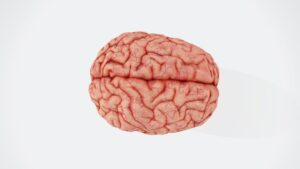
The term neuroprotective refers to the complex array of mechanisms and strategies aimed at preserving neuronal structure and function from various forms of insult, including traumatic injury, metabolic distress, and chronic degenerative processes. In the context of contemporary psychology and neurology, neuroprotection is not merely a reactive measure but a proactive physiological priority. It encompasses the biological processes that prevent or slow the progression of neuronal loss, thereby maintaining the integrity of the central nervous system (CNS). This field of study has evolved significantly from basic observation to a sophisticated understanding of molecular signaling pathways that determine cell survival versus programmed cell death, or apoptosis.
At its core, neuroprotection involves the mitigation of secondary injury cascades that follow an initial neurological event. Whether the primary insult is an acute ischemic stroke or a chronic accumulation of misfolded proteins, the subsequent cellular response often leads to a self-perpetuating cycle of damage. Neuroprotective strategies aim to interrupt this cycle by modulating intracellular signaling, stabilizing mitochondrial membranes, and reducing the production of reactive oxygen species. By intervening at these critical junctions, clinicians and researchers hope to preserve the “penumbra”—the viable but threatened tissue surrounding a primary site of injury—thereby improving functional outcomes for patients with neurological disorders.
The significance of neuroprotection extends beyond clinical intervention into the realm of preventative psychology and cognitive health. As the global population ages, the prevalence of neurodegenerative diseases such as Alzheimer’s and Parkinson’s has increased, placing a premium on identifying neuroprotective factors that can bolster cognitive reserve. This includes investigating how lifestyle choices, environmental exposures, and genetic predispositions interact to protect the brain against the inevitable wear and tear of senescence. Understanding these protective mechanisms is essential for developing comprehensive therapeutic protocols that address both the symptoms and the underlying biological causes of cognitive decline.
Furthermore, the study of neuroprotection is inherently interdisciplinary, drawing from molecular biology, pharmacology, and behavioral science. It requires a deep dive into the blood-brain barrier (BBB) dynamics, as any neuroprotective agent must effectively cross this physiological gatekeeper to reach its target. The challenge lies in developing interventions that are both potent enough to arrest pathology and specific enough to avoid disrupting the delicate homeostatic balance of the healthy brain. As research progresses, the focus is shifting toward multi-target neuroprotection, which acknowledges that a single “silver bullet” is unlikely to combat the multifaceted nature of neuronal injury.
Pathophysiological Mechanisms of Neuronal Injury and Death
To understand how neuroprotection works, one must first comprehend the pathways through which neurons are damaged. One of the most prevalent mechanisms is excitotoxicity, a process driven by the overactivation of glutamate receptors, particularly the N-methyl-D-aspartate (NMDA) receptor. When neurons are stressed or deprived of oxygen, they release excessive amounts of glutamate, the brain’s primary excitatory neurotransmitter. This leads to a massive influx of calcium ions into the cell, which triggers a cascade of enzymatic reactions that degrade cellular components and ultimately lead to cell death. Effective neuroprotection often targets these receptors to prevent the lethal accumulation of intracellular calcium.
Another major contributor to neuronal damage is oxidative stress, which occurs when there is an imbalance between the production of reactive oxygen species (ROS) and the brain’s ability to neutralize them with antioxidants. The brain is particularly vulnerable to oxidative stress due to its high oxygen consumption and high lipid content. ROS can damage DNA, proteins, and lipids, compromising the structural integrity of the neuron. Neuroprotective agents such as vitamin E, vitamin C, and various polyphenols work by scavenging these free radicals, thereby preventing the oxidative damage that characterizes many neurodegenerative conditions and acute brain injuries.
Mitochondrial dysfunction represents a third critical pathway in the pathophysiology of neuronal loss. Mitochondria are the powerhouses of the cell, but they are also central regulators of cell survival and death. When mitochondrial function is impaired, energy production (ATP) drops, and the cell becomes unable to maintain its ion gradients. Furthermore, damaged mitochondria may leak cytochrome c into the cytoplasm, a key step in initiating the apoptotic pathway. Neuroprotective research explores ways to stabilize mitochondrial membranes and enhance metabolic efficiency, ensuring that neurons have the energetic resources necessary to survive periods of high stress.
Inflammation in the CNS, or neuroinflammation, also plays a dual role in neuronal health. While an acute inflammatory response is necessary for clearing debris after an injury, chronic inflammation can be highly destructive. Activated microglia and astrocytes release pro-inflammatory cytokines and chemokines that can exacerbate neuronal damage. Neuroprotection often involves modulating these immune responses to prevent the transition from beneficial healing to chronic, self-sustaining inflammation. By controlling the inflammatory environment, it is possible to create a “neuro-supportive” milieu that facilitates recovery and prevents further degeneration.
Pharmacological Approaches to Neuroprotection
Pharmacological intervention remains a primary focus in the quest for effective neuroprotective treatments. Many pharmacological agents are designed to interfere with the excitotoxic cascade by blocking NMDA receptors or modulating other ion channels. For instance, memantine is a well-known NMDA receptor antagonist used in the management of Alzheimer’s disease to protect neurons from chronic overstimulation. While the clinical efficacy of these drugs can vary, they represent a critical step in translating molecular biology into therapeutic practice. The goal is to achieve neurostabilization without interfering with normal synaptic transmission and plasticity.
Beyond receptor antagonists, calcium channel blockers and sodium channel stabilizers are investigated for their potential to prevent the ionic imbalances that lead to neuronal swelling and lysis. By regulating the flow of ions across the neuronal membrane, these drugs can maintain cellular homeostasis even under conditions of reduced blood flow or metabolic stress. However, the timing of administration is crucial; many pharmacological neuroprotectors must be delivered within a very narrow “therapeutic window” following an acute event like a stroke to be effective. This temporal constraint remains one of the greatest challenges in clinical neuropharmacology.
Another promising area of pharmacological research involves the use of neurotrophic factors, which are proteins that promote the growth, survival, and differentiation of developing and mature neurons. Brain-derived neurotrophic factor (BDNF) and nerve growth factor (NGF) are among the most studied. Because these proteins are large and do not easily cross the blood-brain barrier, researchers are developing small-molecule mimetics or delivery systems that can stimulate the same protective pathways. These agents not only protect existing neurons but also encourage neurogenesis and synaptogenesis, potentially reversing some of the damage caused by disease.
Recent advances have also highlighted the role of antioxidant therapy in neuroprotection. While simple dietary antioxidants have shown limited clinical success in treating established disease, more potent synthetic antioxidants and Nrf2 activators are being developed. These compounds work by enhancing the brain’s internal defense mechanisms against oxidative stress. By upregulating the expression of endogenous antioxidant enzymes, these pharmacological agents provide a more robust and sustained level of protection than can be achieved through supplementation alone. This approach represents a shift toward empowering the brain’s own neuroprotective machinery.
The Role of Endogenous Neuroprotective Systems
The human brain possesses several innate systems designed to maintain its own health and integrity, which are often referred to as endogenous neuroprotective mechanisms. One of the most important of these is the presence of glial cells, specifically astrocytes and microglia. Astrocytes play a vital role in maintaining the extracellular environment by regulating ion concentrations, recycling neurotransmitters like glutamate, and providing metabolic substrates to neurons. When these systems function optimally, they provide a primary line of defense against the metabolic fluctuations that could otherwise lead to neuronal injury.
Another crucial endogenous system is the heat shock protein (HSP) response. HSPs are molecular chaperones that assist in the proper folding of proteins and the refolding of proteins damaged by heat, toxins, or oxidative stress. By preventing the aggregation of misfolded proteins, HSPs act as a powerful neuroprotective force against diseases characterized by proteinopathy, such as Alzheimer’s and Huntington’s disease. Enhancing the activity of these chaperones is a major area of interest for researchers looking to bolster the brain’s natural resilience to proteotoxicity.
The brain also utilizes autophagy, a cellular “recycling” process that breaks down and removes damaged organelles and protein aggregates. This process is essential for maintaining cellular hygiene and preventing the buildup of toxic materials that can trigger apoptosis. In many neurodegenerative conditions, the autophagic pathway is impaired, leading to a breakdown in cellular maintenance. Strategies that promote or restore healthy autophagy are considered highly neuroprotective, as they help the neuron clear away the internal triggers of its own destruction before they can cause irreversible damage.
Finally, neuroplasticity itself can be viewed as a form of neuroprotection. The brain’s ability to reorganize its neural connections in response to injury allows for functional recovery even when some neurons are lost. This process is supported by endogenous growth factors and the recruitment of “silent” synapses. By fostering an environment that encourages plasticity, the CNS can compensate for localized damage, effectively protecting the overall cognitive and motor functions of the individual. This dynamic adaptability is perhaps the most sophisticated neuroprotective mechanism available to the human nervous system.
Neuroprotection in Acute Central Nervous System Trauma
Acute injuries to the CNS, such as ischemic stroke, traumatic brain injury (TBI), and spinal cord injury, present an immediate and desperate need for neuroprotective intervention. In the case of stroke, the primary goal is to save the ischemic penumbra, the area surrounding the core of the stroke where blood flow is reduced but not entirely cut off. Without intervention, the metabolic failure in the core spreads to the penumbra through spreading depolarization and the release of inflammatory mediators. Neuroprotective agents in this context are designed to slow down this “wave of death” and buy time for reperfusion therapies like thrombectomy or thrombolysis.
In traumatic brain injury, the primary mechanical insult is followed by a complex series of secondary events, including cerebral edema, increased intracranial pressure, and axonal shearing. Neuroprotection in TBI focuses on stabilizing the blood-brain barrier and reducing the secondary inflammatory response that can lead to long-term cognitive deficits. Current research is investigating the use of progesterone, magnesium, and various anti-inflammatory drugs to mitigate this secondary damage. The challenge in TBI is the extreme heterogeneity of the injuries, requiring a more personalized and multi-faceted approach to neuroprotection than currently exists.
Spinal cord injury (SCI) also involves a secondary injury phase where the initial trauma is compounded by hemorrhage, ischemia, and the formation of a glial scar. This scar, while protective in the short term by sealing off the injury site, eventually becomes a physical and chemical barrier to axonal regeneration. Neuroprotective strategies for SCI aim to limit the size of the initial lesion and modulate the scarring process to allow for better recovery of motor and sensory function. The use of methylprednisolone was once common, but its use is now controversial due to side effects, leading to the search for safer and more effective neuroprotective alternatives.
The clinical success of neuroprotection in acute trauma has been limited, leading to a re-evaluation of how these studies are conducted. One major shift is toward combination therapy, where multiple neuroprotective agents are used simultaneously to target different parts of the injury cascade. For example, combining a glutamate antagonist with an antioxidant and a cooling protocol (hypothermia) may provide a synergistic effect that no single treatment could achieve alone. This “cocktail” approach reflects the reality that acute CNS trauma is a multi-pathway process that requires a broad-spectrum neuroprotective response.
Therapeutic Strategies for Chronic Neurodegenerative Disorders
Chronic neurodegenerative disorders like Alzheimer’s disease and Parkinson’s disease require a different neuroprotective focus compared to acute injuries. In these conditions, the damage is slow and progressive, often beginning decades before symptoms appear. Neuroprotection in this context involves interfering with the production and accumulation of toxic protein aggregates, such as amyloid-beta plaques and tau tangles in Alzheimer’s, or alpha-synuclein in Parkinson’s. By preventing these proteins from forming or by facilitating their clearance, it may be possible to slow the rate of neuronal loss and preserve cognitive function longer.
Another key strategy in chronic neuroprotection is the enhancement of mitochondrial biogenesis and energy metabolism. In many neurodegenerative diseases, neurons suffer from a “bioenergetic crisis” where they cannot produce enough energy to meet their demands. This makes them more susceptible to other stressors. Agents that activate the PGC-1alpha pathway, a master regulator of mitochondrial biogenesis, are being explored for their ability to boost the energy reserves of vulnerable neurons. This metabolic neuroprotection could potentially stabilize neurons in the early stages of disease, preventing the onset of more severe pathology.
The modulation of the cholinergic and dopaminergic systems also plays a role in neuroprotection for these disorders. While traditional treatments like acetylcholinesterase inhibitors are primarily symptomatic, there is evidence that maintaining neurotransmitter levels can have secondary protective effects by reducing synaptic stress and improving the health of the remaining neurons. Furthermore, researchers are looking into immunotherapy as a neuroprotective tool. By using antibodies to target and remove toxic protein aggregates, the immune system can be harnessed to protect the brain from the chronic drivers of degeneration.
Finally, the concept of cognitive reserve is central to understanding neuroprotection in aging. Individuals with higher levels of education, complex occupations, and active social lives tend to tolerate more brain pathology before showing symptoms of dementia. This suggests that certain lifestyle factors can create a “functional neuroprotection” that allows the brain to work around damaged areas. Encouraging lifelong learning and cognitive engagement is therefore a vital, non-pharmacological neuroprotective strategy that can significantly impact the quality of life for the elderly population.
Lifestyle and Dietary Interventions for Brain Health
Growing evidence suggests that lifestyle factors play a significant role in neuroprotection, potentially delaying the onset of neurological decline. Regular physical exercise is perhaps the most potent non-pharmacological neuroprotector. Exercise has been shown to increase the expression of BDNF, improve cerebral blood flow, and reduce systemic inflammation. These physiological changes create a more resilient brain that is better able to withstand both acute insults and chronic stressors. Aerobic exercise, in particular, is associated with increased hippocampal volume and improved memory function in older adults.
Dietary choices also contribute to the brain’s neuroprotective capacity. The “Mediterranean diet,” rich in fruits, vegetables, whole grains, and healthy fats, has been consistently linked to lower risks of cognitive decline. Specific nutrients, such as omega-3 fatty acids found in fish oil, have been shown to maintain membrane fluidity and reduce neuroinflammation. Antioxidants found in berries (anthocyanins) and green tea (EGCG) provide additional protection against oxidative damage. These dietary components act in concert to support the brain’s natural defenses and provide the building blocks for neuronal repair.
Sleep is another critical, yet often overlooked, component of natural neuroprotection. During sleep, the brain’s glymphatic system becomes highly active, essentially “washing” the brain of metabolic waste products, including amyloid-beta. Chronic sleep deprivation impairs this clearance process, leading to the accumulation of toxins that can damage neurons over time. Ensuring adequate, high-quality sleep is therefore a fundamental neuroprotective behavior that supports long-term brain health and cognitive stability. The relationship between sleep architecture and neurodegeneration is a rapidly expanding area of psychological research.
Stress management and psychological well-being also have profound neuroprotective effects. Chronic stress leads to elevated levels of cortisol, which can be neurotoxic to the hippocampus, a region critical for memory. Practices such as mindfulness meditation and cognitive-behavioral therapy have been shown to reduce cortisol levels and even increase gray matter density in certain brain regions. By mitigating the physiological impact of stress, these psychological interventions provide a form of emotional neuroprotection that guards against the structural damage associated with chronic mental strain.
Future Directions and Emerging Technologies in Neuroprotection
The future of neuroprotection lies in the integration of cutting-edge technologies and personalized medicine. Gene therapy offers the possibility of delivering neuroprotective genes directly to the brain, bypassing the blood-brain barrier and providing a long-term source of protective factors. For example, viral vectors can be used to increase the production of neurotrophic factors in specific brain regions affected by disease. This approach could provide a more targeted and sustained level of protection than traditional pharmacological methods, although safety and delivery challenges remain to be fully addressed.
Stem cell therapy is another exciting frontier in neuroprotective research. While the goal of replacing lost neurons is still in its infancy, stem cells can act as “biological factories” that secrete a variety of neuroprotective and anti-inflammatory molecules. By transplanting stem cells into damaged brain areas, researchers hope to create a supportive environment that prevents further neuronal death and facilitates the repair of existing circuits. This “bystander effect” of stem cells represents a shift from neuro-regeneration to a more immediate form of neuroprotection.
Nanotechnology is also being harnessed to improve the delivery of neuroprotective agents. Nanoparticles can be engineered to cross the blood-brain barrier and deliver drugs directly to damaged neurons, minimizing systemic side effects and increasing the local concentration of the protective agent. This “smart delivery” system could revolutionize the treatment of acute conditions like stroke, where time is of the essence. Furthermore, nanosensors could potentially monitor the brain’s biochemical environment in real-time, allowing for the precise adjustment of neuroprotective therapies as the injury evolves.
Ultimately, the field is moving toward precision neuroprotection, where treatments are tailored to an individual’s genetic profile, lifestyle, and specific disease pathology. By identifying biomarkers that predict who is most at risk for certain types of neuronal damage, clinicians can intervene earlier with personalized neuroprotective protocols. This holistic approach, combining high-tech medical interventions with optimized lifestyle choices, holds the promise of significantly reducing the burden of neurological disorders and extending the “healthspan” of the human brain in the years to come.
- Excitotoxicity: The pathological process by which neurons are damaged and killed by the overactivations of receptors for the excitatory neurotransmitter glutamate.
- Apoptosis: A form of programmed cell death that occurs in multicellular organisms, often triggered during neuronal injury.
- Neurogenesis: The process by which nervous system cells, the neurons, are produced by neural stem cells.
- Blood-Brain Barrier (BBB): A highly selective semipermeable border that prevents solutes in the circulating blood from non-selectively crossing into the extracellular fluid of the central nervous system.
- Identify the primary neurological insult and its underlying molecular triggers.
- Administer immediate pharmacological agents to stabilize ion gradients and reduce glutamate release.
- Implement secondary strategies to manage oxidative stress and neuroinflammation.
- Support long-term recovery through neurotrophic factor enhancement and lifestyle modifications.