Neuroscience: Decoding the Architecture of Your Mind
Scientifically Reviewed · Dr. Marwa Abd-Alazim · October 11, 2026
Review Criteria & Clinical Standards
This content undergoes rigorous scientific peer-review and medical editorial standards at Arab Psychology Network to ensure clinical accuracy, validity, and compliance with evidence-based guidelines from leading psychological and healthcare authorities (APA / WHO).
Introduction to Neuroscience
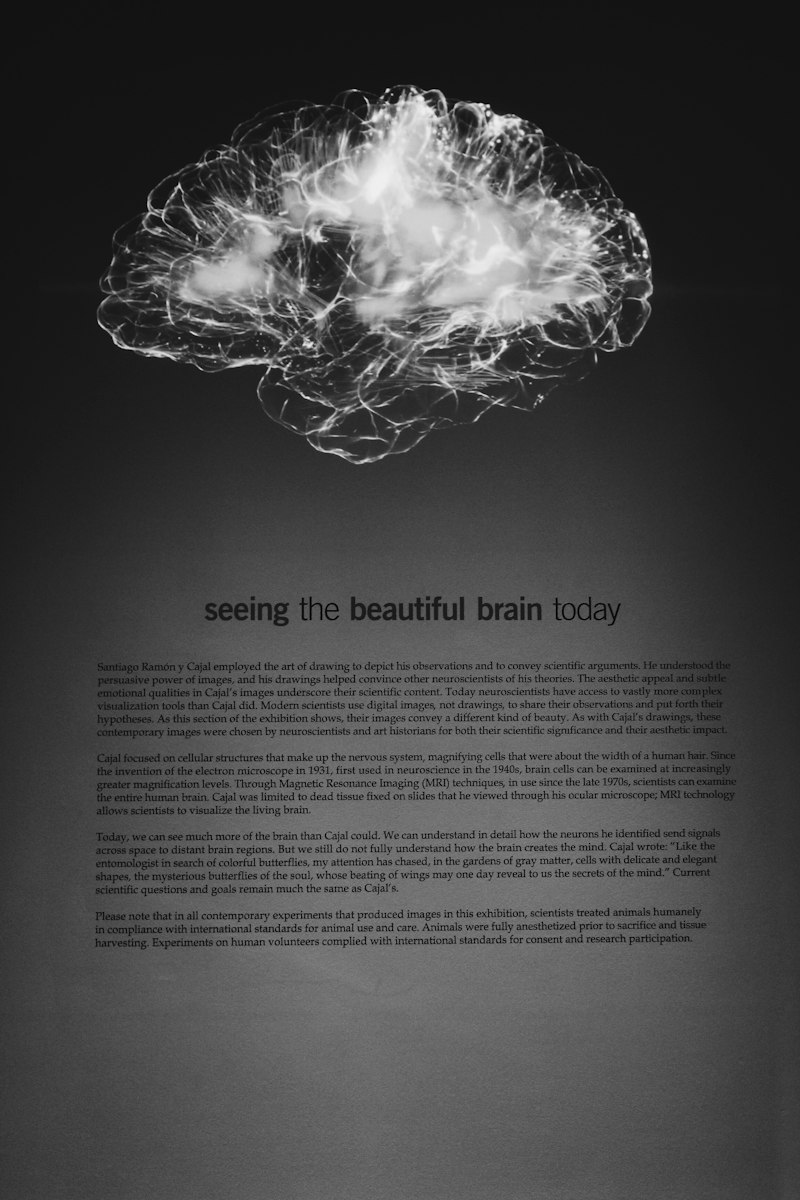
Neuroscience is a vast and rapidly expanding interdisciplinary field dedicated to the comprehensive understanding of the structure, function, development, genetics, biochemistry, physiology, pharmacology, and pathology of the nervous system. This intricate biological system, which in humans includes the brain, spinal cord, and all peripheral nerves, is fundamentally responsible for controlling all aspects of thought, emotion, sensation, and behavior. By delving into the complexities of the nervous system at molecular, cellular, circuit, and systems levels, neuroscientists aim to unravel how these components interact to produce the rich tapestry of human experience and how they can malfunction in neurological and psychiatric disorders.
The field of neuroscience draws upon an extensive array of disciplines, making it inherently multidisciplinary. It integrates principles and methodologies from biology, particularly cell biology, molecular biology, and physiology, to understand the fundamental units of the nervous system. Contributions from psychology are crucial for linking neural processes to observable behaviors, cognition, and mental states. Furthermore, neuroscience incorporates elements of chemistry to study neurotransmitters and biochemical pathways, physics for advanced imaging techniques and biophysics of neural signaling, and mathematics and computer science for modeling neural networks and analyzing complex data. This diverse foundation allows neuroscientists to approach the nervous system from multiple vantage points, providing a holistic understanding of its operations.
At its core, neuroscience seeks to explain the fundamental mechanisms that underlie our ability to perceive the world, learn new information, remember past experiences, feel emotions, and execute voluntary movements. It investigates how sensory input is processed, how decisions are made, and how complex behaviors are generated. Beyond basic research, a significant objective of neuroscience is to gain profound insights into the etiology and progression of a wide range of neurological and psychiatric conditions, such as Alzheimer’s disease, Parkinson’s disease, depression, and schizophrenia. This knowledge is pivotal for developing effective diagnostic tools, preventive strategies, and therapeutic interventions that can alleviate suffering and improve the quality of life for millions worldwide.
The Historical Evolution of Neuroscience
The quest to understand the brain and its role in human experience dates back to ancient civilizations. Early Egyptian medical texts, such as the Edwin Smith Papyrus (circa 17th century BCE), contain descriptions of brain injury and its effects, although the heart was often considered the seat of the soul and intellect. Later, ancient Greek philosophers like Hippocrates (5th century BCE) proposed that the brain was the center of sensation and intelligence, a revolutionary idea at the time. However, this view was not universally accepted, with Aristotle (4th century BCE) famously believing the heart to be the center of mental processes and the brain primarily serving to cool the blood. These early musings, while often speculative, laid the groundwork for future inquiry into the brain’s mysterious functions.
Significant anatomical advancements emerged during the Renaissance. Andreas Vesalius, in the 16th century, revolutionized the study of human anatomy with his detailed dissections and illustrations of the brain and nervous system, challenging long-held Galenic doctrines. In the 17th century, René Descartes proposed a dualistic view, suggesting that the mind (soul) and body (brain) were distinct but interacted, with the pineal gland as the point of connection. While his specific theories were later disproven, Descartes’ emphasis on the brain’s role in sensation and movement, and his mechanistic explanations, pushed scientific inquiry forward. These periods marked a shift from purely philosophical speculation to more systematic anatomical observation, albeit still lacking a complete understanding of neural function.
The 19th century witnessed the true emergence of modern neuroscience as a distinct scientific discipline. Key breakthroughs included the development of the “neuron doctrine” by Santiago Ramón y Cajal and Camillo Golgi, who, using Golgi’s silver stain method, demonstrated that the nervous system is composed of discrete individual cells called neurons, rather than a continuous net. Simultaneously, researchers like Paul Broca and Carl Wernicke identified specific brain regions responsible for language, establishing the concept of functional localization within the brain. The 20th century then ushered in an era of rapid discovery, with the elucidation of synaptic transmission (e.g., Otto Loewi’s discovery of acetylcholine), the development of electrophysiological techniques by researchers like Charles Sherrington, and the integration of molecular and genetic approaches, paving the way for the sophisticated understanding of neural processes we have today.
Fundamental Components: The Nervous System
The human nervous system is an extraordinarily complex and intricate network, fundamentally divided into two main parts: the Central Nervous System (CNS) and the Peripheral Nervous System (PNS). The CNS comprises the brain and spinal cord, serving as the command center for the entire body, responsible for integrating information, processing thoughts, and coordinating actions. The PNS, on the other hand, consists of all the nerves extending outside the CNS, acting as the communication lifeline between the CNS and the rest of the body, including muscles, organs, and sensory receptors. This vast network allows for the rapid transmission of electrical and chemical signals, enabling the body to respond to internal and external stimuli with remarkable precision and speed.
The fundamental building blocks of the nervous system are neurons, specialized cells designed for transmitting electrical and chemical signals. Each neuron typically consists of a cell body (soma), which houses the nucleus; dendrites, tree-like extensions that receive signals from other neurons; and an axon, a long projection that transmits signals away from the cell body to other neurons, muscles, or glands. Neurons are incredibly diverse, classified into types such as sensory neurons (carrying information from receptors to the CNS), motor neurons (carrying commands from the CNS to muscles and glands), and interneurons (connecting neurons within the CNS). This intricate cellular architecture allows for the formation of complex neural circuits that underlie all brain functions.
Beyond neurons, the nervous system also contains a crucial support system made up of glial cells (neuroglia), which outnumber neurons in many parts of the brain. Glial cells perform a variety of vital functions, including providing structural support, supplying nutrients to neurons, insulating axons with myelin (which speeds up signal transmission), and removing waste products. Key types of glial cells include astrocytes (involved in blood-brain barrier maintenance and neurotransmitter regulation), oligodendrocytes in the CNS and Schwann cells in the PNS (both forming myelin), and microglia (the immune cells of the brain). The precise interplay between neurons and glial cells is essential for healthy nervous system function, influencing everything from basic metabolism to complex cognitive processes.
Communication between neurons primarily occurs at specialized junctions called synapses. At a chemical synapse, an electrical signal (action potential) arriving at the presynaptic terminal triggers the release of neurotransmitters—chemical messengers—into the synaptic cleft. These neurotransmitters then bind to receptors on the postsynaptic neuron, generating either an excitatory or inhibitory electrical signal. This process is remarkably dynamic, with the strength and efficiency of synaptic connections constantly modulated by experience, a phenomenon known as synaptic plasticity. This plasticity is the cellular basis for learning and memory, allowing neural circuits to adapt and reorganize throughout life. The precise balance of various neurotransmitters, such as dopamine, serotonin, glutamate, and GABA, is crucial for regulating mood, cognition, movement, and a myriad of other brain functions.
Methodologies and Tools in Neuroscience
Neuroscientists employ a diverse arsenal of sophisticated techniques to probe the mysteries of the brain and nervous system, each offering unique insights into different levels of analysis. Advanced imaging techniques have revolutionized our ability to visualize brain structure and function in living individuals, providing unprecedented detail. For instance, Magnetic Resonance Imaging (MRI) generates high-resolution anatomical images, revealing the precise structure of brain tissues. Functional MRI (fMRI) builds upon this by detecting changes in blood flow associated with neural activity, allowing researchers to map brain regions involved in specific cognitive tasks. Positron Emission Tomography (PET) uses radioactive tracers to visualize metabolic activity, blood flow, or receptor binding in the brain, offering insights into neurochemical processes. These non-invasive methods are indispensable for both basic research and clinical diagnosis, providing a window into the living brain without direct intervention.
Beyond imaging, electrophysiology plays a critical role in measuring the electrical activity of neurons and neural circuits. Electroencephalography (EEG) involves placing electrodes on the scalp to record brain waves, reflecting the summed electrical activity of millions of neurons. EEG is particularly useful for studying states of consciousness, sleep patterns, and diagnosing conditions like epilepsy. More invasive techniques, such as single-unit recordings, allow researchers to measure the electrical activity of individual neurons, providing fine-grained insights into neuronal firing patterns during specific behaviors. Patch-clamp techniques enable the study of ion channel function and membrane potential in single cells, offering a detailed understanding of the biophysical properties of neurons. These electrical measurements are fundamental to understanding how information is encoded, processed, and transmitted within the nervous system.
The advent of molecular and genetic techniques has opened new avenues for understanding the genetic and biochemical underpinnings of brain function and disease. Techniques like optogenetics allow researchers to control the activity of specific neurons using light, offering unparalleled precision in manipulating neural circuits to understand their causal roles in behavior. Chemogenetics provides a similar level of control but uses designer drugs. Gene editing technologies, such as CRISPR-Cas9, enable precise modifications to the genome, allowing scientists to study the impact of specific genes on neural development, function, and susceptibility to neurological disorders. Furthermore, immunohistochemistry and in situ hybridization are used to visualize the expression of specific proteins and genes within brain tissues, providing spatial and temporal information about molecular processes. These tools are crucial for dissecting the complex molecular pathways that govern neural health and disease, offering potential targets for therapeutic interventions.
Neuroscience in Everyday Life: Learning a New Skill
To illustrate the practical application of neuroscience, consider the everyday experience of learning a new skill, such as playing a musical instrument, riding a bicycle, or mastering a complex video game. This seemingly simple act of skill acquisition involves profound and measurable changes within the brain, demonstrating the principles of neural plasticity and the intricate coordination of various brain regions. When you first attempt a new skill, your brain’s neural pathways related to that action are often weak, uncoordinated, or even non-existent, leading to clumsy and inefficient movements or thoughts. This initial struggle is a direct reflection of your brain actively trying to establish and refine the necessary neural circuits.
As you engage in deliberate practice, repeated attempts to perform the skill, your brain undergoes remarkable transformations at a cellular and circuit level. This process is fundamentally driven by synaptic plasticity, the ability of synapses—the junctions between neurons—to strengthen or weaken over time in response to activity. With each correct repetition, the connections between neurons involved in the motor commands, sensory feedback, and cognitive processing of the skill are strengthened. New synapses can even form, creating more efficient and robust neural pathways. For example, when learning a guitar chord, the neurons in your motor cortex responsible for finger movements, the auditory cortex processing the sound, and the visual cortex interpreting the sheet music all begin to communicate more effectively and synchronously. This strengthening of connections makes subsequent attempts smoother and more automatic, reflecting the brain’s remarkable capacity for adaptation.
Several key brain regions are critically involved in this learning process. The motor cortex is essential for planning and executing voluntary movements. The cerebellum plays a crucial role in coordinating movements, timing, and motor learning, ensuring precision and fluidity. The basal ganglia are involved in habit formation and selecting appropriate actions, helping to automate learned behaviors. The hippocampus, a structure vital for memory formation, is initially involved in encoding the explicit steps of the skill, while the implicit, unconscious aspects of motor learning are consolidated elsewhere. Furthermore, the brain’s reward system, involving the release of dopamine, reinforces successful actions, motivating continued practice. Over time, as the skill becomes ingrained, the brain’s activity shifts, becoming less reliant on conscious effort and more automated, demonstrating the profound efficiency gained through neural reorganization.
Clinical and Societal Significance
Neuroscience holds immense significance for medicine, revolutionizing our understanding and treatment of a vast array of neurological and psychiatric disorders. In neurology, insights from neuroscience have led to a deeper comprehension of conditions like Alzheimer’s disease, Parkinson’s disease, stroke, epilepsy, and multiple sclerosis. This understanding underpins the development of diagnostic tools, such as advanced neuroimaging, and therapeutic strategies, including pharmacological interventions, deep brain stimulation, and neurorehabilitation. For instance, knowing the role of dopamine depletion in Parkinson’s disease led to the development of L-DOPA therapy, significantly improving motor symptoms. Similarly, research into the pathological mechanisms of Alzheimer’s, such as amyloid plaques and tau tangles, drives the search for disease-modifying treatments.
In psychiatry, neuroscience provides the biological framework for understanding mental health conditions such as depression, anxiety disorders, schizophrenia, and bipolar disorder. By elucidating the roles of neurotransmitter imbalances, genetic predispositions, and structural or functional abnormalities in brain circuits, neuroscience helps to demystify these complex disorders. This knowledge is crucial for developing more targeted and effective psychopharmacological treatments, as well as informing therapeutic approaches like cognitive behavioral therapy by understanding the underlying neural mechanisms of thought and emotion regulation. The integration of neuroscience into psychiatry is moving the field towards a more biologically informed and personalized approach to mental healthcare.
Beyond clinical applications, neuroscience has profound implications for various other societal domains. In education, neuroscientific findings on memory, attention, and learning can inform the development of more effective teaching methods and educational technologies, optimizing how students acquire and retain knowledge. In the realm of technology, understanding brain function inspires advancements in artificial intelligence (AI) and robotics, leading to the creation of more sophisticated algorithms and machines capable of learning, adapting, and interacting with their environment in brain-like ways. The development of brain-computer interfaces (BCIs), which allow direct communication pathways between the brain and external devices, offers hope for individuals with paralysis or other severe disabilities, enabling them to control prosthetics or computers with their thoughts. These applications highlight neuroscience’s potential to not only treat disease but also enhance human capabilities and reshape our technological landscape.
Interdisciplinary Connections and Future Directions
Neuroscience is inherently interdisciplinary, fostering deep connections with numerous other fields of study. It forms a crucial foundation for cognitive psychology, providing the biological underpinnings for processes such as attention, perception, memory, and language. For example, understanding the neural circuits of the prefrontal cortex is essential for comprehending executive functions. Similarly, its relationship with behavioral psychology is robust, as neuroscience investigates the neural mechanisms of learning, conditioning, and motivation, explaining how experiences shape behavior at a biological level. It also informs developmental psychology by examining how the brain develops from conception through adulthood, and how early experiences sculpt neural architecture. Even social psychology benefits, as neuroimaging techniques are used to explore the neural bases of social cognition, empathy, and group behavior, giving rise to the field of social neuroscience.
As a vast and evolving domain, neuroscience itself can be considered a broader category encompassing several subfields, including molecular neuroscience, cellular neuroscience, systems neuroscience, cognitive neuroscience, and computational neuroscience. It is a foundational science that bridges biology and psychology, providing the biological context for understanding the mind. Its interdisciplinary nature means that progress in neuroscience often relies on breakthroughs in other scientific and technological fields, from advanced materials science for brain implants to sophisticated algorithms for data analysis. This constant cross-pollination of ideas and techniques propels the field forward, driving innovation and expanding its explanatory power.
The future of neuroscience is incredibly promising, with several exciting directions of research. Connectomics aims to map all neural connections in the brain, providing an unprecedented blueprint of brain circuitry. Advancements in artificial intelligence and brain-inspired computing seek to replicate neural network functions for more powerful and efficient AI systems. Personalized medicine in neurology and psychiatry is emerging, leveraging genetic and neuroimaging data to tailor treatments to individual patients. Perhaps one of the most profound challenges remains understanding the neural basis of consciousness, a grand frontier that continues to captivate neuroscientists and philosophers alike. As research continues to unravel the brain’s complexities, neuroscience promises to revolutionize our understanding of ourselves, offering ever more profound insights into what it means to be human and how we can improve brain health and function throughout the lifespan.